


Primary sourceSculptureca. 1473-1458 BCE
Kneeling Statue of Hatshepsut
ca. 1473-1458 BCE
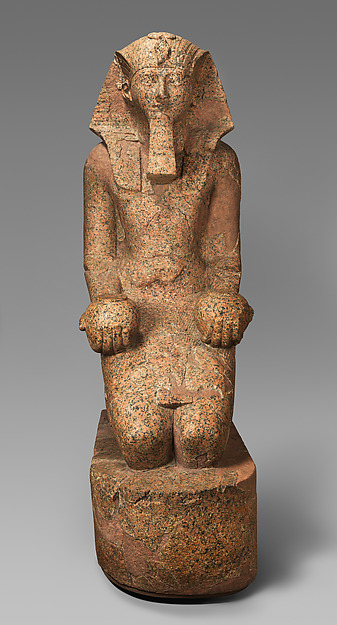
A granite statue showing Hatshepsut kneeling in royal dress, including a false beard, from her reign; now at the Metropolitan Museum of Art.
This kneeling statue shows Hatshepsut wearing a false beard, a male symbol of kingship she used to assert her rule.
About this source
What it is
This is a granite statue of Hatshepsut shown kneeling, wearing a royal headcloth and a false beard, with her hands resting on her thighs. It dates from the joint reign of Hatshepsut and Thutmose III and was acquired by the Metropolitan Museum of Art through the Rogers Fund in 1929.
Why it matters
The false beard was a symbol of kingship in ancient Egypt, usually worn by male pharaohs. Hatshepsut's use of it in statues like this shows how she adopted male royal symbols to strengthen her claim to the throne and be accepted as a legitimate ruler rather than only as a queen.
Look closer
- Why might a false beard have been an important symbol for a female ruler to include in her statues?
- What does the kneeling pose suggest about the purpose of this statue?
- What is left out of this idealized royal image that a modern viewer might want to know?
This sculpture is part of the curated material that grounds the AI version of Hatshepsut on Humy.ai — when students ask about related events, the AI can quote it and cite it.
More Hatshepsut sources
Meet the AI Hatshepsut →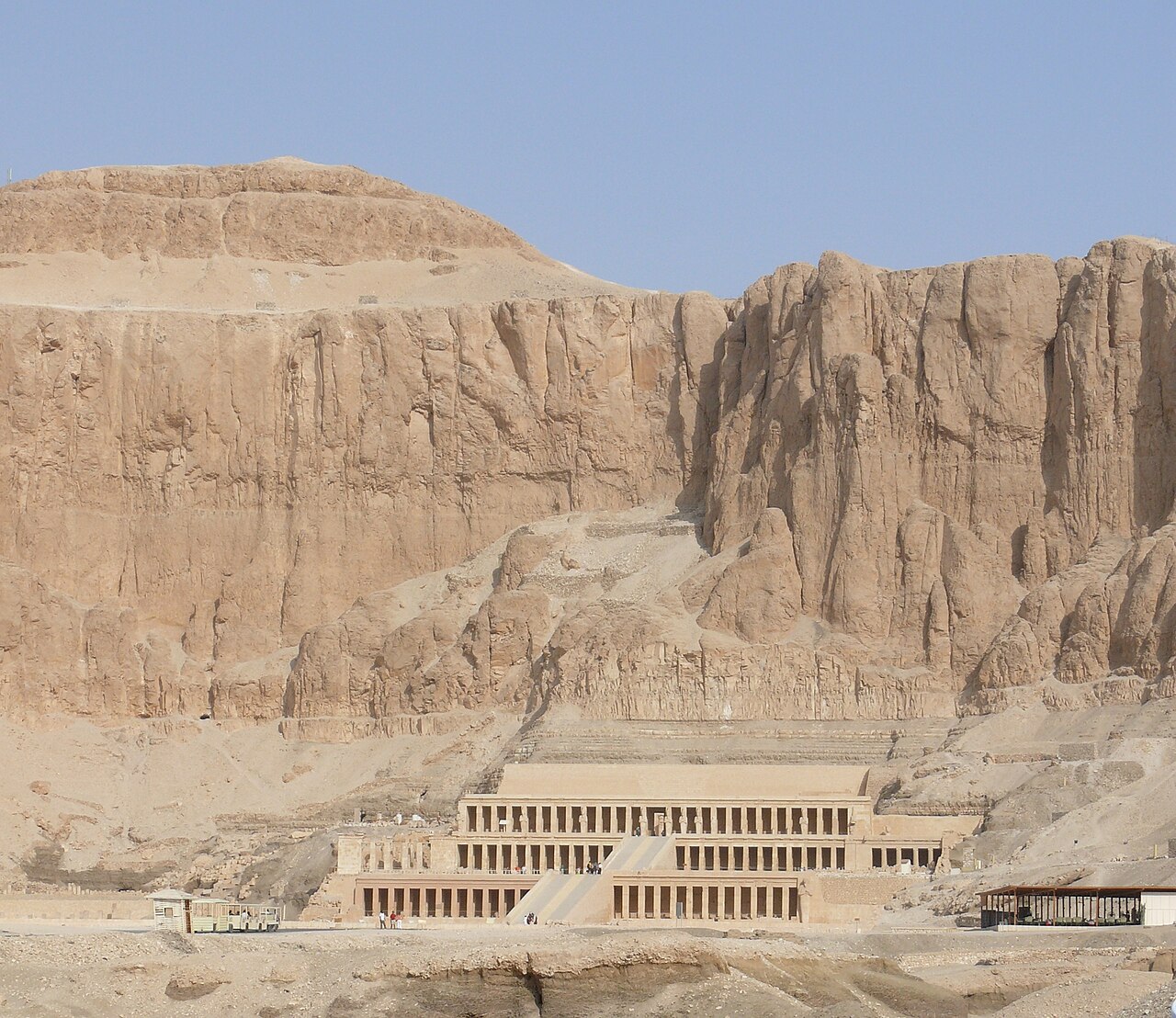 Artifact
Primary source
Mortuary Temple of Hatshepsut
Senenmut and/or Hapuseneb (attributed) · c. 1479–1458 BCE
 Photograph
Secondary source
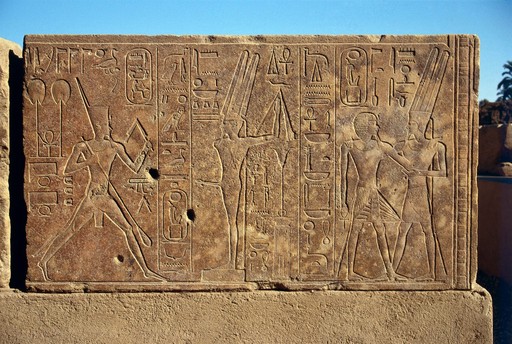
Hatshepsut Dancing Before Min, Karnak Relief
Carole Reeves · 1989
 Sculpture
Primary source
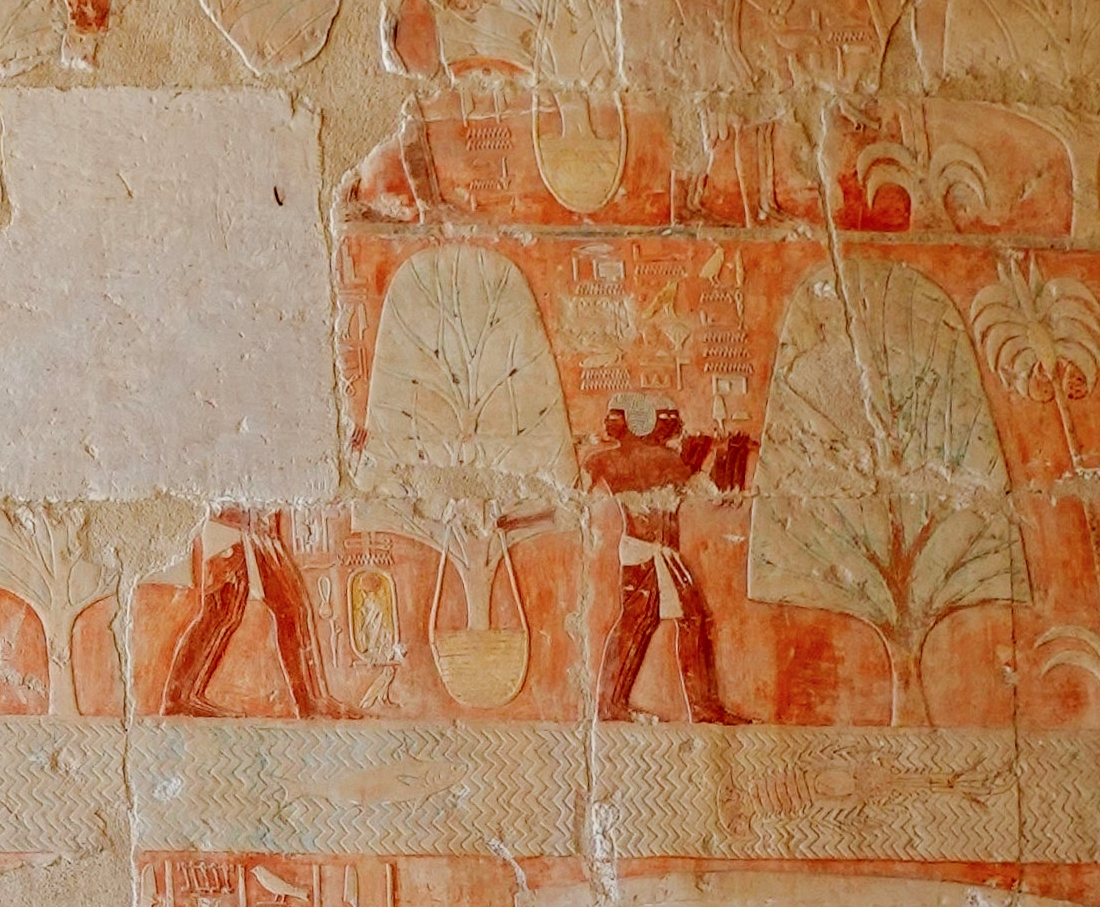
Punt Expedition Reliefs
Royal workshops of Hatshepsut · c. 1470 BCE
 Sculpture
Primary source
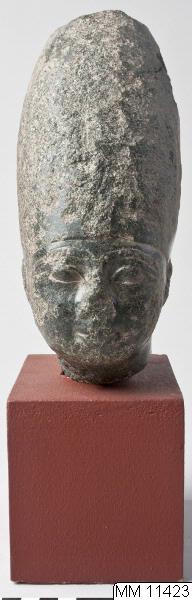
Sculpture Head Probably of Hatshepsut
 Sculpture
Primary source
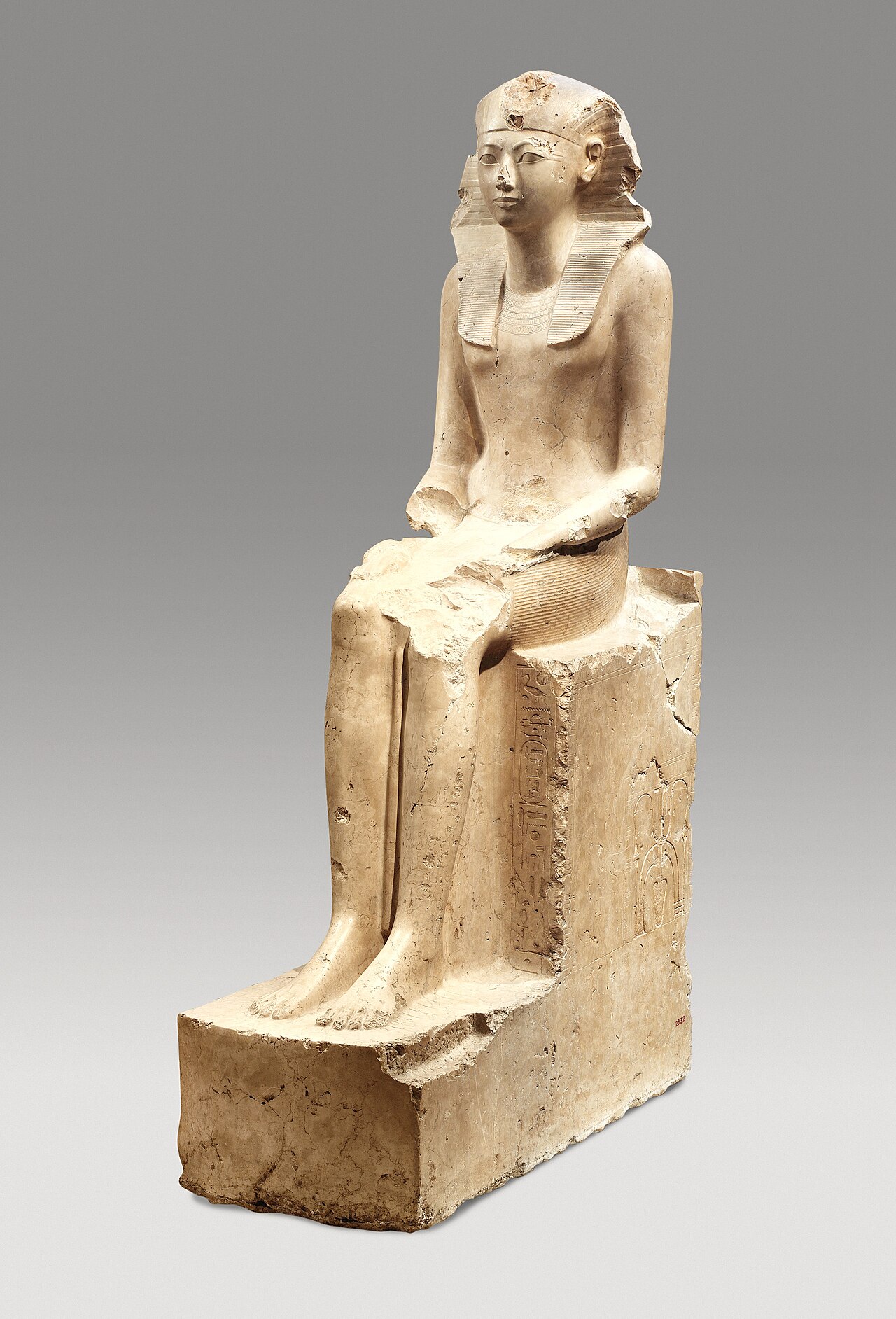
Seated Statue of Hatshepsut
c. 1466 BCE
Ready when you are
Start chatting with Hatshepsut now.
20 messages free · No credit card · Available in 50+ languages.