


Primary sourceSculpturec. 1470 BCE
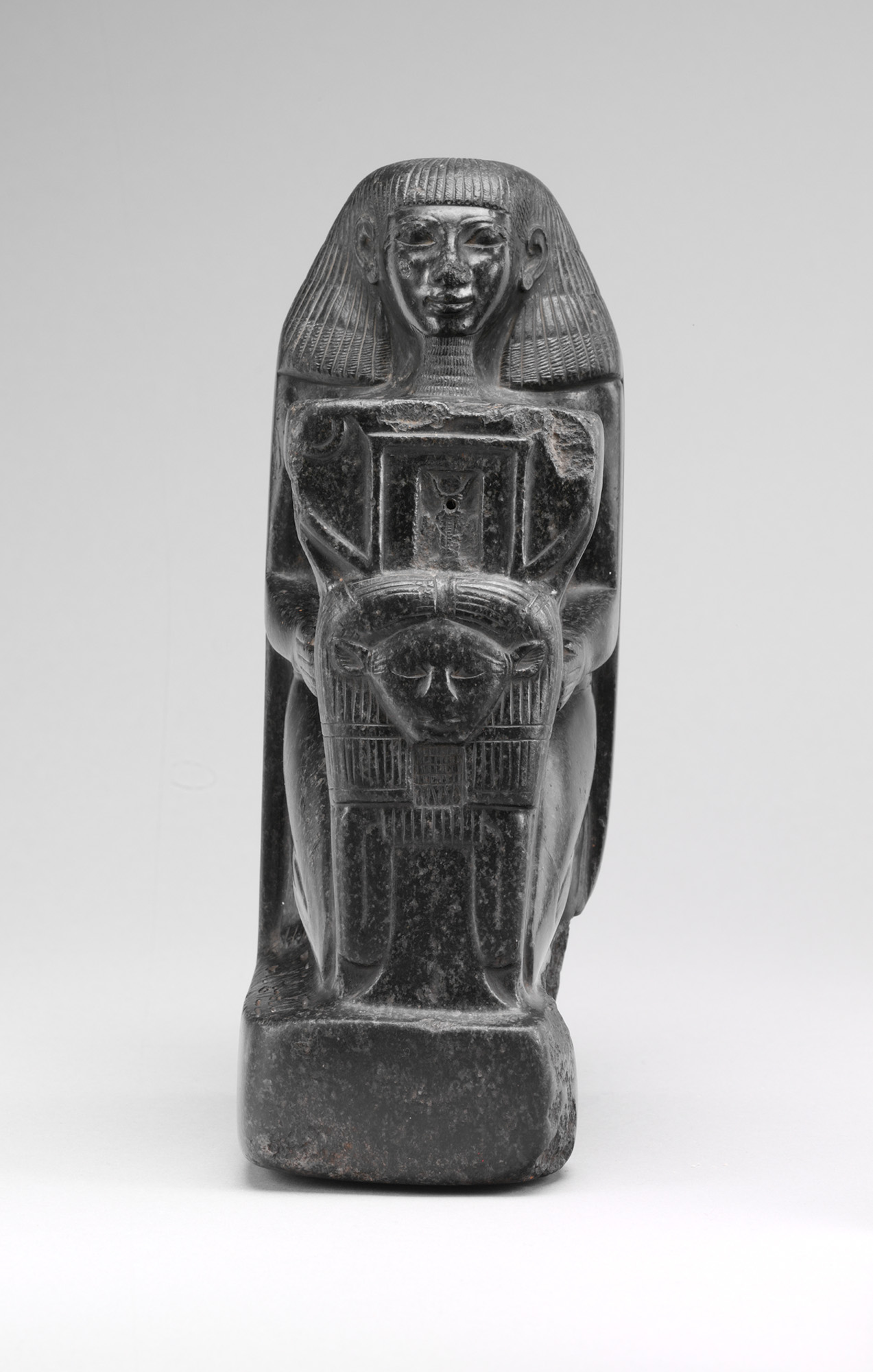
Kneeling Statue of Senenmut with Hathor Sistrum
Royal workshop · c. 1470 BCE
A statue of Senenmut, Hatshepsut's steward, holding a sistrum topped with the head of the goddess Hathor.
Shows Hatshepsut's favoured official Senenmut, promoting the royal cult she presided over.
About this source
What it is
This dark stone statue shows Senenmut kneeling and holding a sistrum (a rattle instrument) topped with the face of the goddess Hathor. It was made by a royal workshop around 1470 BCE and is now held at the Brooklyn Museum in New York.
Why it matters
Senenmut was a high official under Hatshepsut, and this statue promotes the royal cult she established. It shows the unusual prominence this favourite official enjoyed in her court, reflecting how trusted officials could rise to great status in her reign.
Look closer
- What does the sistrum and the Hathor emblem tell you about religion in Hatshepsut's Egypt?
- Why might a royal official have a statue made of himself holding a sacred object?
- What does the care taken in carving this statue suggest about Senenmut's status?
This sculpture is part of the curated material that grounds the AI version of Hatshepsut on Humy.ai — when students ask about related events, the AI can quote it and cite it.
More Hatshepsut sources
Meet the AI Hatshepsut →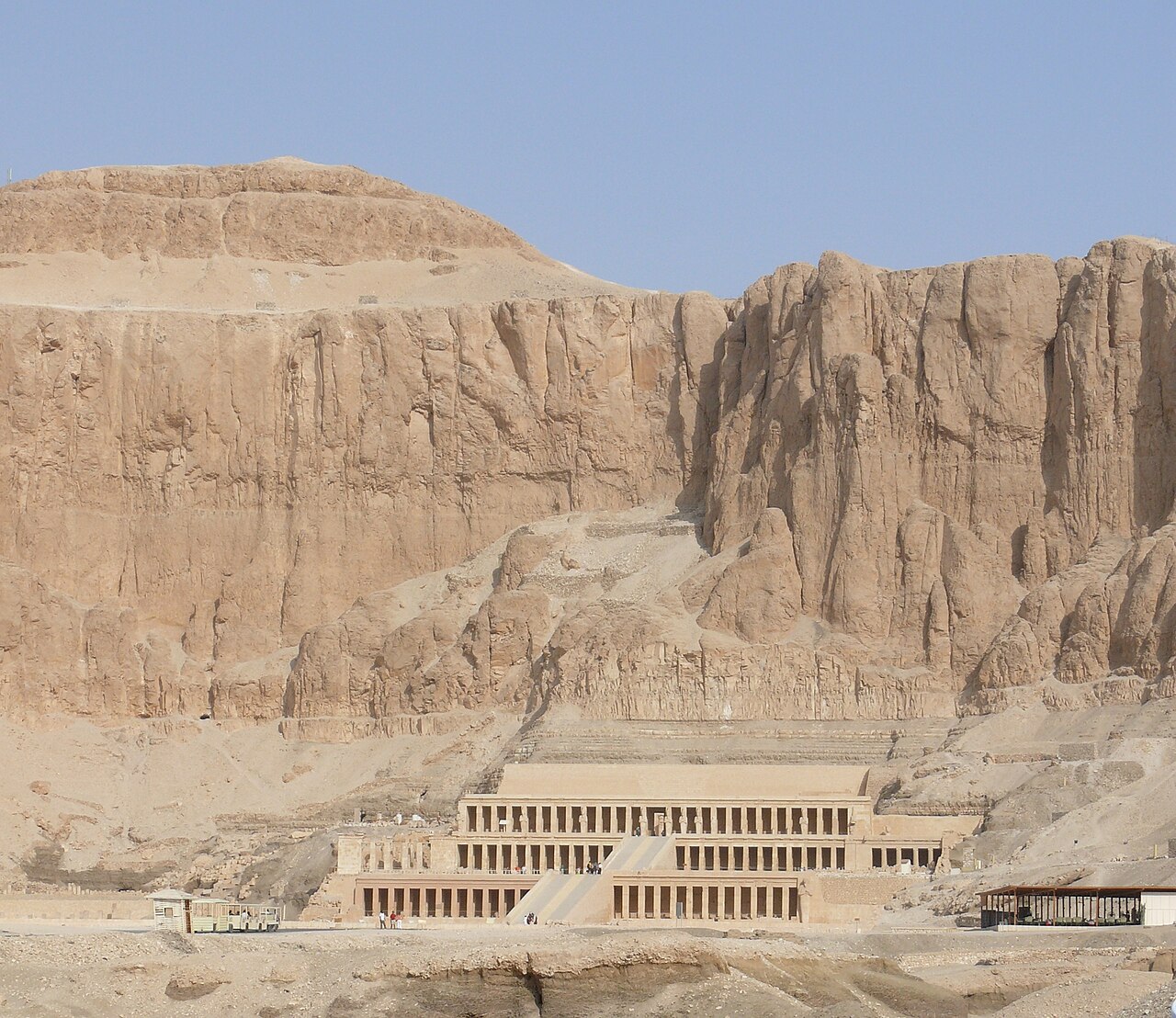 Artifact
Primary source
Mortuary Temple of Hatshepsut
Senenmut and/or Hapuseneb (attributed) · c. 1479–1458 BCE
 Photograph
Secondary source
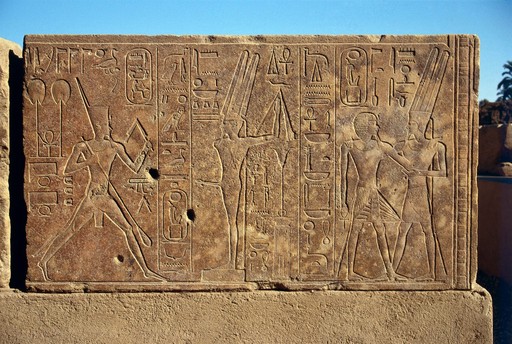
Hatshepsut Dancing Before Min, Karnak Relief
Carole Reeves · 1989
 Sculpture
Primary source
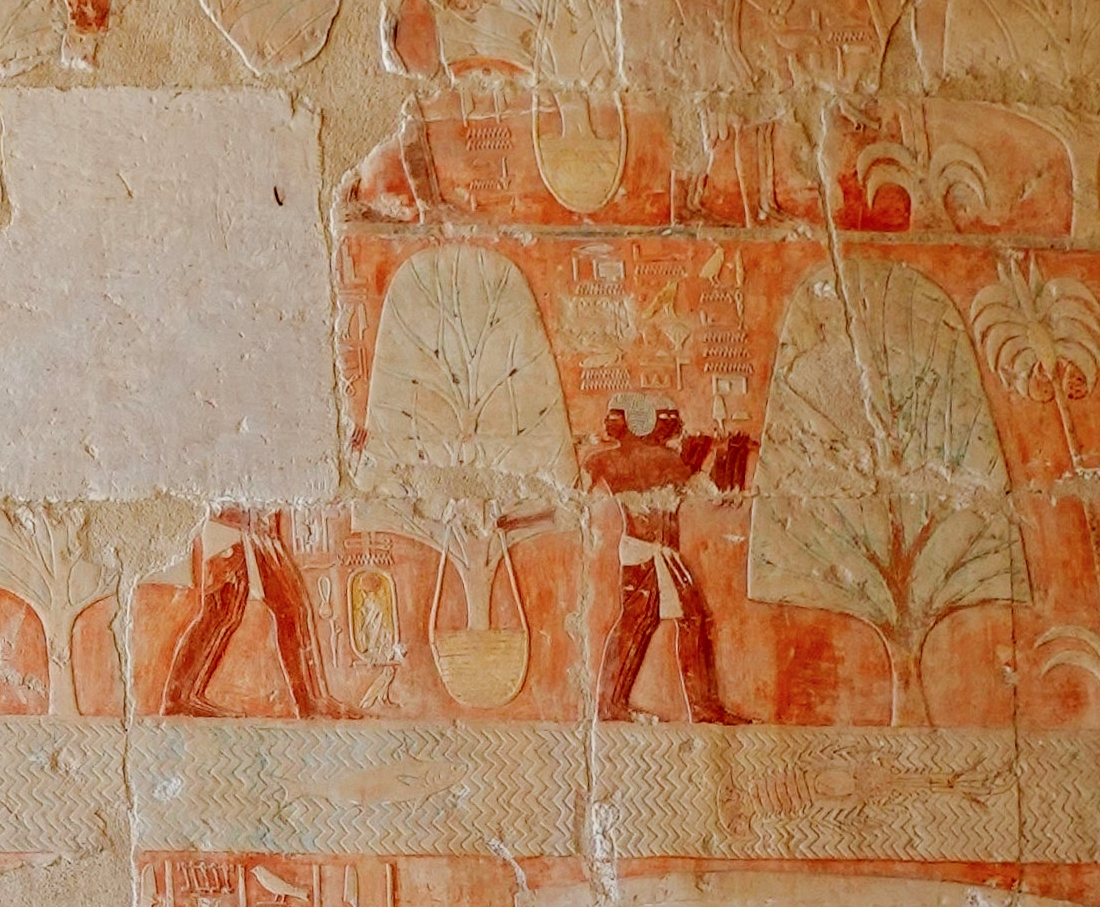
Punt Expedition Reliefs
Royal workshops of Hatshepsut · c. 1470 BCE
 Sculpture
Primary source
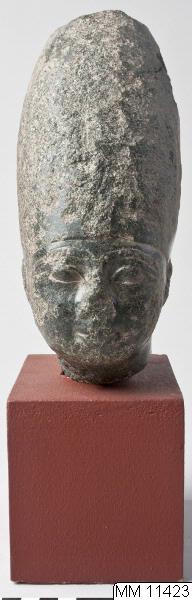
Sculpture Head Probably of Hatshepsut
 Sculpture
Primary source
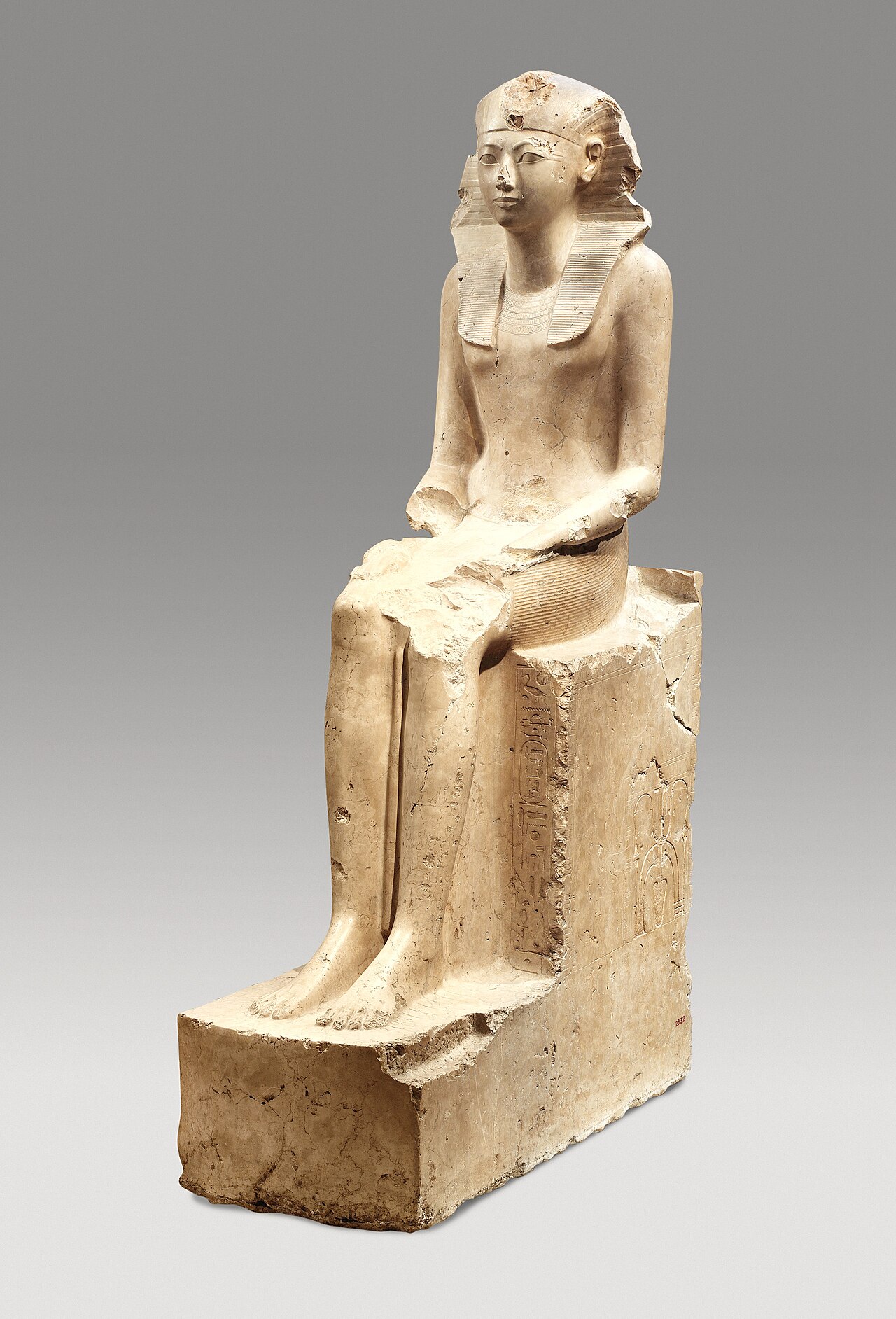
Seated Statue of Hatshepsut
c. 1466 BCE
Ready when you are
Start chatting with Hatshepsut now.
20 messages free · No credit card · Available in 50+ languages.