


Secondary sourceBook1914
Kokoro
Natsume Sōseki · 1914
A 1914 novel by Natsume Sōseki whose plot turns on the death of Emperor Meiji and the ritual suicide of General Nogi.
This novel uses Emperor Meiji's death as a turning point, showing how his passing felt like the end of an era to contemporaries.
Free Humy account · No credit card · 120,912 sources to read
About this source
What it is
Kokoro is a 1914 novel by Natsume Sōseki, first serialized in the newspaper Asahi Shimbun. It tells the story of a young man's friendship with an older man called Sensei, who holds a secret about the death of a friend from his past. The novel is set in the Meiji era and is one of the best-selling novels in Japanese history.
Why it matters
In the novel's second part, the decline and death of Emperor Meiji coincides with the illness of the narrator's own father, and the suicide of General Nogi, who killed himself to follow his emperor in death, deeply moves the characters. Sōseki used these events to capture the feeling that an entire era had ended with Emperor Meiji's death.
Look closer
- Why might a novelist choose to tie a personal story to the death of an emperor?
- What does General Nogi's suicide, as described in the novel, suggest about loyalty in that era?
- How might a novel differ from a history book in showing what the emperor's death meant to ordinary people?
This book is part of the curated material that grounds the AI version of Emperor Meiji and Natsume Sōseki on Humy.ai — when students ask about related events, the AI can quote it and cite it.
More Emperor Meiji sources
Browse all 94 →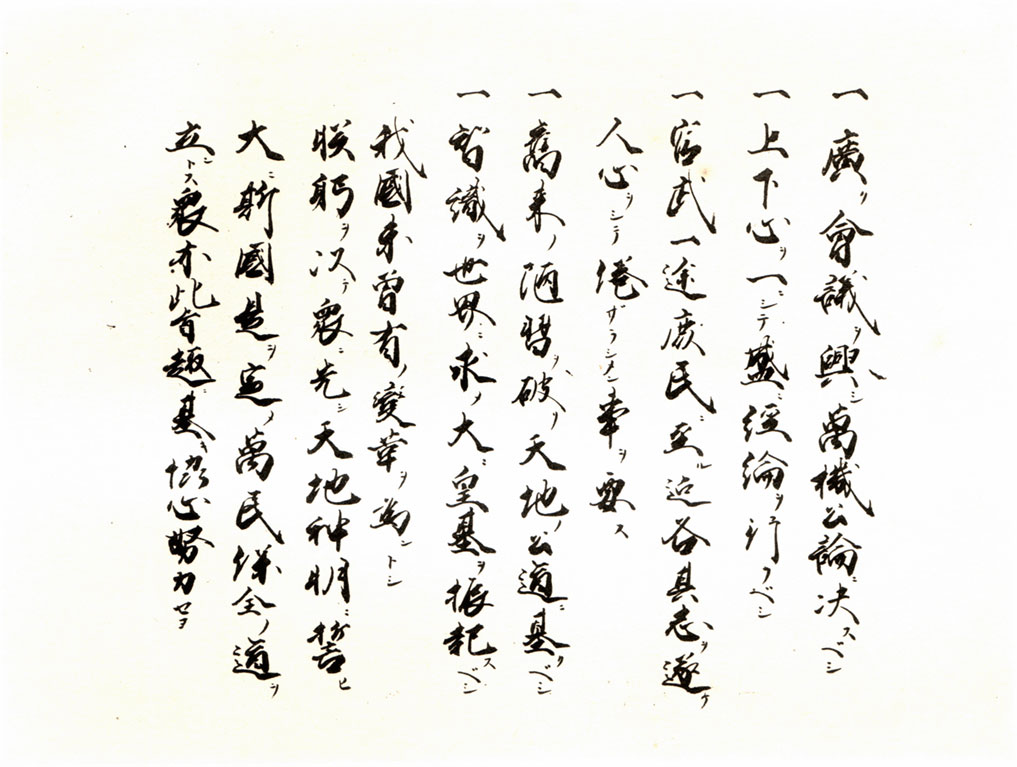 Document
Primary source
Charter Oath
Kido Takayoshi · 6 April 1868
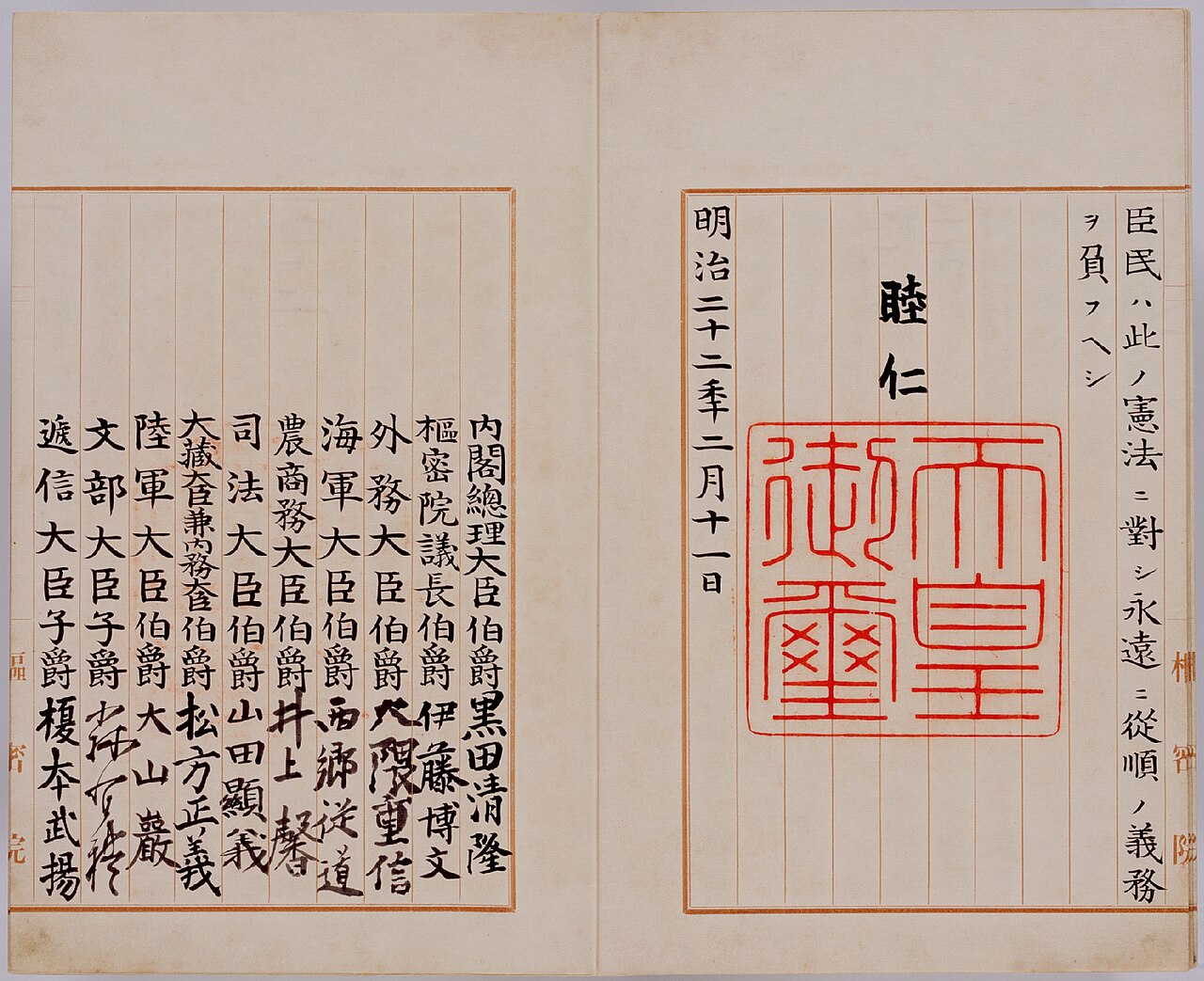 Document
Primary source
Constitution of the Empire of Japan
11 February 1889
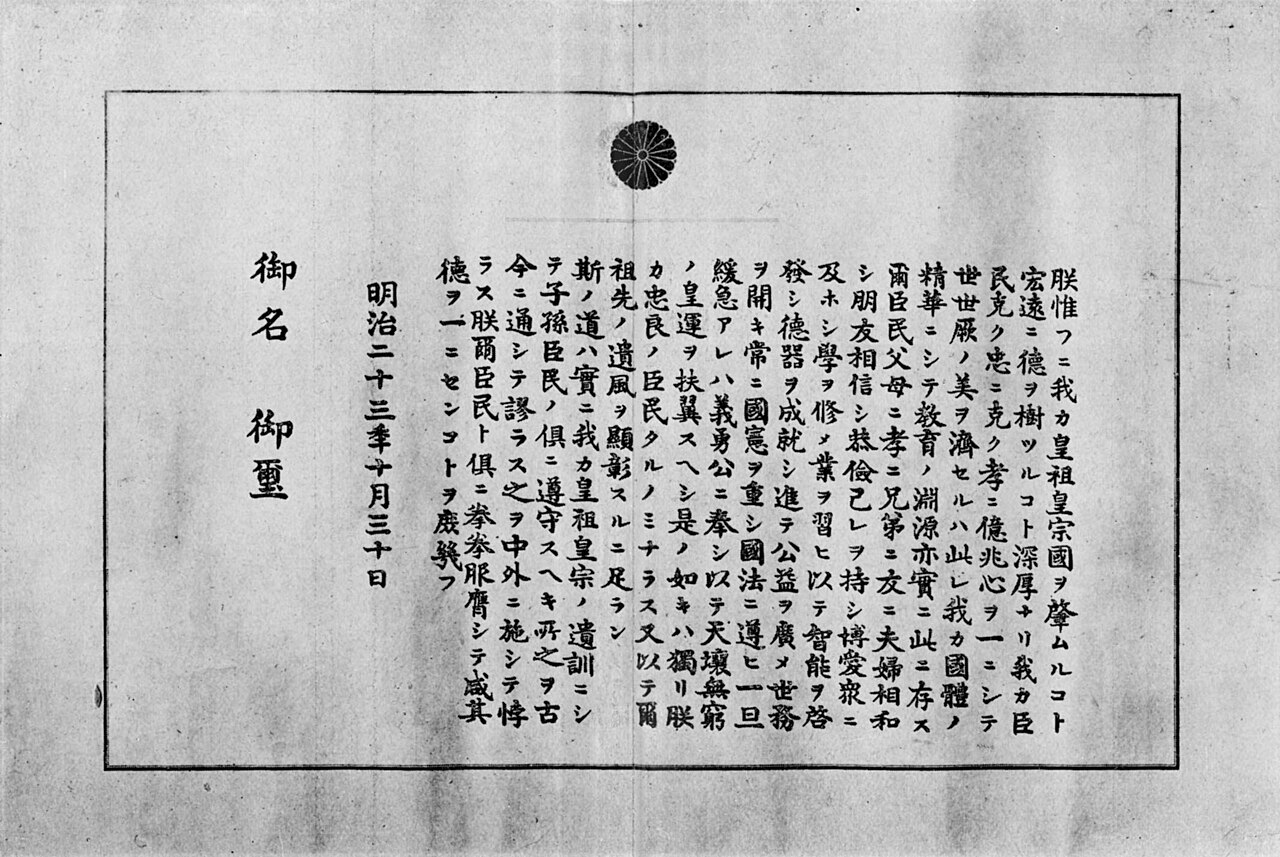 Document
Primary source
Imperial Rescript on Education
Inoue Kowashi · 30 October 1890
 Document
Primary source
Imperial Rescript to Soldiers and Sailors
Yamagata Aritomo · 4 January 1882
Free account
Read every Emperor Meiji source
Sign up free →
Ready when you are
Start chatting with Emperor Meiji now.
20 messages free · No credit card · Available in 50+ languages.