


Secondary sourceArtifact1820–1823
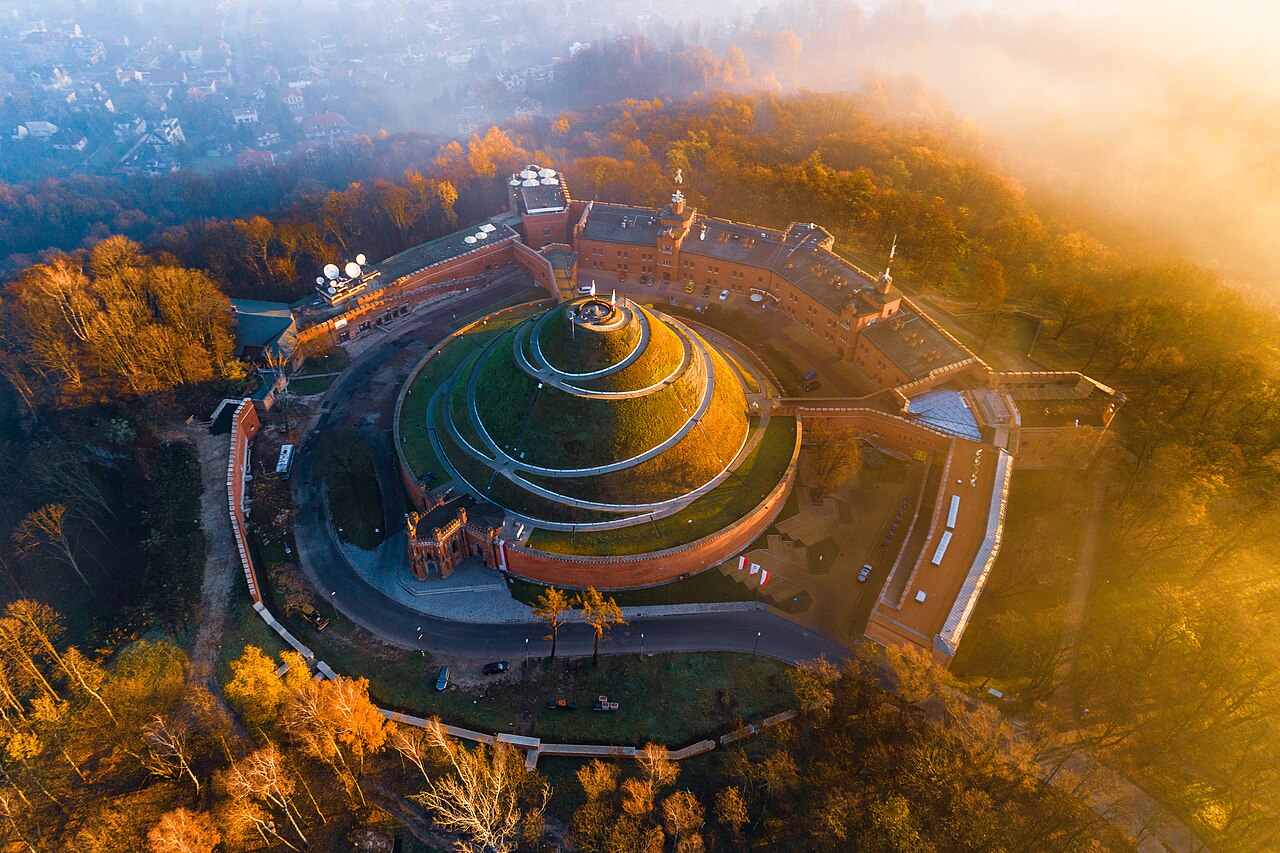
Kościuszko Mound
1820–1823
An artificial mound raised by hand in Kraków between 1820 and 1823 by ordinary citizens to honor Kościuszko.
Built by Kraków's citizens as a monument to Kościuszko, containing soil from the battlefields where he fought.
About this source
What it is
Kościuszko's Mound is an artificial earthen mound in Kraków, Poland, built between 1820 and 1823. It is modelled on Kraków's prehistoric mounds of Krak and Wanda. Urns holding soil from battlefields where Kościuszko fought, in Poland and America, were buried inside it, and a granite boulder from the Tatra Mountains was placed at the top.
Why it matters
The mound was built not by a government or an army but by volunteers of all ages and classes, funded by donations from Poles across occupied territories. It shows how strongly ordinary people wanted to honor Tadeusz Kościuszko after Poland lost its independence, turning memory of him into a shared national project.
Look closer
- Why might people choose to build a mound by hand instead of a statue?
- What does the soil from different battlefields buried inside the mound represent?
- Why would this monument matter especially to a nation that had lost its independence?
This artifact is part of the curated material that grounds the AI version of Tadeusz Kościuszko on Humy.ai — when students ask about related events, the AI can quote it and cite it.
More Tadeusz Kościuszko sources
Meet the AI Tadeusz Kościuszko →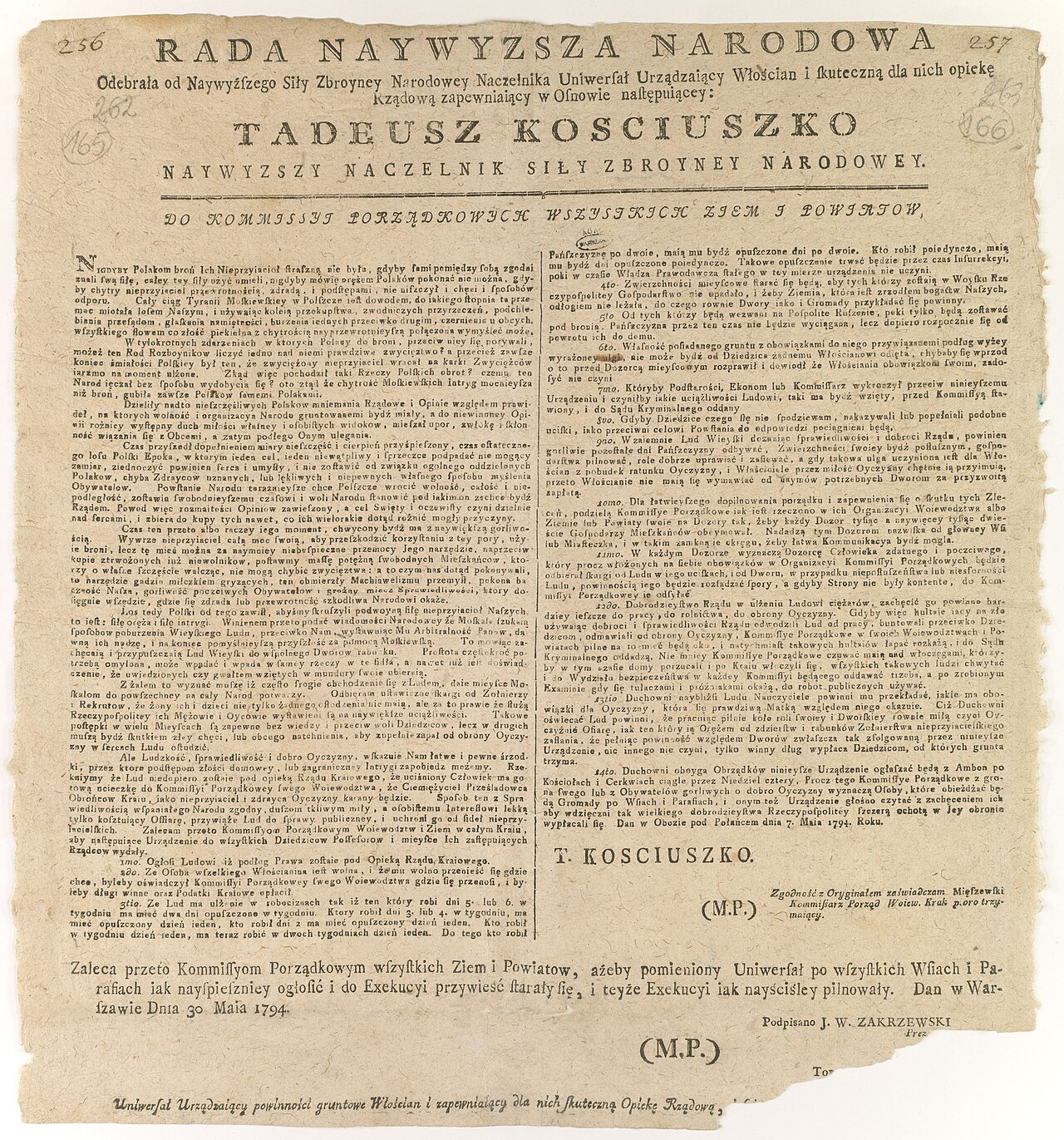 Document
Primary source
Proclamation of Połaniec
Tadeusz Kościuszko · 7 May 1794 (this printing 30 May 1794)
 Painting
Primary source
General Thaddeus Kosciusko
Benjamin West · 1797
 Painting
Primary source
Portrait of Tadeusz Kościuszko
Józef Grassi · c. 1792
 Artifact
Primary source
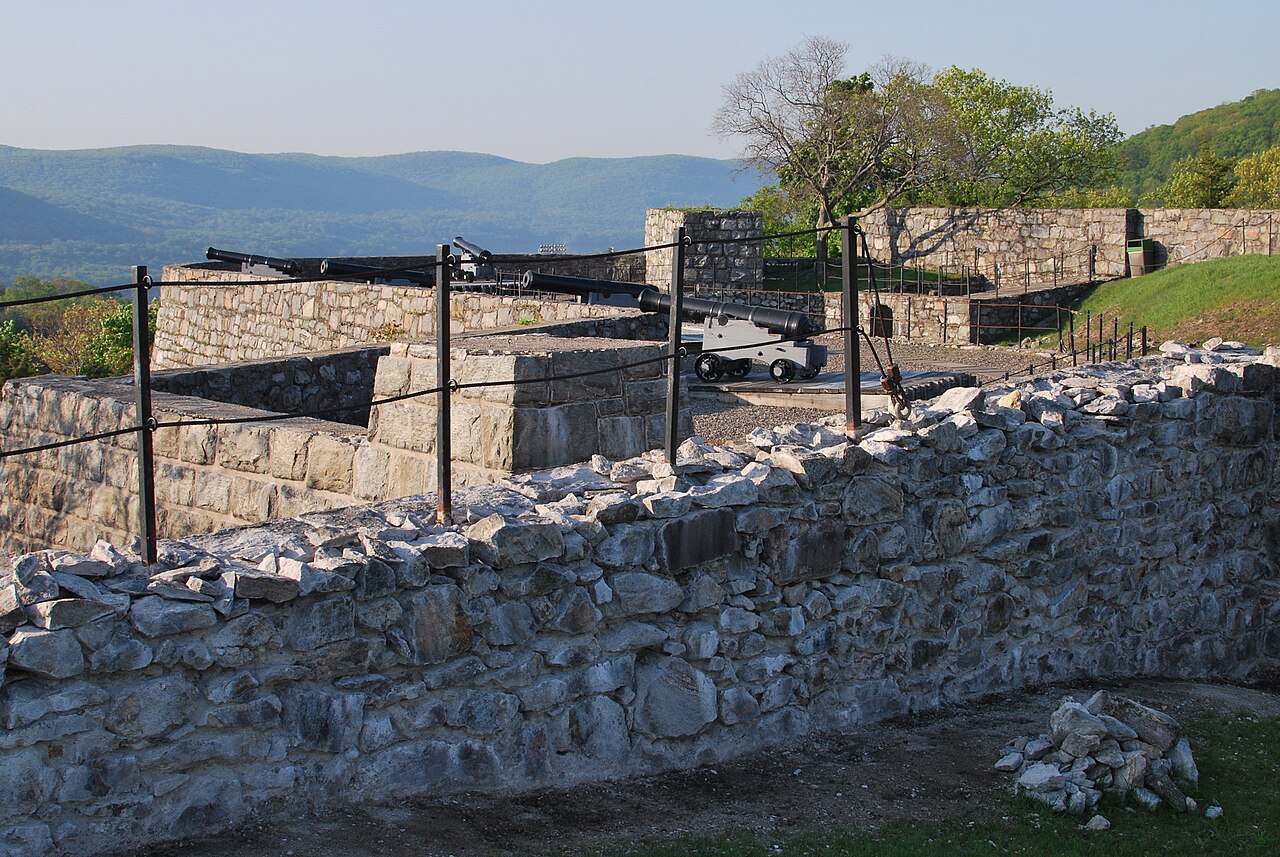
Fort Putnam
1778
 Document
Primary source
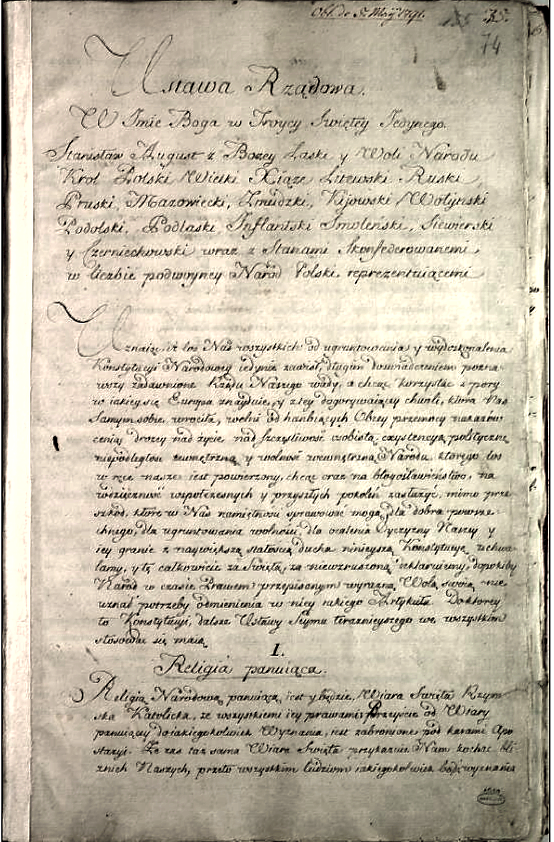
Constitution of May 3, 1791
3 May 1791
Ready when you are
Start chatting with Tadeusz Kościuszko now.
20 messages free · No credit card · Available in 50+ languages.