


Primary sourceDocumentc. 1264
Lauda Sion
Thomas Aquinas · c. 1264
A sequence hymn written by Thomas Aquinas for the feast of Corpus Christi, expressing Catholic belief in the Eucharist.
Aquinas composed this hymn for the pope's new feast, showing his role shaping Catholic worship, not just doctrine.
About this source
What it is
Lauda Sion is a sequence for the Mass of Corpus Christi, written by Thomas Aquinas around 1264 at the request of Pope Urban IV, alongside other hymns for the same feast. It remains one of only a handful of medieval sequences kept in the Roman Missal after the Council of Trent.
Why it matters
The hymn turns precise theological doctrine, the belief that bread and wine become the body and blood of Christ, into verse meant to be sung by ordinary worshippers. It shows how Aquinas worked directly for the papacy, shaping the Church's worship as well as its philosophy, and how his words have survived in Catholic liturgy for centuries.
Look closer
- Why might a pope ask a philosopher to write songs rather than just theological treatises?
- How does turning a complex doctrine into rhyme and rhythm change how people understand or remember it?
- What does it mean that this hymn is still sung today, almost 800 years later?
This document is part of the curated material that grounds the AI version of Saint Thomas Aquinas on Humy.ai — when students ask about related events, the AI can quote it and cite it.
More Saint Thomas Aquinas sources
Meet the AI Saint Thomas Aquinas →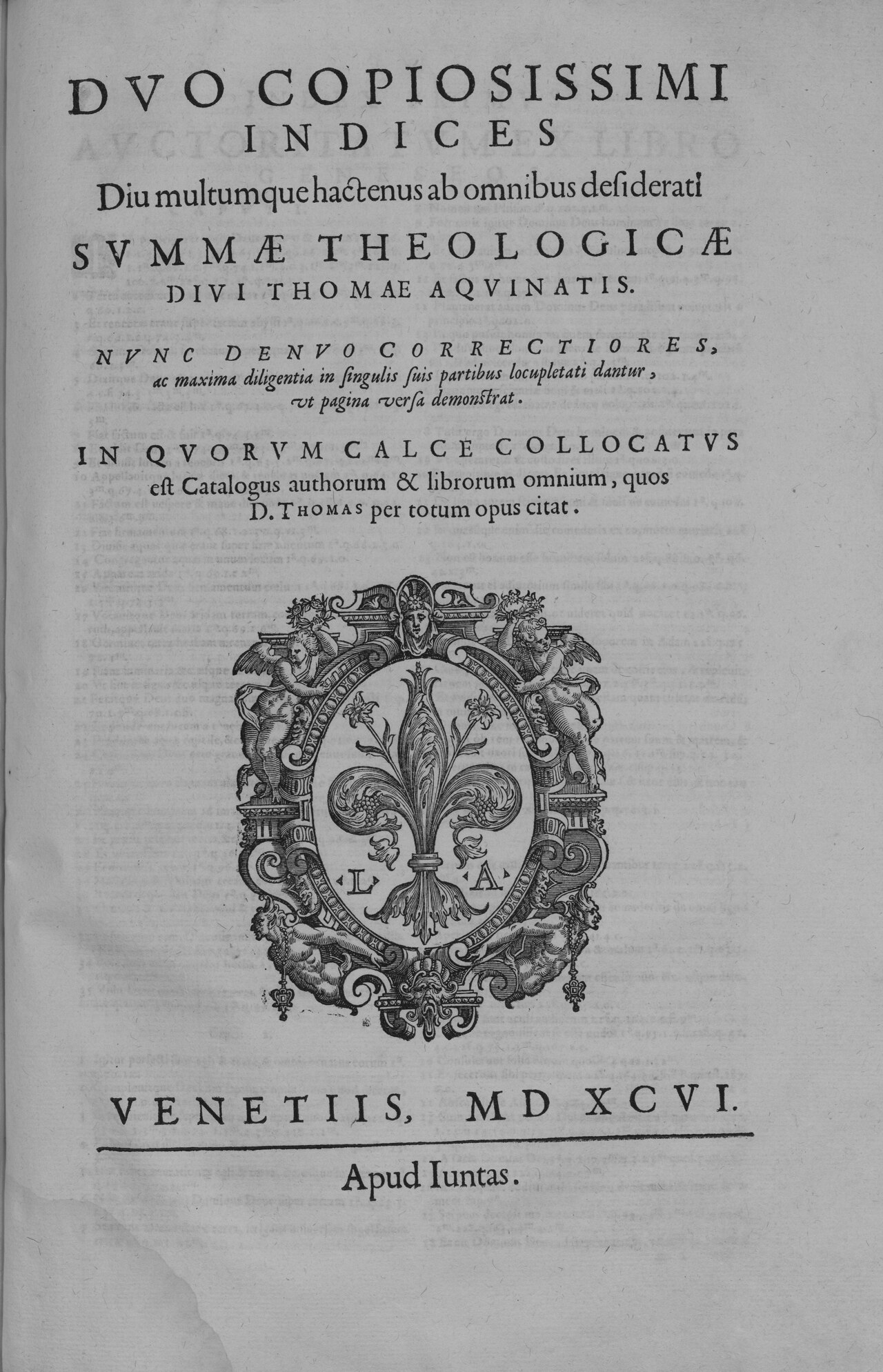 Book
Primary source
Summa Theologica
Thomas Aquinas · 1274
 Painting
Secondary source
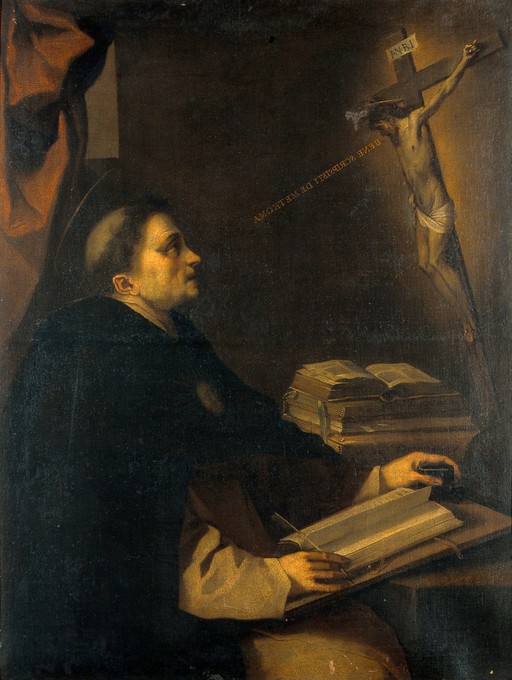
St Thomas Aquinas, 17th-century Italian oil painting
17th century
Primary source
Pange Lingua Gloriosi Corporis Mysterium
Thomas Aquinas · 1263
 Painting
Secondary source
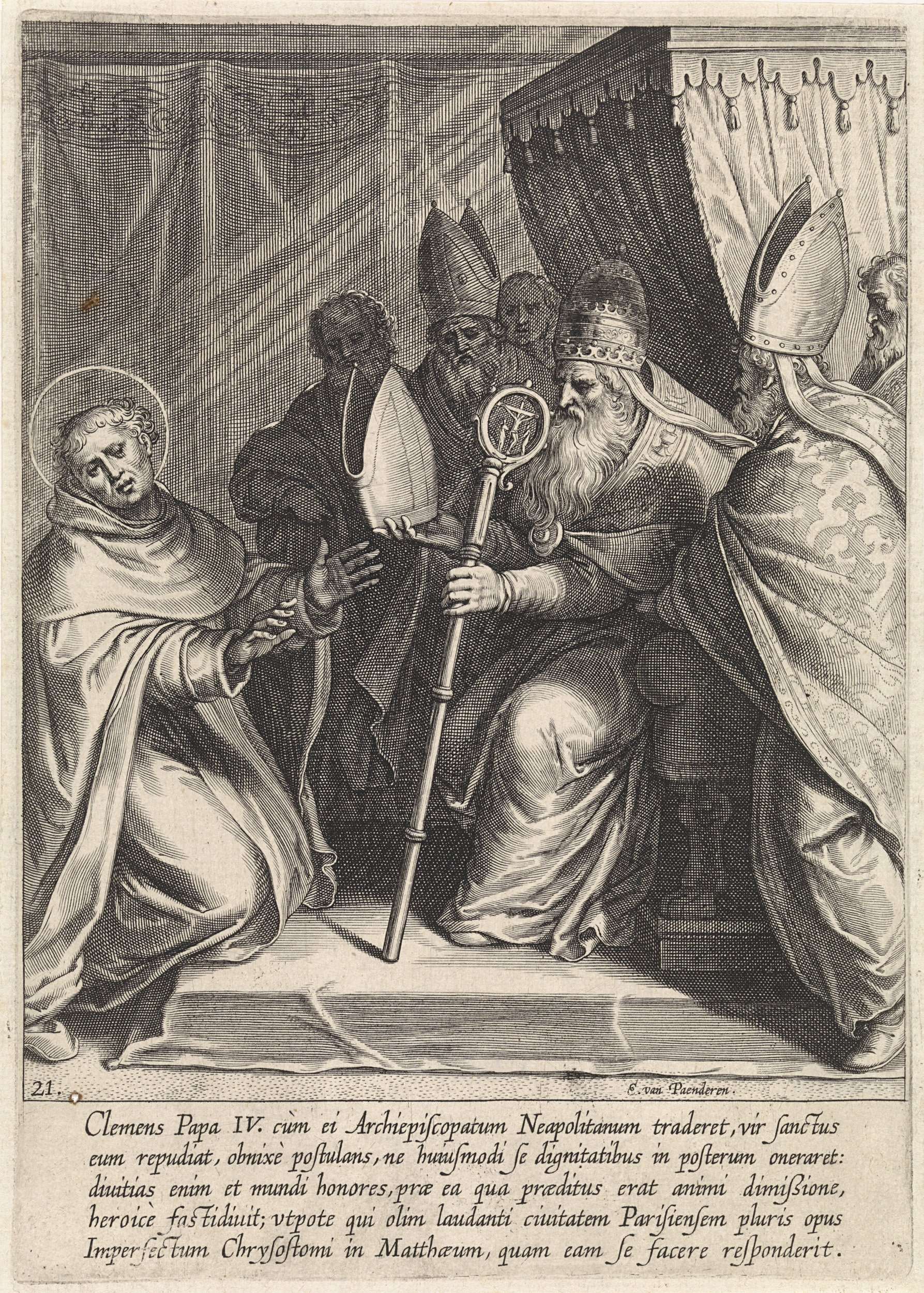
Thomas Aquinas Refuses the Archbishopric of Naples
1610
 Painting
Secondary source
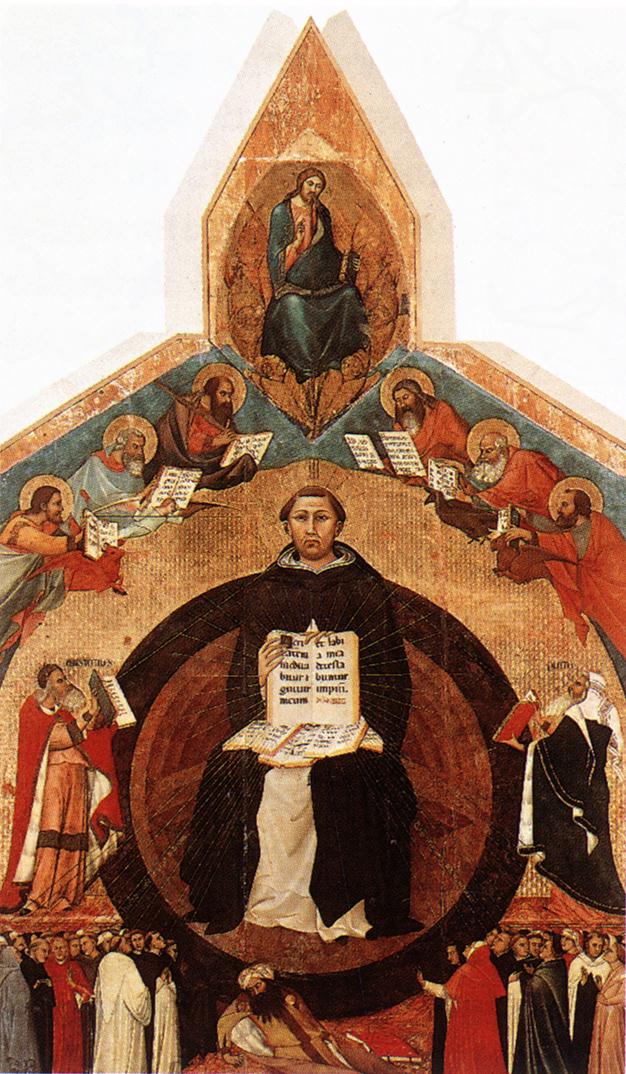
Triumph of Saint Thomas Aquinas
Lippo Memmi · 1340
Ready when you are
Start chatting with Saint Thomas Aquinas now.
20 messages free · No credit card · Available in 50+ languages.