


Secondary sourcePaintingc. 1791
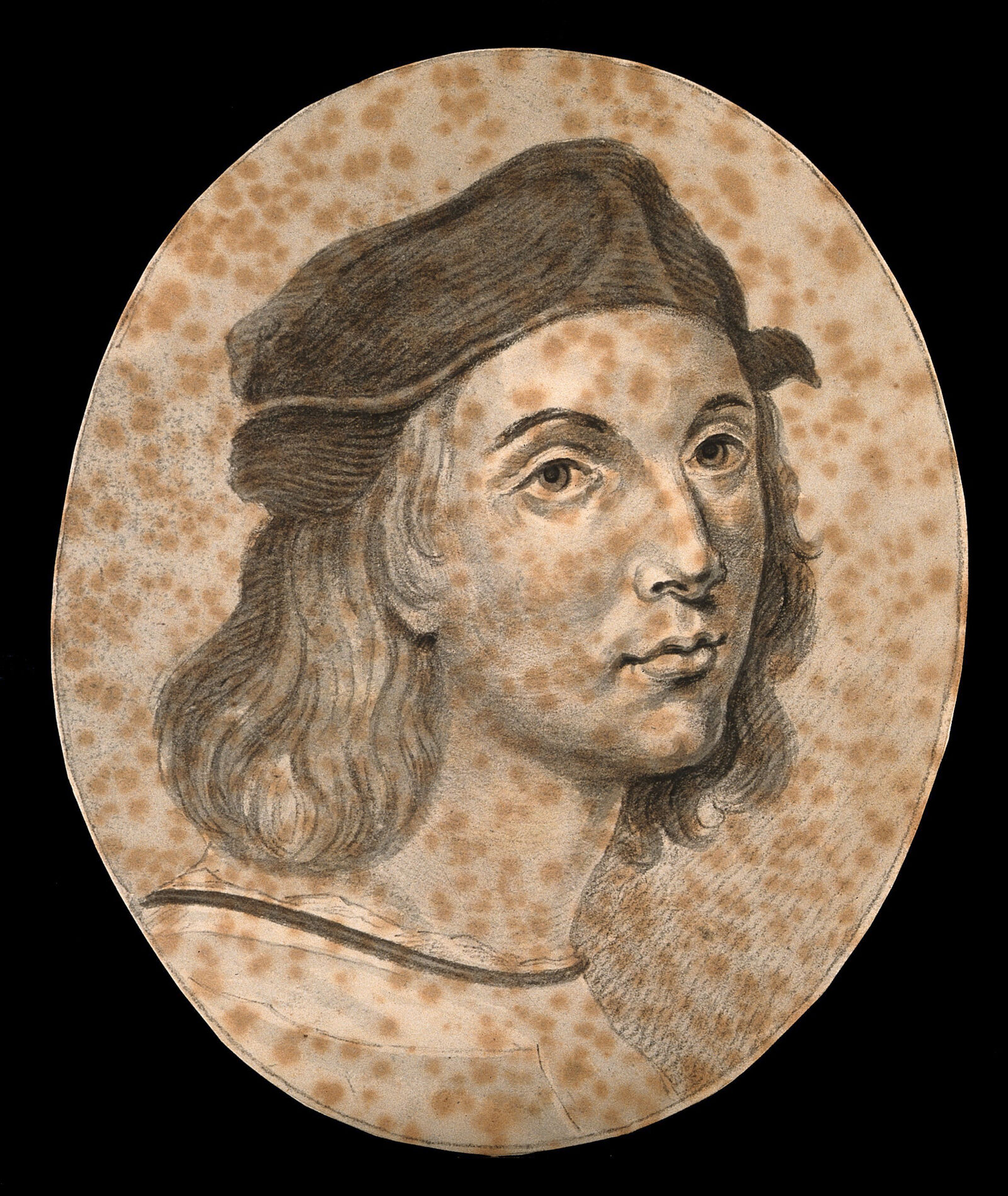
Lavater's Physiognomic Drawing of Raphael
Johann Kaspar Lavater · c. 1791
An 18th-century drawing of Raphael's face made for Johann Kaspar Lavater's physiognomy studies, praising his features as superior.
A later physiognomic study of Raphael's face, used to argue that his genius showed in his features.
About this source
What it is
This is an oval pencil and chalk drawing of a man believed to be Raphael, made around 1791 by Johann Kaspar Lavater, a Swiss writer known for his studies of physiognomy (the idea that facial features reveal character). It is held today by the Wellcome Collection in London.
Why it matters
Lavater used portraits of famous men like Raphael to argue that genius could be read in the shape of a face. In his notes, Lavater wrote that Raphael's "beautiful figure" was as superior to ordinary people as his art was to other artists. This shows how, centuries after his death, Raphael was treated as an ideal of artistic genius, and how people once tried to link appearance to talent — a theory not accepted today.
Look closer
- What expression does the face in the drawing have, and why might Lavater have chosen it?
- Why do you think Lavater used an artist's portrait to support his theory?
- What does this tell us about how later generations viewed Raphael, rather than about Raphael himself?
This painting is part of the curated material that grounds the AI version of Raphael on Humy.ai — when students ask about related events, the AI can quote it and cite it.
More Raphael sources
Meet the AI Raphael →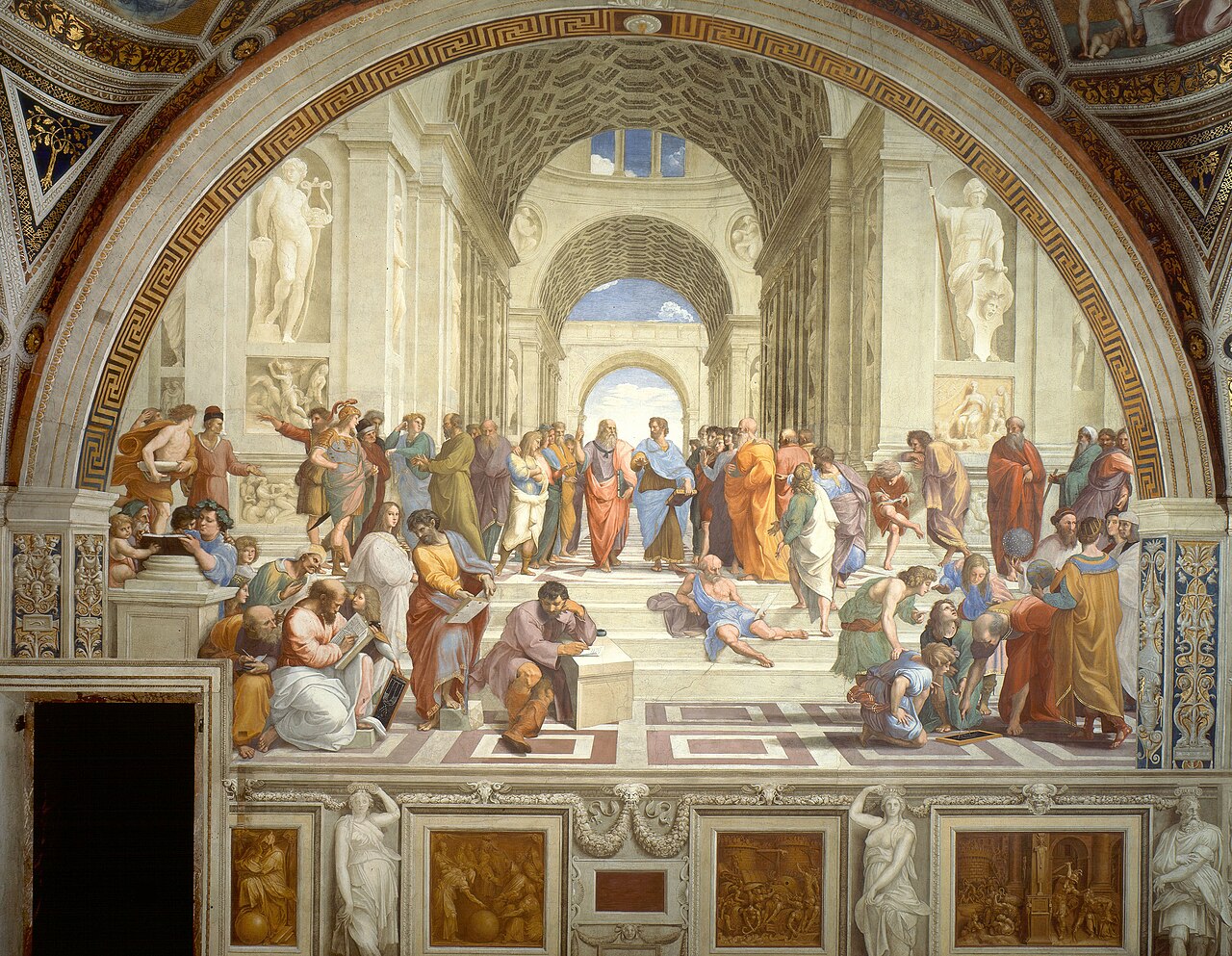 Painting
Secondary source
The School of Athens
Raphael · 1509-1511
 Painting
Secondary source
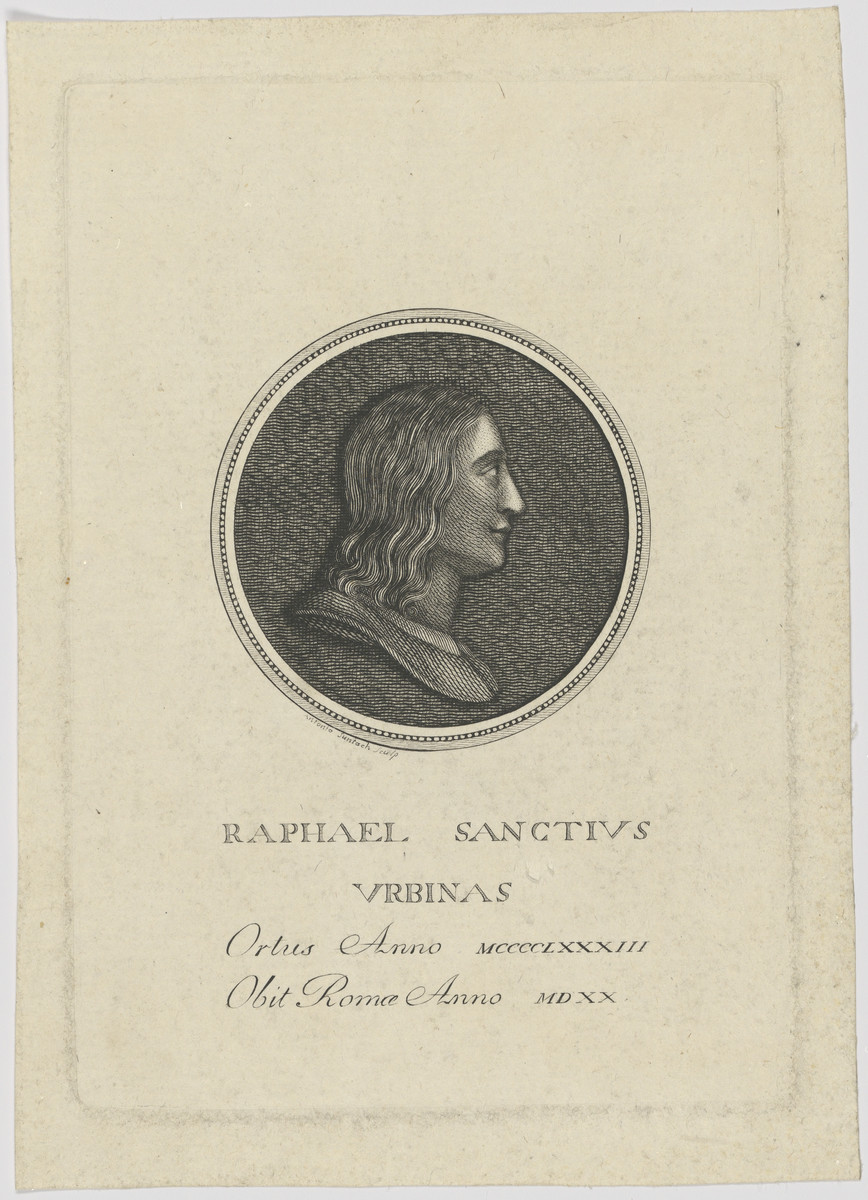
Portrait of Raphael Sanctive
Antonio Suntach
 Painting
Secondary source
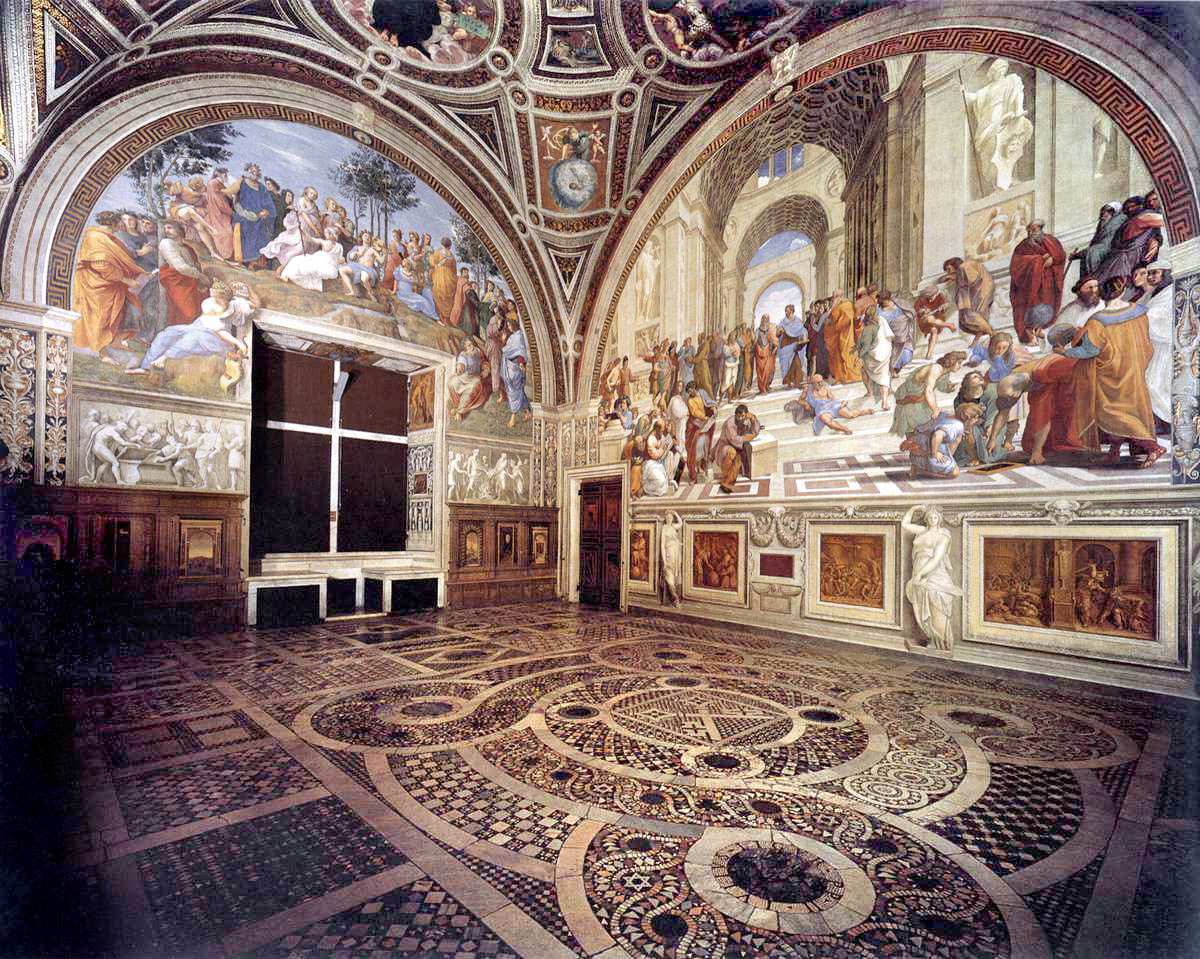
Raphael Rooms: Sala di Costantino
Raphael · 1508-1524
 Photograph
Secondary source
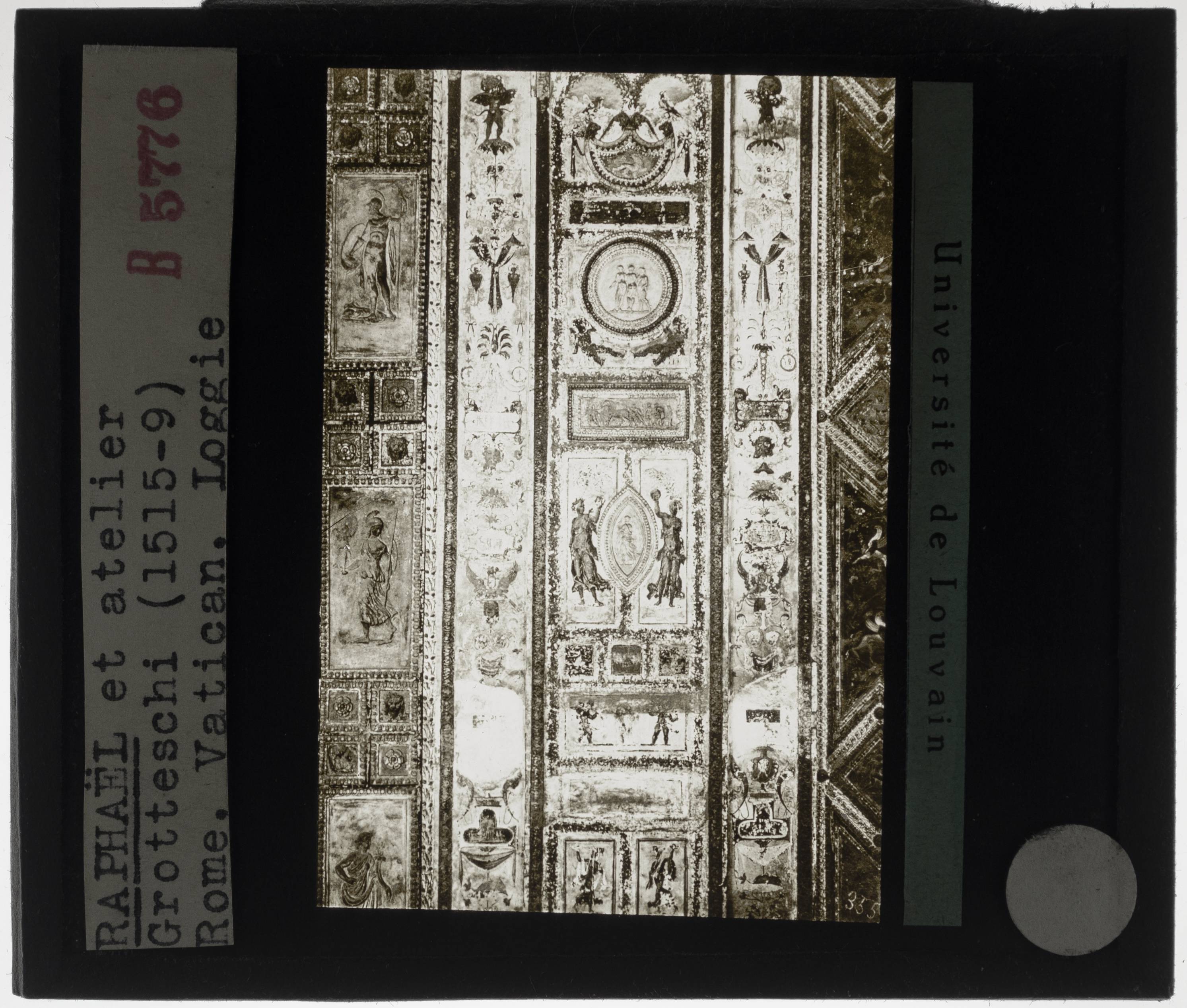
Glass Slide of Raphael's Grotesques in the Vatican
Raphael · 1518-1519 (fresco); slide made 1839-1939
 Painting
Primary source
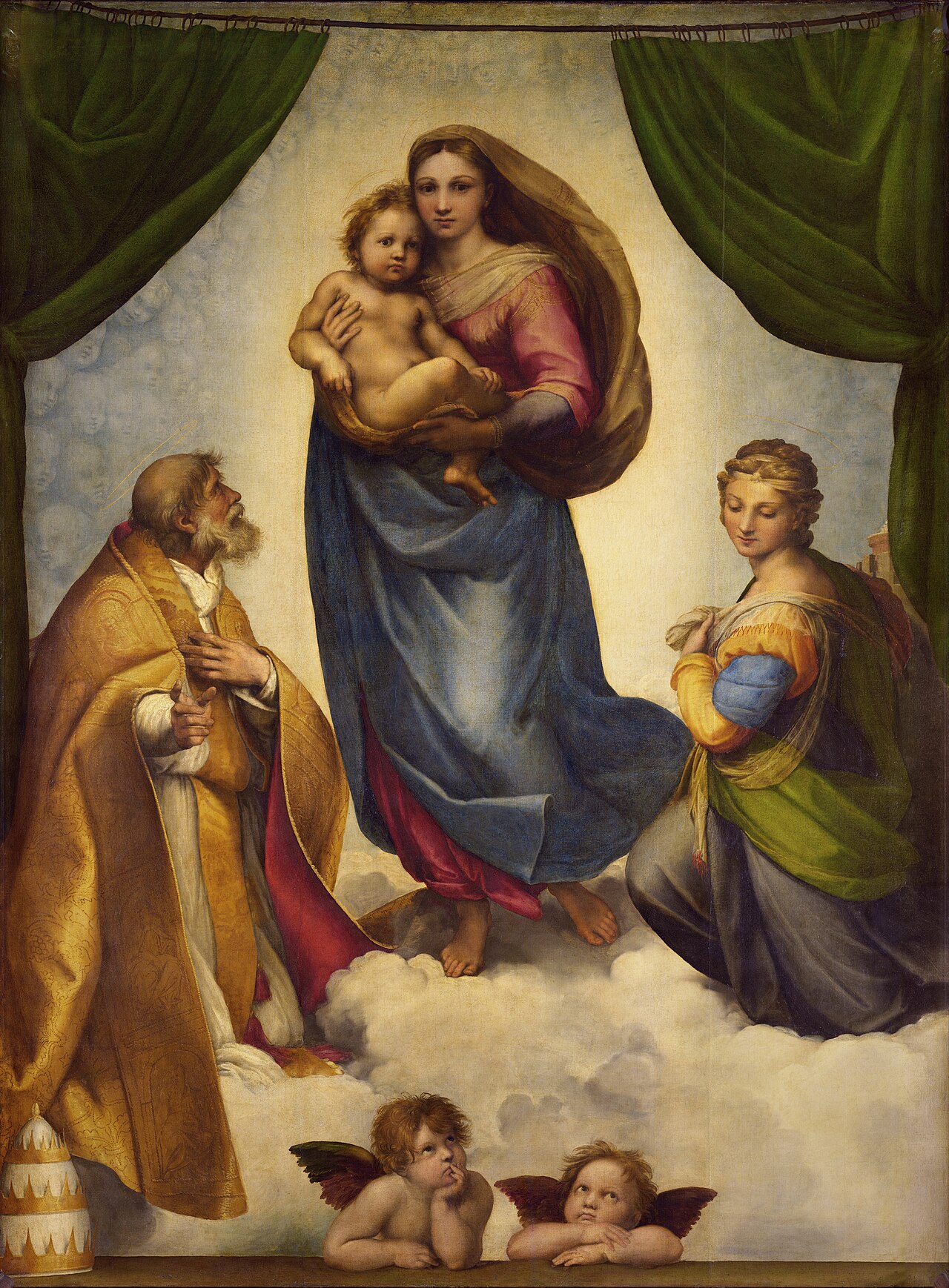
Sistine Madonna
Raphael · c. 1513-1514
Ready when you are
Start chatting with Raphael now.
20 messages free · No credit card · Available in 50+ languages.