


Secondary sourceSculpture19th century
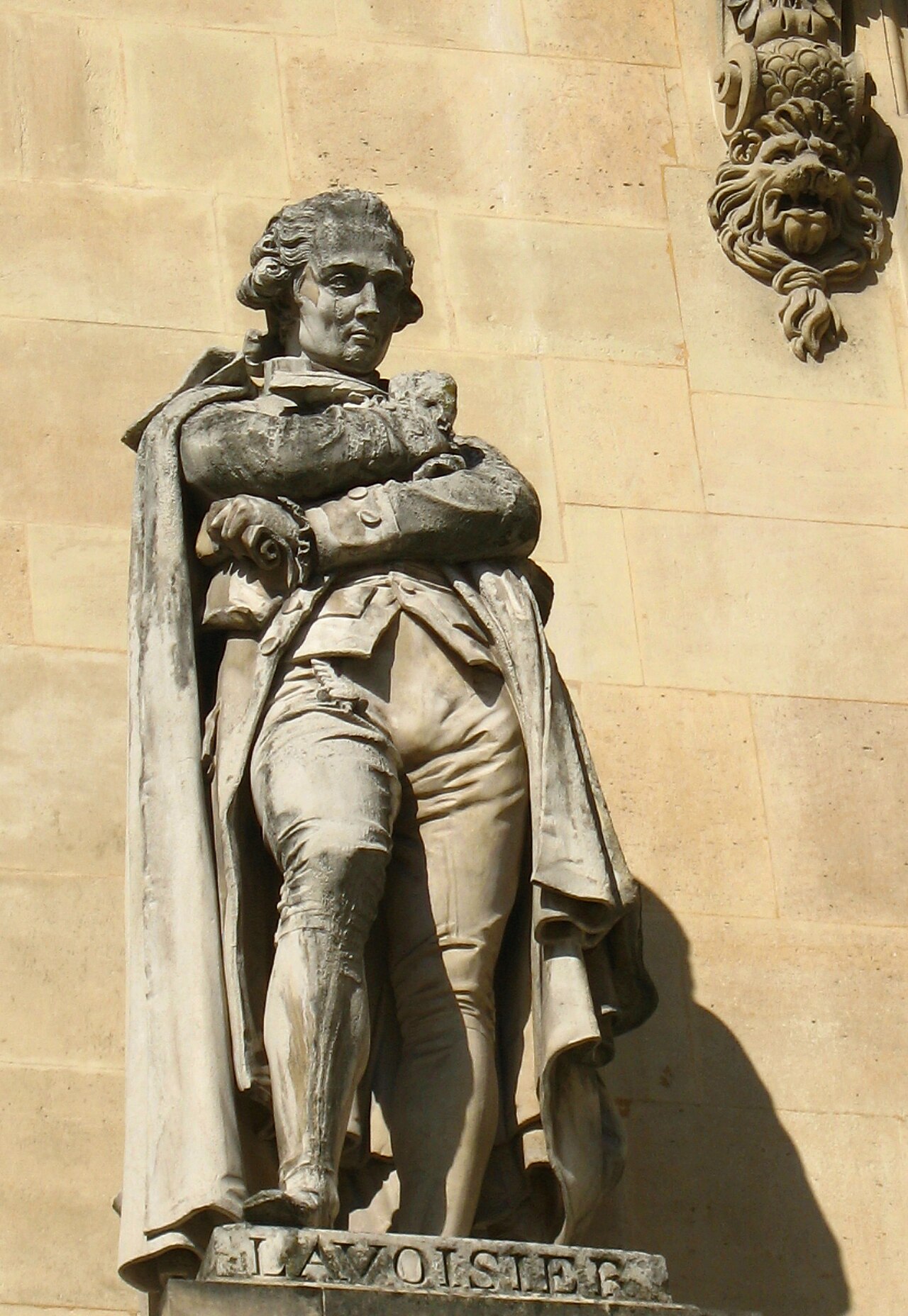
Lavoisier statue in the Louvre Cour Napoléon
Antonin Idrac · 19th century
A stone statue of Lavoisier standing at the Louvre in Paris, made in the 19th century by Antonin Idrac. It commemorates him rather than showing his own time.
Shows how Lavoisier is commemorated in Paris, a later memorial rather than a record of his own time.
About this source
What it is
This is a stone statue of a standing man in 18th-century dress, with a long cloak and arms folded across his chest. It stands on a plinth inscribed LAVOISIER, in front of a pale stone building wall with a carved lion mask above. The statue was made by Antonin Idrac in the 19th century and is located at the Louvre in Paris.
As a later memorial, it shows how Lavoisier was honoured after his death, not how he looked or lived.
Why it matters
Memorial statues were placed in public places to remind citizens of the people they honoured. Lavoisier was a French chemist, and this statue shows that by the 19th century he had a public reputation worth commemorating in a major Paris institution. It tells us about the values of the people who chose to honour him.
Look closer
- How does the artist show Lavoisier's status through his clothing, posture and the setting?
- Why might a memorial in a royal palace building have been chosen for a chemist?
- What parts of Lavoisier's life or work does the statue leave out?
This sculpture is part of the curated material that grounds the AI version of Antoine Lavoisier on Humy.ai — when students ask about related events, the AI can quote it and cite it.
More Antoine Lavoisier sources
Meet the AI Antoine Lavoisier →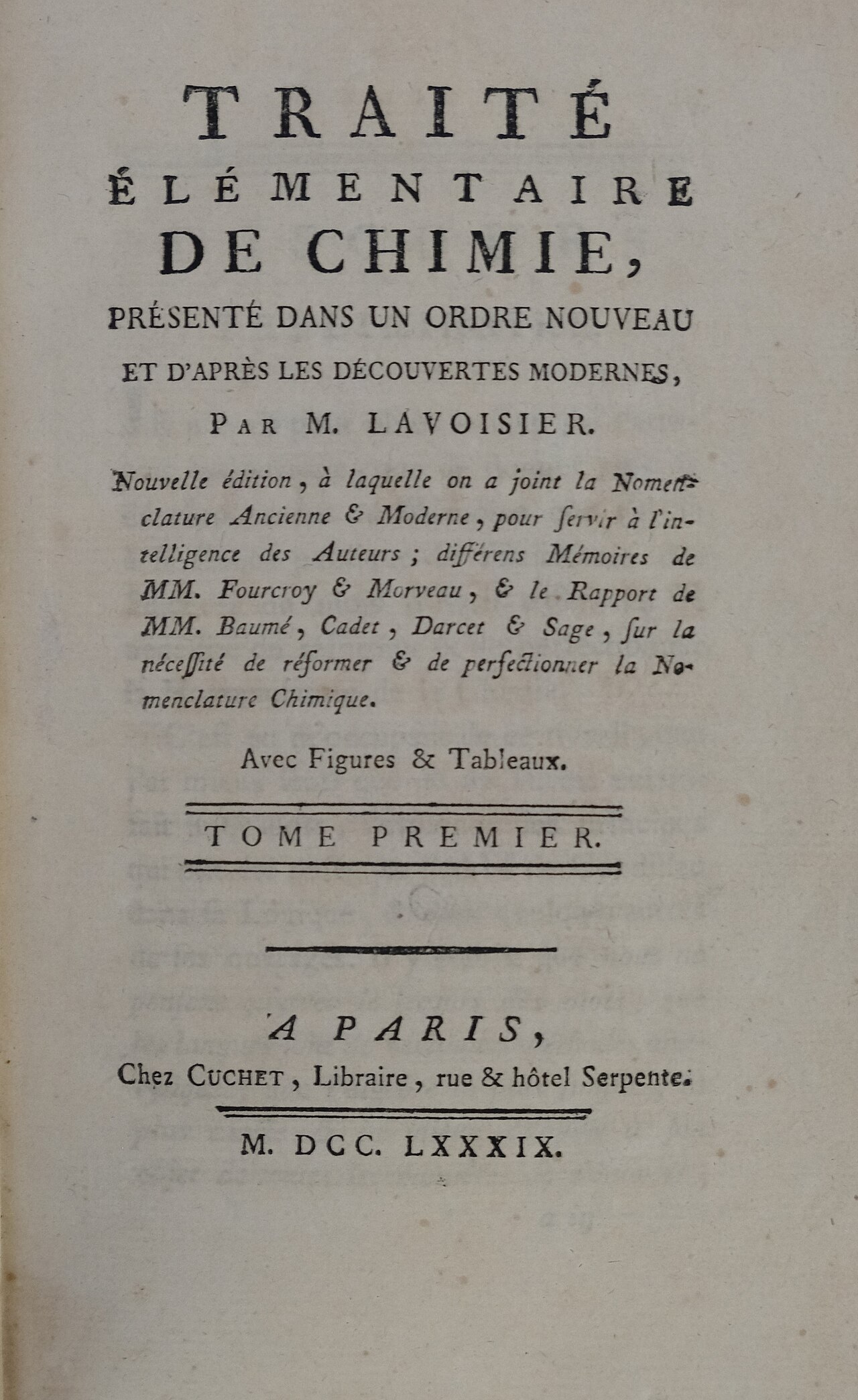 Book
Primary source
Traité Élémentaire de Chimie
Antoine Lavoisier · 1789
 Painting
Primary source
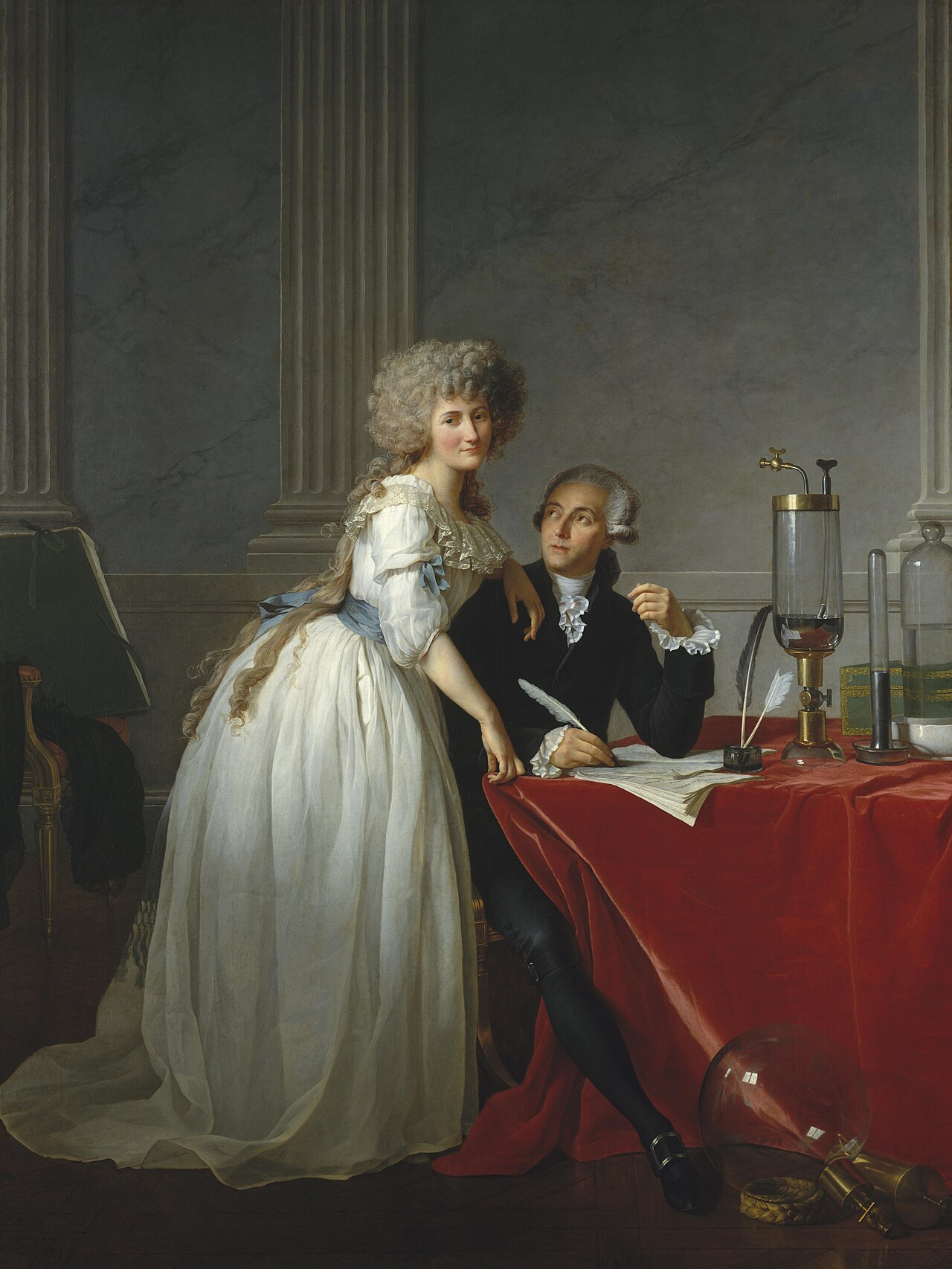
Portrait of Antoine-Laurent Lavoisier and his wife
Jacques-Louis David · 1788
 Book
Primary source
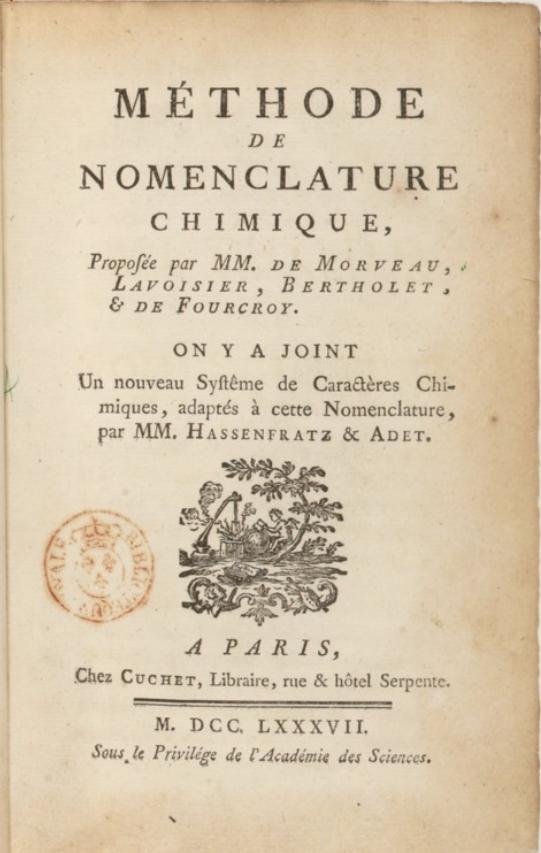
Méthode de nomenclature chimique
Antoine Lavoisier, Louis-Bernard Guyton de Morveau, Claude-Louis Berthollet, Antoine François de Fourcroy · 1787
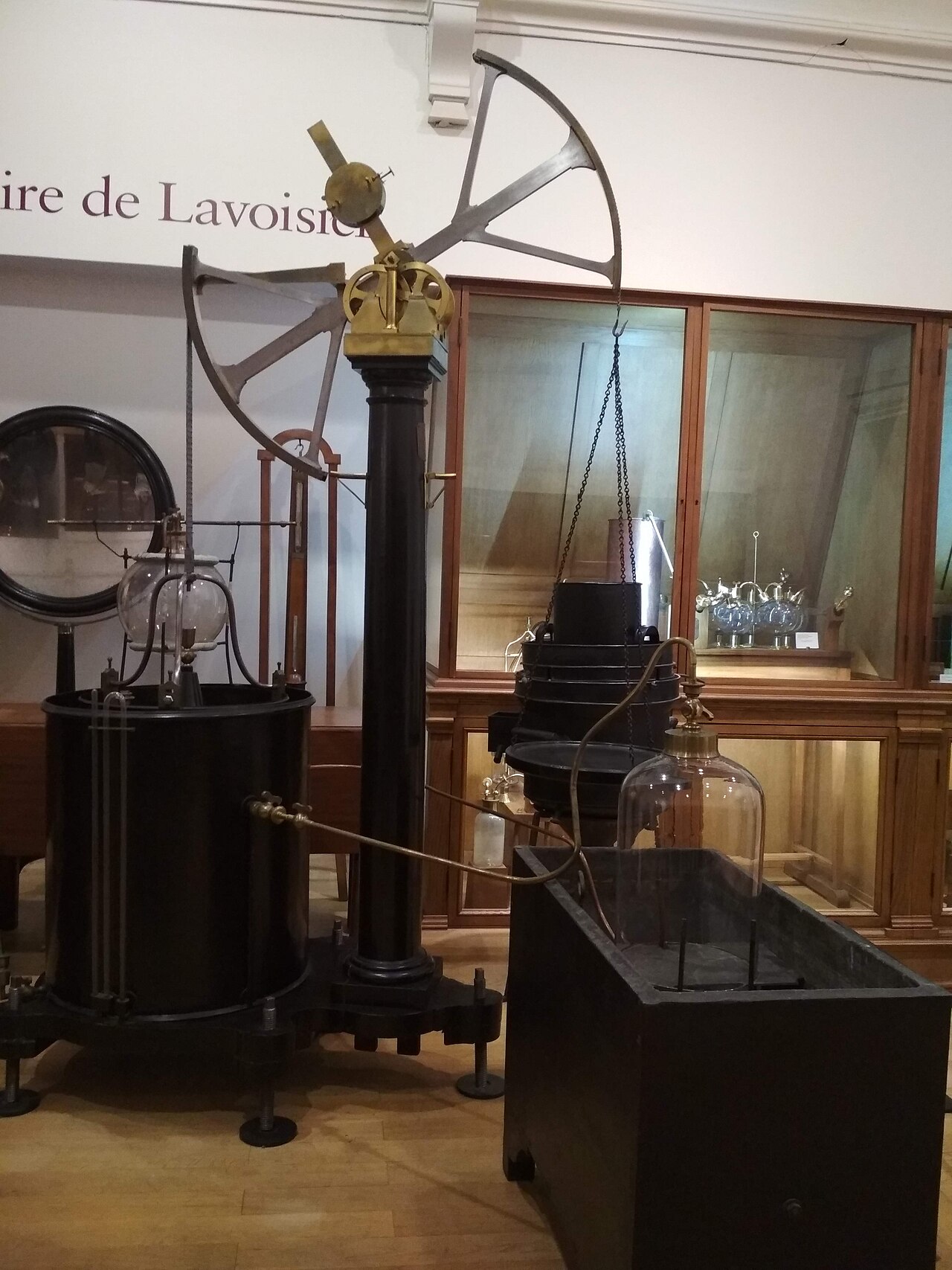 Artifact
Primary source
Lavoisier's ice calorimeter
Antoine Lavoisier and Pierre-Simon Laplace · c. 1782-1783
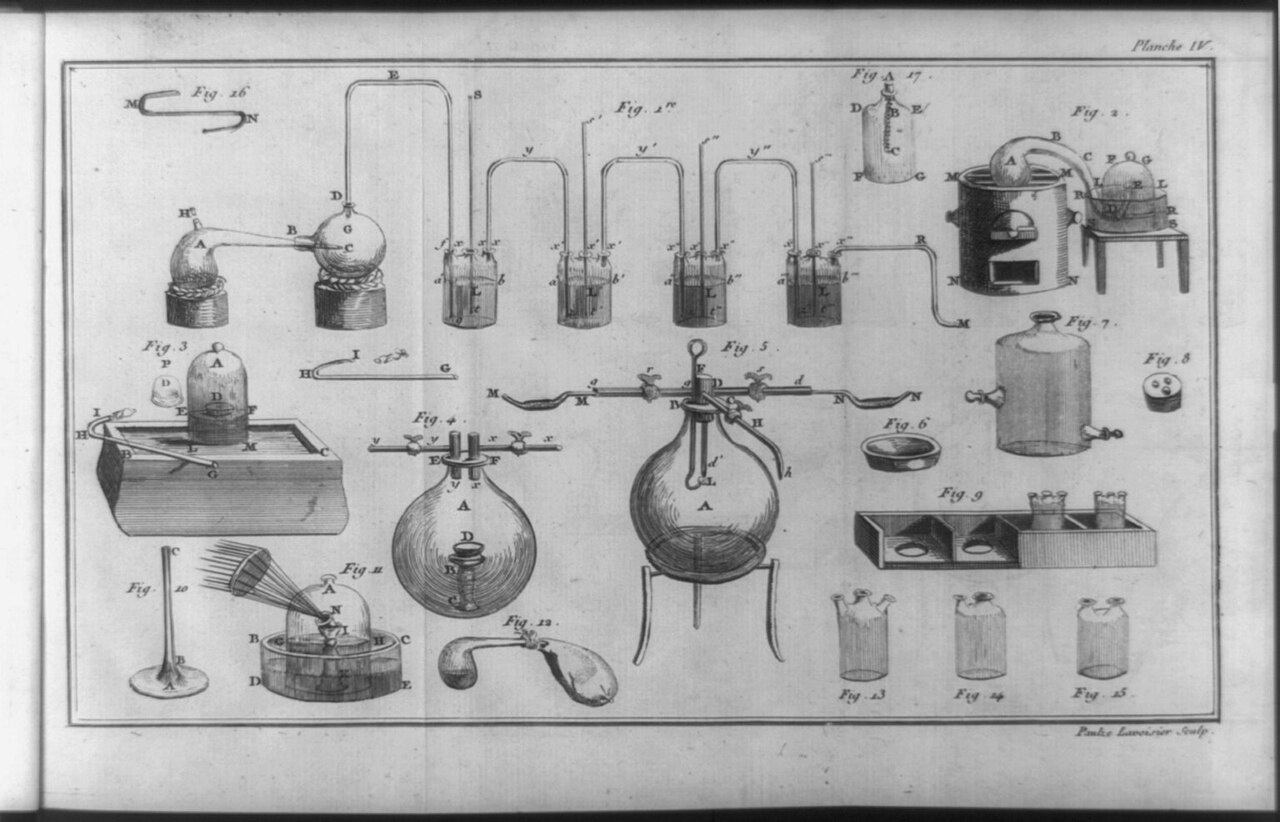 Artifact
Primary source
Scientific Apparatus Used by Lavoisier in Studying Chemical Reactions
Marie-Anne Paulze Lavoisier
Ready when you are
Start chatting with Antoine Lavoisier now.
20 messages free · No credit card · Available in 50+ languages.