


Primary sourceBook1862
Les Misérables
Victor Hugo · 1862
Victor Hugo's 1862 epic novel of poverty, justice and redemption, written largely during his exile and reflecting his social convictions.
Hugo wrote this novel, drawing on his own observations and convictions about poverty and justice.
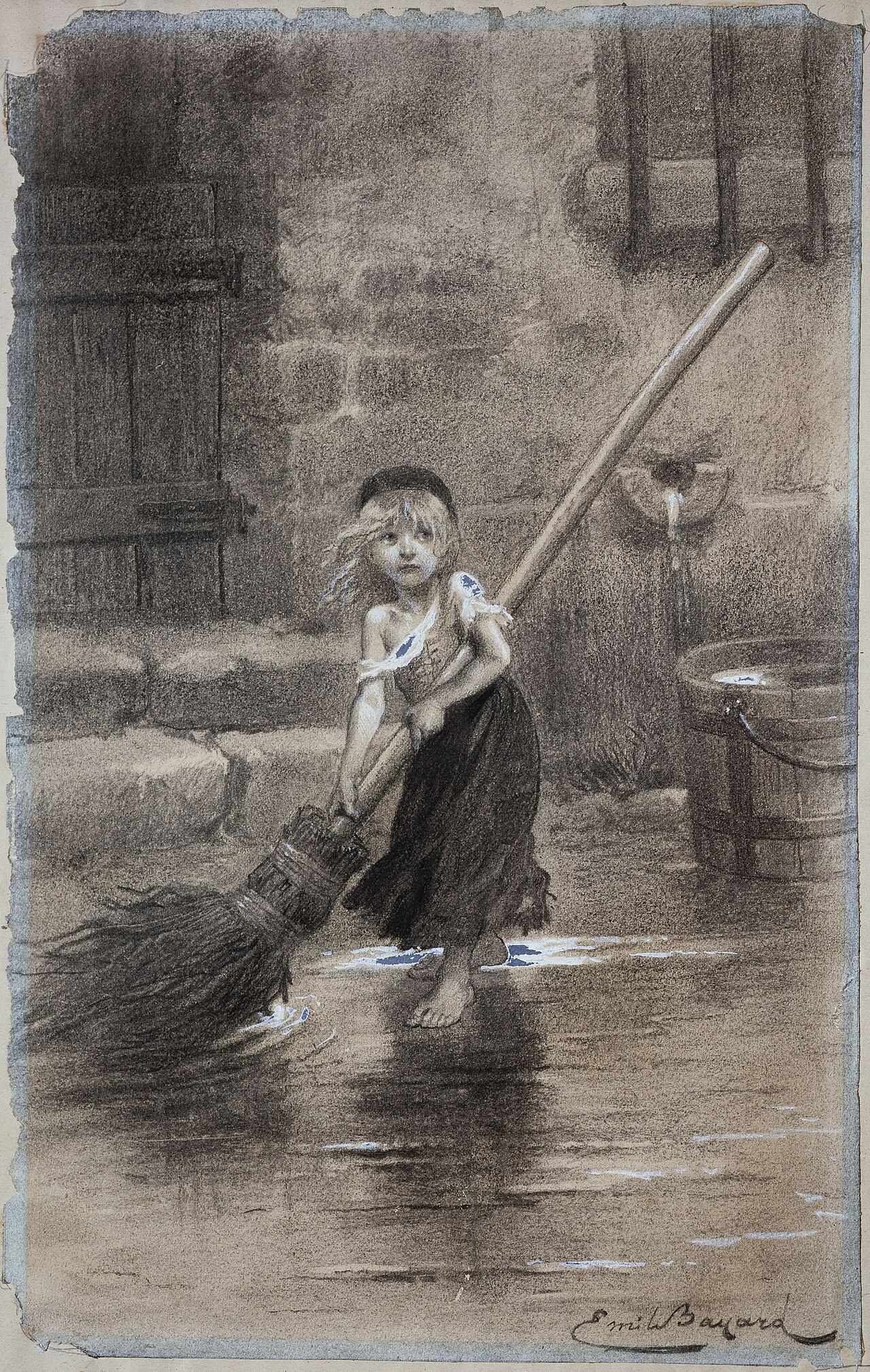
About this source
What it is
Les Misérables is a long French novel written by Victor Hugo and first published in 1862. It follows the ex-convict Jean Valjean and other characters through decades of French history, much of it written while Hugo lived in exile.
Why it matters
The novel grew from things Hugo actually witnessed: an arrest for stealing bread, the life of a reformed criminal named Vidocq, and his own memories of Paris uprisings. It shows how he turned personal observation into a sweeping argument about law, poverty and grace, and it remains one of the most influential novels of its century.
Look closer
- Why might Hugo have chosen a thief, a poor woman, and a street child as his central characters?
- How does knowing Hugo witnessed real arrests change how you read the story?
- What does the preface suggest Hugo wanted the novel to achieve in society?
This book is part of the curated material that grounds the AI version of Victor Hugo on Humy.ai — when students ask about related events, the AI can quote it and cite it.
More Victor Hugo sources
Browse all 93 →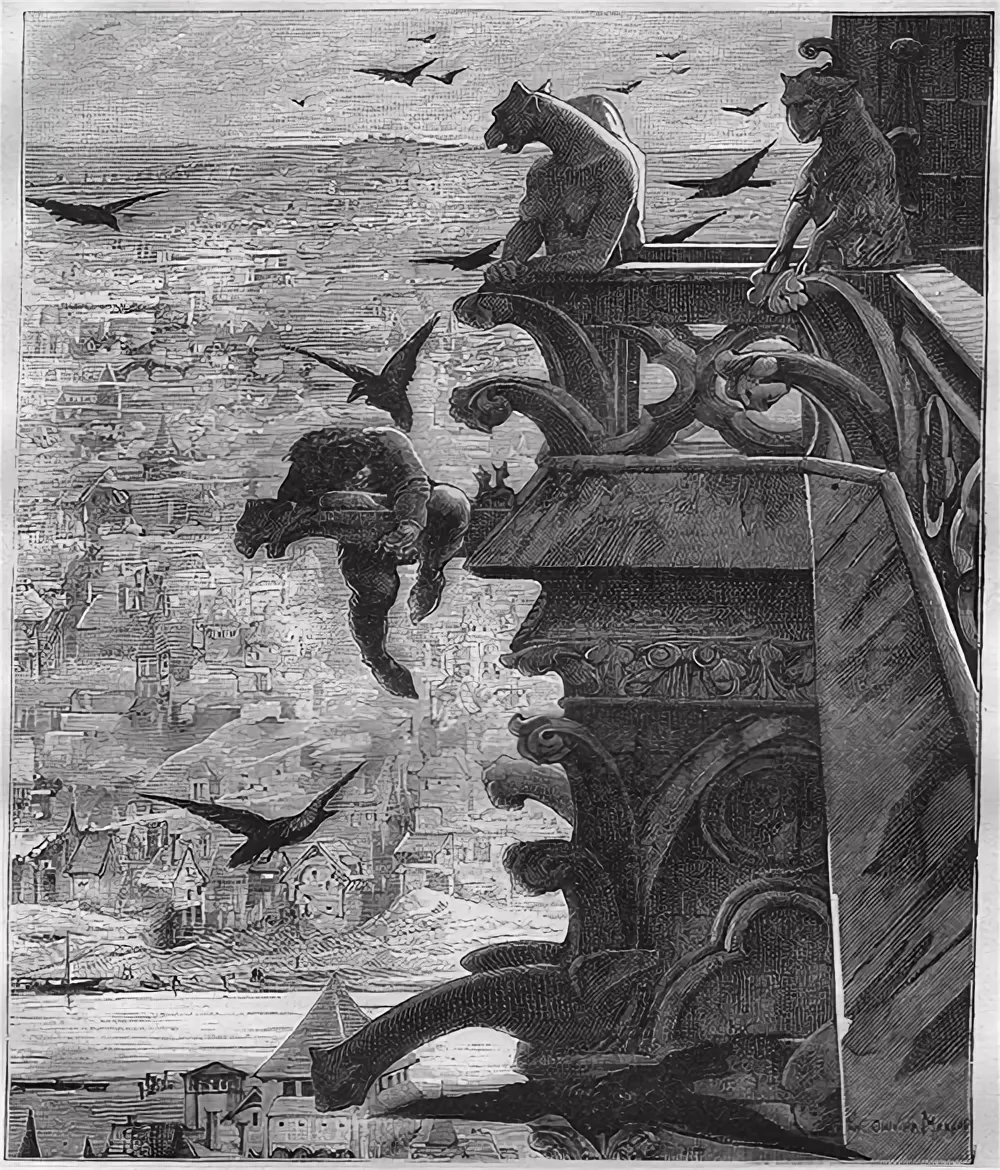 Book
Primary source
The Hunchback of Notre Dame
Victor Hugo · 1831
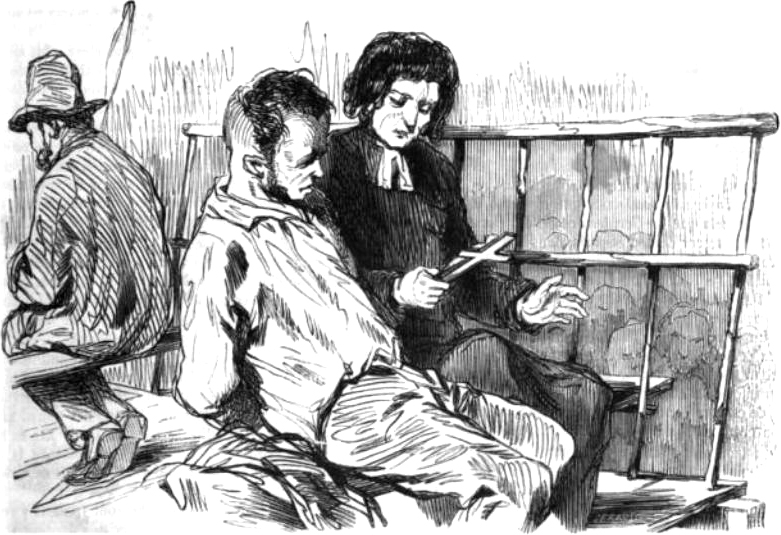 Book
Primary source
The Last Day of a Condemned Man
Victor Hugo · 1829
 Book
Primary source
Les Contemplations
Victor Hugo · 1856
Primary source
Hernani
Victor Hugo · 25 February 1830
Free account
Read every Victor Hugo source
Sign up free →
Ready when you are
Start chatting with Victor Hugo now.
20 messages free · No credit card · Available in 50+ languages.