


Primary sourceBook1831
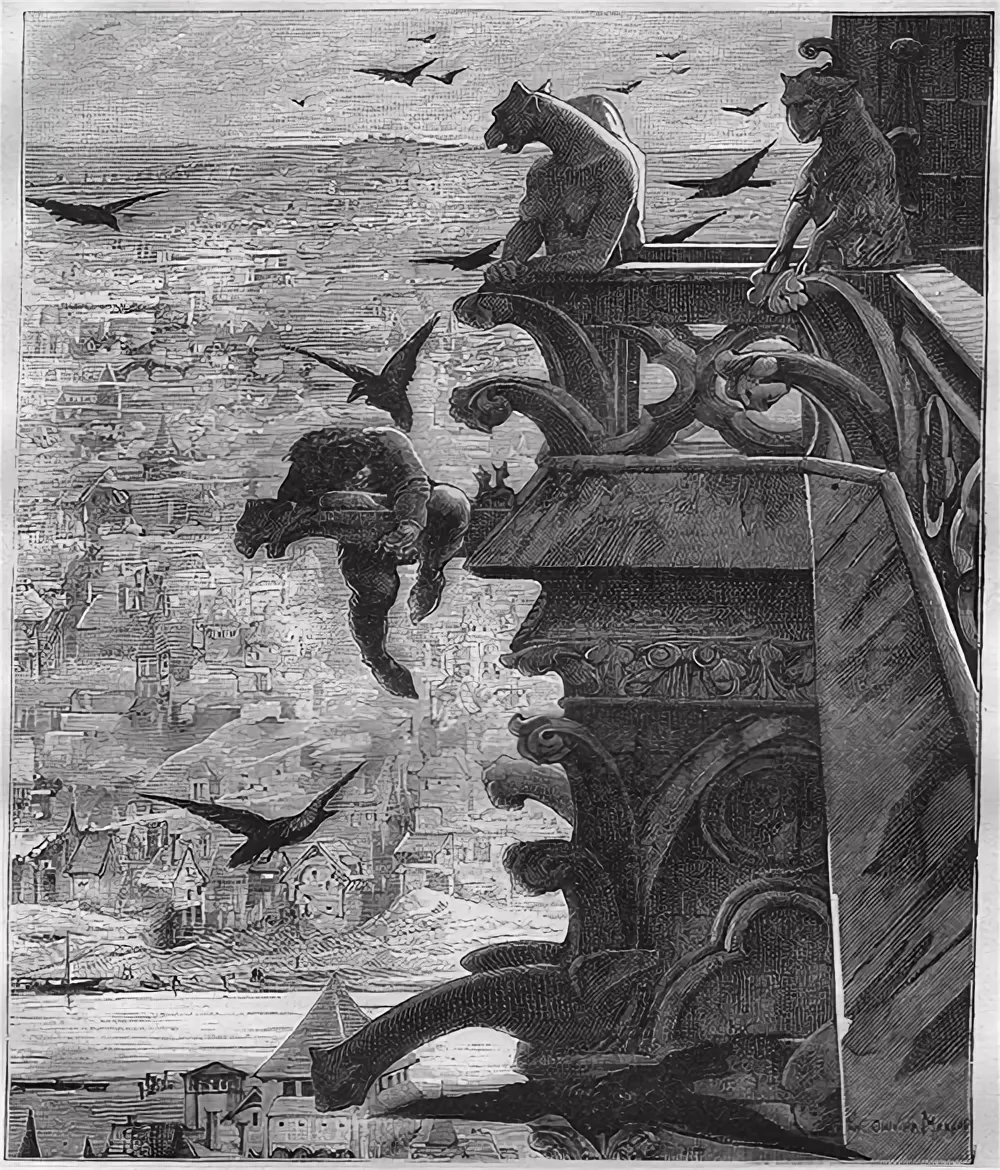
The Hunchback of Notre Dame
Victor Hugo · 1831
Hugo's 1831 Gothic novel set around Notre-Dame Cathedral, which made him famous and sparked a movement to preserve Gothic architecture.
This novel, written by Hugo, made him famous and reflects his campaign to preserve France's Gothic heritage.
Free Humy account · No credit card · 120,912 sources to read
About this source
What it is
Notre-Dame de Paris, known in English as The Hunchback of Notre-Dame, is a novel written by Victor Hugo and published in 1831. It is set in 15th-century Paris and centers on the cathedral's bell-ringer Quasimodo, the dancer Esmeralda, and the archdeacon Claude Frollo.
Why it matters
Hugo wrote the book partly to protest the neglect and destruction of medieval buildings in France, having already published an essay against the demolishers of old architecture. The novel's success helped turn Notre-Dame Cathedral into a national symbol and encouraged its later restoration.
Look closer
- Why might a novel do more to save a building than an essay alone?
- What does Hugo's choice of marginalized characters, like a disabled bell-ringer and a Romani dancer, suggest about his sympathies?
- How might the title given by English translators change what readers expect from the story?
This book is part of the curated material that grounds the AI version of Victor Hugo on Humy.ai — when students ask about related events, the AI can quote it and cite it.
More Victor Hugo sources
Browse all 93 →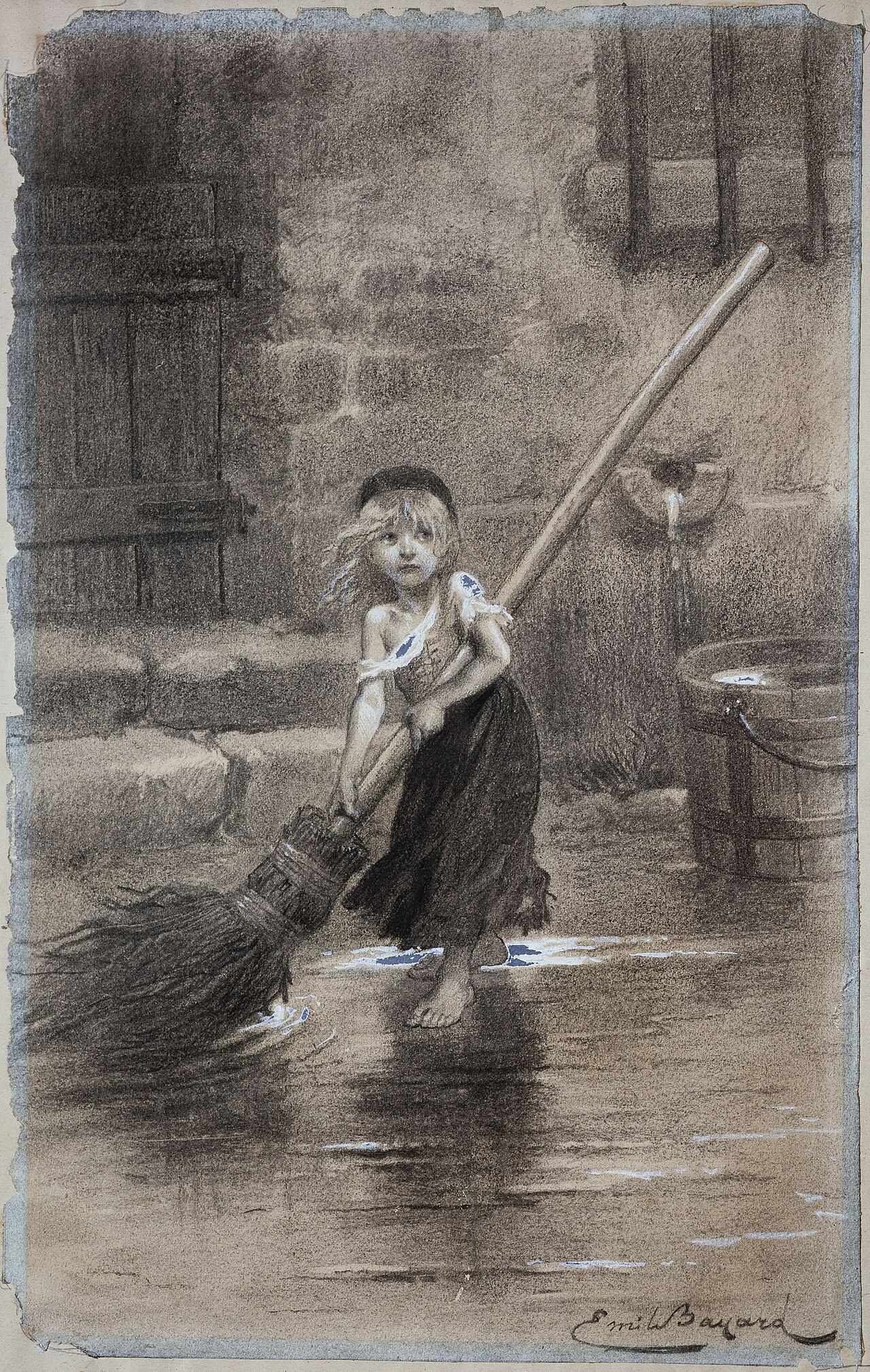 Book
Primary source
Les Misérables
Victor Hugo · 1862
 Book
Primary source
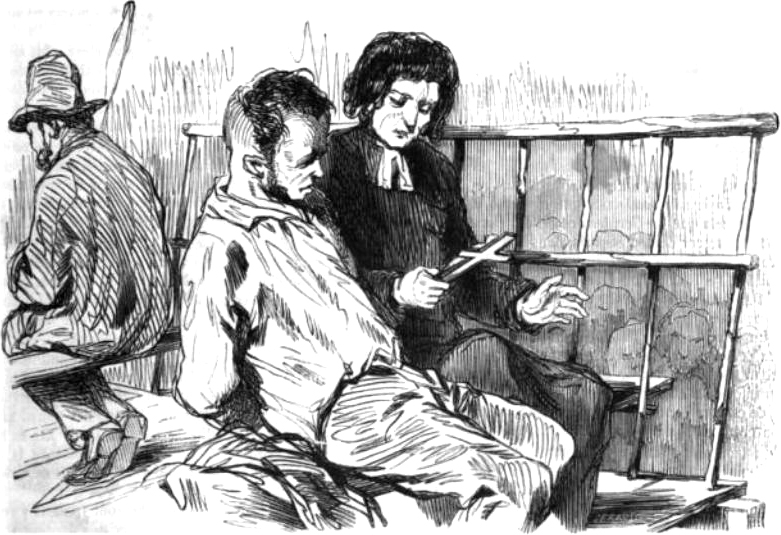
The Last Day of a Condemned Man
Victor Hugo · 1829
 Book
Primary source
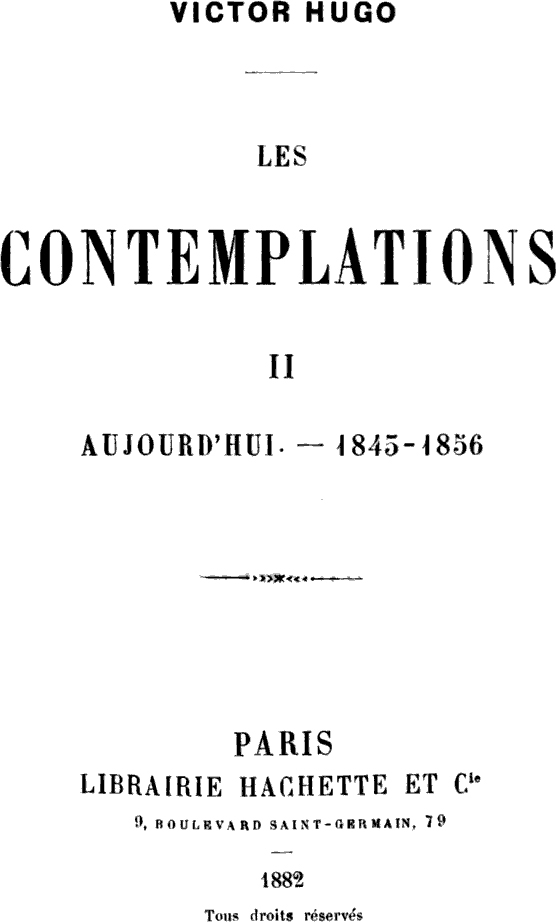
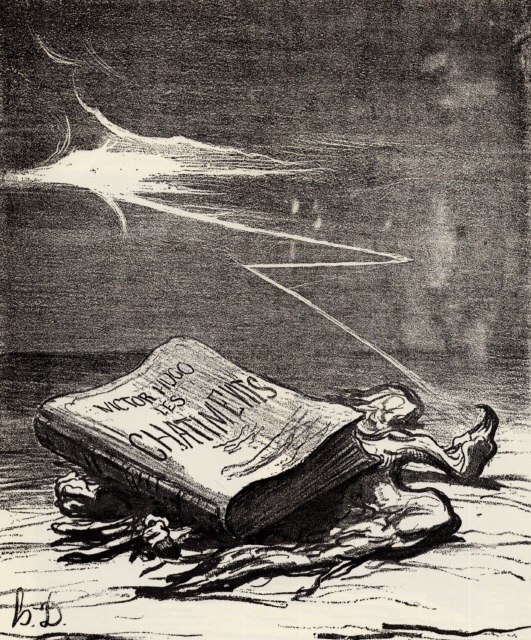
Les Contemplations
Victor Hugo · 1856
Primary source
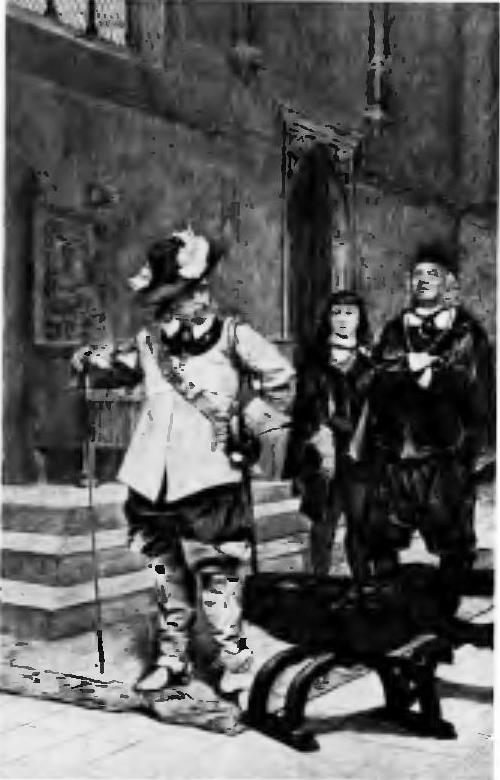
Hernani
Victor Hugo · 25 February 1830
Free account
Read every Victor Hugo source
Sign up free →
Ready when you are
Start chatting with Victor Hugo now.
20 messages free · No credit card · Available in 50+ languages.