


Primary sourceBook1829
The Last Day of a Condemned Man
Victor Hugo · 1829
Hugo's 1829 novella narrated by a man awaiting execution, written to argue against capital punishment.
Hugo wrote this novella to express his opposition to the death penalty, beginning his lifelong abolitionist campaign.
Free Humy account · No credit card · 120,912 sources to read
About this source
What it is
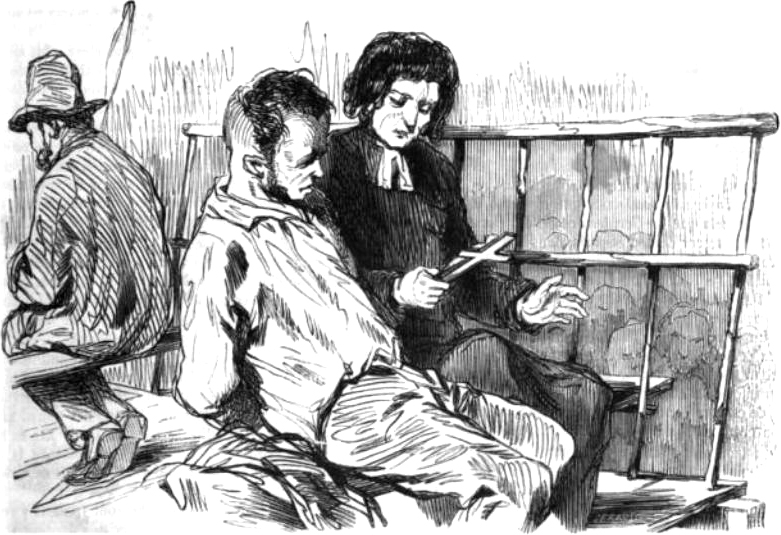
The Last Day of a Condemned Man is a short novel written by Victor Hugo, first published in 1829. It is told in the voice of a man condemned to death by guillotine, recording his thoughts as his execution approaches.
Why it matters
Hugo wrote it after repeatedly witnessing executions and being troubled that society punished killing by killing. The book became an early and influential argument for abolishing the death penalty, and it contains an early sketch of the bread-thief backstory Hugo later gave to Jean Valjean in Les Misérables. The writer Fyodor Dostoevsky, who had himself faced a mock execution, praised the book highly.
Look closer
- Why might Hugo have chosen to write from inside the condemned man's mind rather than as an outside observer?
- What is left out of the story — for example, the man's name or his crime — and why might Hugo have left it out?
- How does a fictional story try to change readers' minds about a real social issue?
This book is part of the curated material that grounds the AI version of Victor Hugo on Humy.ai — when students ask about related events, the AI can quote it and cite it.
More Victor Hugo sources
Browse all 93 →
Ready when you are
Start chatting with Victor Hugo now.
20 messages free · No credit card · Available in 50+ languages.