


Secondary sourceLetter1514 (copied later)
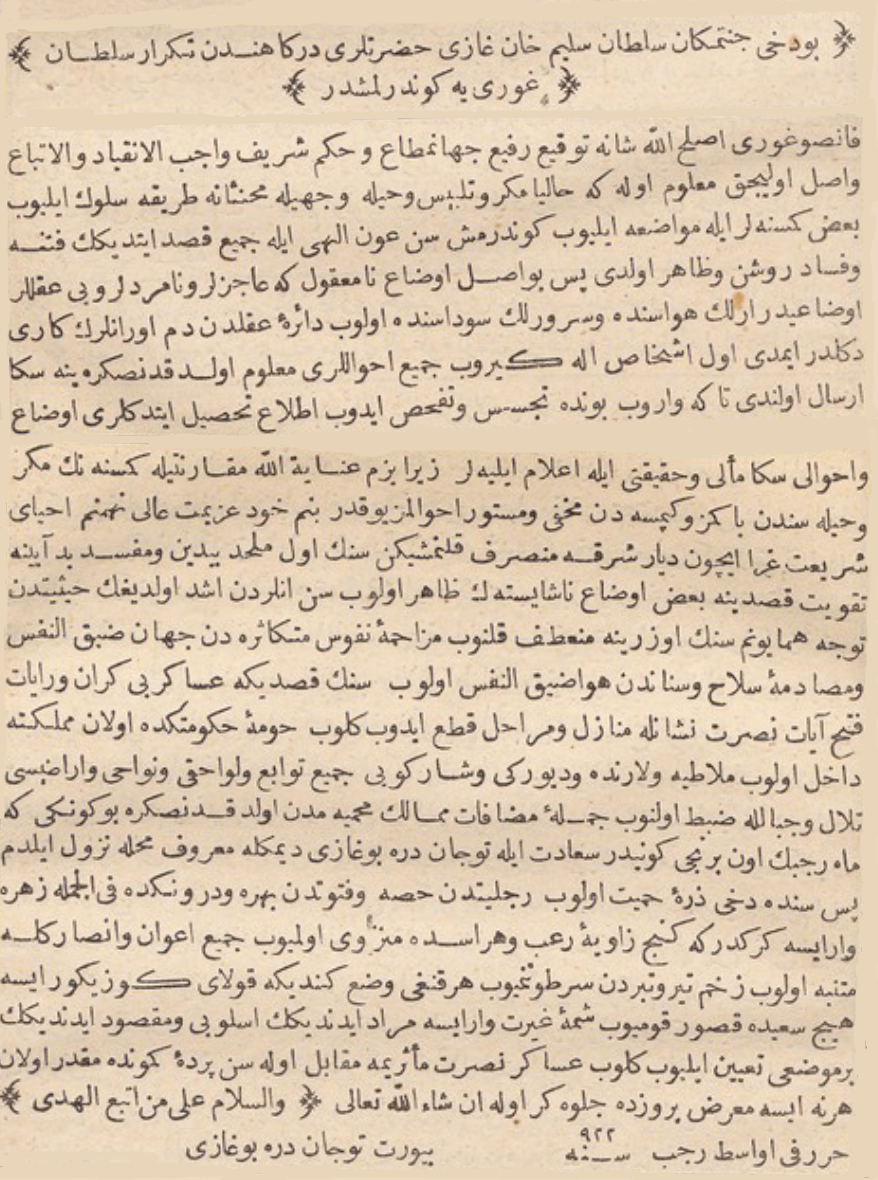
Letter of Sultan Selim to Shah Ismail
Selim I (copied by Feridun Ahmed Bey) · 1514 (copied later)
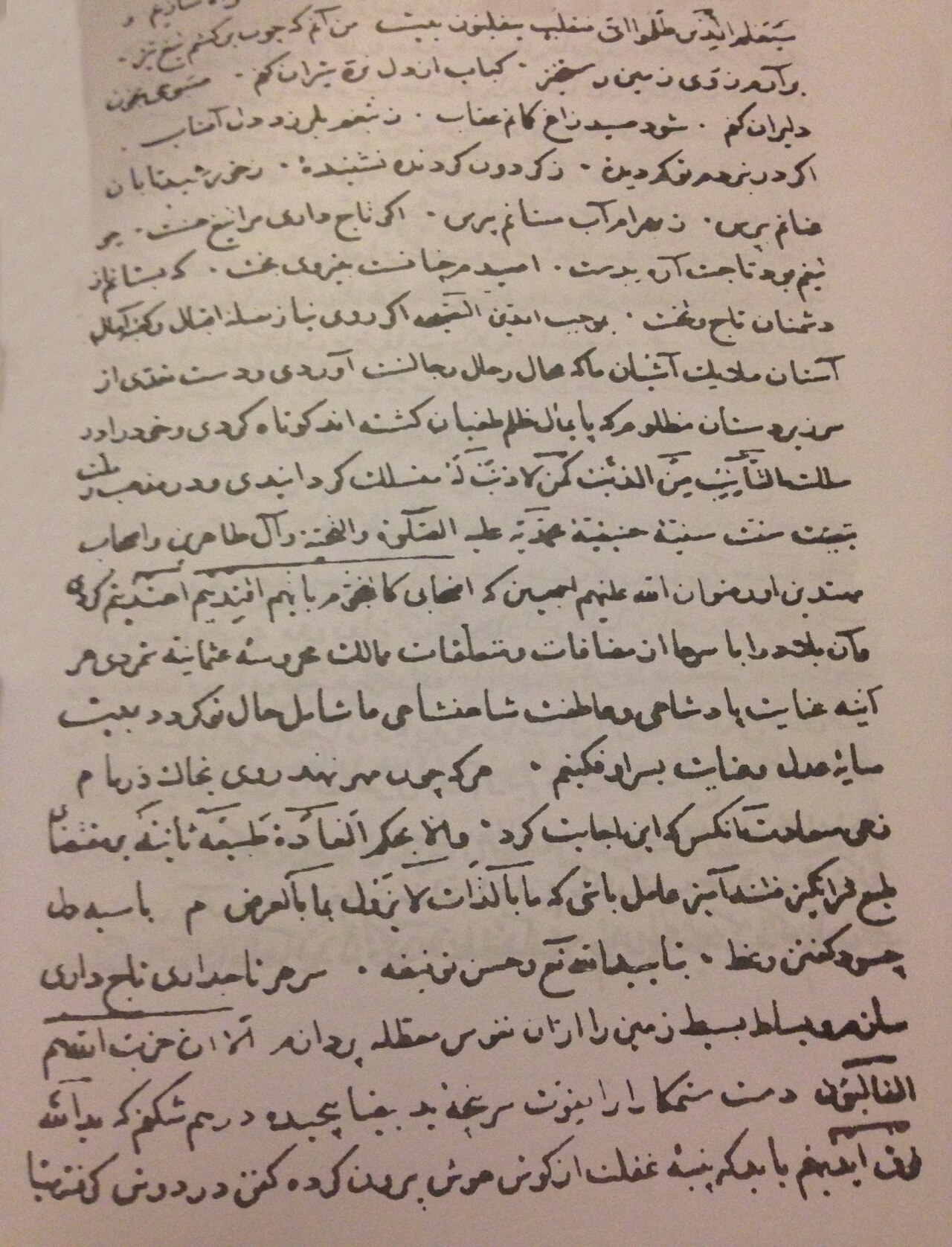
A copied letter from Selim I to the Safavid Shah Ismail, preserved in a chancery collection, showing how Selim justified his war against the Safavids in religious terms.
This letter was written by Selim himself, showing how he justified his war against the Safavids in religious terms.
About this source
What it is
This is a page from a copy of a letter written by Sultan Selim I to Shah Ismail, ruler of the rival Safavid state. The text survives because it was copied into a collection of official correspondence assembled by the scribe Feridun Ahmed Bey. It is written in Ottoman Turkish in the Arabic script.
Why it matters
Selim and Ismail were bitter rivals, and their exchange of letters before the 1514 war reveals how rulers used writing as a weapon, not just armies. Selim framed the conflict against the Safavids as a religious struggle, which helped justify the invasion to his own people. The letter shows the ideas and language Ottoman sultans used to claim legitimacy and condemn their enemies.
Look closer
- What tone does the writing seem to take, based on the curator's description of it as 'belligerent'?
- Why might a scribe collect and copy a ruler's letters rather than leave them as originals?
- What does this letter leave out about Shah Ismail's side of the conflict?
This letter is part of the curated material that grounds the AI version of Selim I on Humy.ai — when students ask about related events, the AI can quote it and cite it.
More Selim I sources
Browse all 96 →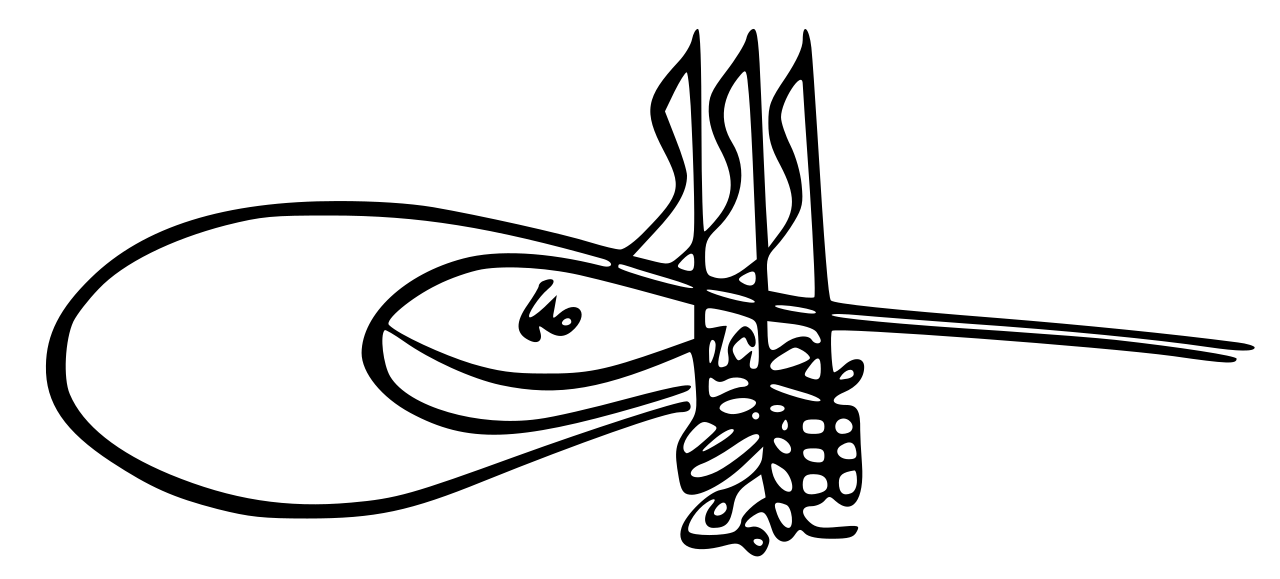 Document
Primary source
Tughra of Selim I
1512-1520
 Document
Primary source
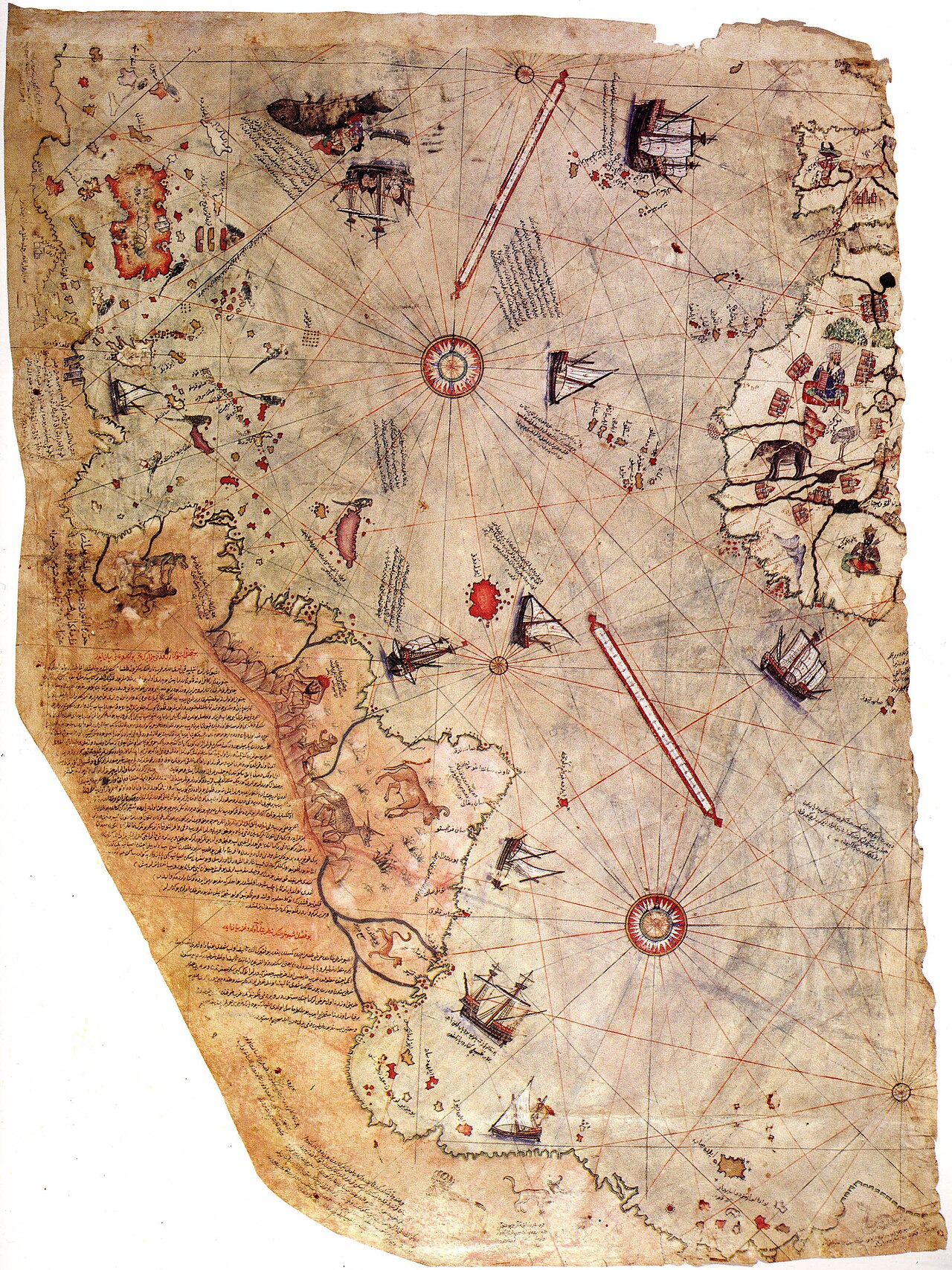
Piri Reis Map
Piri Reis · 1513
 Painting
Secondary source
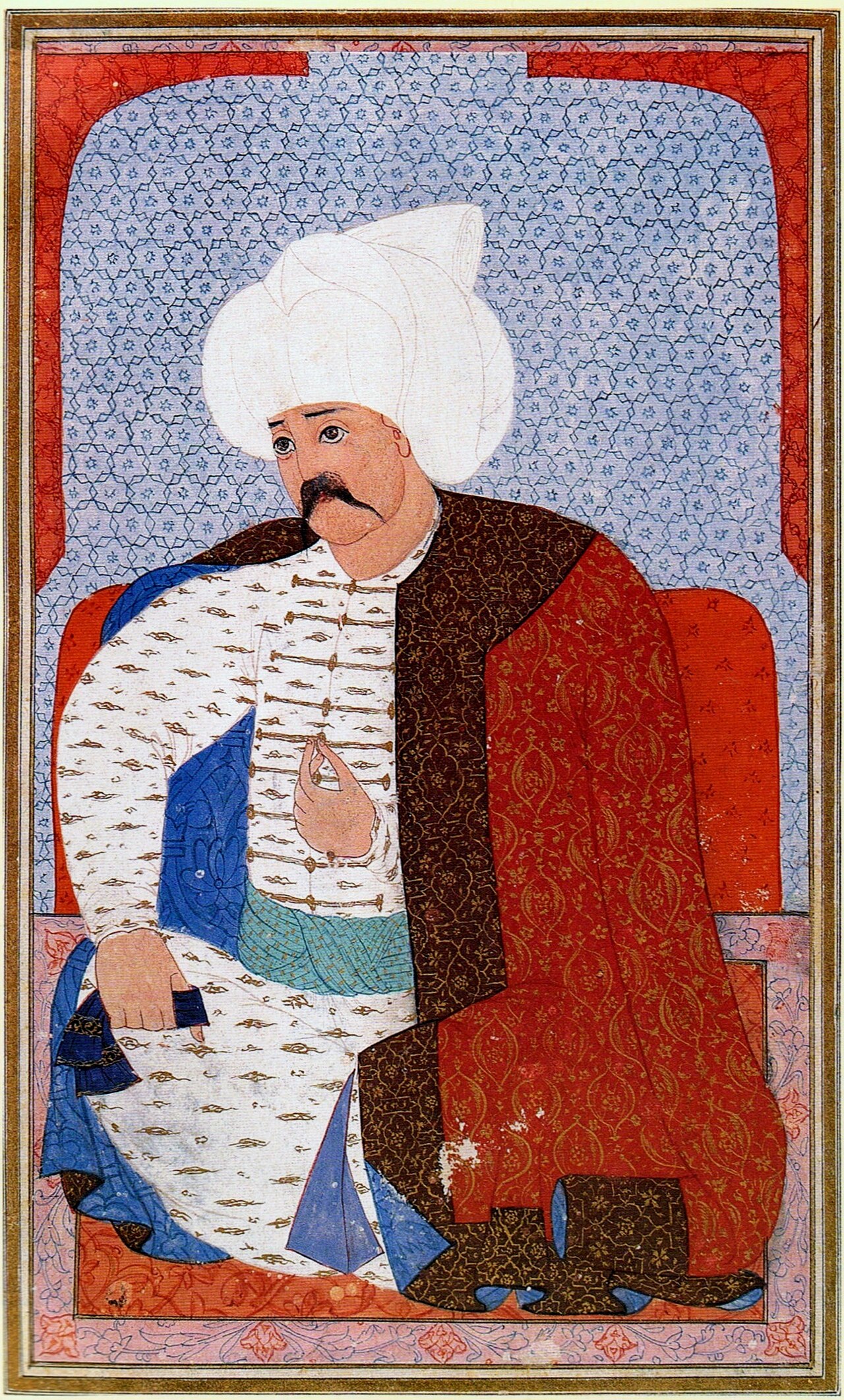
Nakkaş Selim
Nakkaş Osman · c. 1580 (about 60 years after Selim's death)
 Artifact
Secondary source
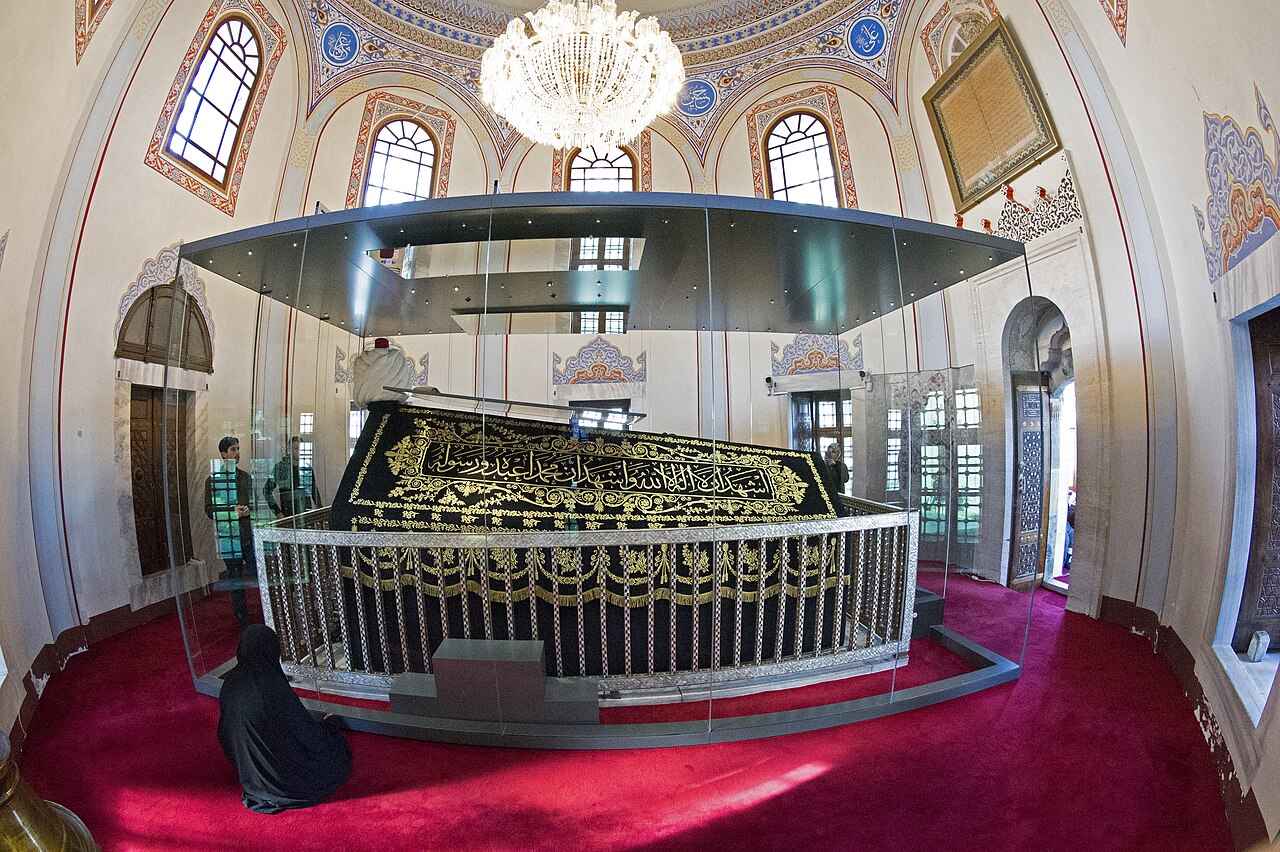
Tomb of Selim I
16th century

Free account
Read every Selim I source
Sign up free →
Ready when you are
Start chatting with Selim I now.
20 messages free · No credit card · Available in 50+ languages.