


Primary sourceDocument1512-1520
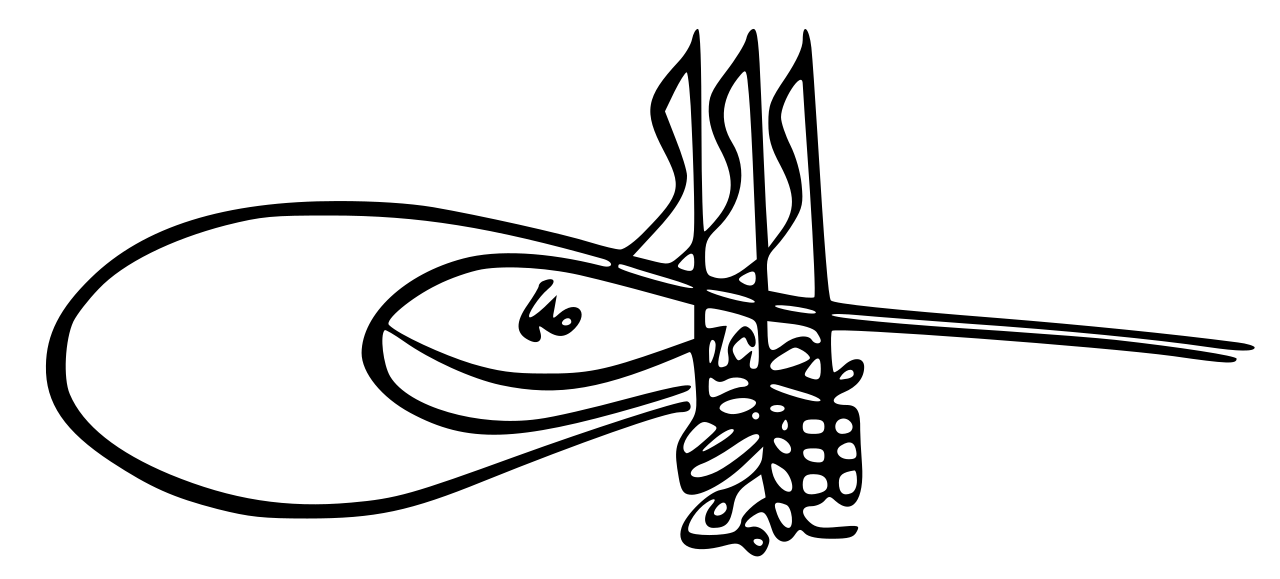
Tughra of Selim I
1512-1520
The imperial monogram used by Selim I to authenticate his decrees and letters, symbolizing his sovereign authority as sultan.
This is Selim's own tughra, the monogram that validated his decrees and marked his sovereign authority.
About this source
What it is
This is the tughra, or calligraphic monogram, of Sultan Selim I. Ottoman sultans used a unique tughra on official documents, decrees and letters to show that they came from the ruler himself.
Why it matters
The tughra was more than decoration — it functioned like a royal seal or signature, proving the authenticity of a document. Every sultan had his own design, so historians can use tughras to identify and date Ottoman documents. Selim's tughra represents his personal authority as the ninth Ottoman sultan.
Look closer
- What shapes and strokes make up this monogram, and how do they differ from an ordinary signature?
- Why might a ruler need a special, hard-to-copy mark like this on official papers?
- What does the tughra tell us about Selim, and what doesn't it tell us?
This document is part of the curated material that grounds the AI version of Selim I on Humy.ai — when students ask about related events, the AI can quote it and cite it.
More Selim I sources
Browse all 96 →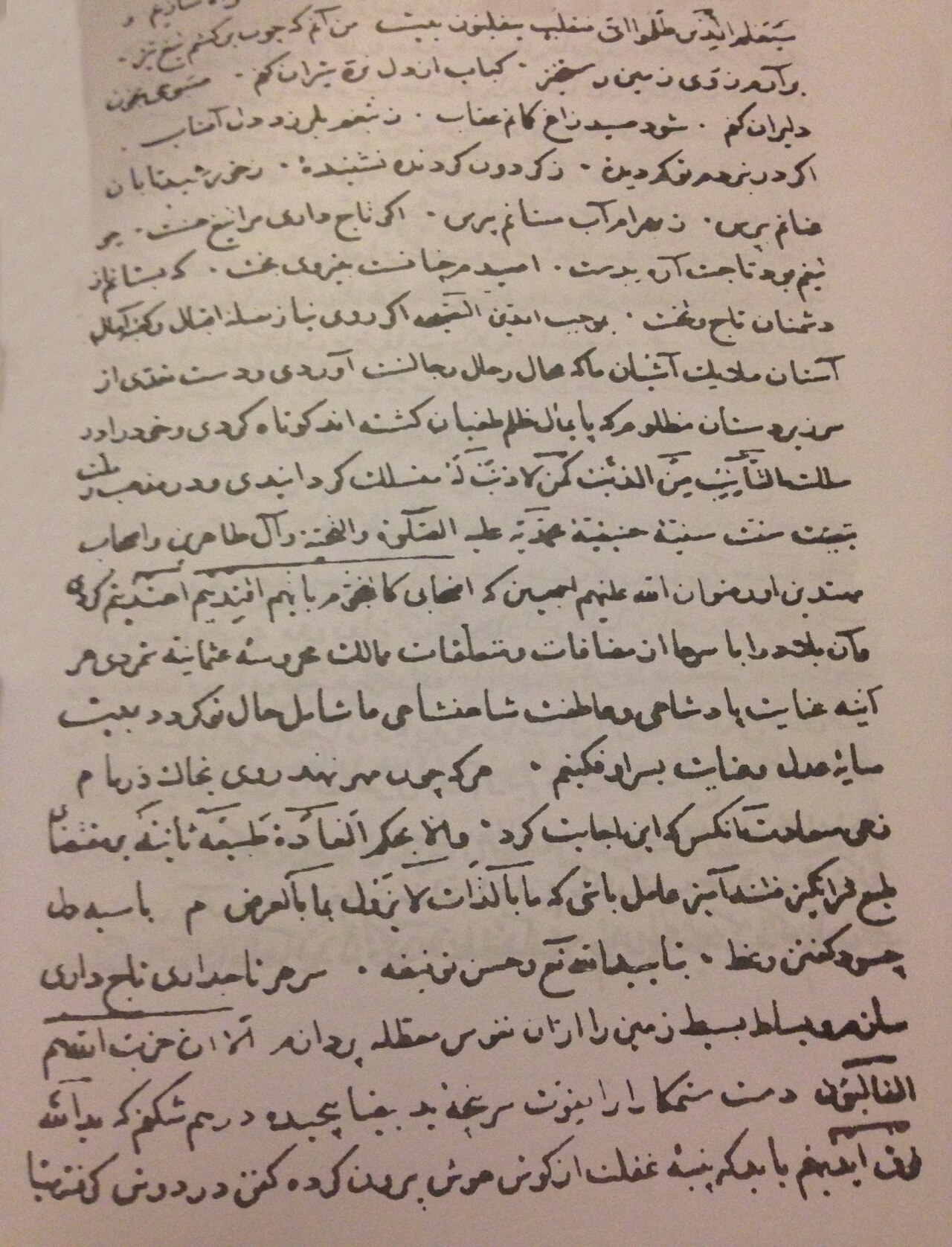 Letter
Secondary source
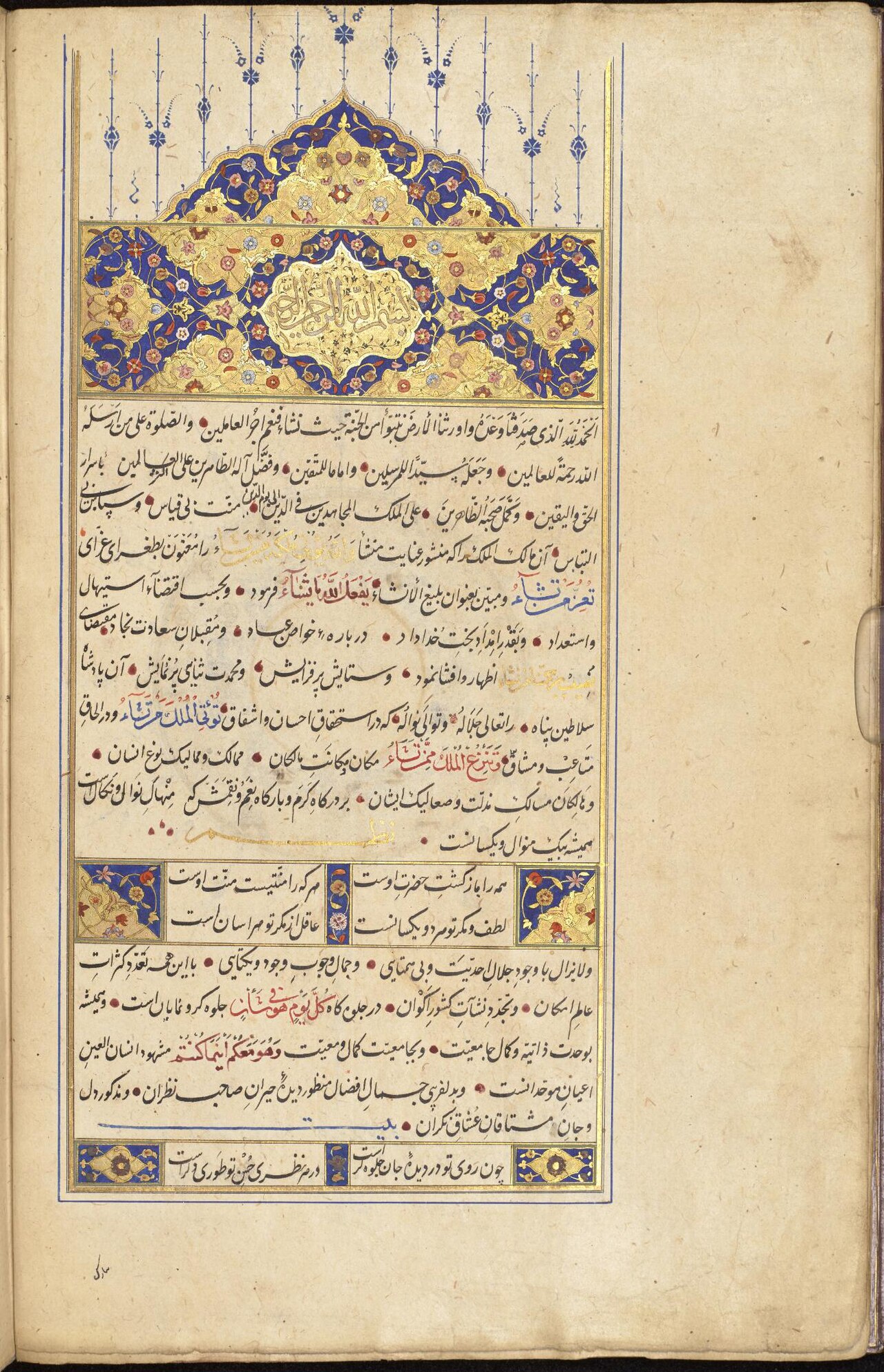
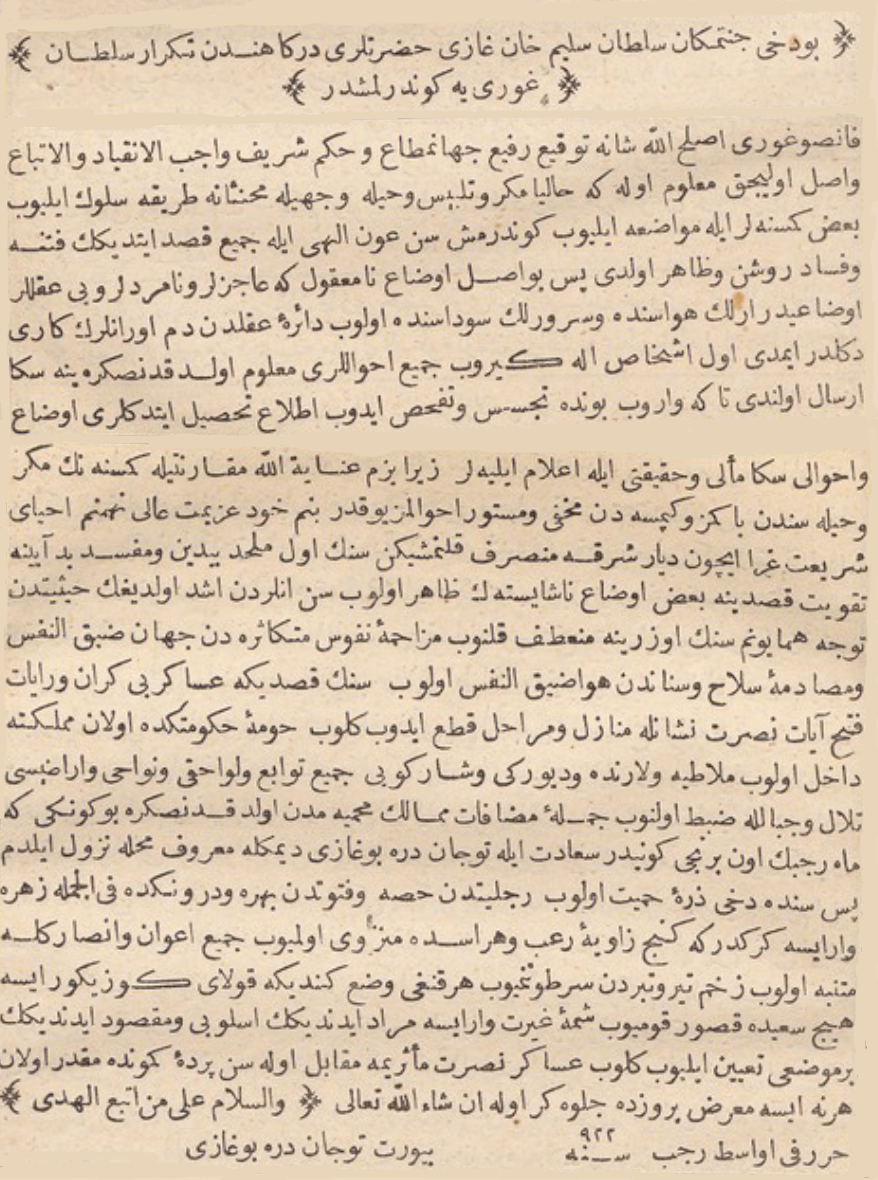
Letter of Sultan Selim to Shah Ismail
Selim I (copied by Feridun Ahmed Bey) · 1514 (copied later)
 Document
Primary source
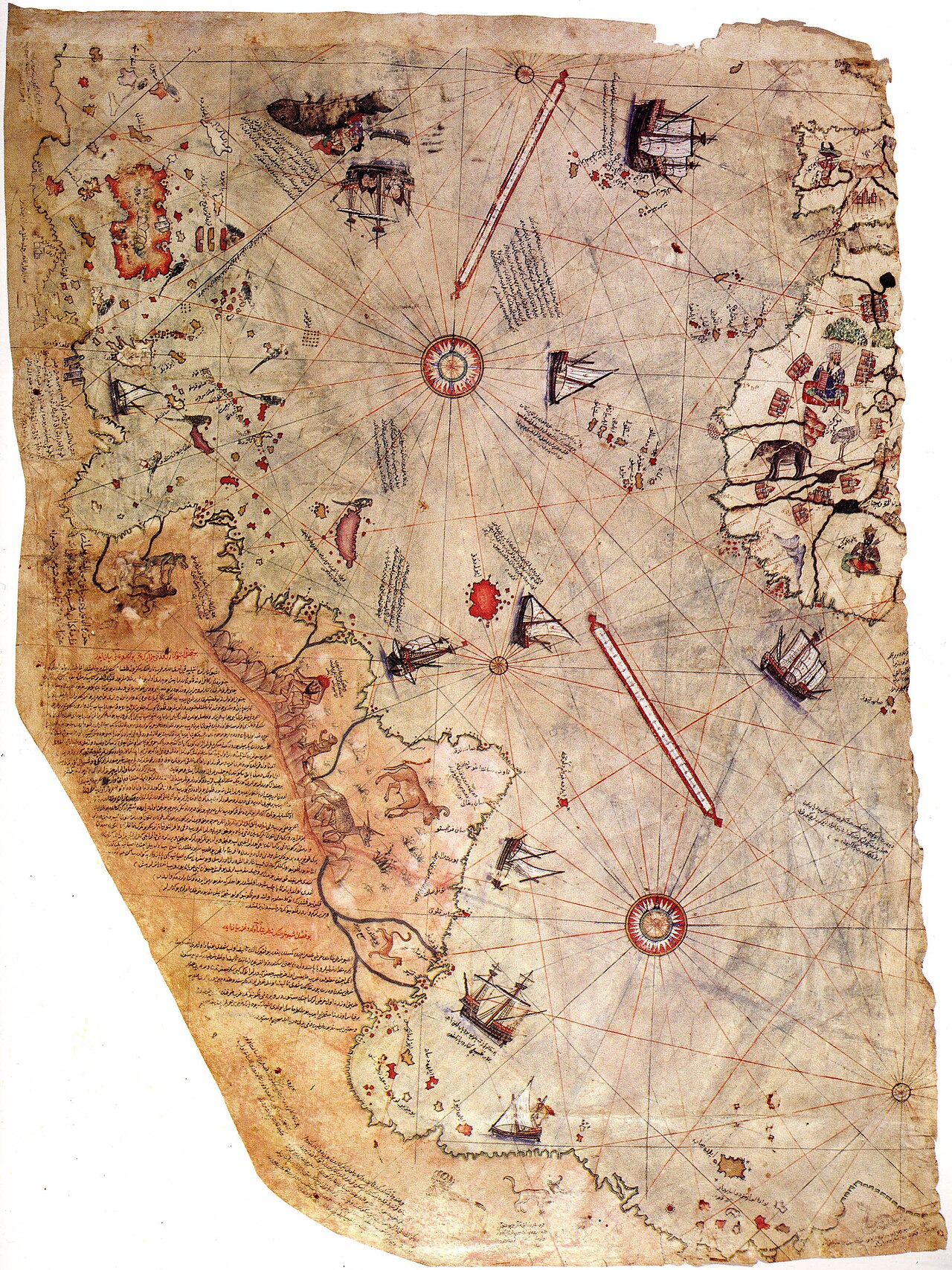
Piri Reis Map
Piri Reis · 1513
 Painting
Secondary source
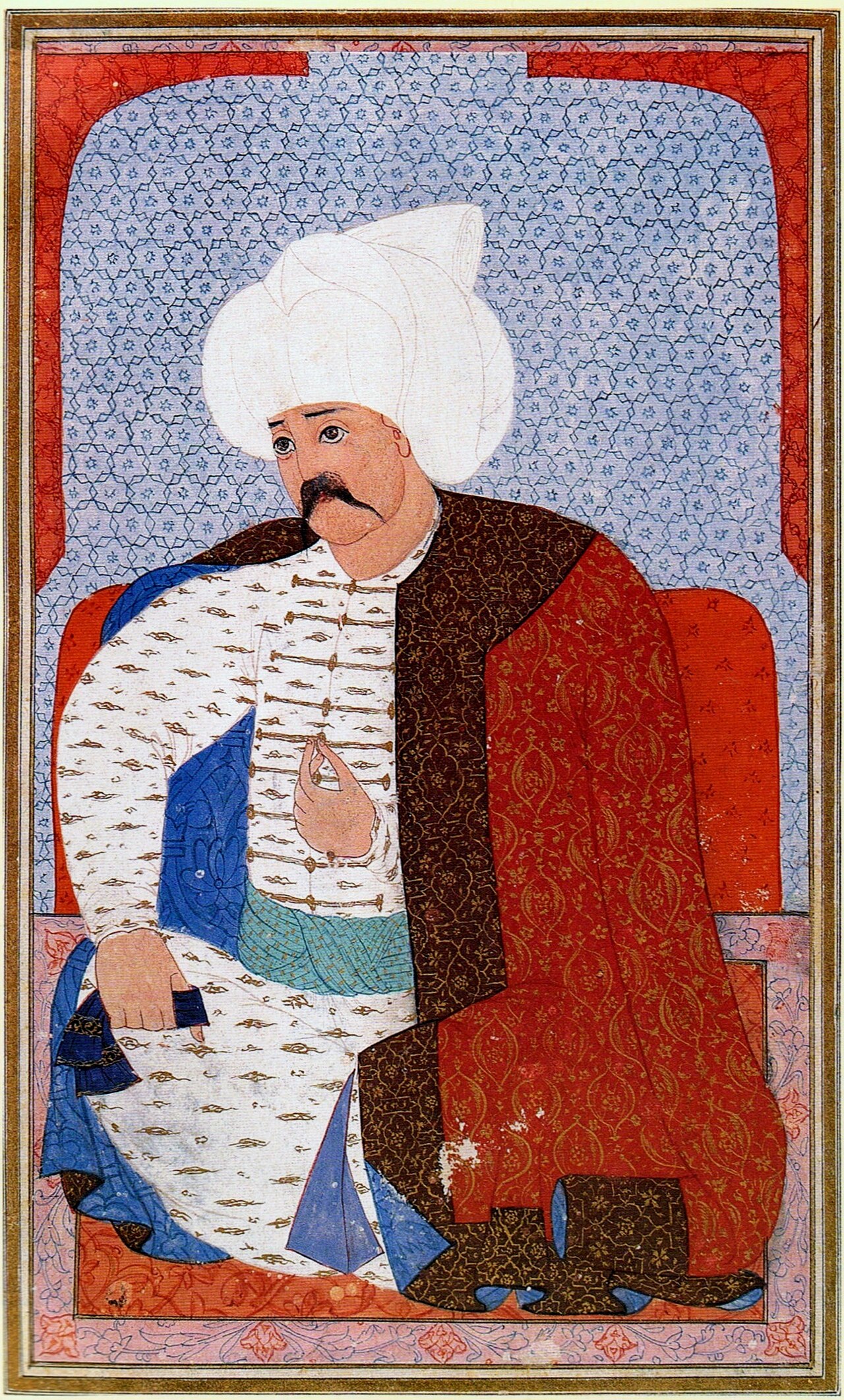
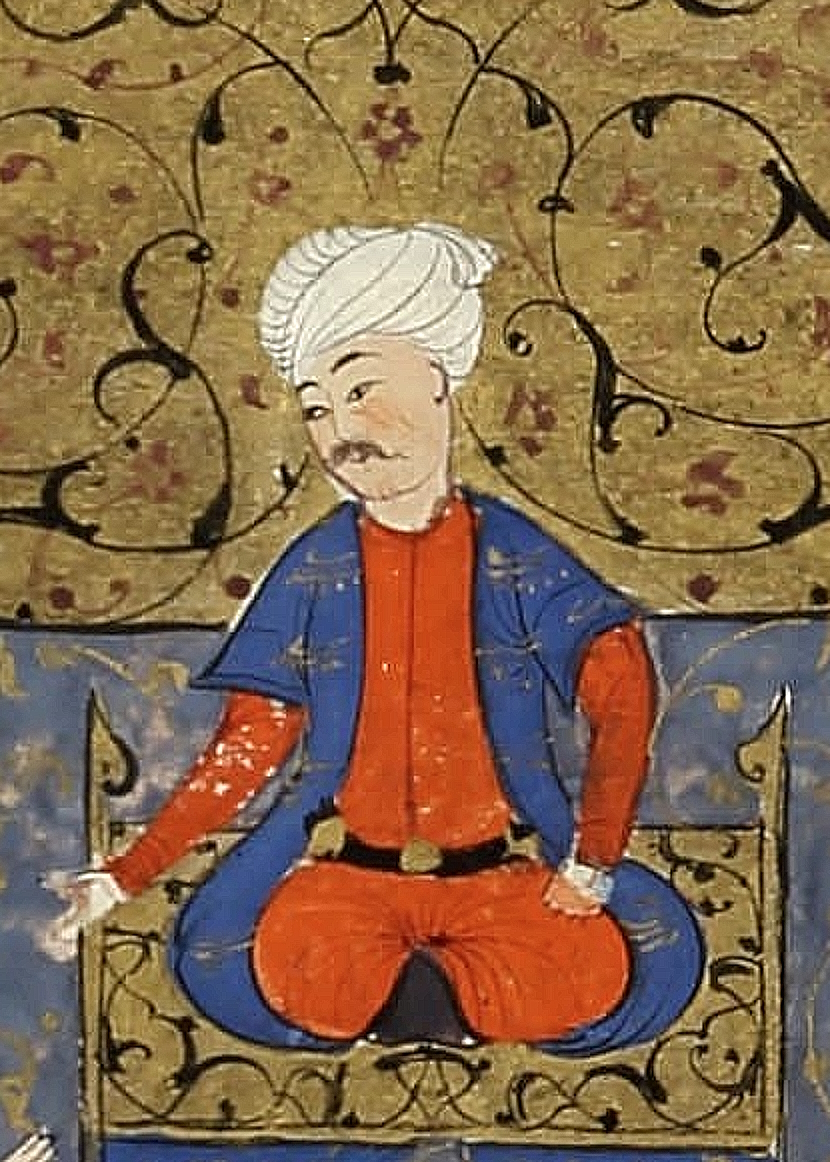
Nakkaş Selim
Nakkaş Osman · c. 1580 (about 60 years after Selim's death)
 Artifact
Secondary source
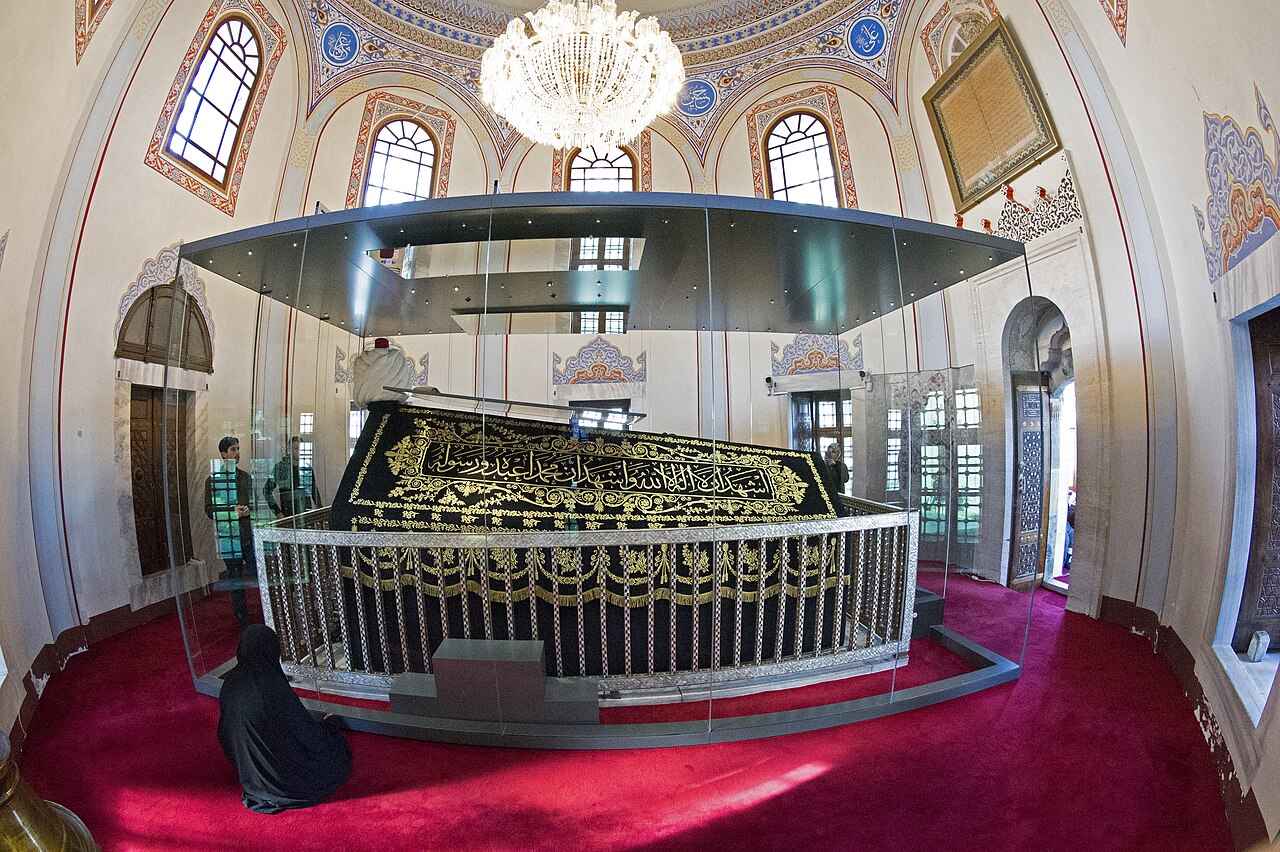
Tomb of Selim I
16th century
Free account
Read every Selim I source
Sign up free →
Ready when you are
Start chatting with Selim I now.
20 messages free · No credit card · Available in 50+ languages.