


Primary sourcePhotographc. 1479-1458 BCE (building); photographed 1934
Limestone Lintel from a Building of Hatshepsut at Karnak
Unknown ancient Egyptian artist; photographer unknown · c. 1479-1458 BCE (building); photographed 1934
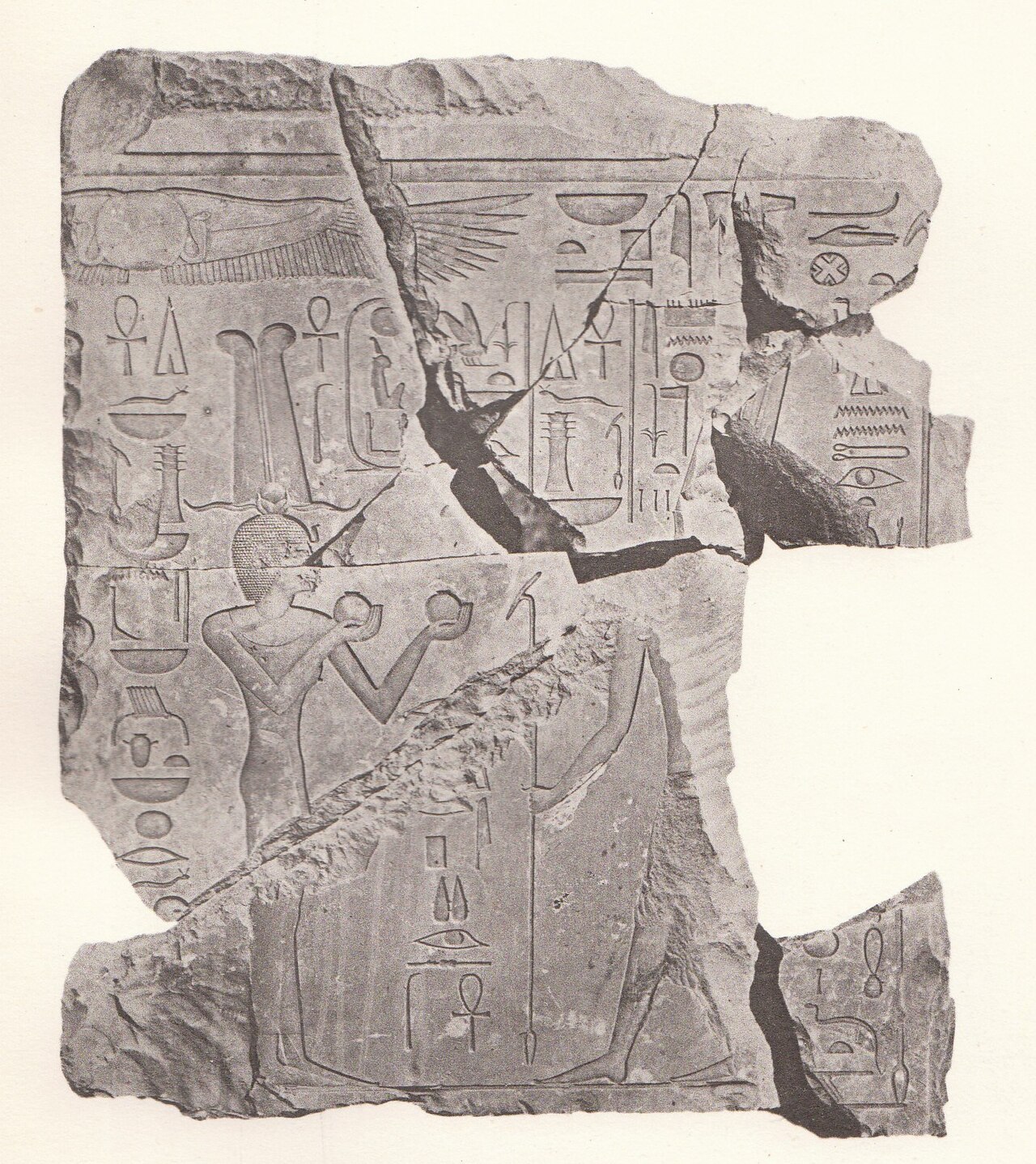
A broken limestone door lintel from one of Hatshepsut's buildings at the Karnak temple, showing her as a woman already wearing royal insignia.
This lintel is direct physical evidence of Hatshepsut's own building program at the temple of Amun in Karnak.
About this source
What it is
This limestone lintel, carved with hieroglyphs and figures, came from a building Hatshepsut had constructed within the temple of Amun at Karnak. It was discovered by archaeologist Henri Chevrier in 1934 and is known today through an old black-and-white photograph.
Why it matters
The relief shows Hatshepsut depicted as a woman, but already wearing the symbols of kingship. This is important evidence of how she gradually combined female and royal imagery as she established her rule, and it documents her major building activity at Egypt's most important temple.
Look closer
- What details in the carving show that this is meant to represent a ruler?
- Why might Hatshepsut have been shown as a woman but with royal insignia?
- What does the damage to the stone tell us about its long history?
This photograph is part of the curated material that grounds the AI version of Hatshepsut on Humy.ai — when students ask about related events, the AI can quote it and cite it.
More Hatshepsut sources
Meet the AI Hatshepsut →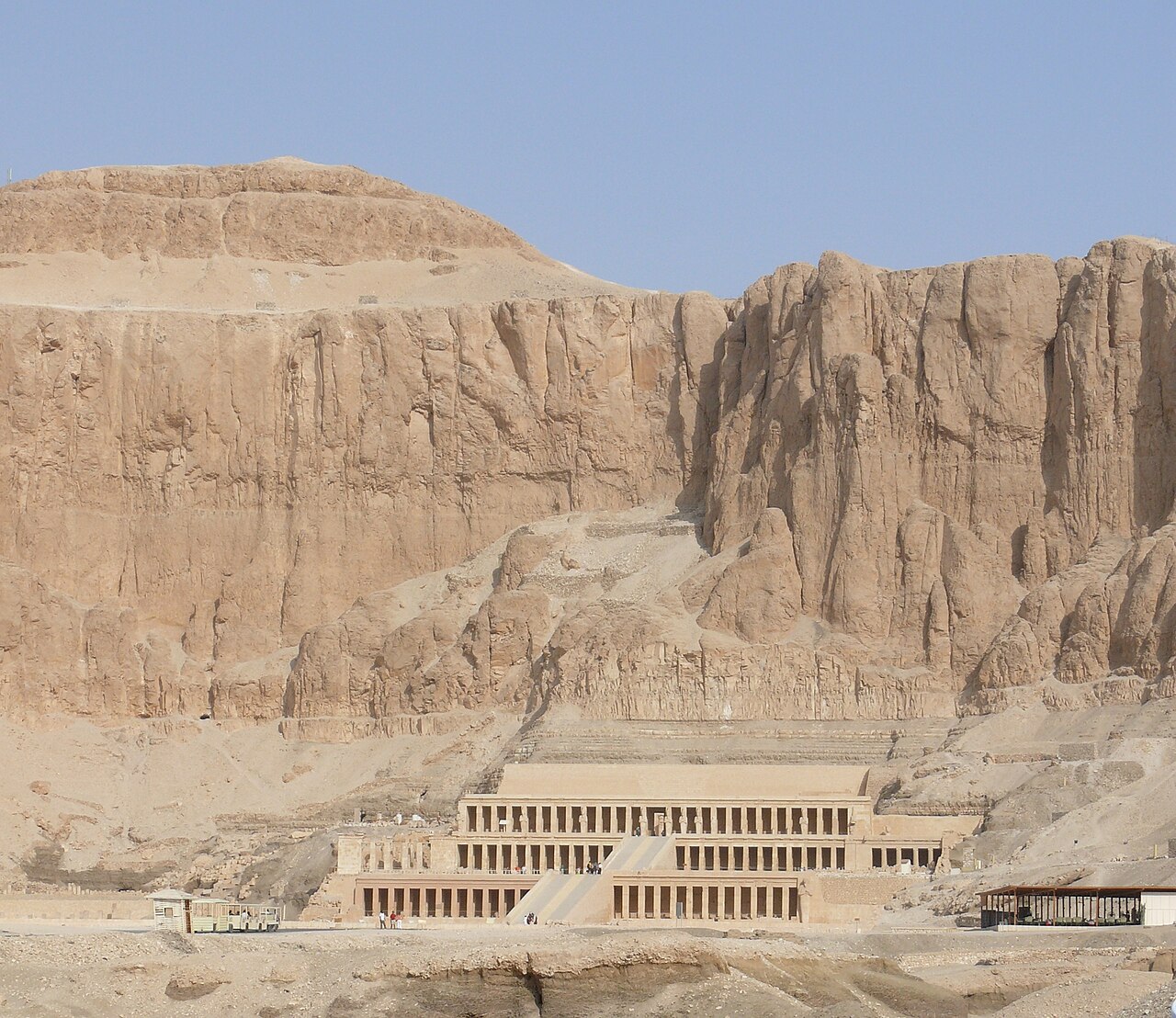 Artifact
Primary source
Mortuary Temple of Hatshepsut
Senenmut and/or Hapuseneb (attributed) · c. 1479–1458 BCE
 Photograph
Secondary source
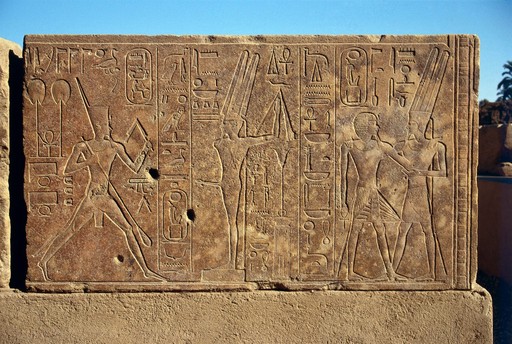
Hatshepsut Dancing Before Min, Karnak Relief
Carole Reeves · 1989
 Sculpture
Primary source
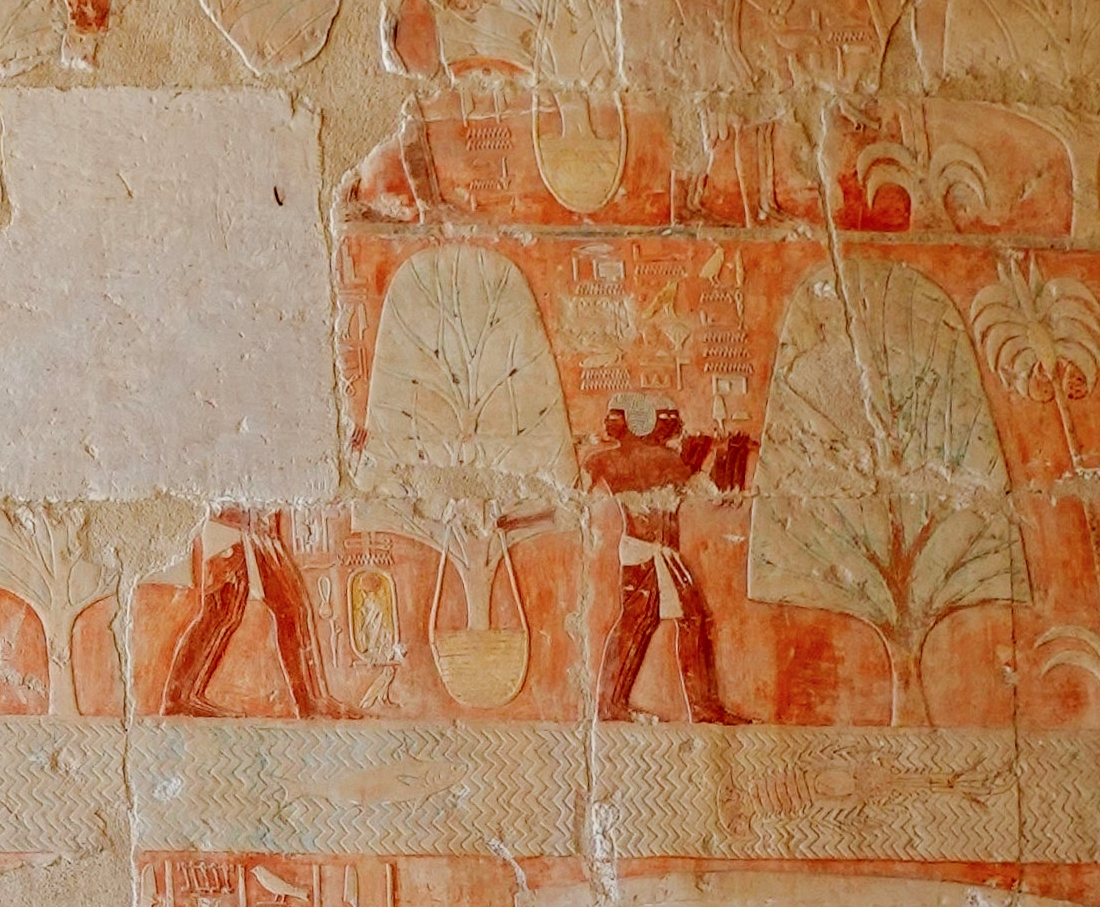
Punt Expedition Reliefs
Royal workshops of Hatshepsut · c. 1470 BCE
 Sculpture
Primary source
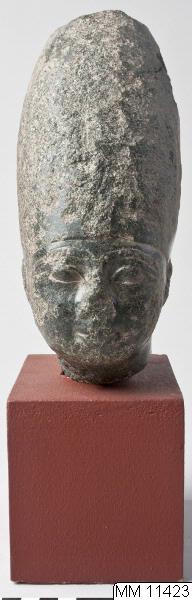
Sculpture Head Probably of Hatshepsut
 Sculpture
Primary source
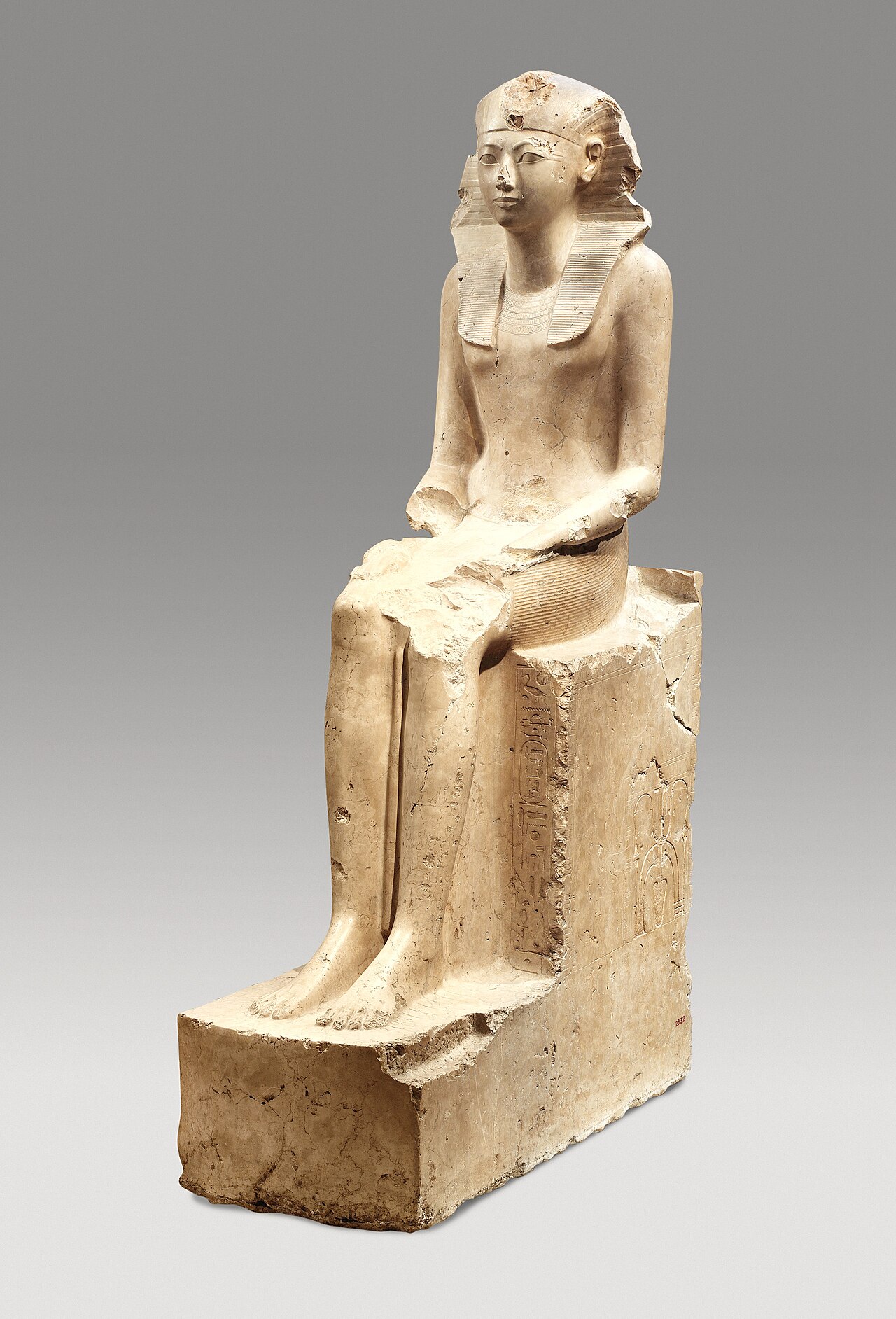
Seated Statue of Hatshepsut
c. 1466 BCE
Ready when you are
Start chatting with Hatshepsut now.
20 messages free · No credit card · Available in 50+ languages.