


Primary sourceSculpturec. 1470 BC
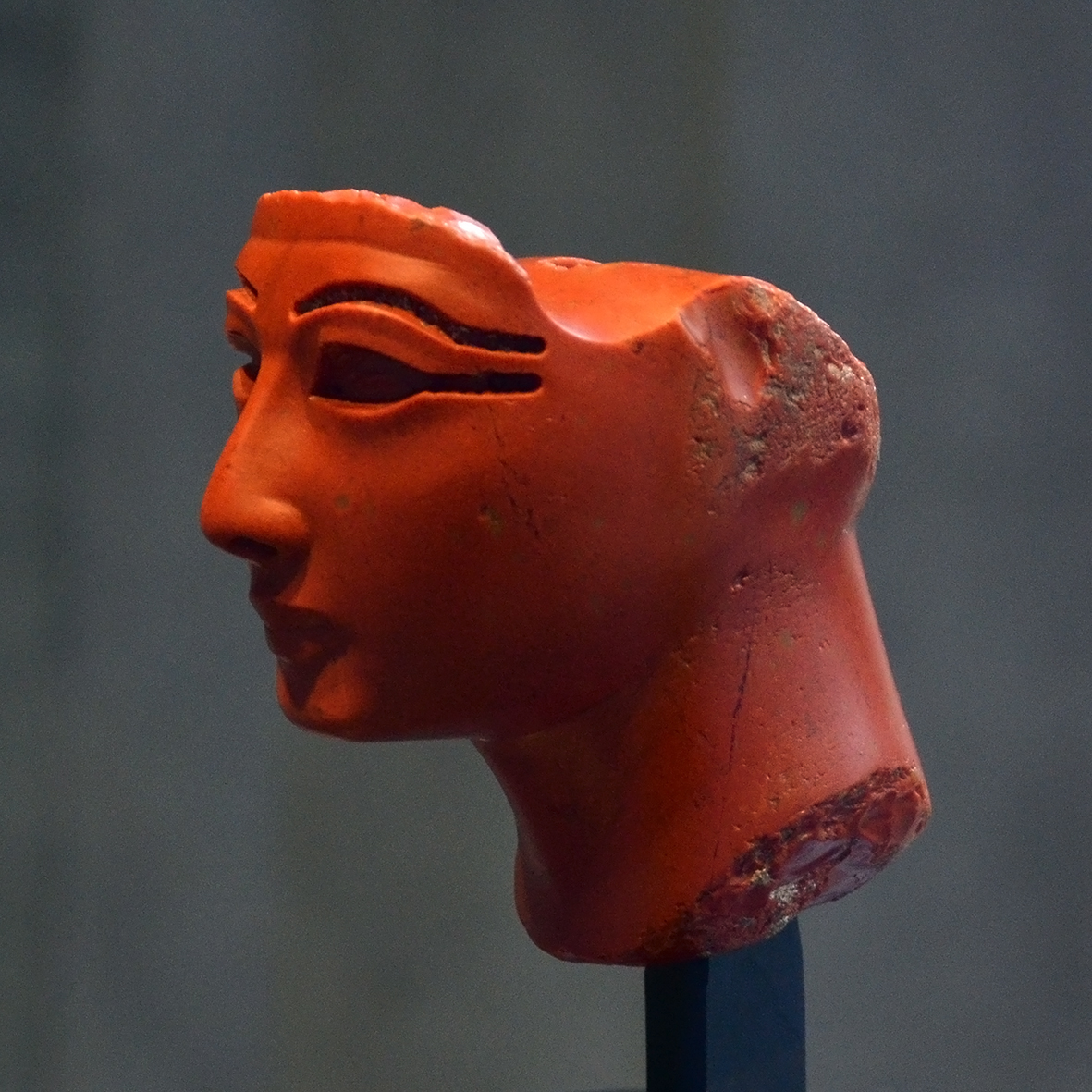
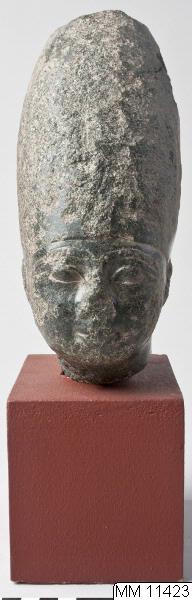
Little Jasper Head of Pharaoh Hatshepsut
c. 1470 BC
A small red jasper head from a composite statue of Hatshepsut, carved during her reign and now in Munich.
A fragment of a composite royal statue carved during Hatshepsut's reign, showing her idealized royal face.
About this source
What it is
This small head, carved from red jasper, once belonged to a larger composite statue of Hatshepsut. It dates to around 1470 BC, during her reign as pharaoh, and is now held in the Staatliches Museum Ägyptischer Kunst in Munich.
Why it matters
Composite statues combined different materials and were among the finest works of royal Egyptian sculpture. This fragment shows the careful craftsmanship used to represent Hatshepsut's face, giving a sense of how the pharaoh wanted to be remembered and honoured.
Look closer
- What details of the face — the eye, nose, and lips — can you describe, and what do they suggest about the skill of the sculptor?
- Why might only the head have survived from a larger statue?
- What can't this fragment tell us about the whole statue it once belonged to?
This sculpture is part of the curated material that grounds the AI version of Hatshepsut on Humy.ai — when students ask about related events, the AI can quote it and cite it.
More Hatshepsut sources
Meet the AI Hatshepsut →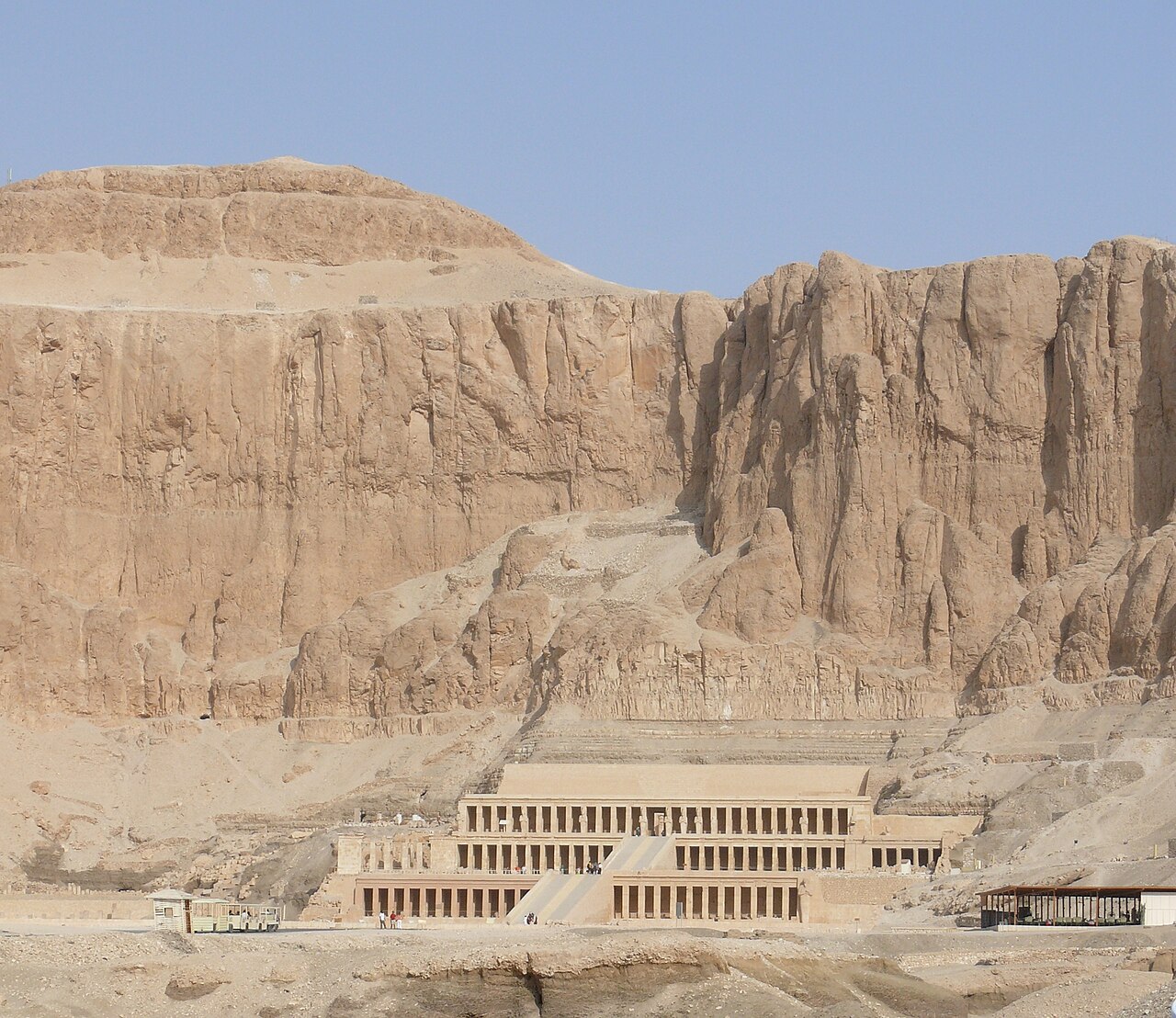 Artifact
Primary source
Mortuary Temple of Hatshepsut
Senenmut and/or Hapuseneb (attributed) · c. 1479–1458 BCE
 Photograph
Secondary source
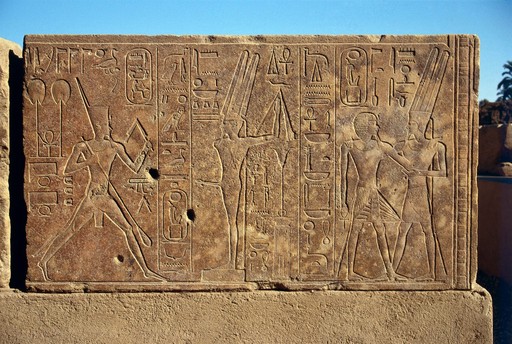
Hatshepsut Dancing Before Min, Karnak Relief
Carole Reeves · 1989
 Sculpture
Primary source
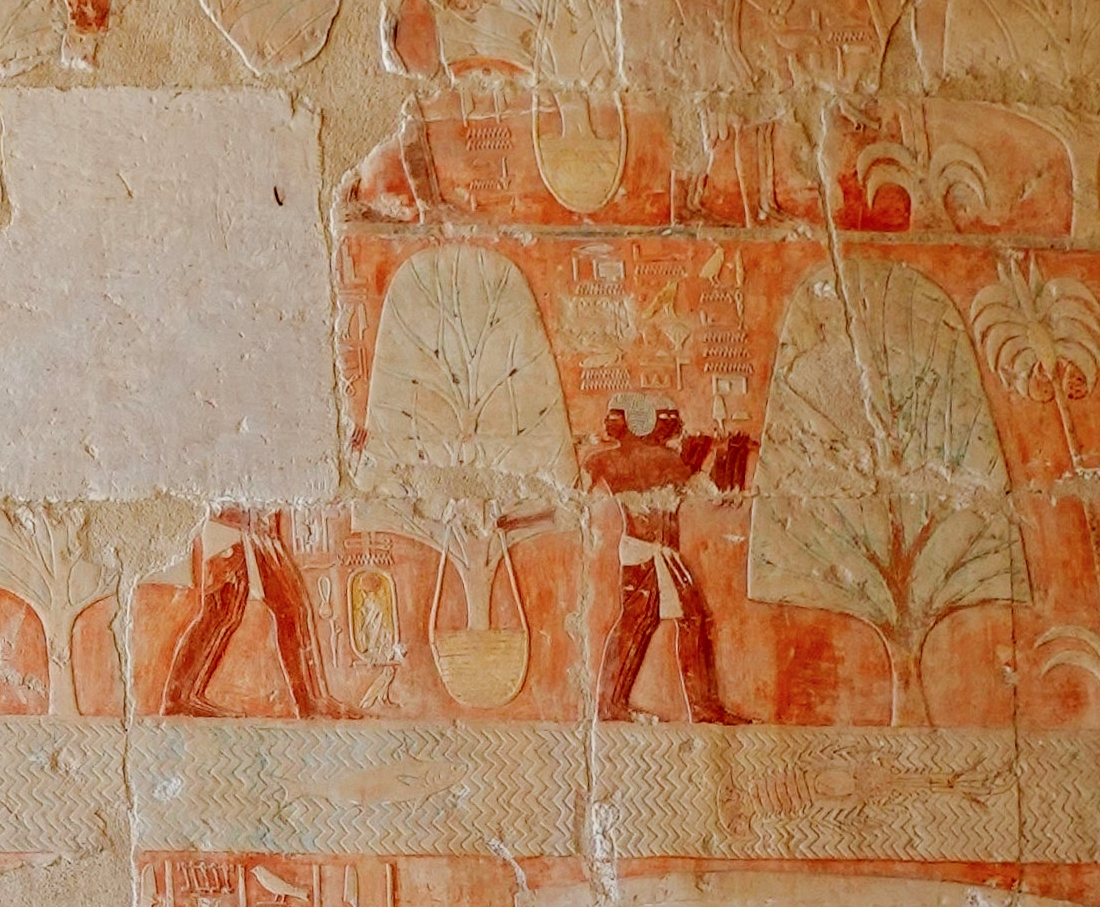
Punt Expedition Reliefs
Royal workshops of Hatshepsut · c. 1470 BCE
 Sculpture
Primary source
Sculpture Head Probably of Hatshepsut
 Sculpture
Primary source
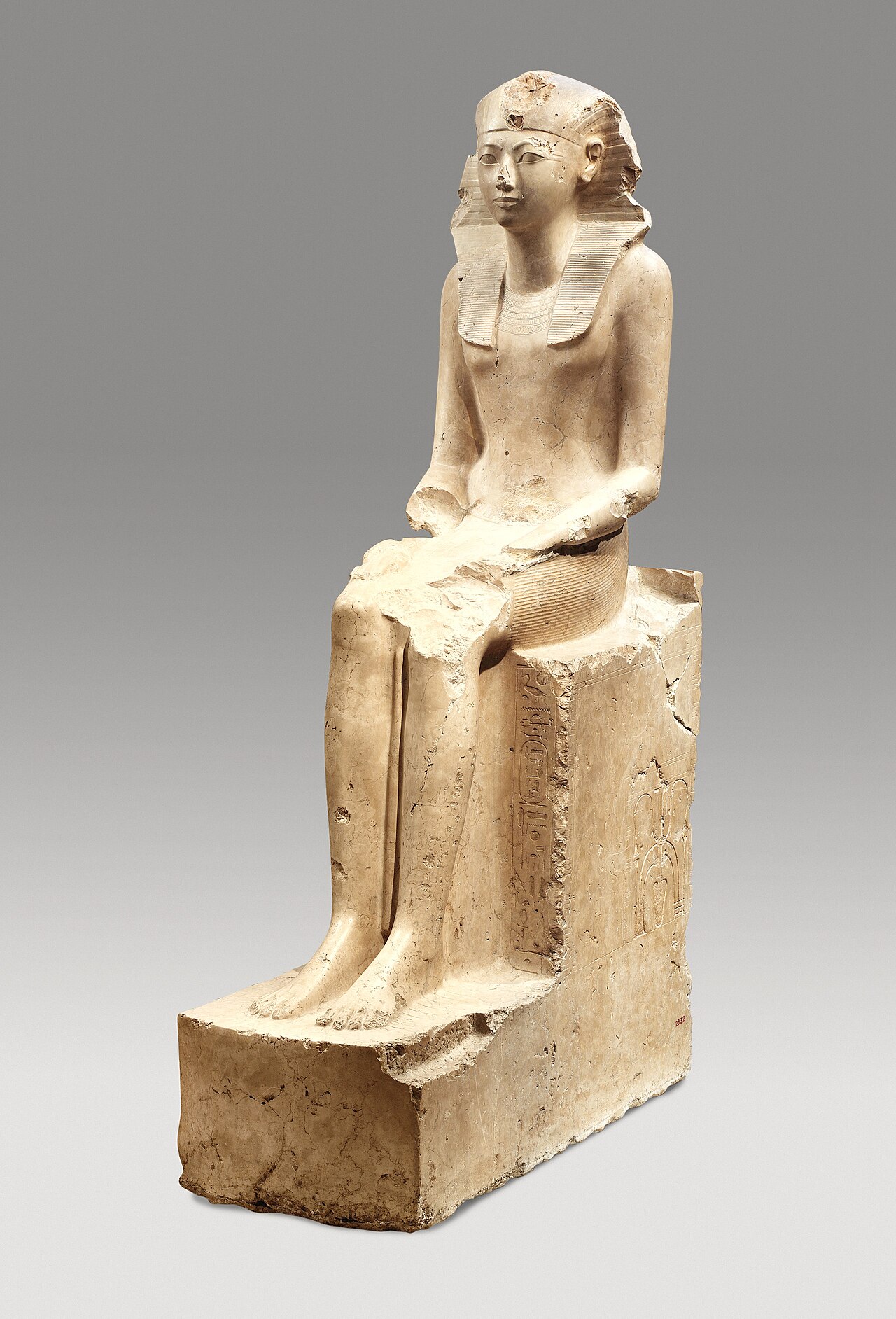
Seated Statue of Hatshepsut
c. 1466 BCE
Ready when you are
Start chatting with Hatshepsut now.
20 messages free · No credit card · Available in 50+ languages.