


Primary sourceDocument1988
Lockhart v. Nelson
Thurgood Marshall · 1988
A 1988 Supreme Court dissent by Thurgood Marshall, joined by Justices Brennan and Blackmun, about an enhanced Arkansas sentence for a defendant who said he had been pardoned.
Marshall wrote this dissent as a Supreme Court justice, showing his concern for fair sentencing when a defendant's pardon claim was disputed.
About this source
What it is
This is a dissenting opinion by Justice Thurgood Marshall in Lockhart v. Nelson (1988), reported as 488 U.S. 33. Marshall wrote it with Justices Brennan and Blackmun joining. It concerns Arkansas law that allows an enhanced prison term for a defendant with four or more prior felonies. The text is listed on Wikisource, which holds a transcription rather than the original document.
Why it matters
The opinion describes the case of Johnny Lee Nelson, who pleaded guilty to burglary and was sentenced in 1982 after evidence that he had four prior felony convictions. Nelson said he had received a gubernatorial pardon for one conviction, but the prosecutor and trial judge did not believe him. Marshall's dissent tells how a federal court later ordered the state to check its records and found the pardon. The text shows how the justices of the 1980s debated fairness in criminal sentencing.
Look closer
- What evidence did the state present at sentencing, and how did the defendant respond?
- Why does Marshall describe the pardon discovery as coming years later?
- What does this text leave out about the other justices' reasons for their decision?
This document is part of the curated material that grounds the AI version of Thurgood Marshall on Humy.ai — when students ask about related events, the AI can quote it and cite it.
More Thurgood Marshall sources
Meet the AI Thurgood Marshall →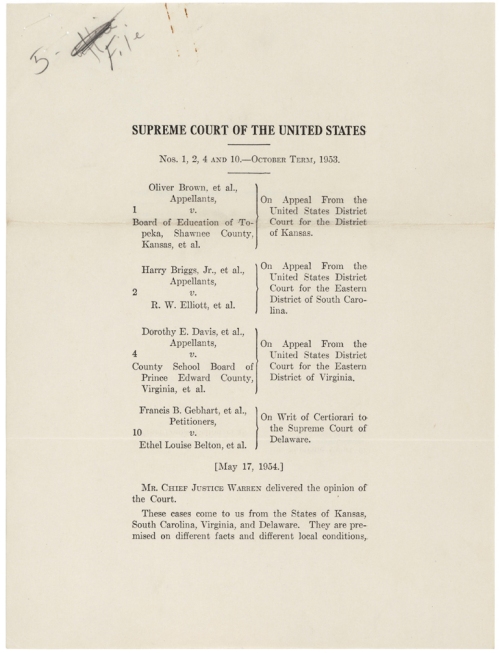 Document
Primary source
Brown v. Board of Education
Earl Warren · 17 May 1954
 Painting
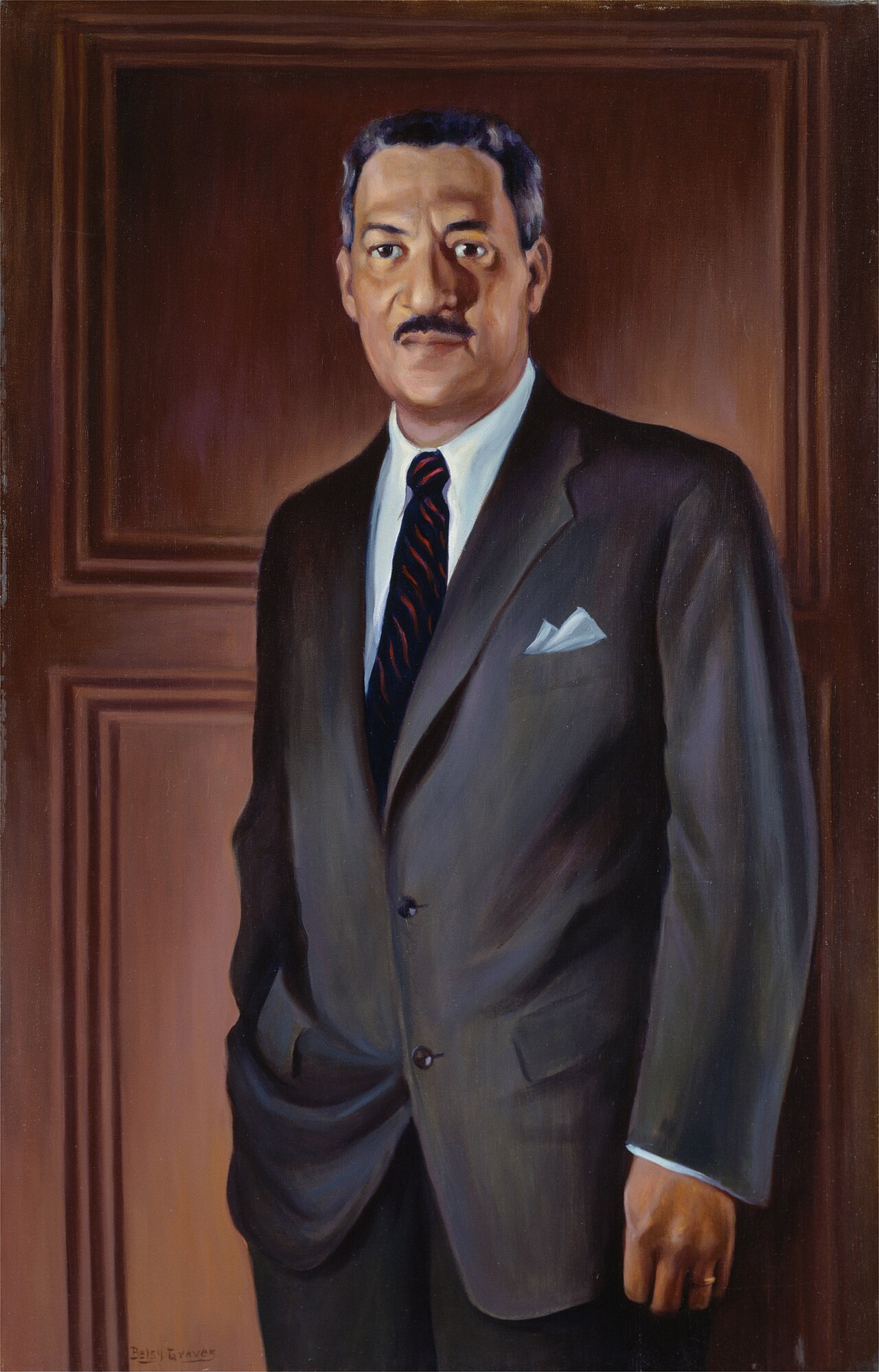
Primary source
Thurgood Marshall
Betsy Graves Reyneau · 1956
 Photograph
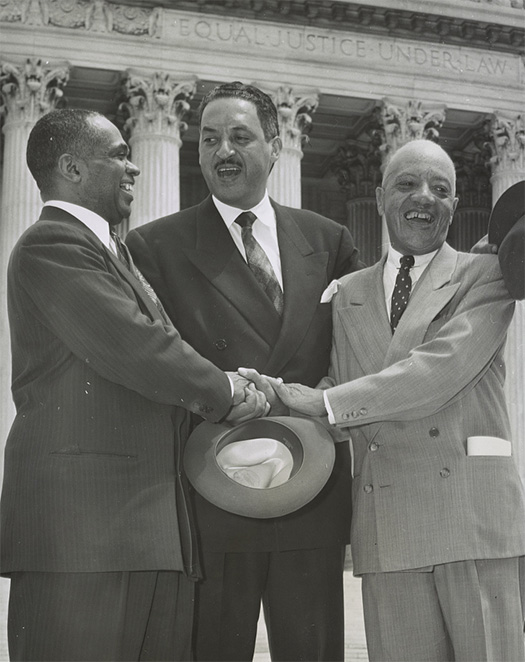
Primary source
George Edward Chalmer Hayes, Thurgood Marshall, and James Nabrit in 1954 winning Brown case
1954
 Photograph
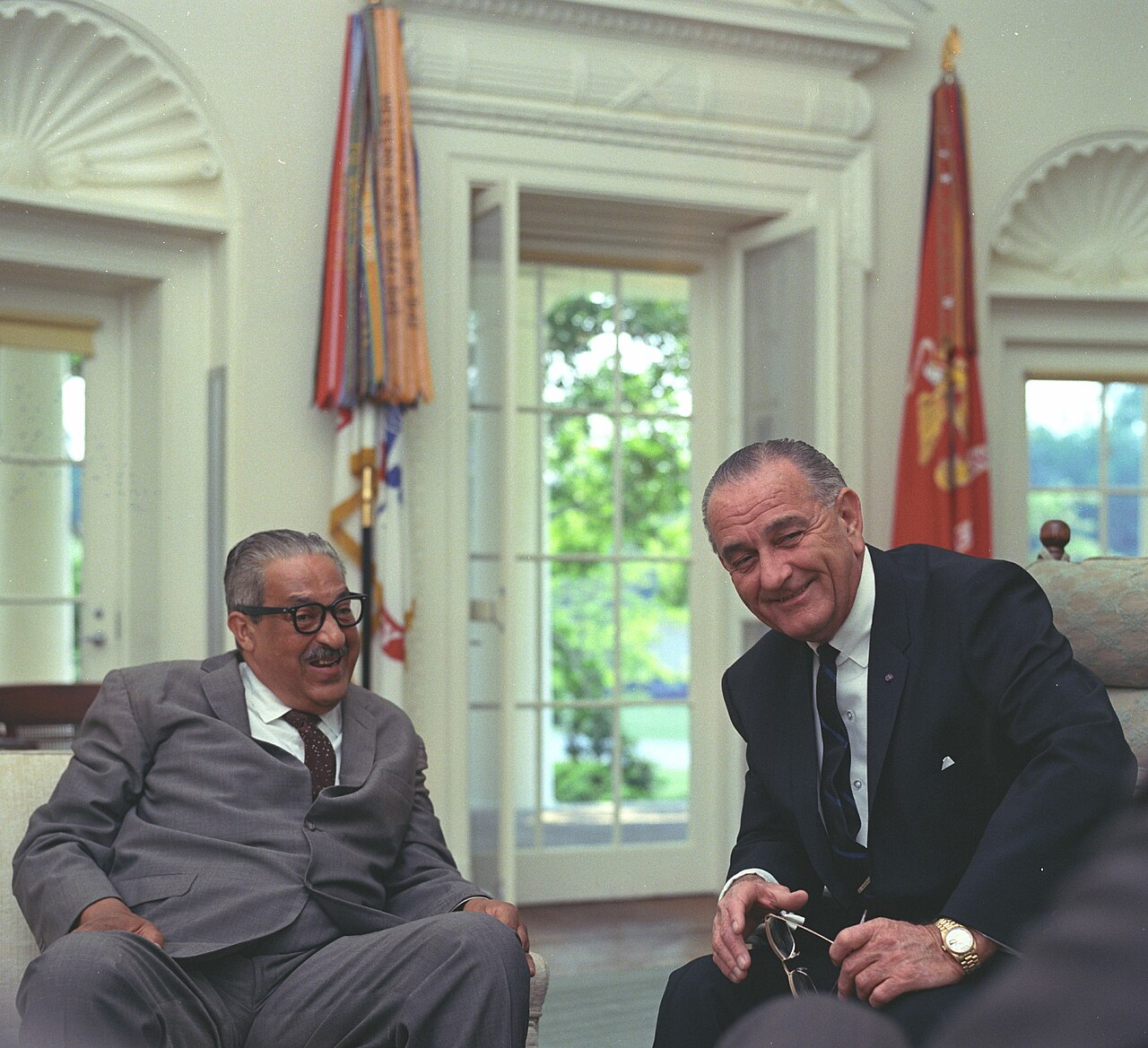
Primary source
Thurgood Marshall and President Lyndon B. Johnson, June 13, 1967
Frank Wolfe · 13 June 1967
Primary source
Cooper v. Aaron
12 September 1958
Ready when you are
Start chatting with Thurgood Marshall now.
20 messages free · No credit card · Available in 50+ languages.