


Primary sourceDocument30 January 1799
Logan Act
United States Congress · 30 January 1799
A 1799 federal law banning unauthorized private negotiations with foreign governments, signed into law by President John Adams.
Adams signed this law as president, defending his administration's foreign policy against unauthorized private diplomacy.
About this source
What it is
The Logan Act is a United States federal law that makes it a crime for an American citizen to negotiate with a foreign government without authorization. It was signed into law by President John Adams on January 30, 1799.
Why it matters
The law was a direct response to George Logan, a Pennsylvania Quaker and private citizen, who had traveled to France in 1798 to try to ease tensions during the Quasi-War without government authority. Federalists in Congress, who controlled both houses and the presidency, pushed the bill through to stop citizens from acting against official government policy. Adams's signature on the act shows him defending the authority of his own administration's foreign policy against unofficial interference, even from citizens acting in good faith.
Look closer
- Why might a government want to control who can speak for it abroad?
- What does the political dispute behind this law tell you about tensions between the Federalists and their opponents?
- Why do you think this law has rarely been used to prosecute anyone?
This document is part of the curated material that grounds the AI version of John Adams on Humy.ai — when students ask about related events, the AI can quote it and cite it.
More John Adams sources
Meet the AI John Adams →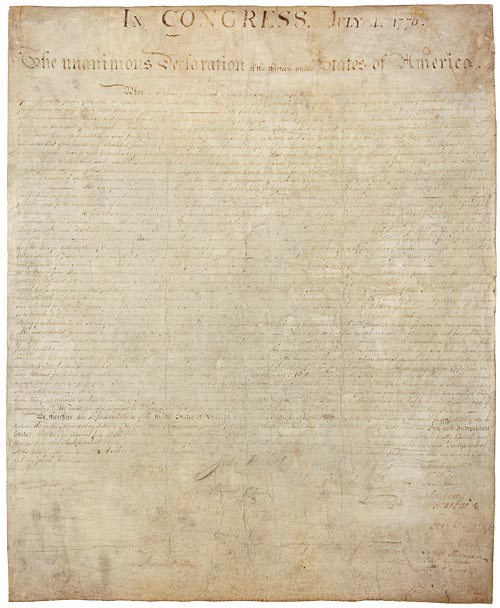 Document
Primary source
Declaration of Independence
Continental Congress (drafted by Thomas Jefferson) · 1776
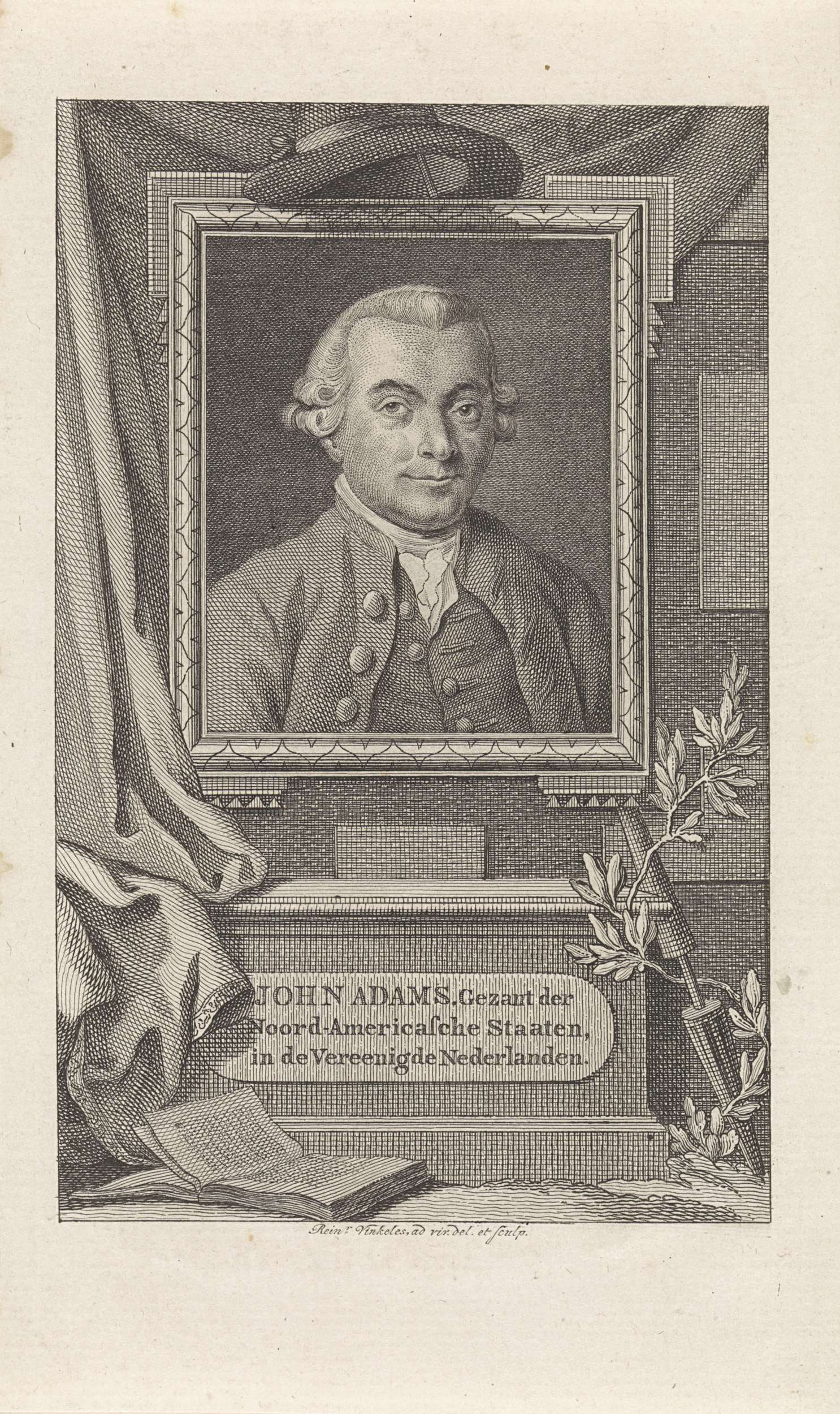 Painting
Primary source
Portrait of John Adams, American Diplomat
1790
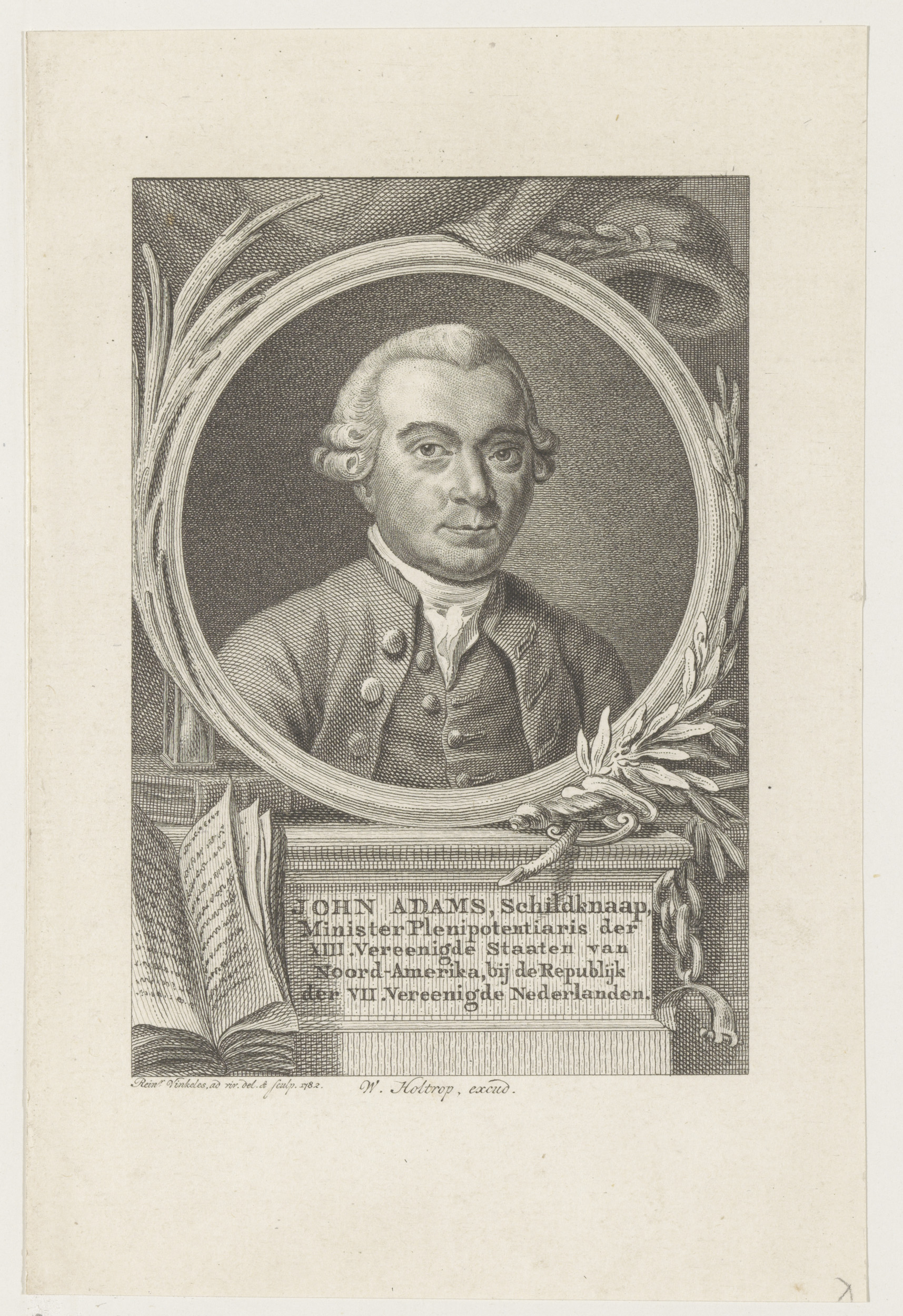 Painting
Primary source
Allegorical Portrait of John Adams
1782
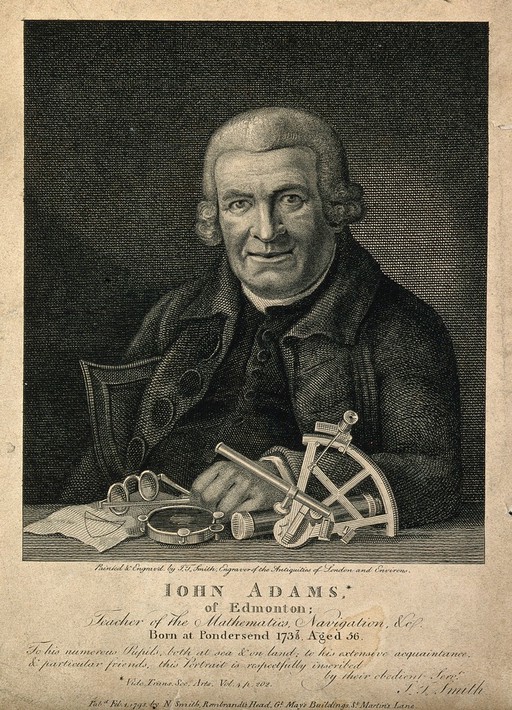 Painting
Primary source
Engraving of John Adams by J. T. Smith
J. T. Smith · 1795
 Document
Primary source
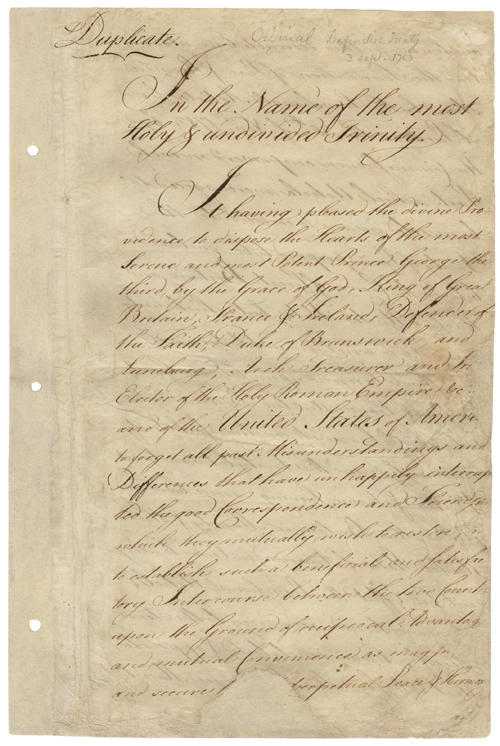
Treaty of Paris
3 September 1783
Ready when you are
Start chatting with John Adams now.
20 messages free · No credit card · Available in 50+ languages.