


Primary sourcePainting1792
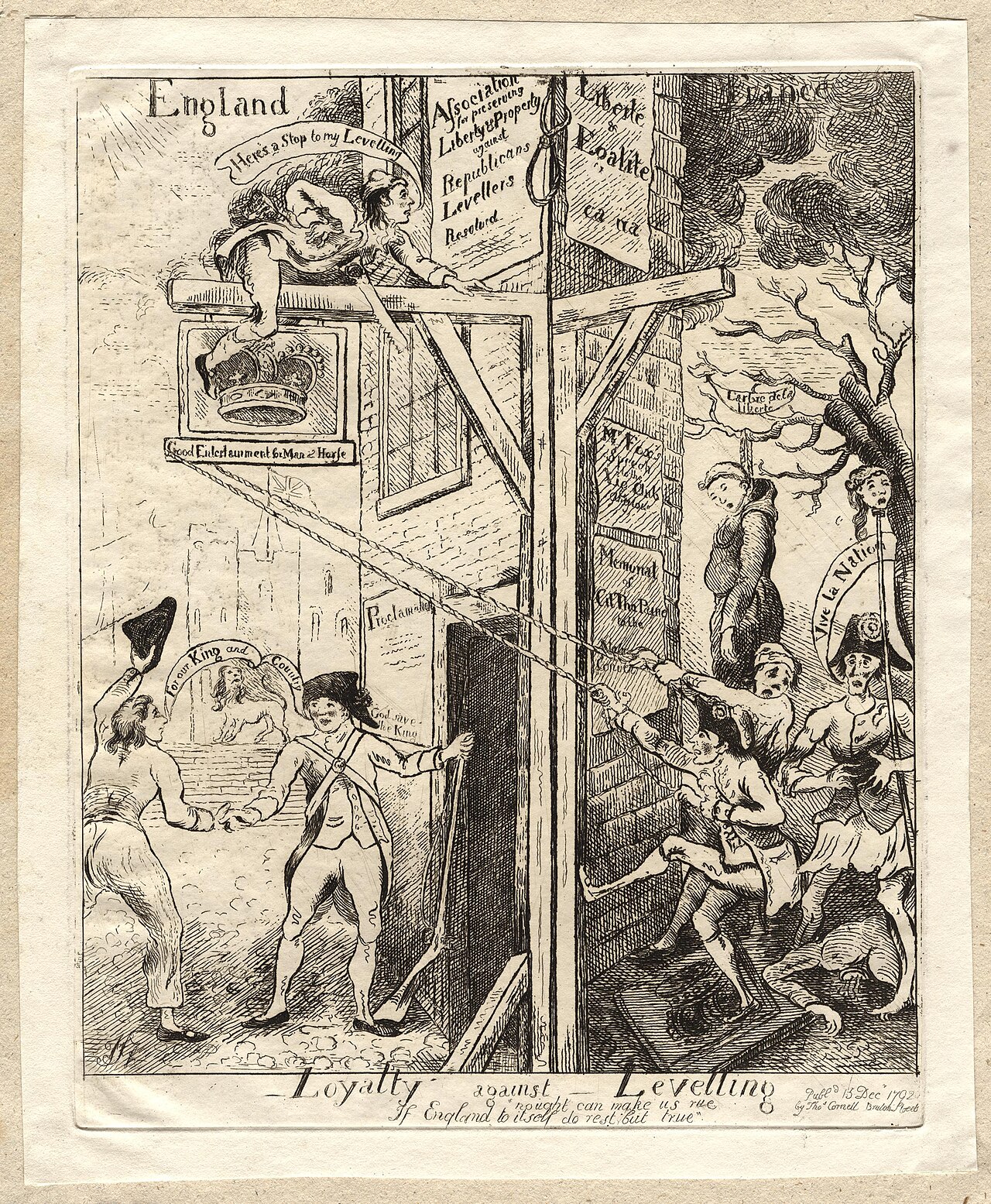
Loyalty against Levelling
Thomas Cornell · 1792
A 1792 anti-radical caricature contrasting loyalist celebration with revolutionary unrest, referencing Paine's radical politics.
Paine is the named subject of this anti-radical caricature contrasting loyalty with the leveling ideas associated with him.
About this source
What it is
This etching, titled Loyalty against Levelling, was made by Thomas Cornell in 1792 and published that year. It is held by the National Portrait Gallery, London. The image contrasts loyalists toasting "King and Country" on one side with rioters hanging an effigy and tearing down a sign on the other, where a figure in a Phrygian cap cries "Vive la Nation."
Why it matters
The print was created amid British anxiety over the French Revolution and the spread of Paine's ideas, particularly his pamphlet Rights of Man. It reflects the loyalist backlash against reformers and radicals who were associated with Paine's politics, showing the deep divisions his writing caused in British society.
Look closer
- Why does the artist place loyalists and rioters on opposite sides of the image?
- What symbols (hats, signs, effigies) does the artist use to tell viewers who to support?
- What does this print suggest about how dangerous Paine's ideas seemed to some British people?
This painting is part of the curated material that grounds the AI version of Thomas Paine on Humy.ai — when students ask about related events, the AI can quote it and cite it.
More Thomas Paine sources
Meet the AI Thomas Paine →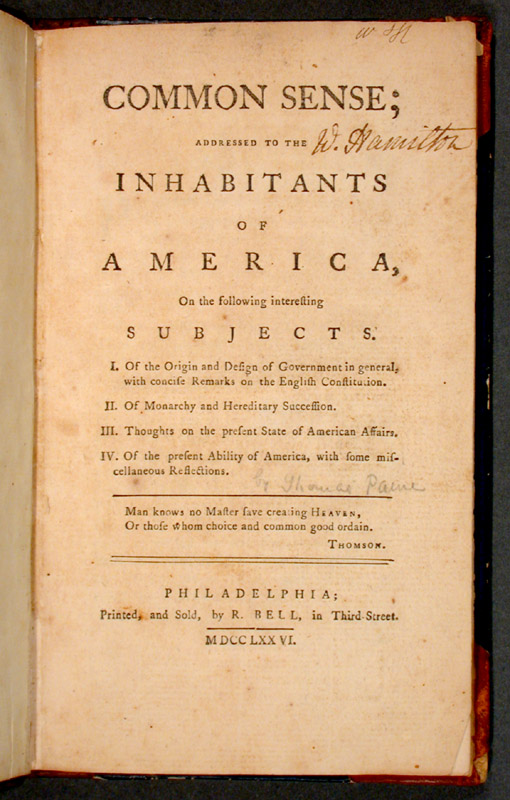 Book
Primary source
Common Sense
Thomas Paine · 10 January 1776
 Book
Primary source
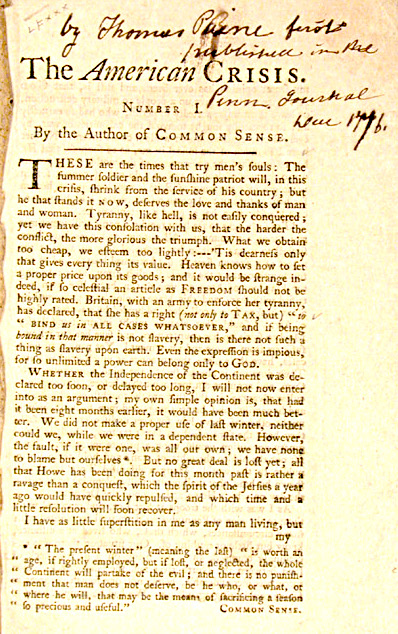
The American Crisis
Thomas Paine · 1776-1783
 Book
Primary source
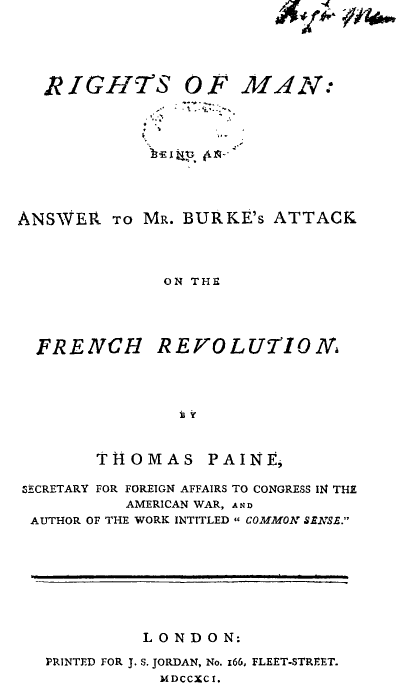
Rights of Man
Thomas Paine · 1791-1792
 Book
Primary source
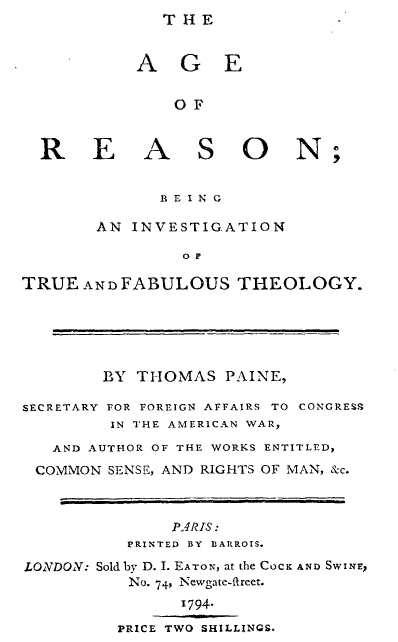
The Age of Reason
Thomas Paine · 1794-1807
 Document
Primary source
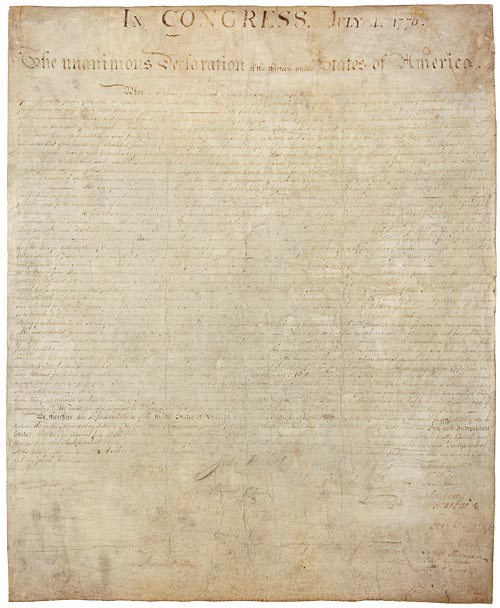
Declaration of Independence
Continental Congress (drafted by Thomas Jefferson) · 1776
Ready when you are
Start chatting with Thomas Paine now.
20 messages free · No credit card · Available in 50+ languages.