


Secondary sourcePainting
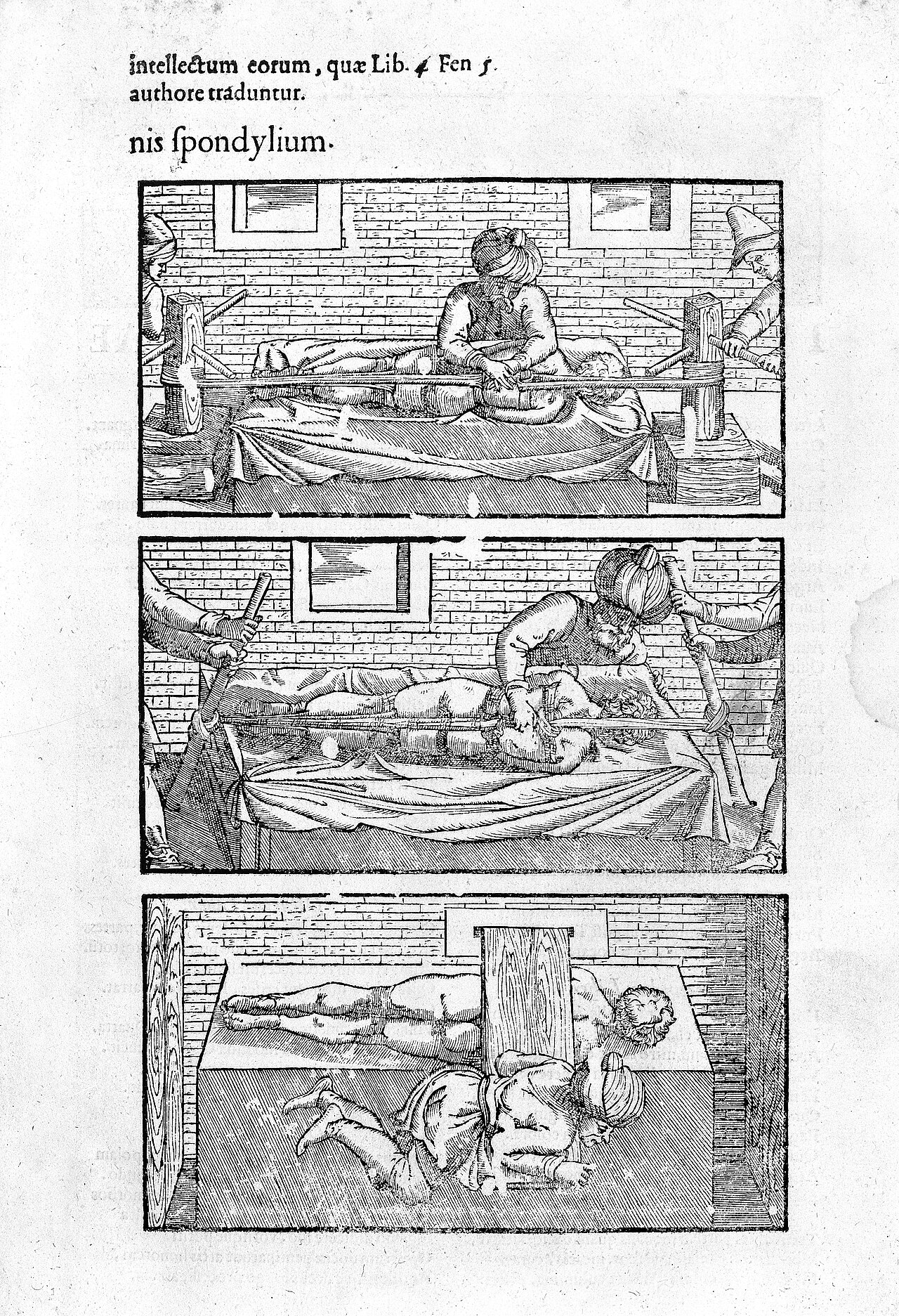
Luxation: nis Spondylium
A woodcut illustration of treatments for spinal dislocation, based on surgical methods described in Avicenna's medical writings.
Depicts surgical traction methods described in Avicenna's medical writings, showing his lasting influence on treatment of injuries.
About this source
What it is
This woodcut print shows three scenes of patients being treated for a dislocated spine using traction methods. It comes from a printed edition illustrating Avicenna's surgical teachings, with a Latin heading at the top of the page.
Why it matters
Avicenna's medical texts remained standard references for physicians for centuries. This illustration shows how later printers and editors visualized his instructions for treating spinal injuries, revealing both the persistence of his influence and how harsh medieval treatments could be.
Look closer
- What do the ropes, boards, and posts in the image tell you about how force was applied to treat the patient?
- Why might this image have been included in a printed medical book long after Avicenna's lifetime?
- What does the image not show about the patient's experience or recovery?
This painting is part of the curated material that grounds the AI version of Avicenna on Humy.ai — when students ask about related events, the AI can quote it and cite it.
More Avicenna sources
Meet the AI Avicenna →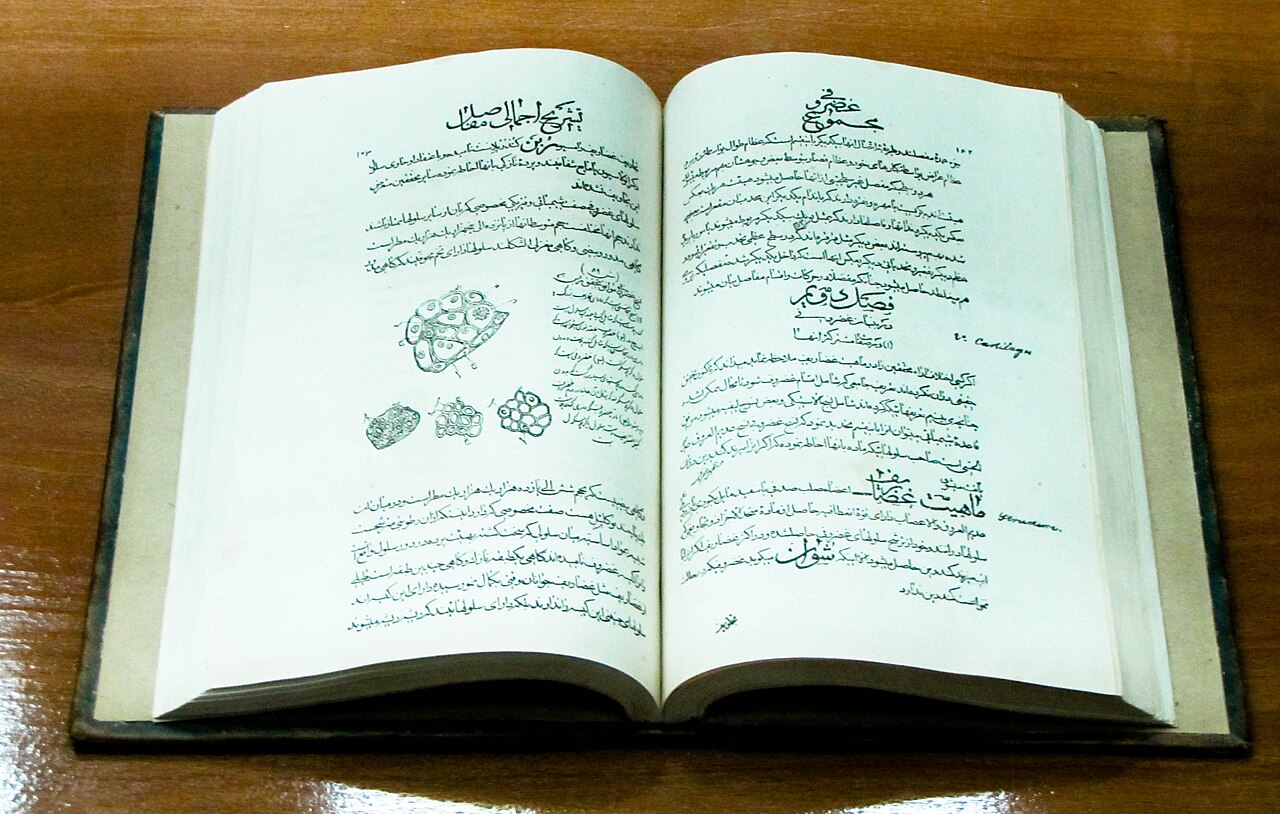 Book
Secondary source
Canon of Medicine
Avicenna · 1025
 Book
Primary source
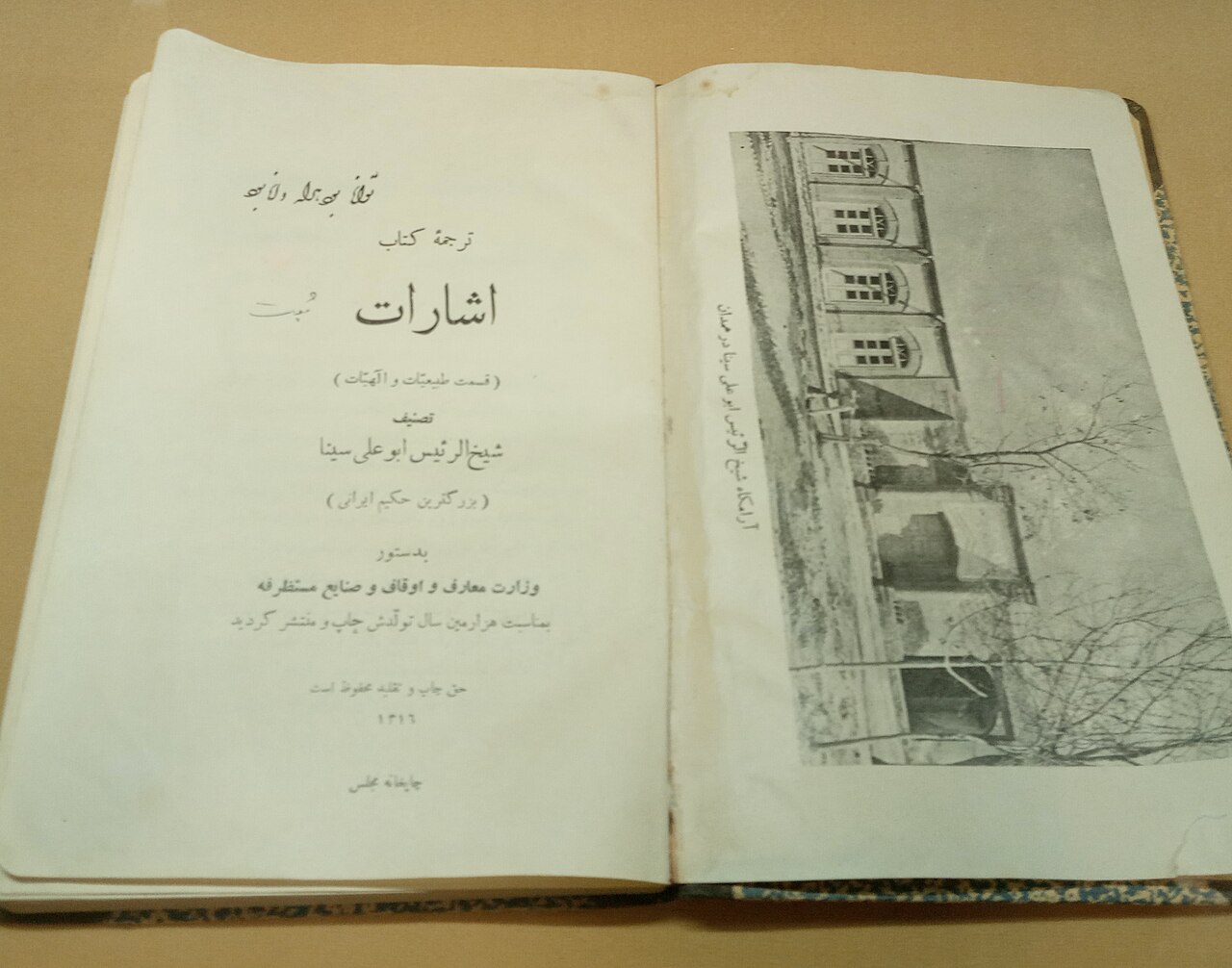
Al-Isharat wa al-Tanbihat
Avicenna
Secondary source
Commentary on Anatomy in Avicenna's Canon
Ibn al-Nafis · 13th century
 Painting
Secondary source
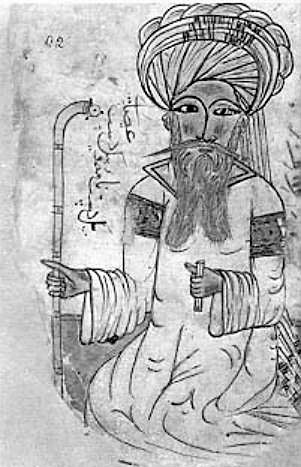
Avicenna (Subtilties of Truth manuscript image)
Beckwith · 1271
 Painting
Secondary source
Avicenna at the Sickbed
Walenty z Pilzna · c. 1479-1480
Ready when you are
Start chatting with Avicenna now.
20 messages free · No credit card · Available in 50+ languages.