


Primary sourcePaintingc. 1511-1512
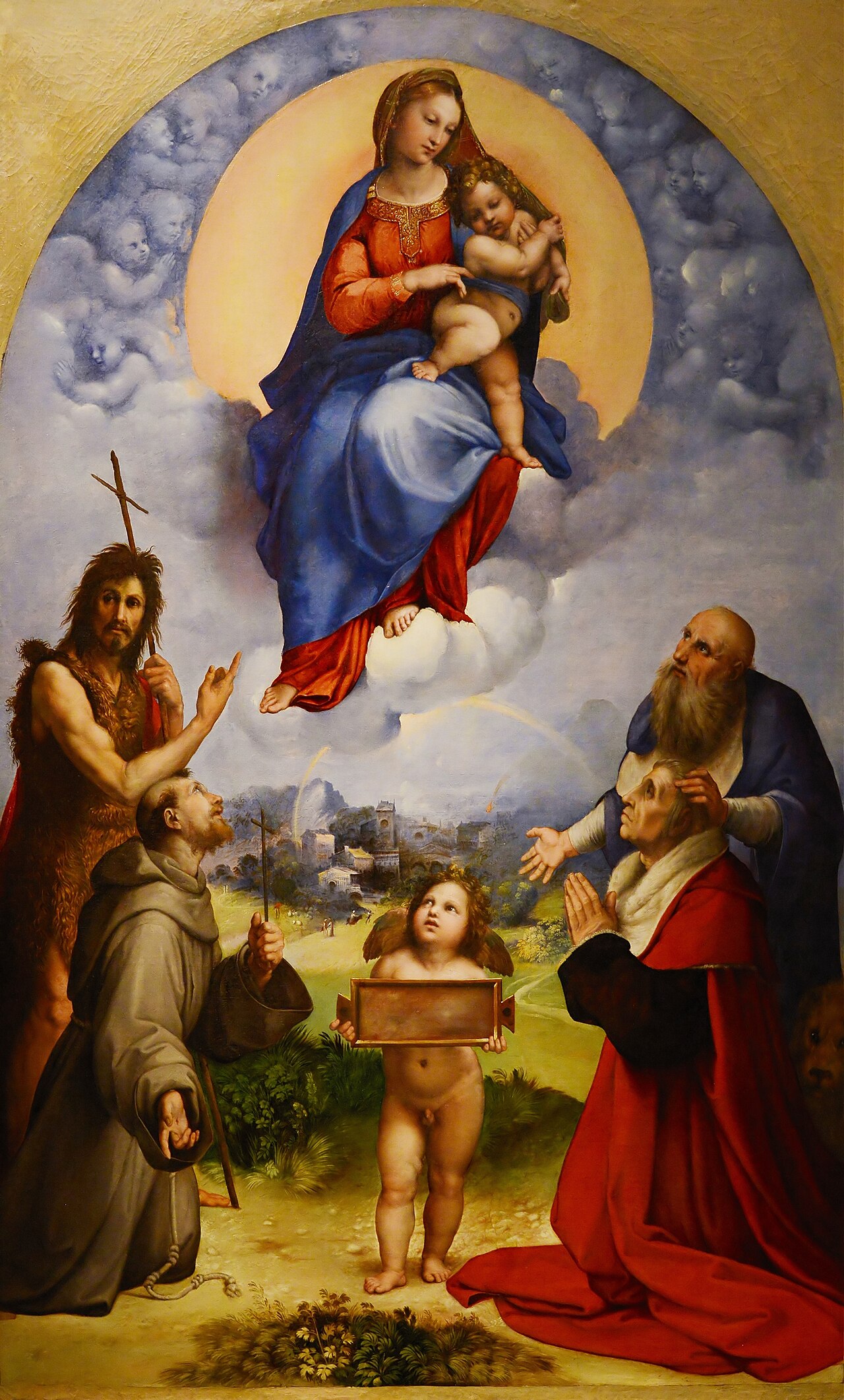
Madonna of Foligno
Raphael · c. 1511-1512
An altarpiece by Raphael commissioned by papal secretary Sigismondo de' Conti, showing his Roman altarpiece style.
Painted by Raphael, this altarpiece demonstrates his early Roman style and ties to papal circles.
About this source
What it is
The Madonna of Foligno is a painting by Raphael, made around 1511-1512, first on wood panel and later transferred to canvas. It is now held in the Pinacoteca Vaticana.
Why it matters
The painting was commissioned by Sigismondo de' Conti, chamberlain to Pope Julius II, to give thanks after he survived an explosion during the Siege of Foligno. It shows the Virgin and Christ Child surrounded by angels and saints, with Conti kneeling below, presented by Saint Jerome. The work reveals how Renaissance patrons used art to express personal gratitude and religious devotion, and shows Raphael's artistic maturity during his Roman period.
Look closer
- Why might Conti have wanted this scene to commemorate his survival rather than a simple written record?
- What does the blank sign held by the angel suggest about unfinished intentions in artworks?
- How does the composition draw your eye from the saints up toward the Virgin and Child?
This painting is part of the curated material that grounds the AI version of Raphael and Saint Francis on Humy.ai — when students ask about related events, the AI can quote it and cite it.
More Raphael sources
Meet the AI Raphael →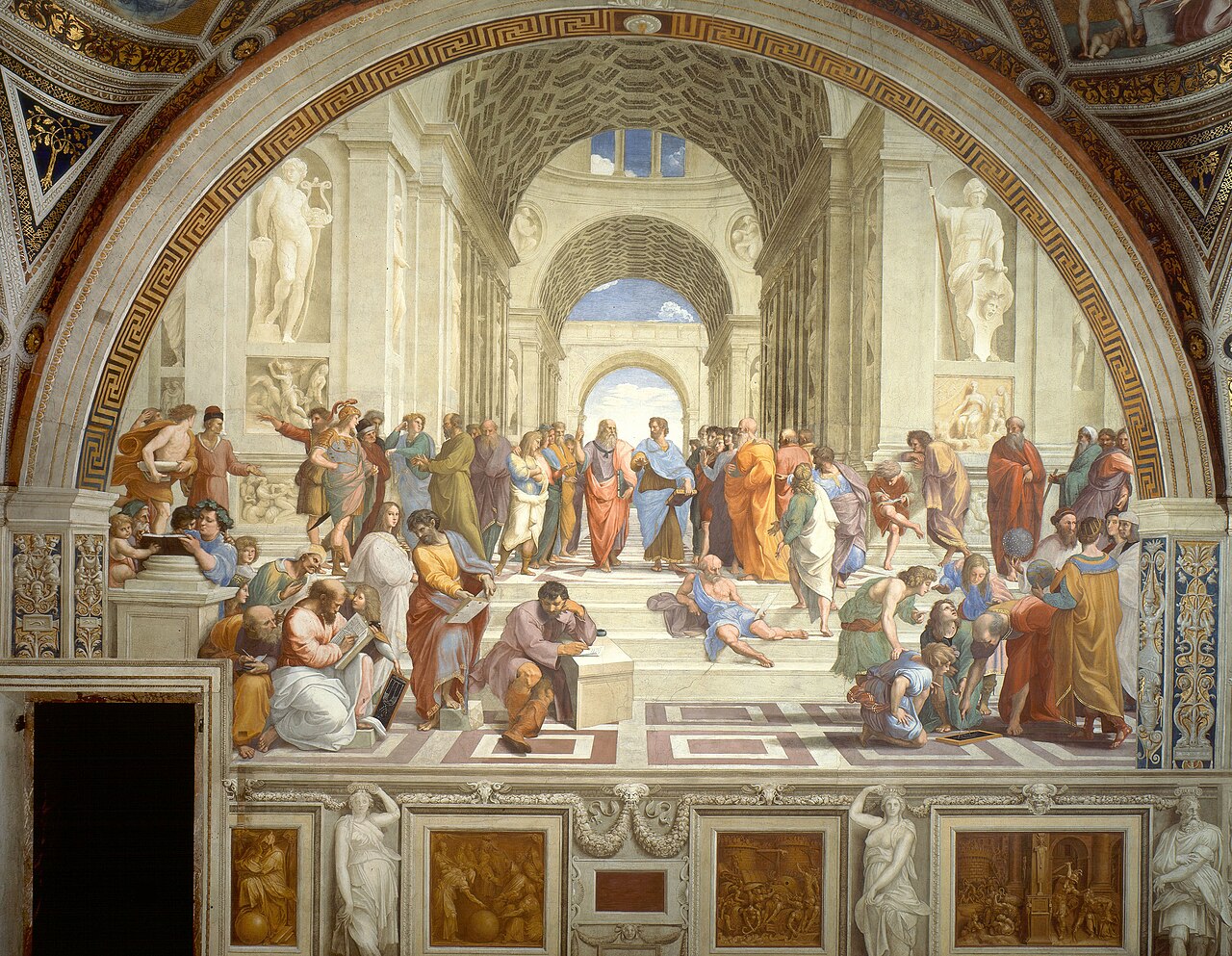 Painting
Secondary source
The School of Athens
Raphael · 1509-1511
 Painting
Secondary source
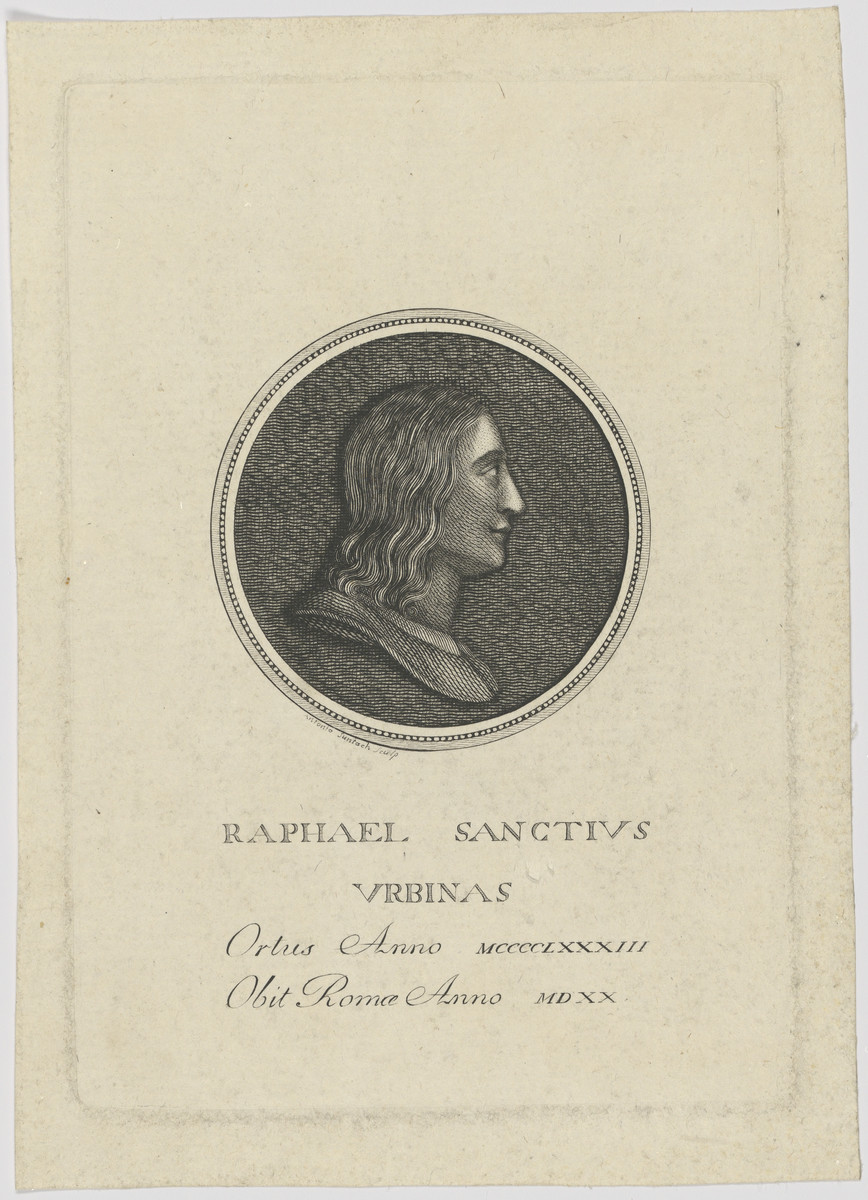
Portrait of Raphael Sanctive
Antonio Suntach
 Painting
Secondary source
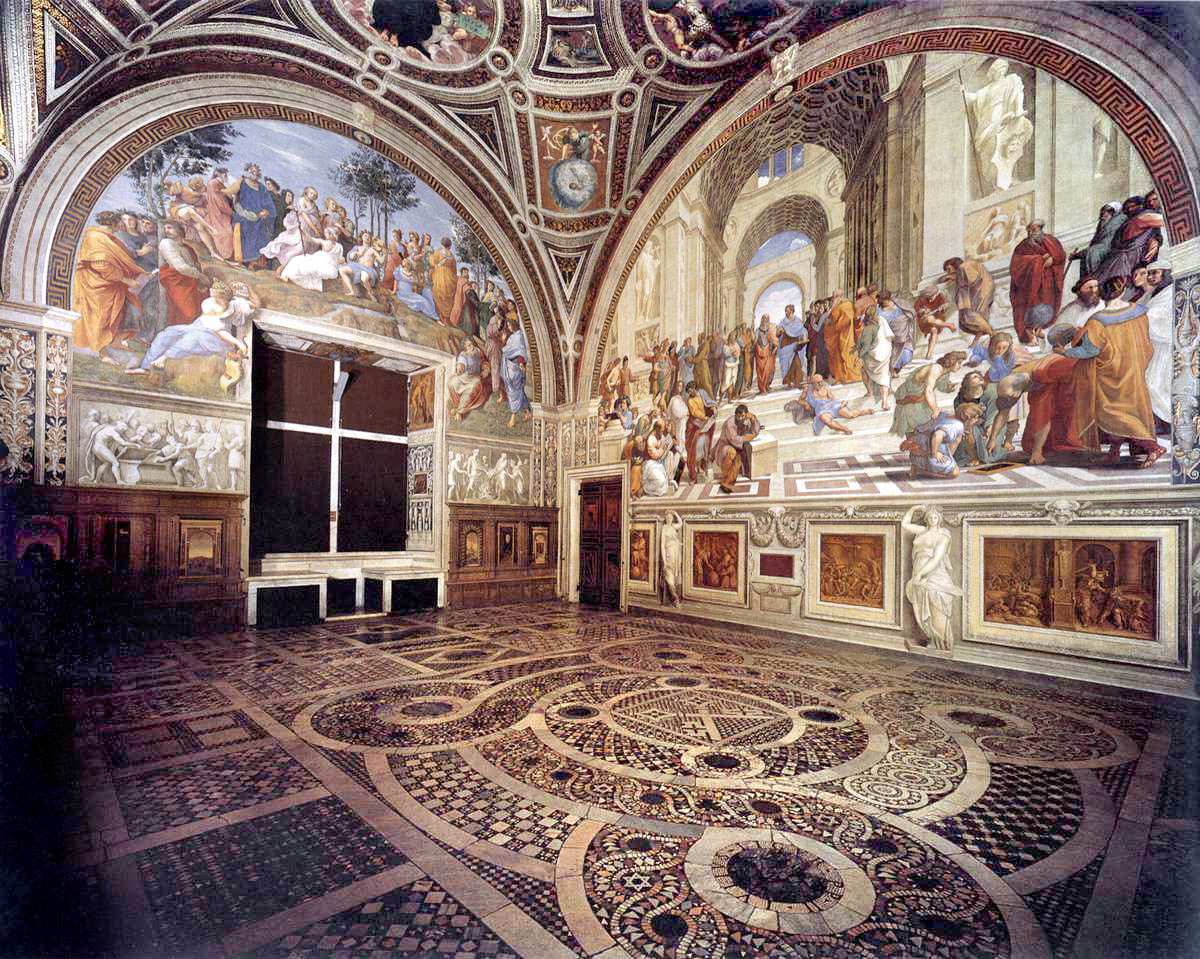
Raphael Rooms: Sala di Costantino
Raphael · 1508-1524
 Photograph
Secondary source
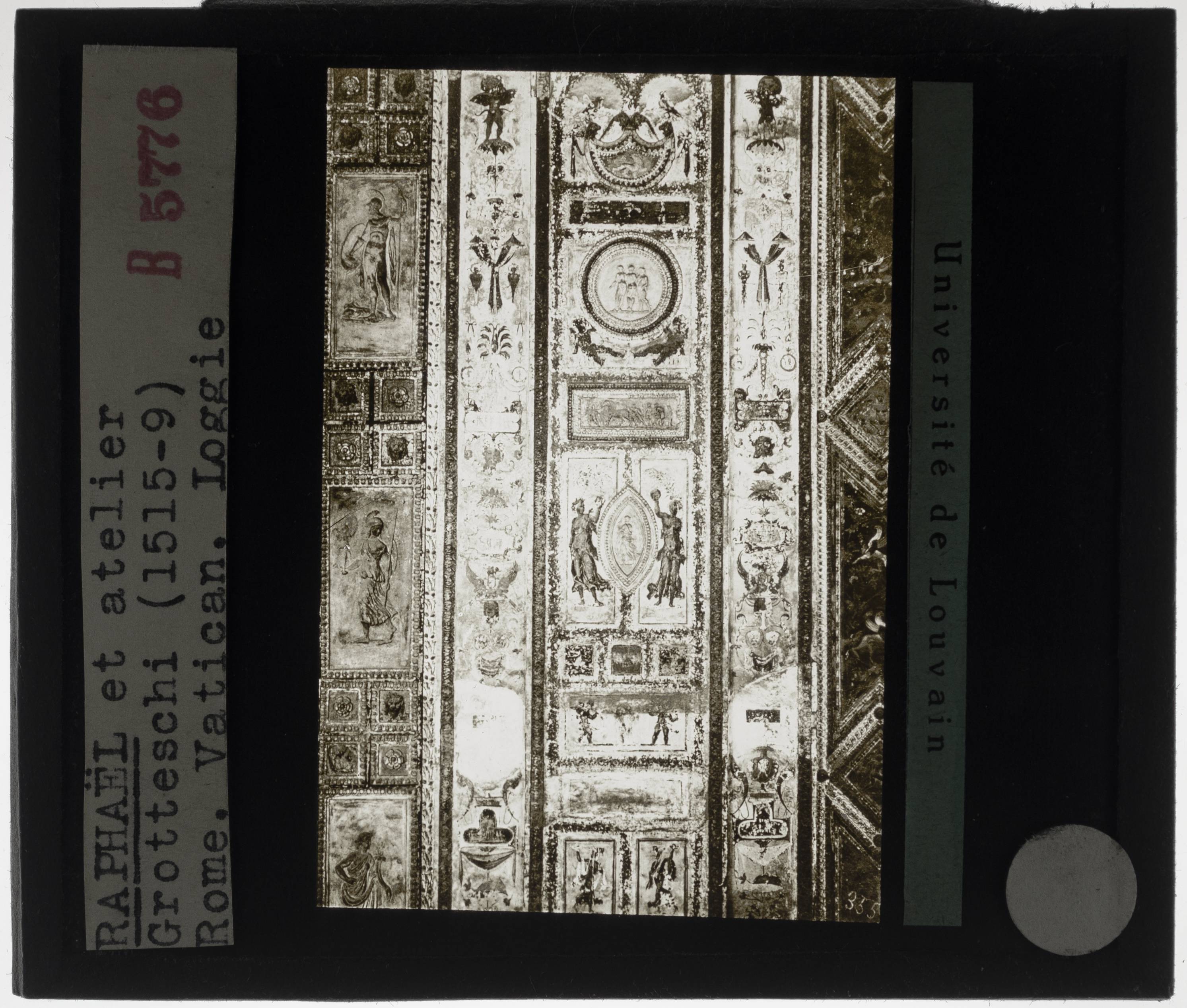
Glass Slide of Raphael's Grotesques in the Vatican
Raphael · 1518-1519 (fresco); slide made 1839-1939
 Painting
Primary source
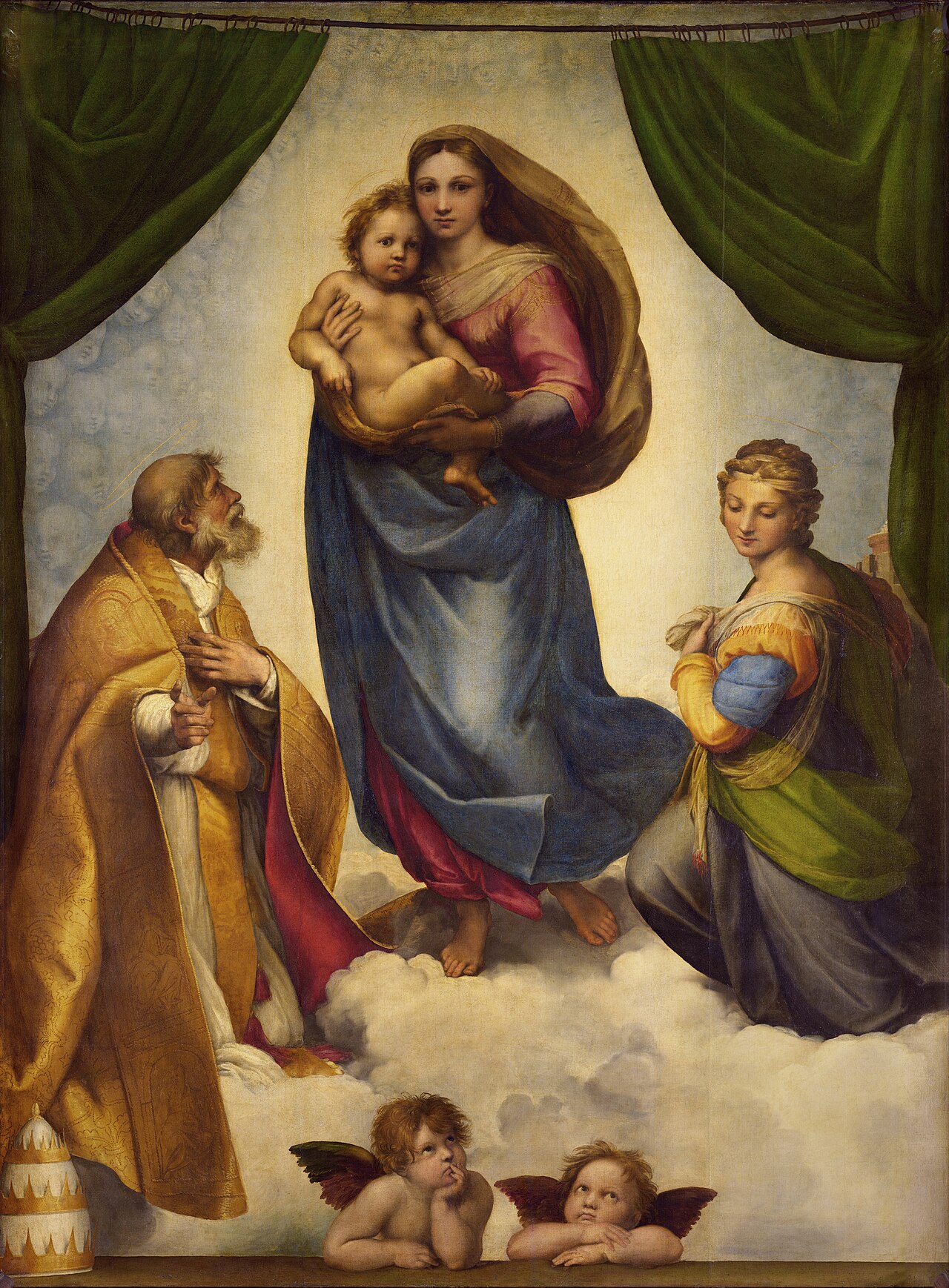
Sistine Madonna
Raphael · c. 1513-1514
Ready when you are
Start chatting with Raphael now.
20 messages free · No credit card · Available in 50+ languages.