


Primary sourceArtifact1555–1562
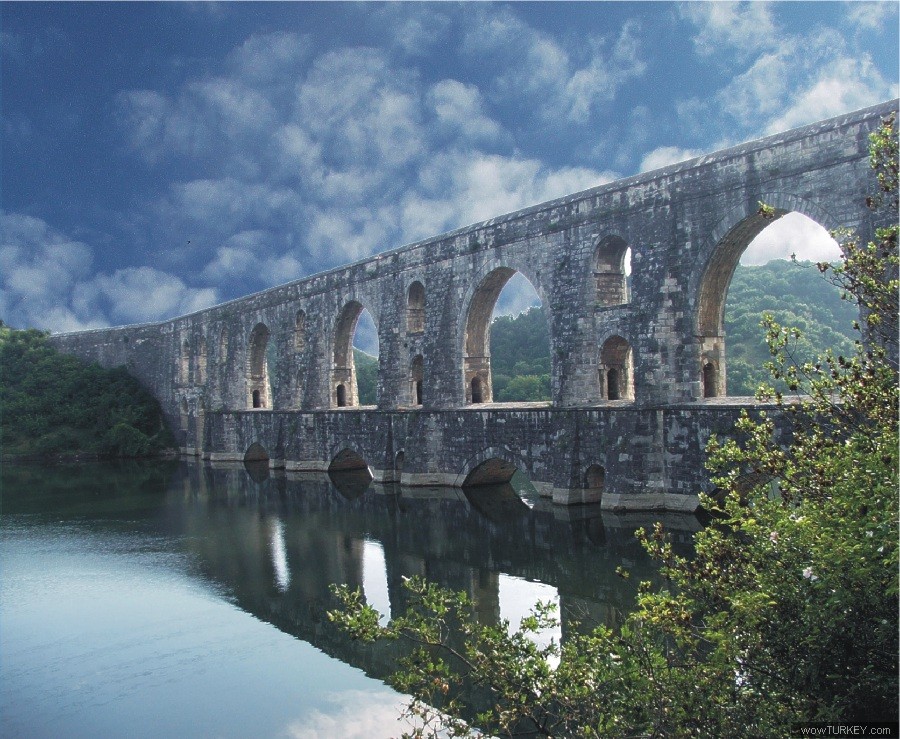
Mağlova Aqueduct
Mimar Sinan · 1555–1562
A stone aqueduct built by the architect Sinan as part of Istanbul's water system, commissioned on the order of Suleiman the Magnificent.
Suleiman commissioned this aqueduct as part of his capital's water system, showing his role as patron of major infrastructure.
About this source
What it is
The Mağlova Aqueduct is a tall, double-tiered stone arch bridge built between 1555 and 1562 by the architect Sinan, as part of the Kırkçeşme water system supplying Istanbul. It still carries water today and stands near Cebeci village.
Why it matters
The aqueduct shows Suleiman the Magnificent's investment in the infrastructure of his capital, not just in mosques or palaces. It reveals the scale of Ottoman engineering under Sinan, one of the empire's greatest architects, and the sultan's role as patron of public works that served ordinary city dwellers.
Look closer
- What does building a structure this large tell you about the resources and planning of the Ottoman state?
- Why might a ruler want his name attached to something as practical as a water system, rather than only grand monuments?
- What does the aqueduct's survival and continued use suggest about the quality of Ottoman engineering?
This artifact is part of the curated material that grounds the AI version of Suleiman the Magnificent on Humy.ai — when students ask about related events, the AI can quote it and cite it.
More Suleiman the Magnificent sources
Meet the AI Suleiman the Magnificent →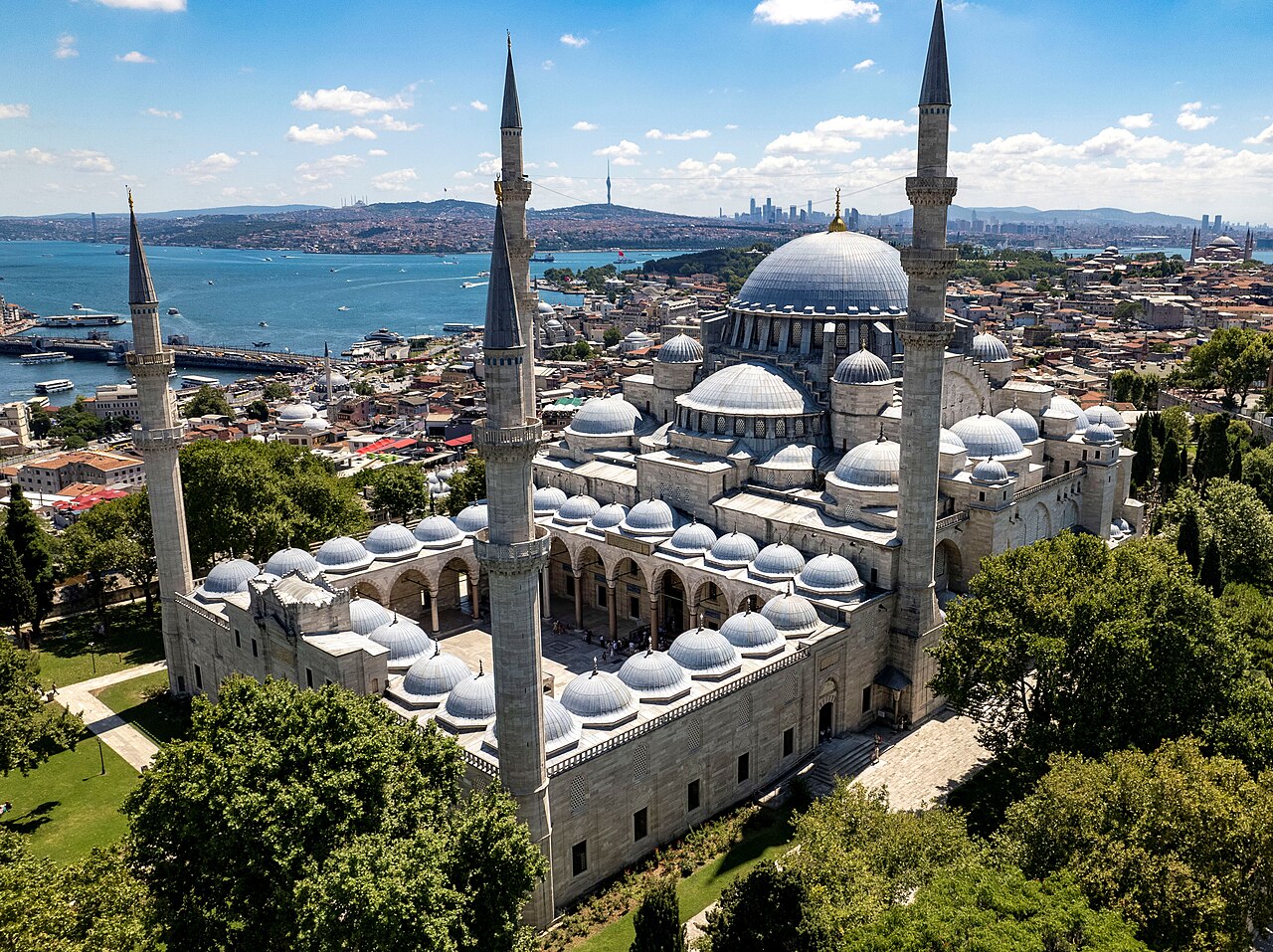 Artifact
Primary source
Süleymaniye Mosque
Mimar Sinan · 1550-1557
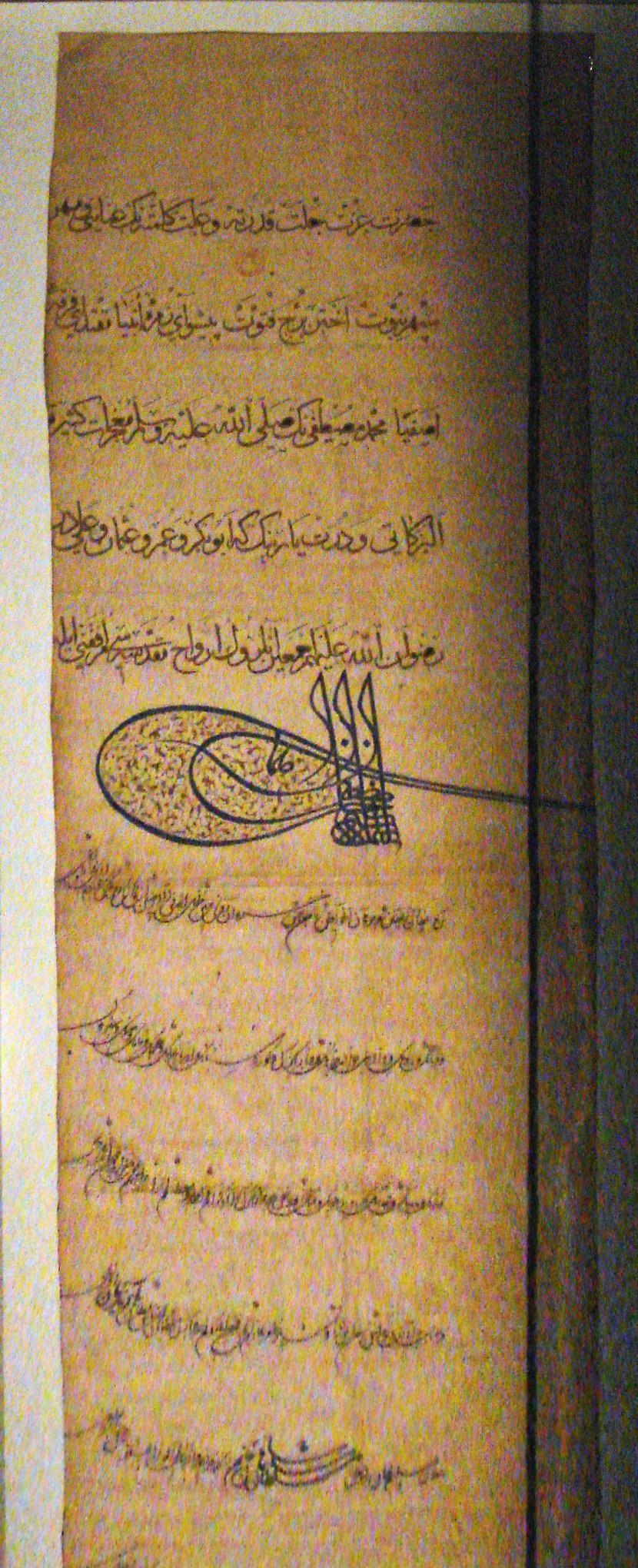 Letter
Primary source
Letter to the King of France
Suleiman the Magnificent · 1526
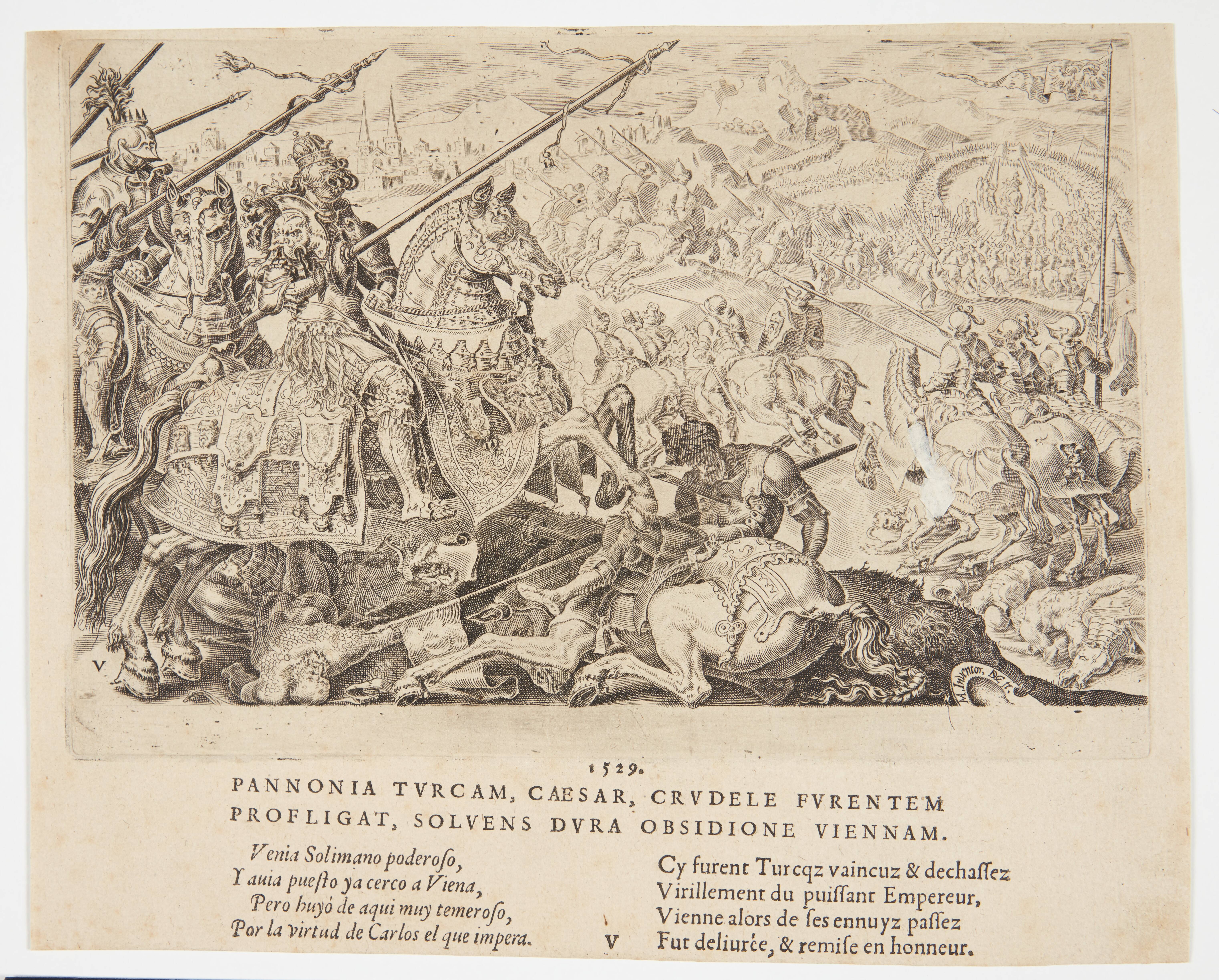 Painting
Primary source
Suleiman the Magnificent Forced to Raise the Siege of Vienna
1555
 Painting
Secondary source
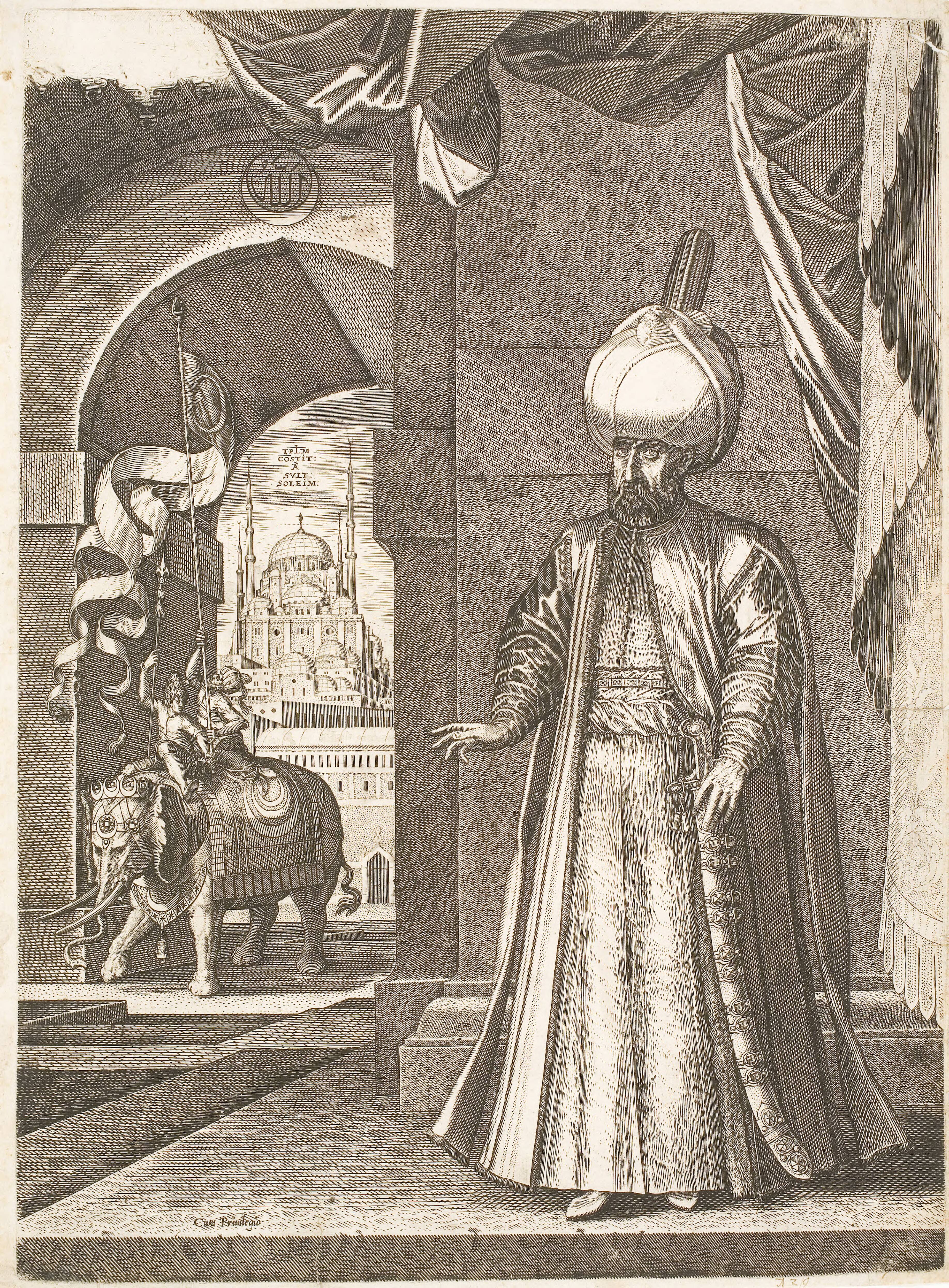
Standing Portrait of Sultan Suleiman the Magnificent
1574
 Artifact
Primary source
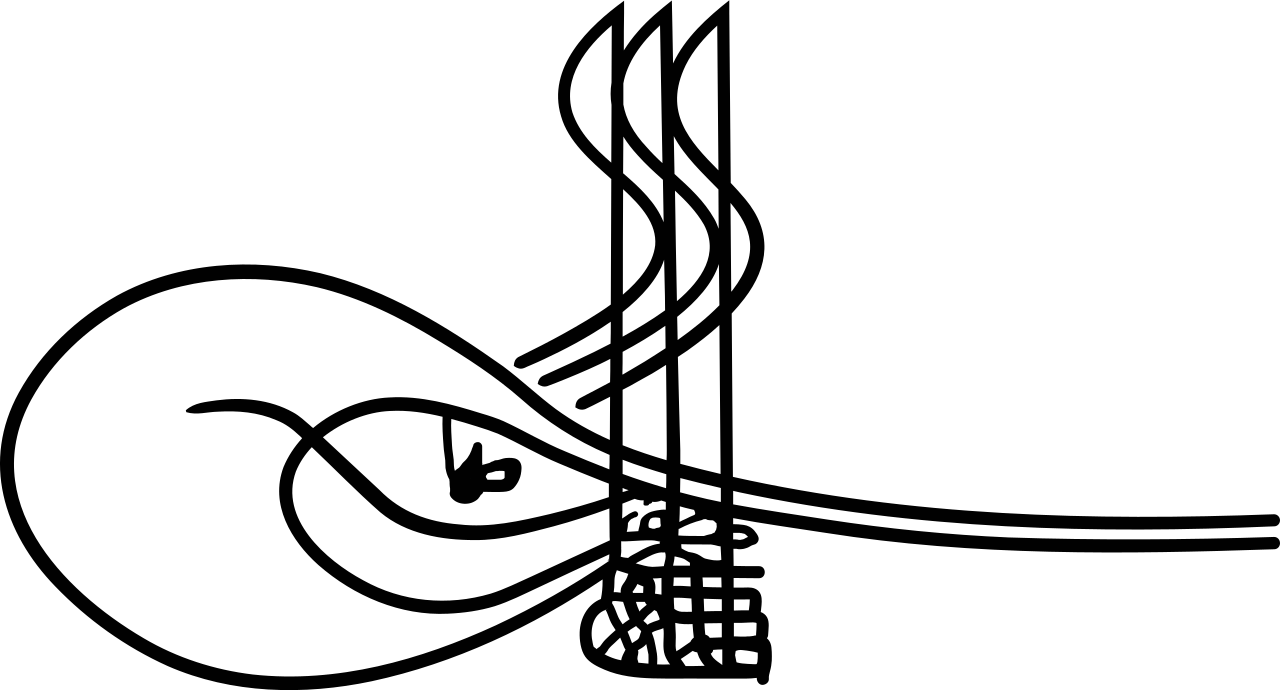
Tughra of Suleiman the Magnificent
Ready when you are
Start chatting with Suleiman the Magnificent now.
20 messages free · No credit card · Available in 50+ languages.