


Primary sourceDocument1215
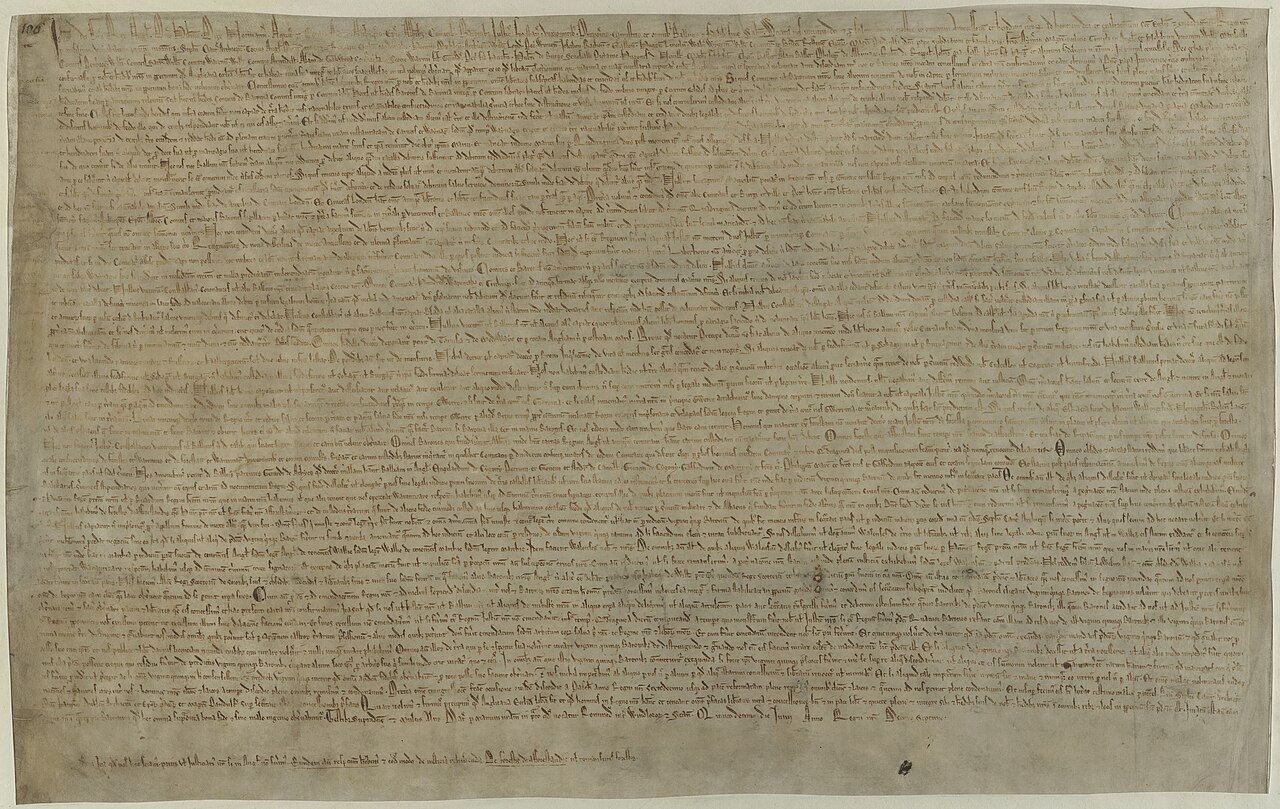
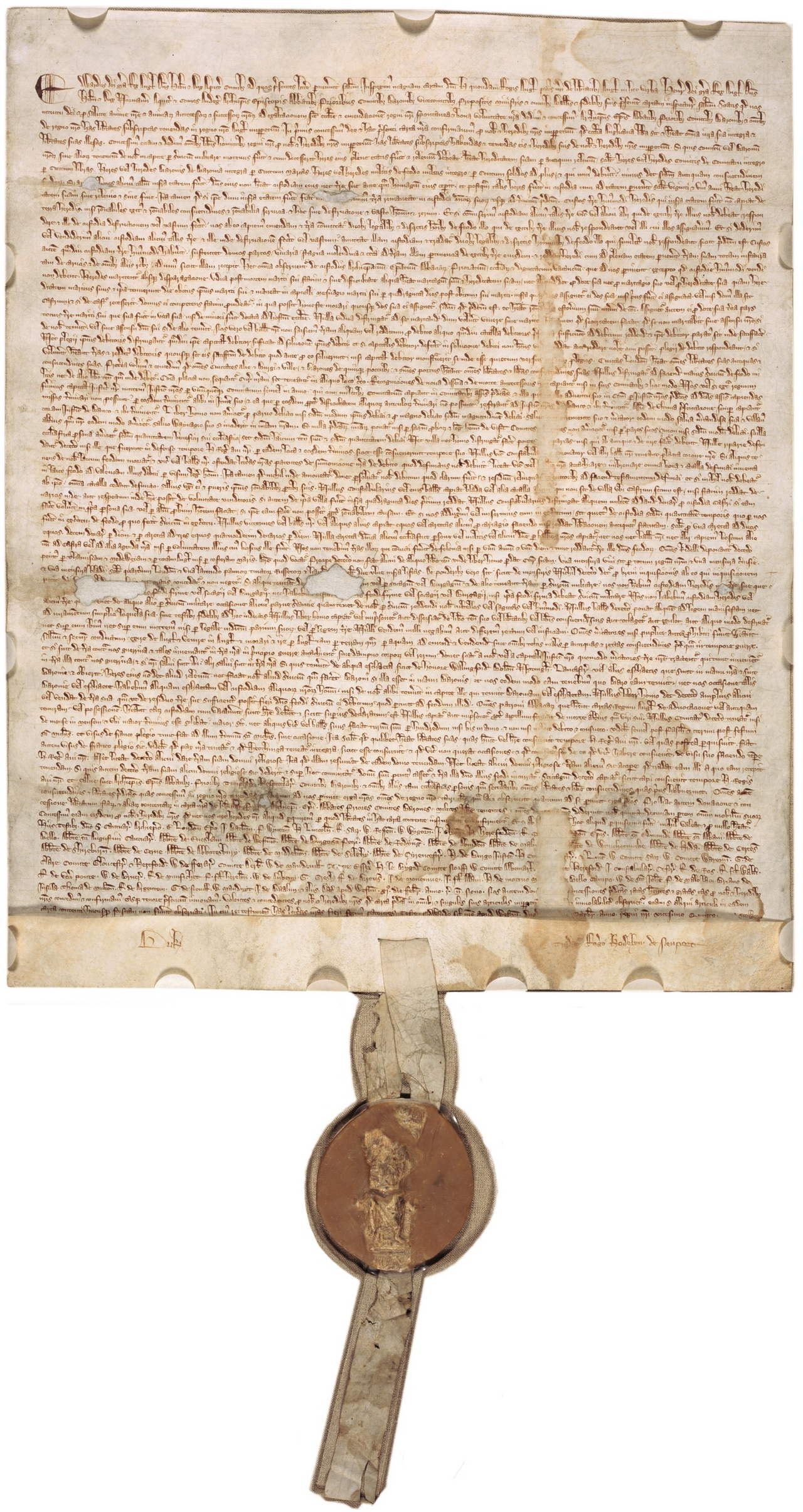
Magna Carta 1215, Cotton Augustus II.106
Royal Chancery scribes of King John · 1215
One of the two surviving 1215 originals of Magna Carta held by the British Library, the best-preserved copy sealed by King John at Runnymede.
This is the best-preserved 1215 original of the charter itself, letting students read its actual clauses.
About this source
What it is
This is one of four surviving exemplifications of Magna Carta from 1215, written by scribes of the royal chancery of King John. It is held today by the British Library and is considered the best-preserved and most legible of the two 1215 originals there.
Why it matters
Magna Carta was issued by King John at Runnymede in June 1215 after a confrontation with his barons. This copy lets students actually read the clauses sealed that day, including clauses 39 and 40, which later generations invoked again and again to limit royal power and protect individual liberty.
Look closer
- What does the condition of the parchment tell you about how it has survived for over 800 years?
- Why might several copies of the same charter have been made and sent out?
- What do clauses 39 and 40 actually promise, and to whom?
This document is part of the curated material that grounds the AI version of Magna Carta on Humy.ai — when students ask about related events, the AI can quote it and cite it.
More Magna Carta sources
Meet the AI Magna Carta →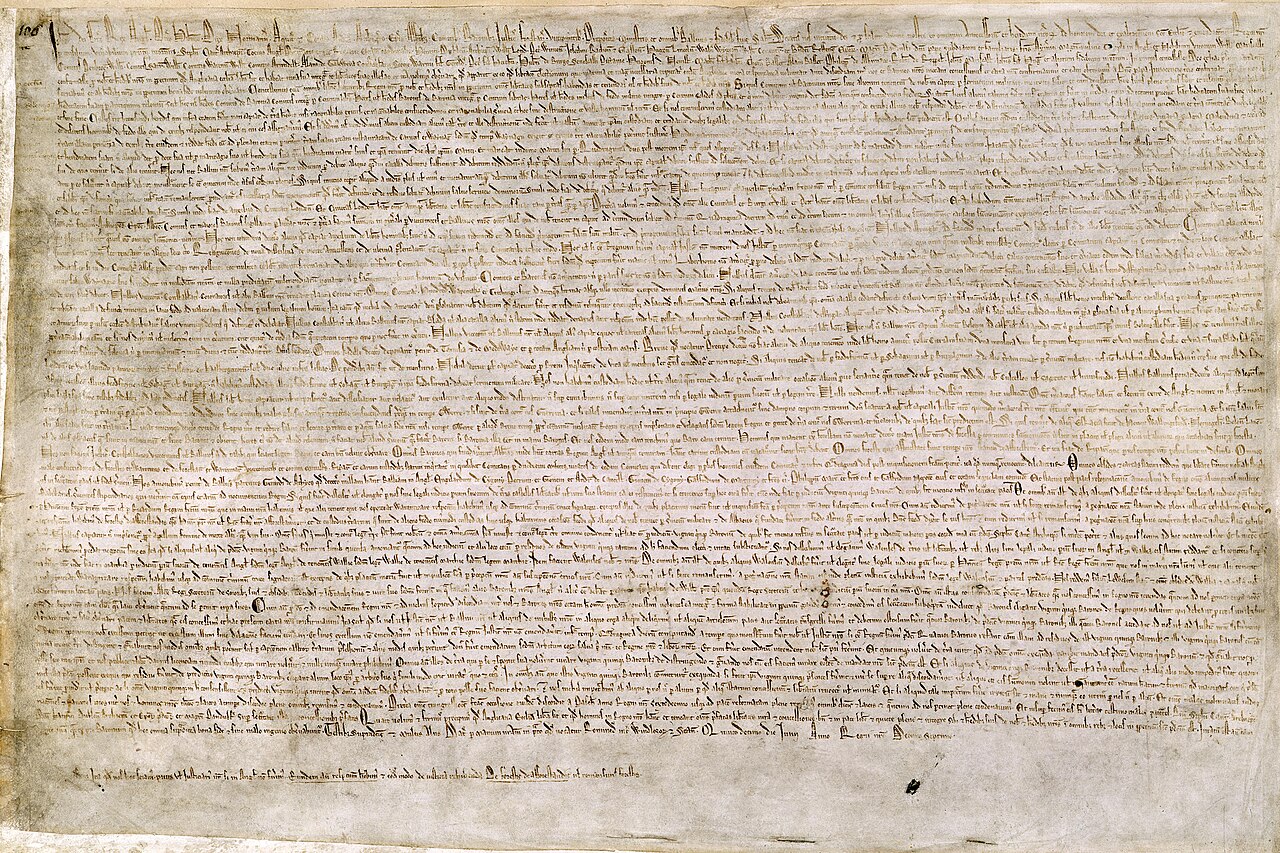 Document
Primary source
Magna Carta (1215 Exemplification)
1215
 Document
Primary source
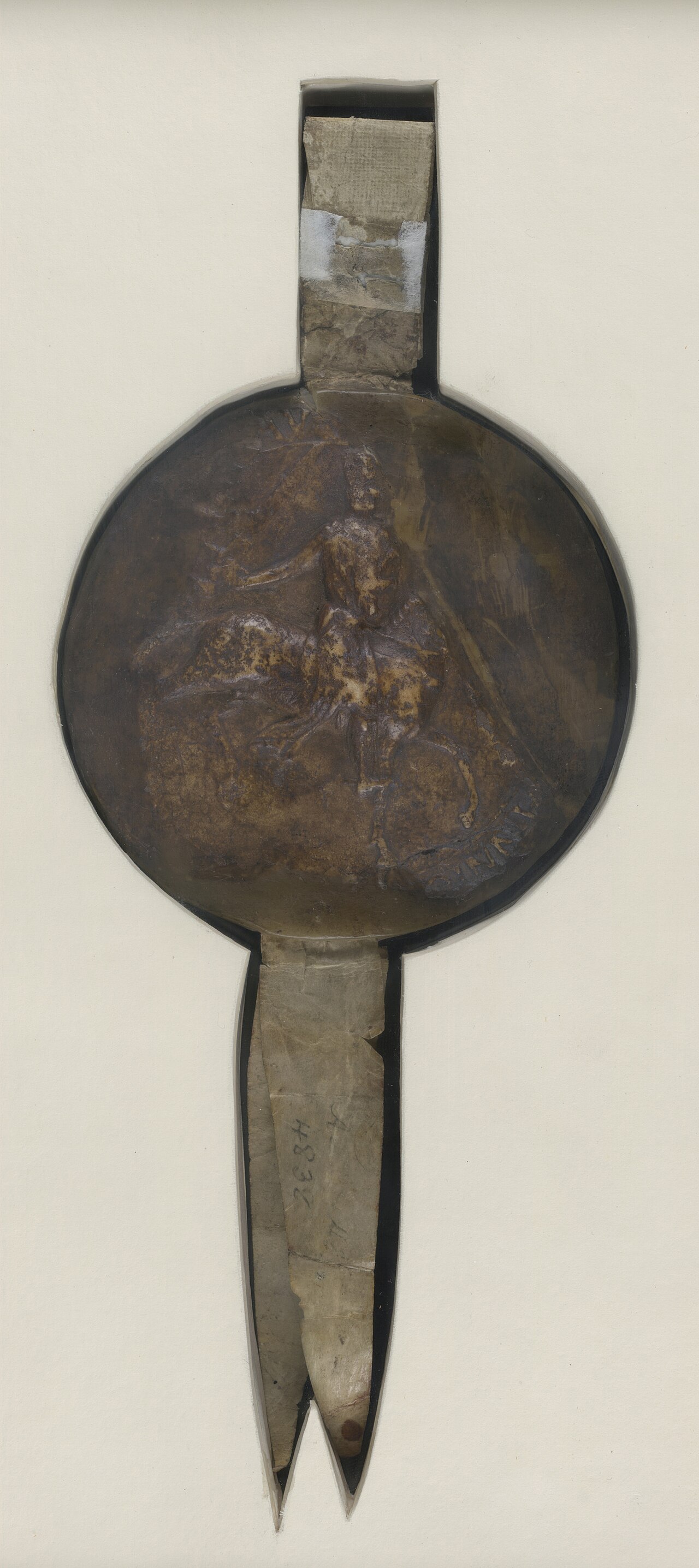
Articles of the Barons
1215
 Document
Primary source
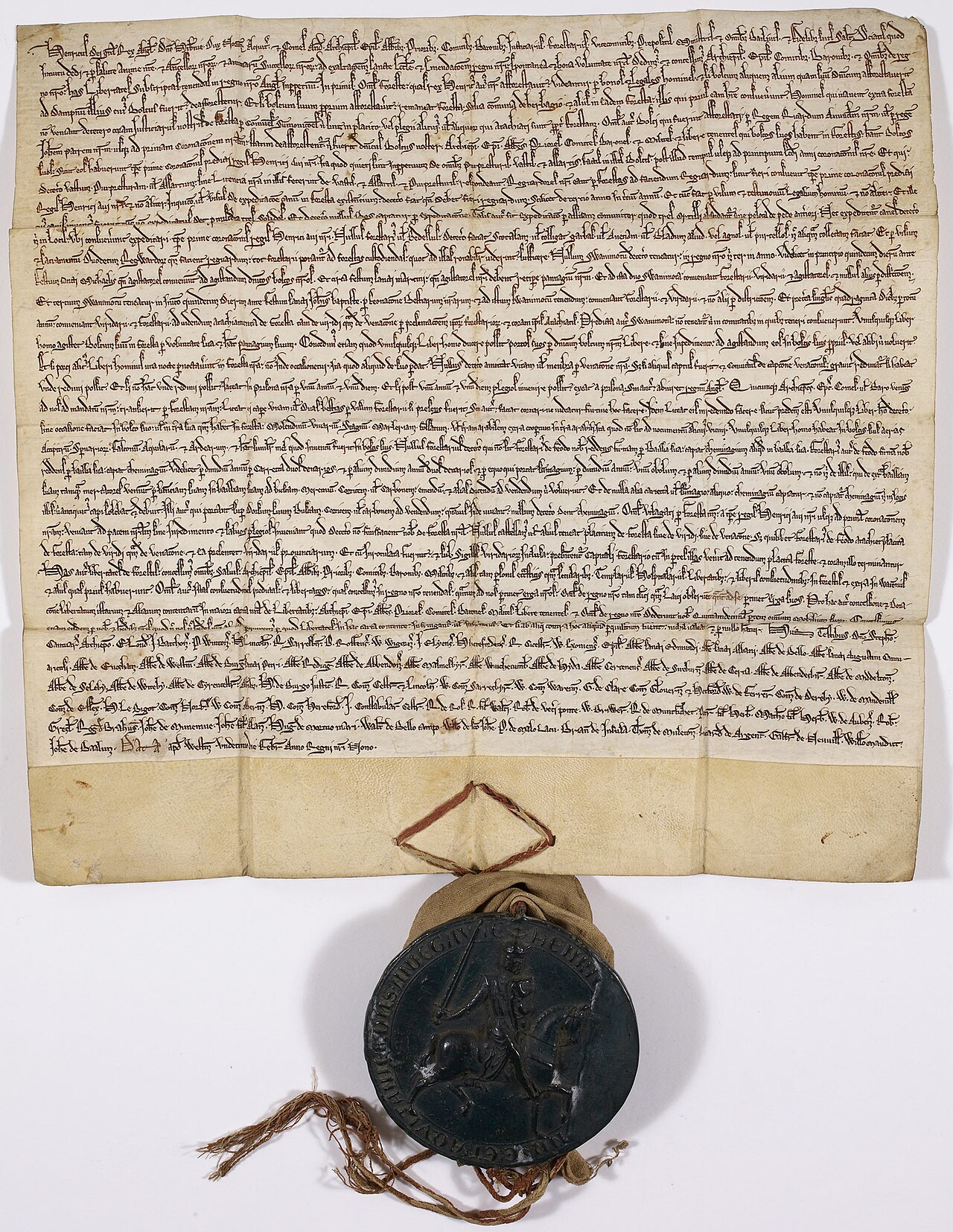
Charter of the Forest
1217
 Document
Primary source
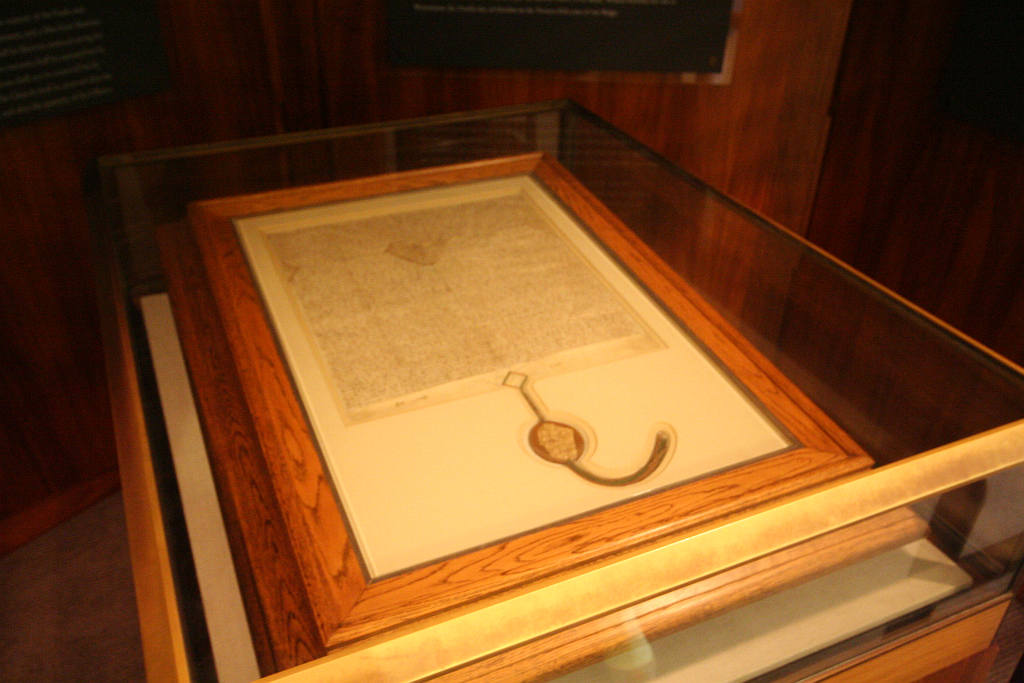
Magna Carta 1297 (National Archives, Washington)
Edward I of England · 1297
 Document
Primary source
Magna Carta 1297 (Parliament House, Canberra)
Edward I of England · 1297
Ready when you are
Start chatting with Magna Carta now.
20 messages free · No credit card · Available in 50+ languages.