


Secondary sourceDocument1733
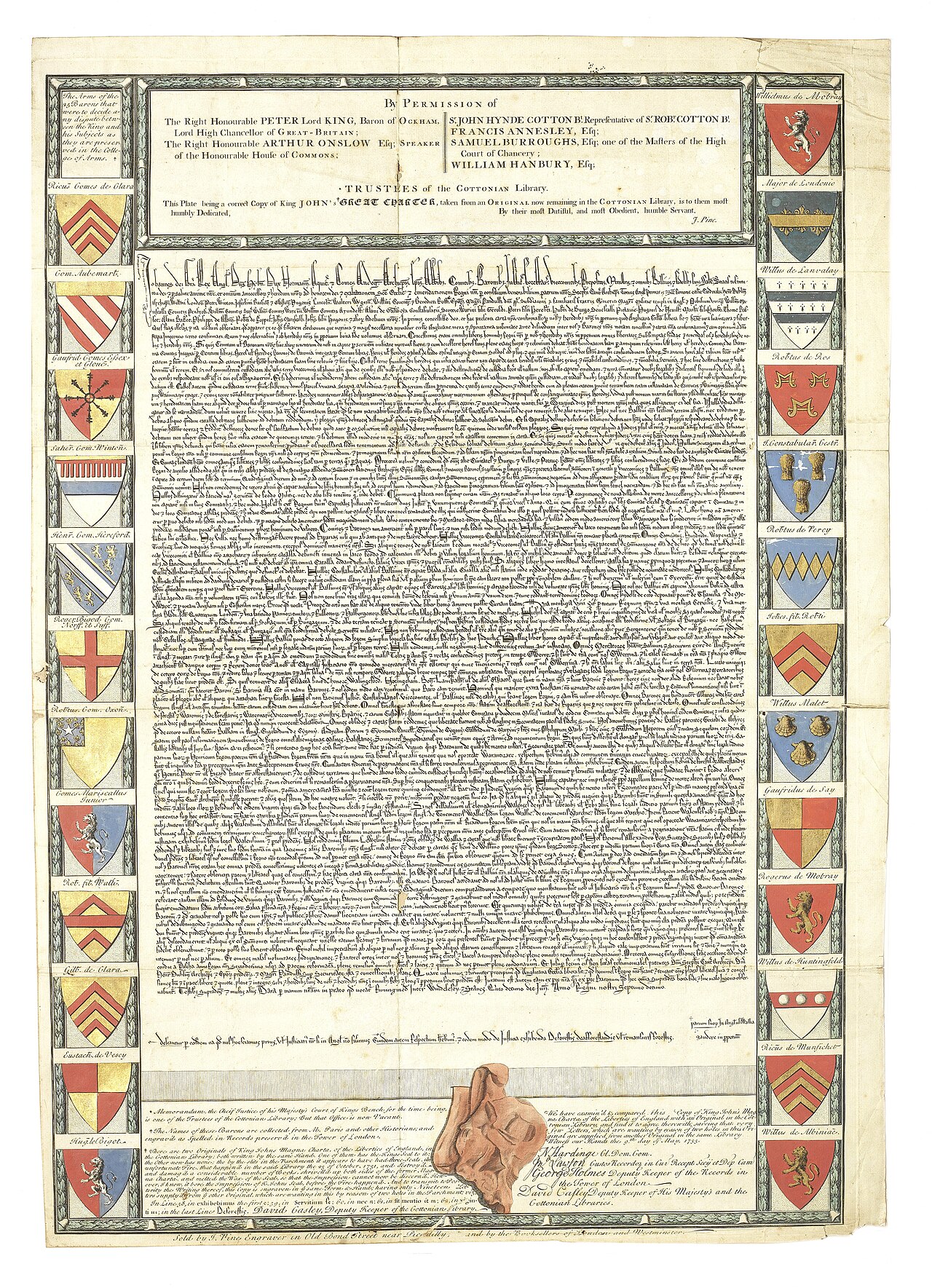
Magna Carta facsimile engraving by John Pine
John Pine · 1733
A decorative 1733 engraved copy of Magna Carta's text, surrounded by the coats of arms of the barons who forced King John to agree to it.
This 1733 facsimile records and celebrates the text of Magna Carta, showing its later status as a symbol of liberty.
About this source
What it is
This is an engraved facsimile of the Magna Carta text made by John Pine in 1733, now held by the British Library. It reproduces the charter's wording and is decorated with the coloured coats of arms of the barons, a dedication panel, and a representation of King John's Great Seal, all framed with oak leaf borders.
Why it matters
This print was made more than 500 years after Magna Carta itself, at a time when it had become a celebrated symbol of English liberty. By recording the text of the original Cotton copy before it was later damaged, and by honouring the barons with heraldic shields, it shows how eighteenth-century Britons viewed Magna Carta and the barons who won it from King John as founders of their constitutional rights.
Look closer
- Why might someone in 1733 want to make an elaborate decorated copy of a document from the 1200s?
- What does the inclusion of the barons' coats of arms suggest about who this print wanted to honour?
- How is a facsimile different from the original document itself?
This document is part of the curated material that grounds the AI version of Magna Carta on Humy.ai — when students ask about related events, the AI can quote it and cite it.
More Magna Carta sources
Meet the AI Magna Carta →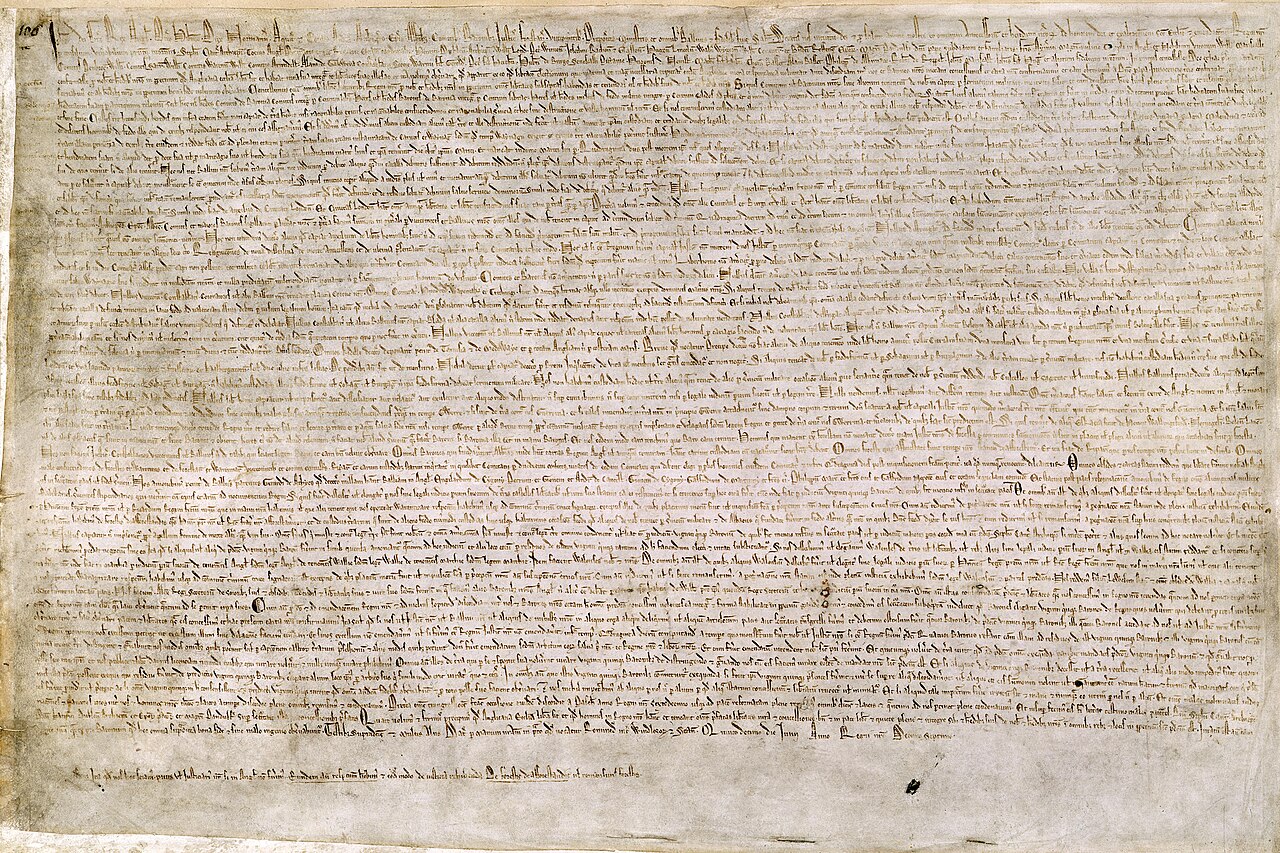 Document
Primary source
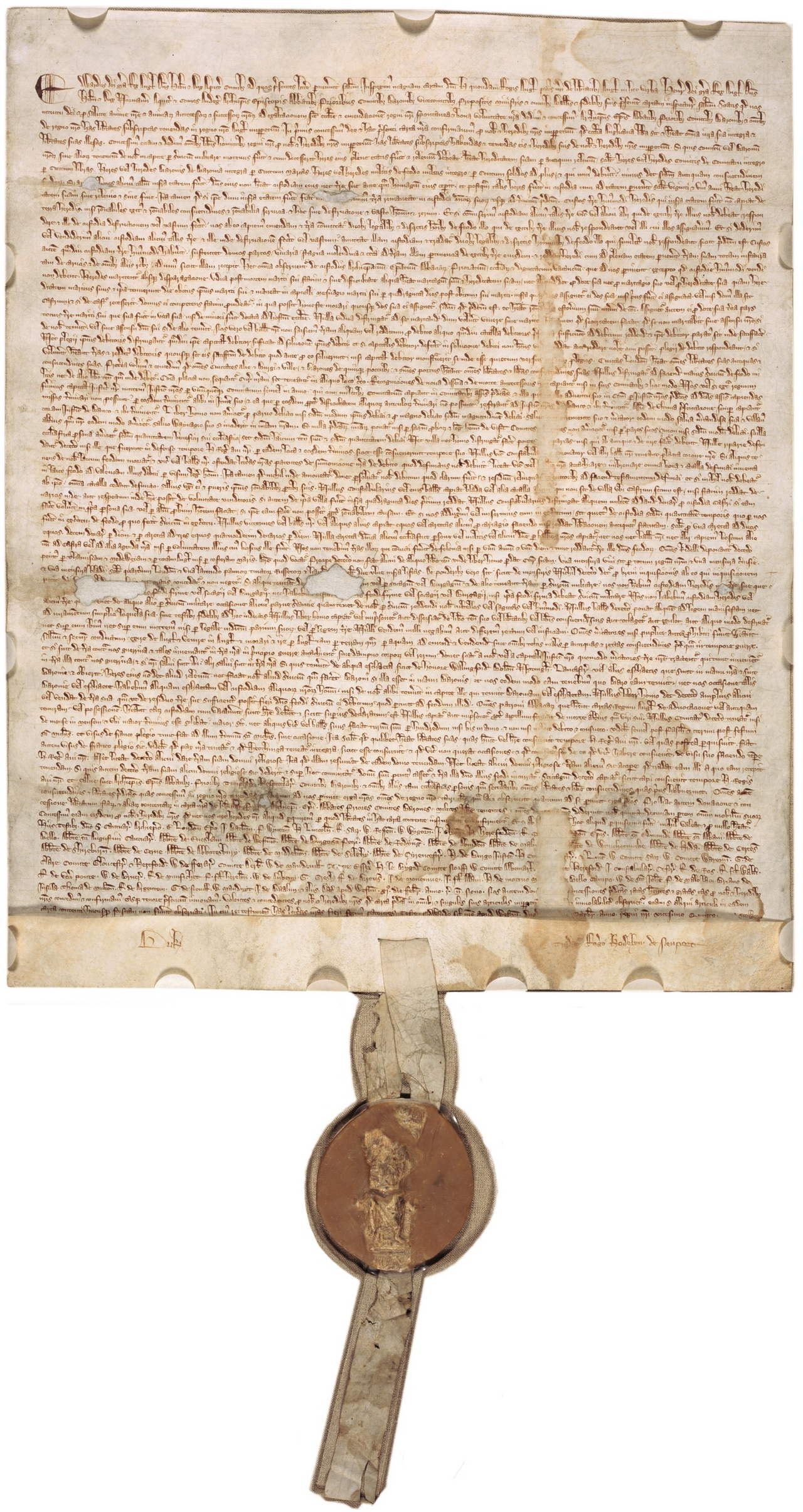
Magna Carta (1215 Exemplification)
1215
 Document
Primary source
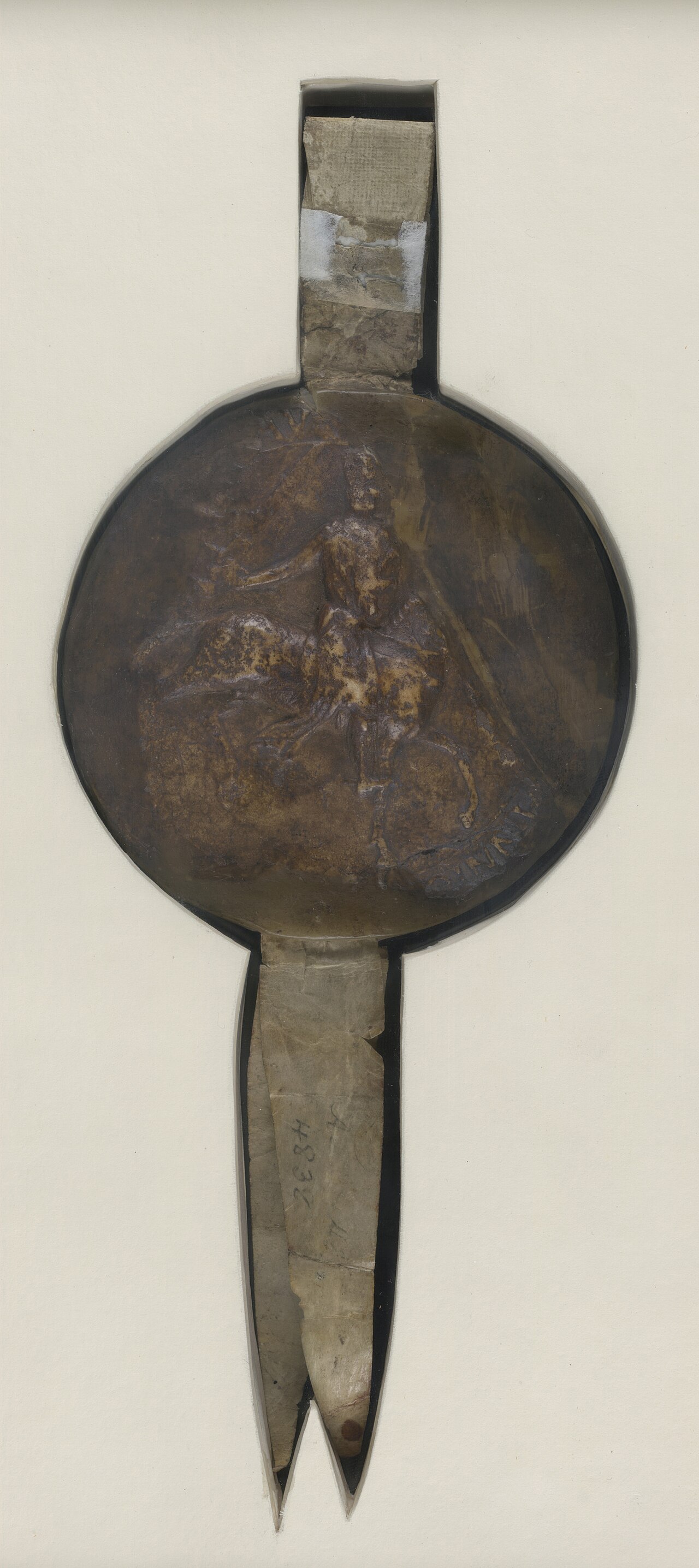
Articles of the Barons
1215
 Document
Primary source
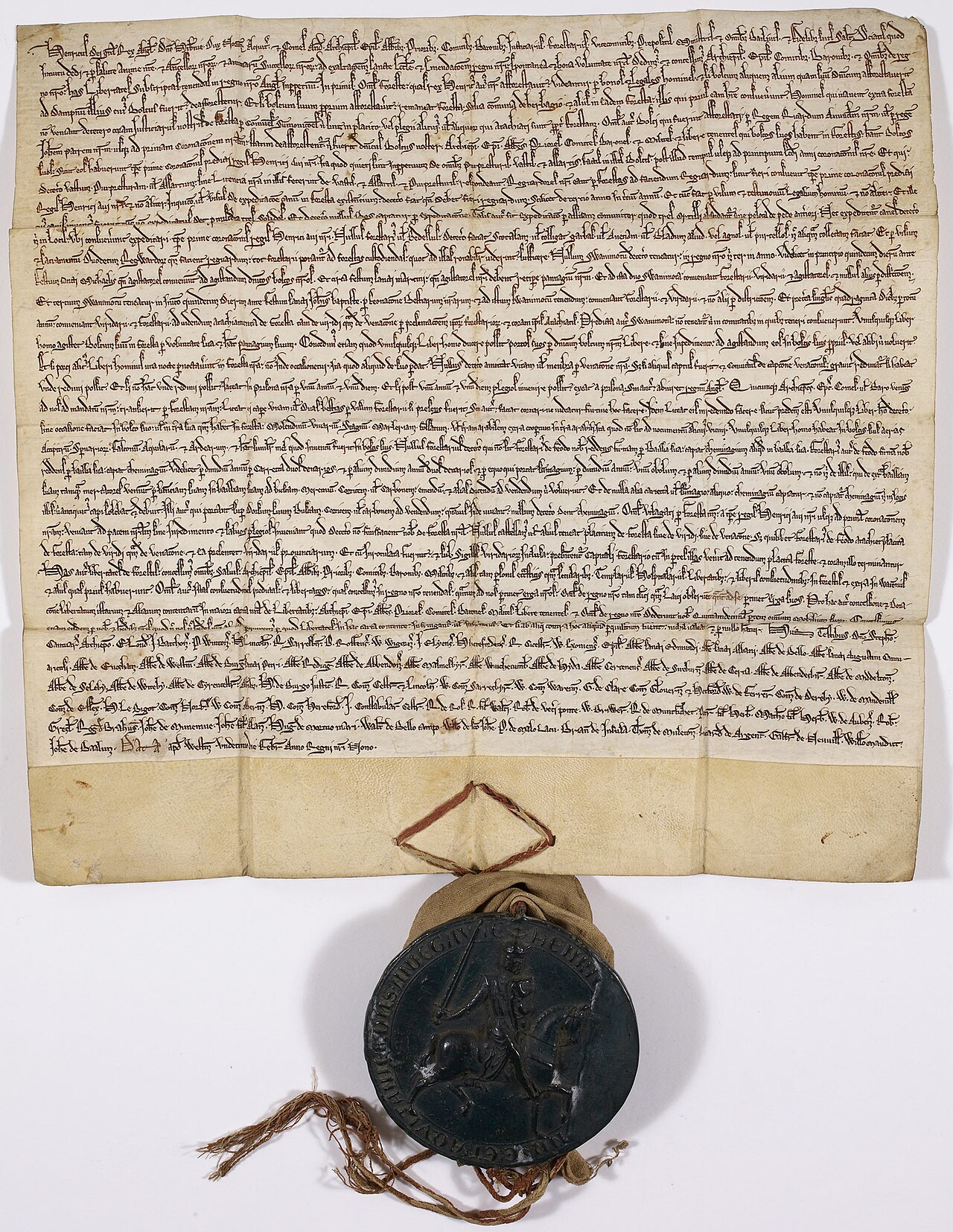
Charter of the Forest
1217
 Document
Primary source
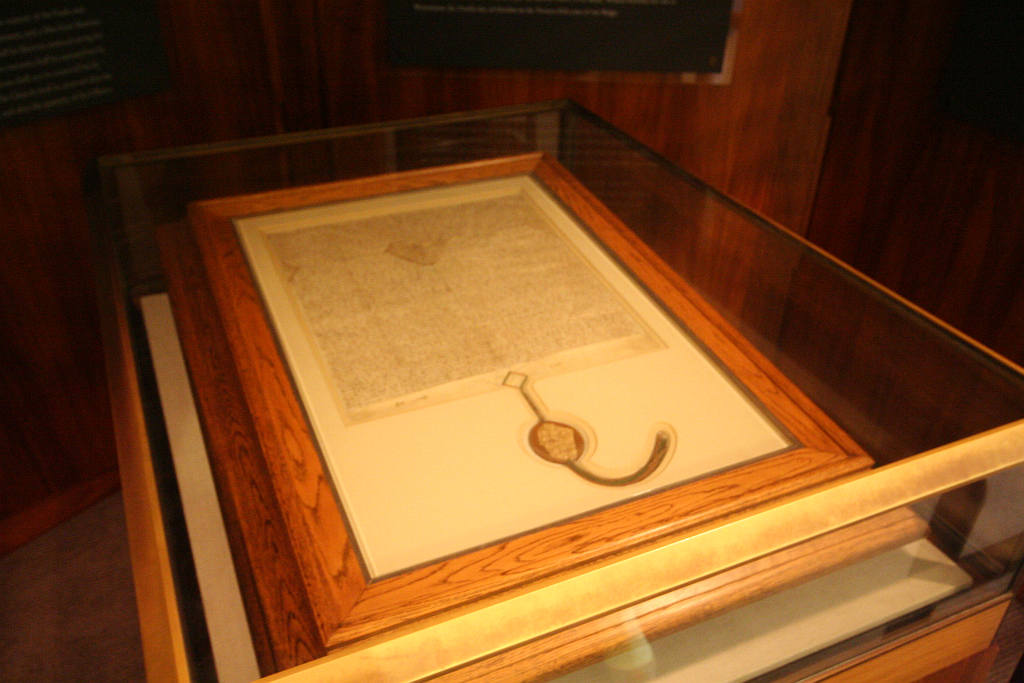
Magna Carta 1297 (National Archives, Washington)
Edward I of England · 1297
 Document
Primary source
Magna Carta 1297 (Parliament House, Canberra)
Edward I of England · 1297
Ready when you are
Start chatting with Magna Carta now.
20 messages free · No credit card · Available in 50+ languages.