


Secondary sourceArtifact1957
Magna Carta Monument
1957
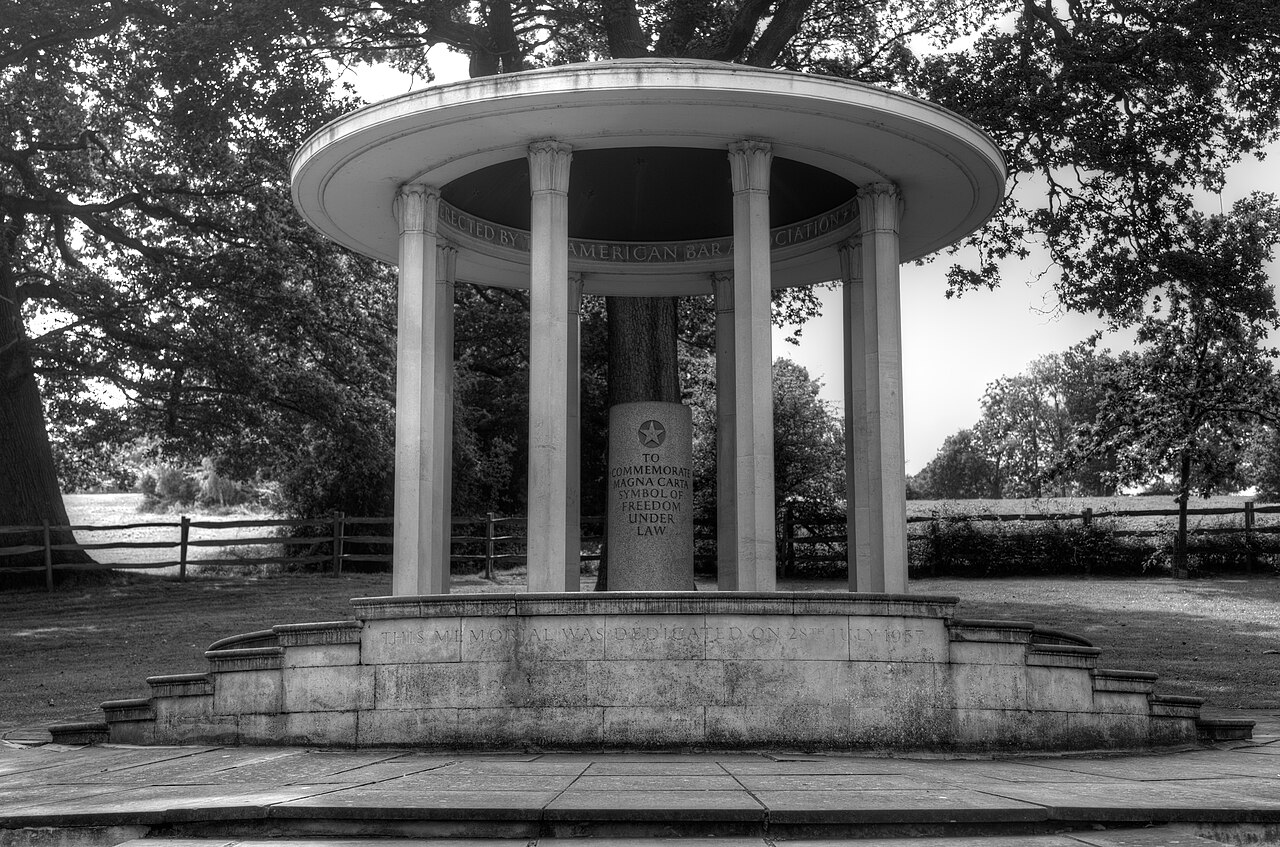
A 1957 memorial pavilion at Runnymede, donated by the American Bar Association to honour Magna Carta.
This 1957 monument at Runnymede shows how later generations, including Americans, memorialised Magna Carta as a symbol of freedom under law.
About this source
What it is
The Magna Carta Monument is a domed pavilion built in 1957 at Runnymede, the meadow where Magna Carta was sealed, donated by the American Bar Association. It stands on a stepped stone base with a central plinth bearing an inscription and the motto 'Freedom Under Law'.
Why it matters
This monument shows how Magna Carta was claimed not only by Britain but by Americans as part of their own legal heritage, since the document influenced ideas about rule of law that shaped later constitutions. The choice of an American organisation to fund a memorial on English soil highlights the charter's status as a shared symbol across legal traditions.
Look closer
- Why might American lawyers want to build a monument to an English medieval charter?
- What does the motto 'Freedom Under Law' suggest about how the monument's builders interpreted Magna Carta?
- Who is this monument meant to be seen by, and what message does it send?
This artifact is part of the curated material that grounds the AI version of Magna Carta on Humy.ai — when students ask about related events, the AI can quote it and cite it.
More Magna Carta sources
Meet the AI Magna Carta →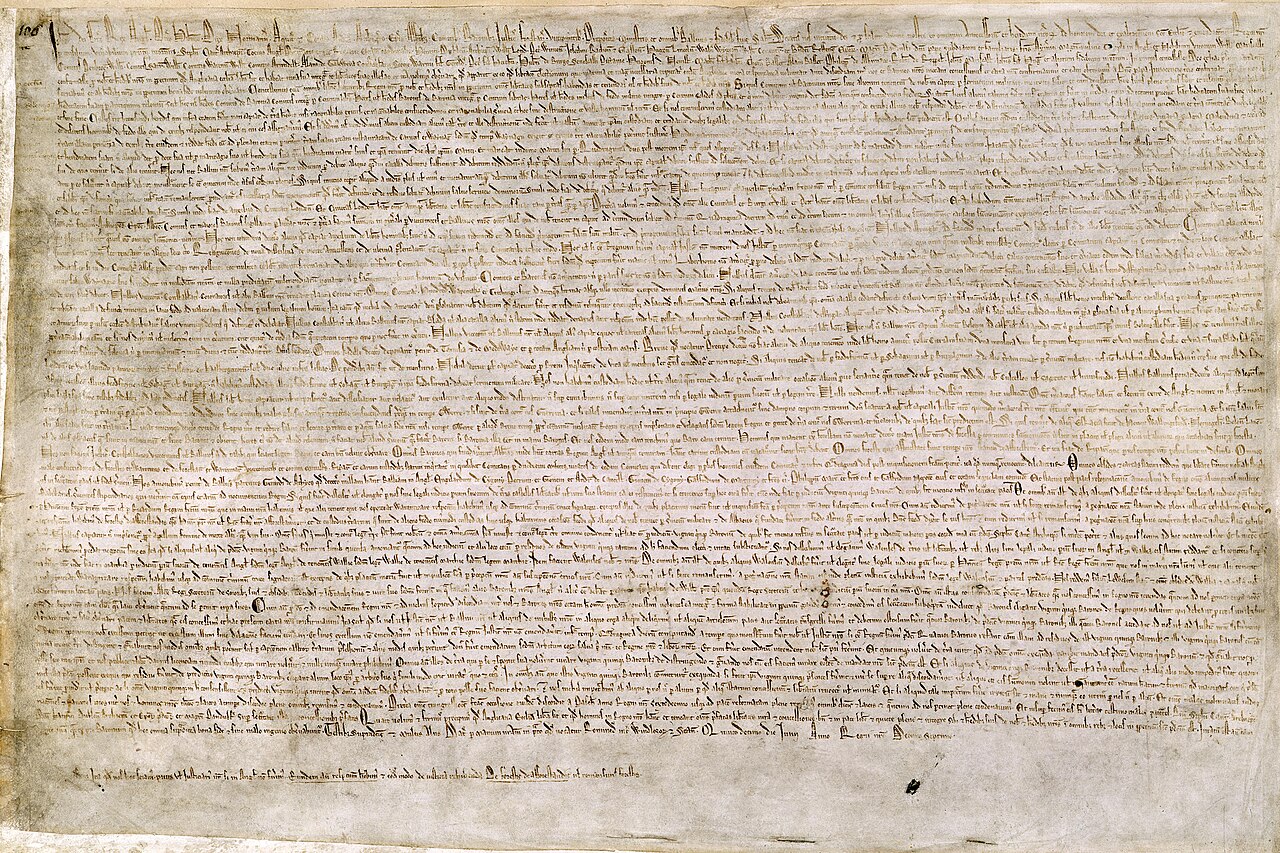 Document
Primary source
Magna Carta (1215 Exemplification)
1215
 Document
Primary source
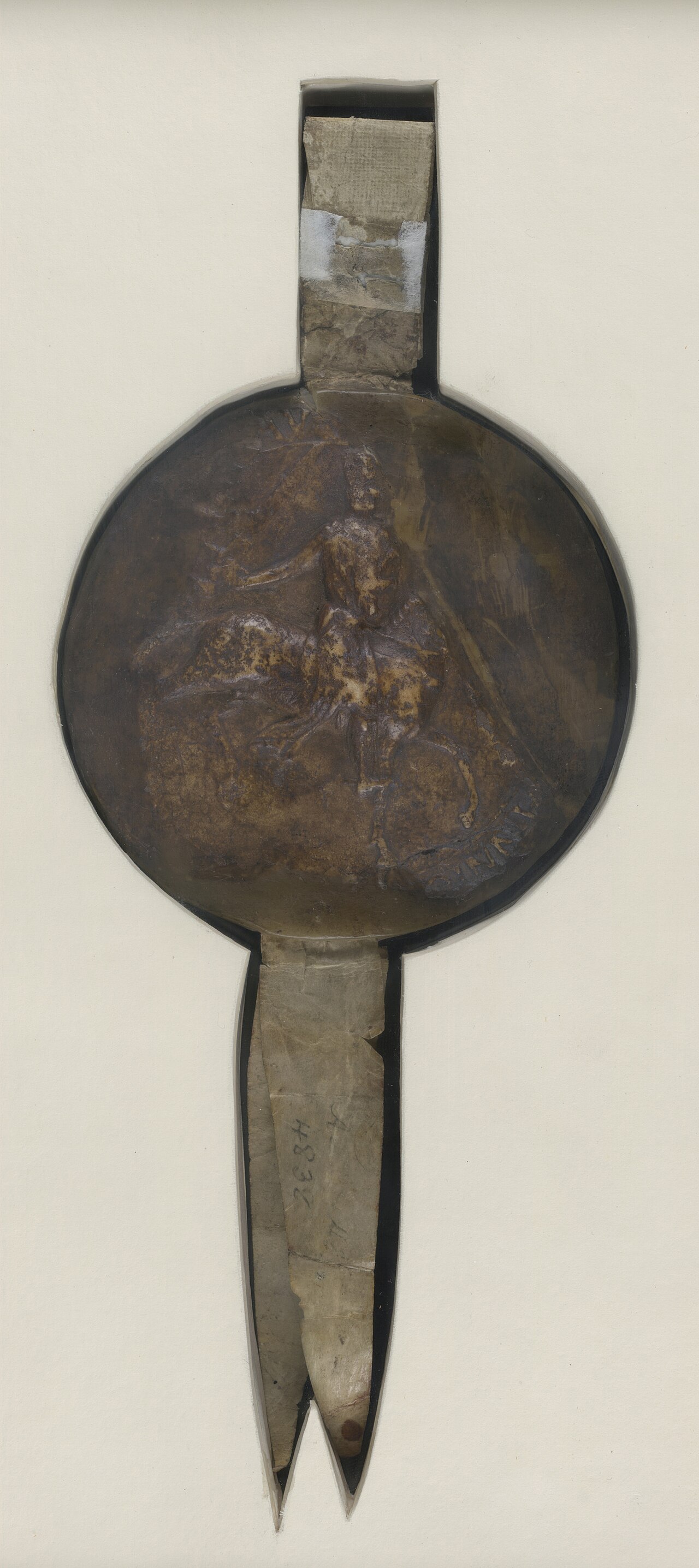
Articles of the Barons
1215
 Document
Primary source
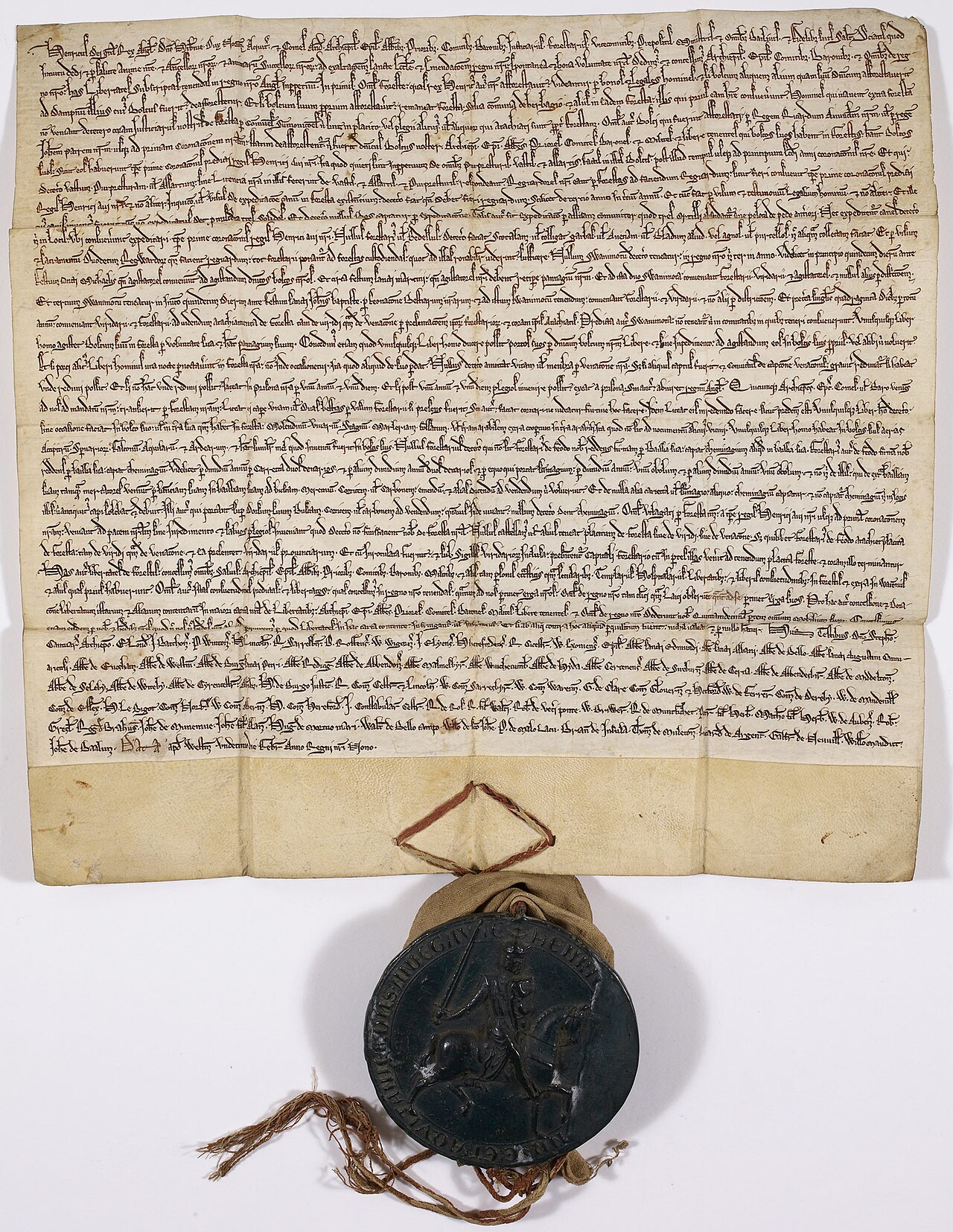
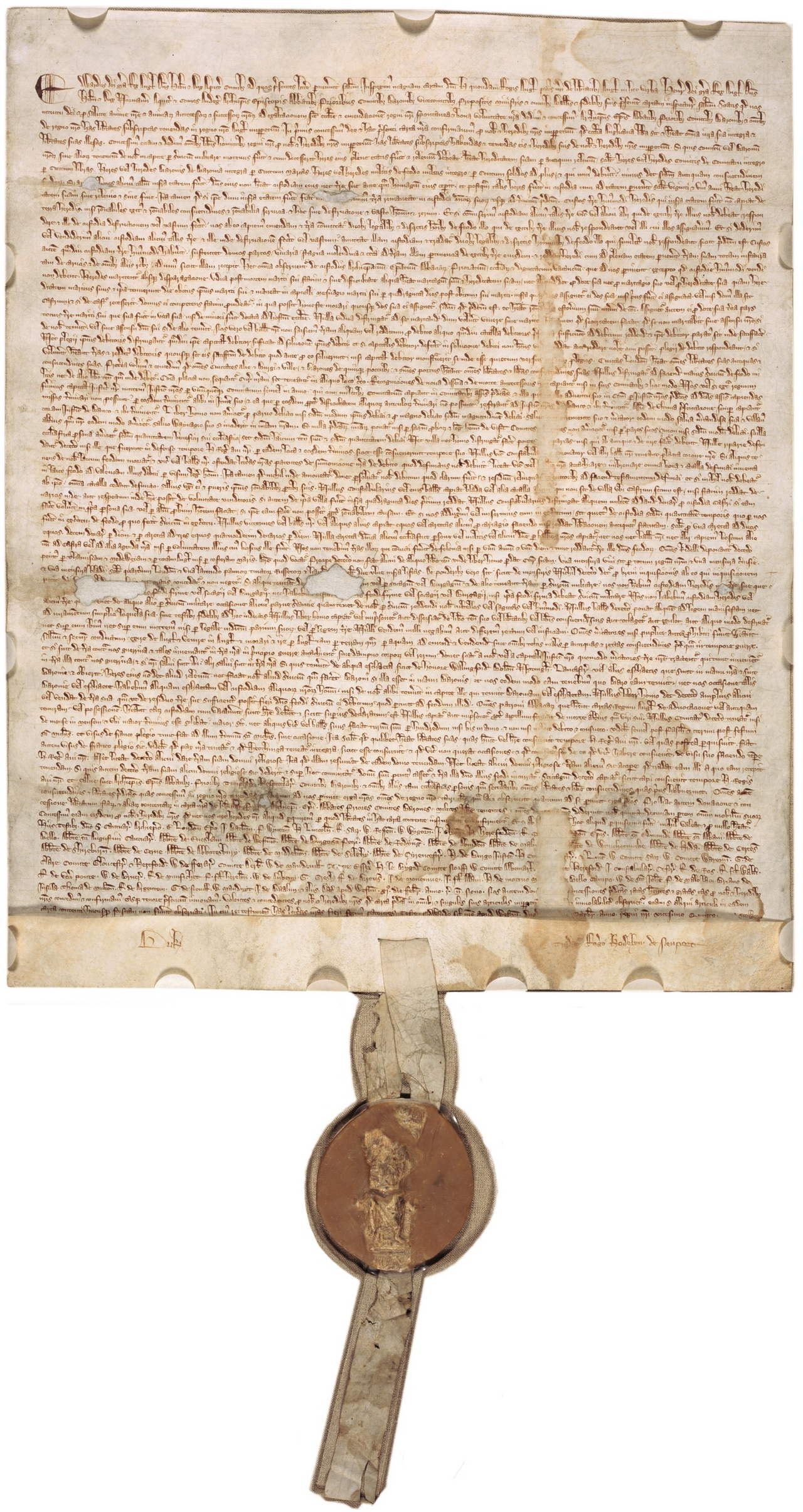
Charter of the Forest
1217
 Document
Primary source
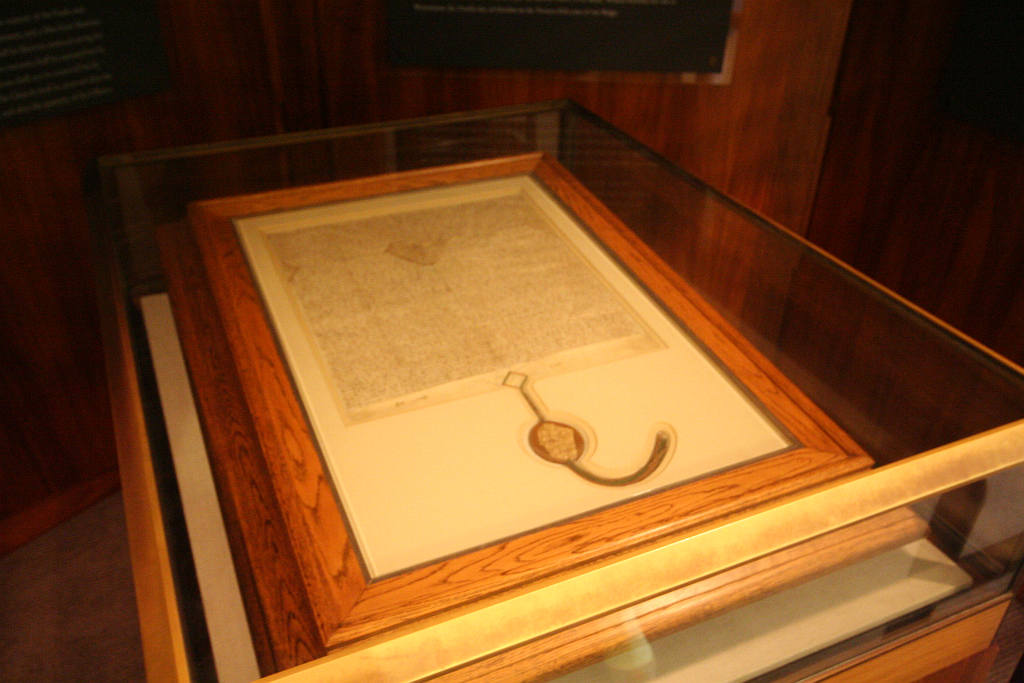
Magna Carta 1297 (National Archives, Washington)
Edward I of England · 1297
 Document
Primary source
Magna Carta 1297 (Parliament House, Canberra)
Edward I of England · 1297
Ready when you are
Start chatting with Magna Carta now.
20 messages free · No credit card · Available in 50+ languages.