


Primary sourceBook1925
Mammonart
Upton Sinclair · 1925
Upton Sinclair's 1925 book of literary criticism arguing that all art, including his own, is propaganda shaped by wealth and power.
Sinclair wrote this book of literary criticism, central to his own view that art and literature are inseparable from politics.
About this source
What it is
Mammonart: An Essay in Economic Interpretation is a 1925 book of literary criticism by Upton Sinclair, part of his 'Dead Hand' series. In it he assesses 85 past 'great authors,' along with some painters and composers, from a socialist point of view.
Why it matters
Sinclair argues that art has always been commodified and controlled by the wealthy, using an allegory of a cave-dwelling artist expelled by his tribe for refusing to flatter the powerful. He claims all art, including his own, is propaganda, and judges writers like Shakespeare and Dickens by how much they supported or challenged the rich and powerful. The book reveals Sinclair's core belief that art cannot be separated from politics and economics.
Look closer
- What does Sinclair's opening allegory about the cave artist 'Ogi' suggest about his view of the artist's role in society?
- Why might critics at the time have reacted so strongly against Sinclair's claim that all art is propaganda?
- Do you agree that art and propaganda cannot be separated? What examples might challenge Sinclair's argument?
This book is part of the curated material that grounds the AI version of Upton Sinclair on Humy.ai — when students ask about related events, the AI can quote it and cite it.
More Upton Sinclair sources
Meet the AI Upton Sinclair →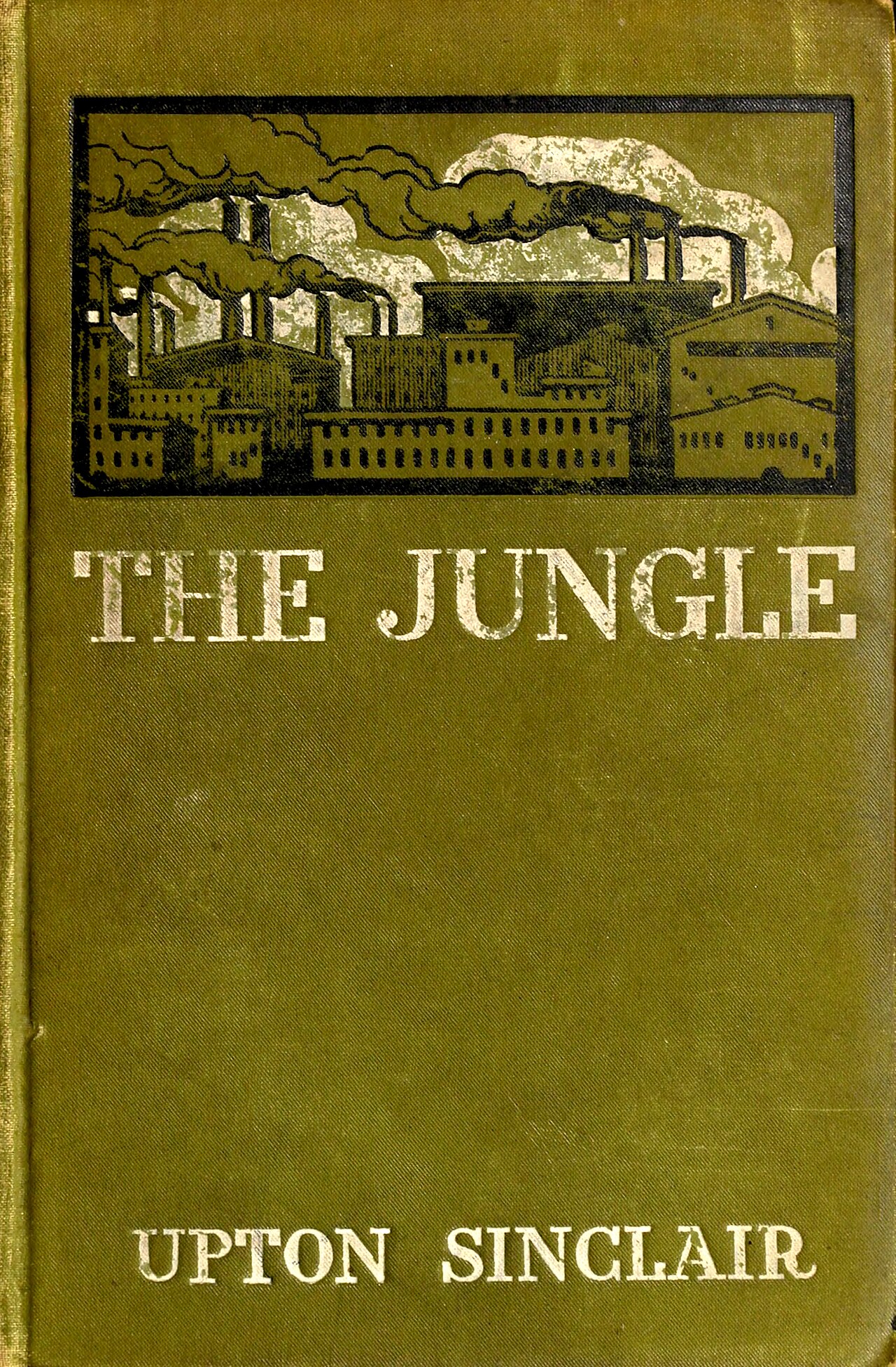 Book
Primary source
The Jungle
Upton Sinclair · 1906
Primary source
Pure Food and Drug Act
1906
 Photograph
Primary source
Upton Sinclair Early in His Career
Bain Collection
Primary source
The Brass Check
Upton Sinclair · 1919
 Photograph
Primary source
Upton Beall Sinclair Jr. on Time Magazine
International · 1934
Ready when you are
Start chatting with Upton Sinclair now.
20 messages free · No credit card · Available in 50+ languages.