


Primary sourceBook14th century
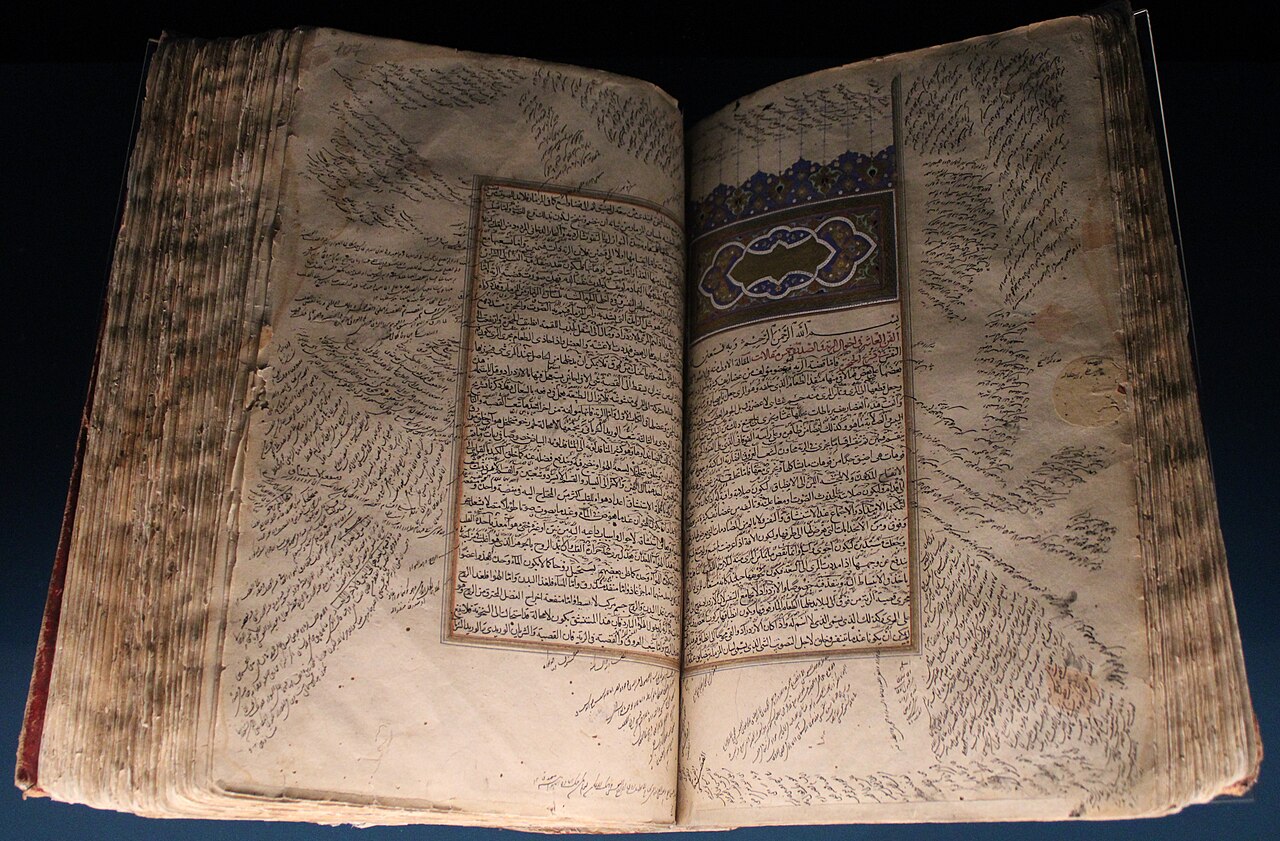
Manuscript of Ibn Sina (Tashkent 2118)
Avicenna · 14th century
A 14th-century Arabic-language manuscript of Avicenna's work, held in Tashkent near his Central Asian homeland.
A later copy of Avicenna's own writing, preserved in Central Asia near his homeland.
About this source
What it is
This is a 14th-century manuscript of a work by Ibn Sina (Avicenna), written in ink on paper. Its exact origin is unknown, but it is now held at the Institute of Oriental Studies Abu Rayhan Biruni in Tashkent, Uzbekistan.
Why it matters
Avicenna was born in Central Asia, and this manuscript's survival in Tashkent connects his legacy to the region he came from. Manuscripts like this, copied centuries after Avicenna's death, show how his writings continued to be read, copied and valued by later scholars.
Look closer
- What does the decorated panel at the top of the page tell you about how much the copyist valued this text?
- Why might a manuscript be copied centuries after the original author's death?
- What questions remain unanswered because we don't know this manuscript's provenance?
This book is part of the curated material that grounds the AI version of Avicenna on Humy.ai — when students ask about related events, the AI can quote it and cite it.
More Avicenna sources
Meet the AI Avicenna →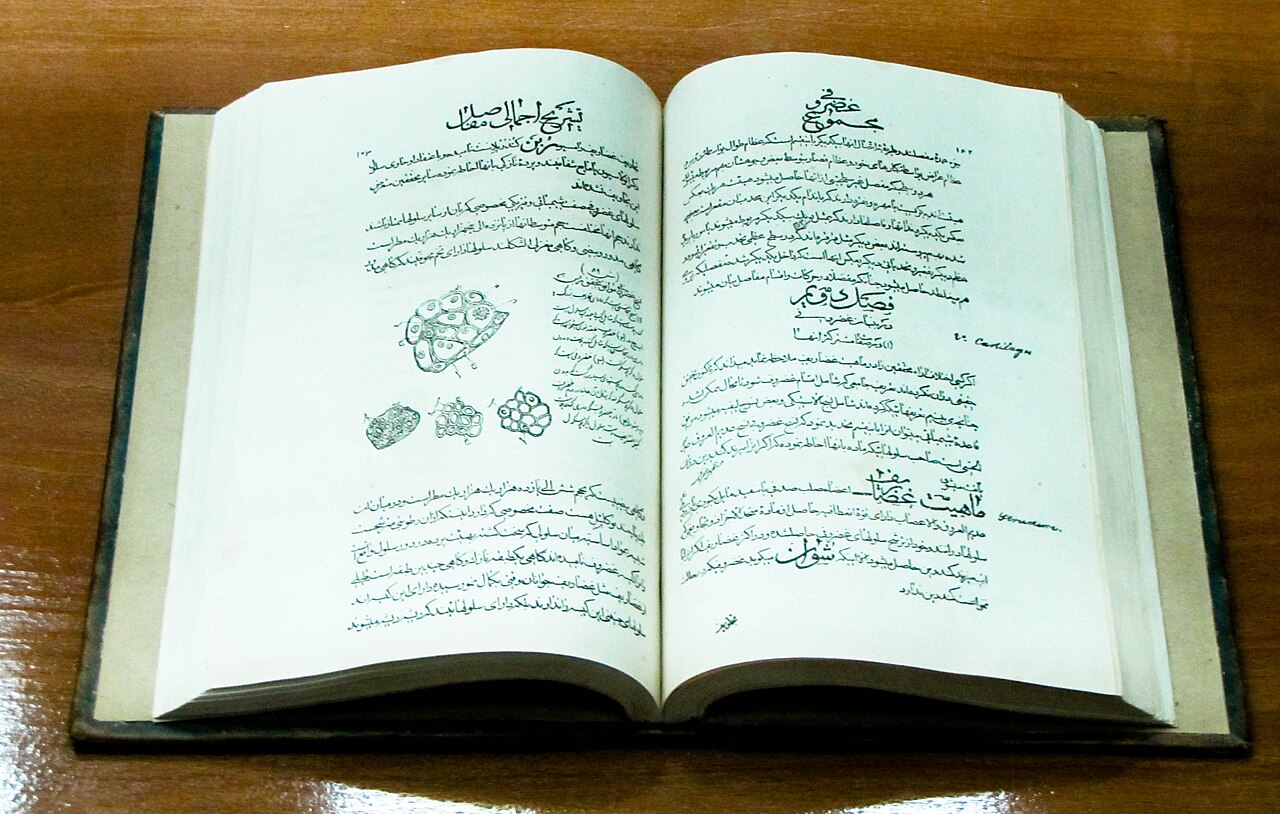 Book
Secondary source
Canon of Medicine
Avicenna · 1025
 Book
Primary source
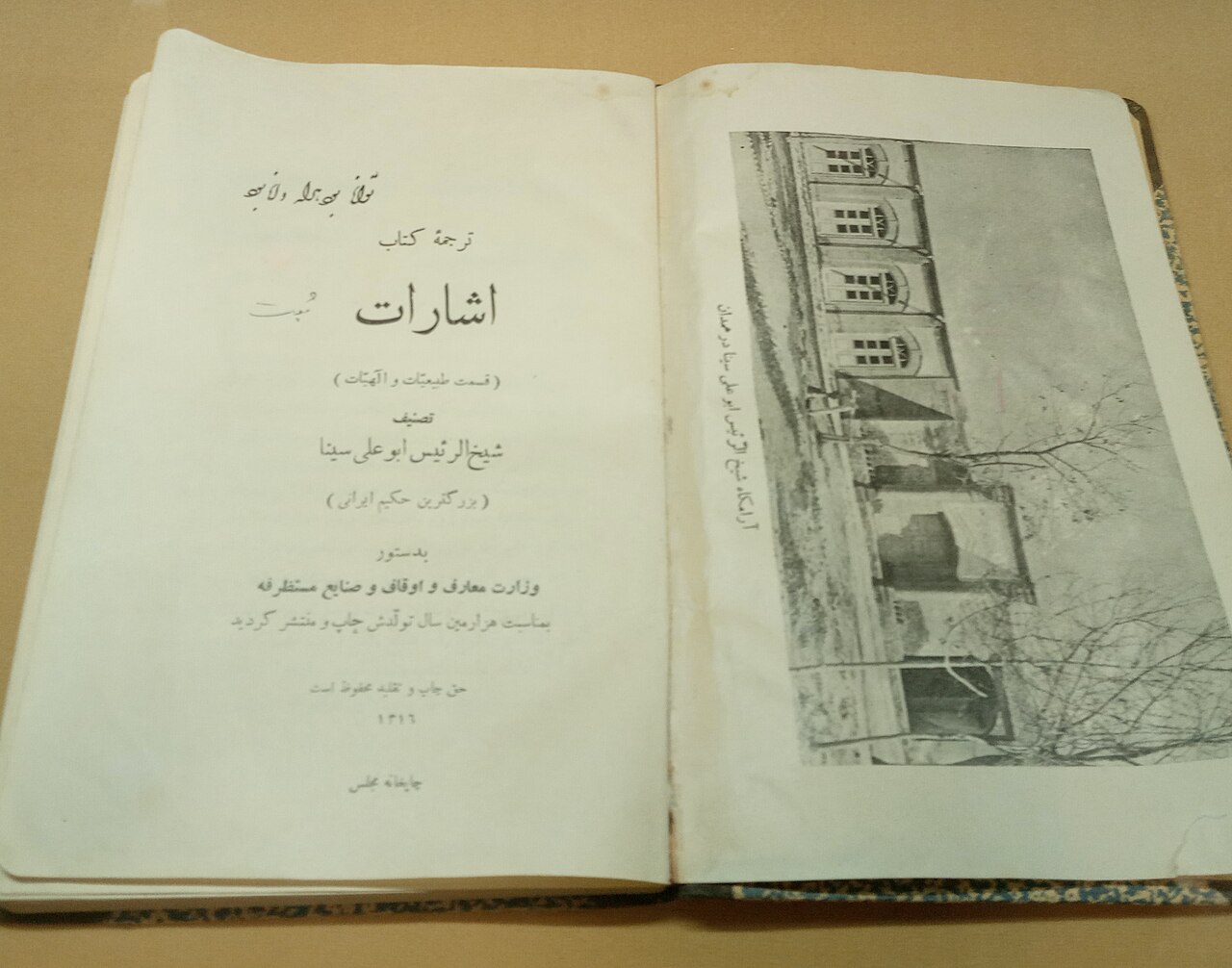
Al-Isharat wa al-Tanbihat
Avicenna
Secondary source
Commentary on Anatomy in Avicenna's Canon
Ibn al-Nafis · 13th century
 Painting
Secondary source
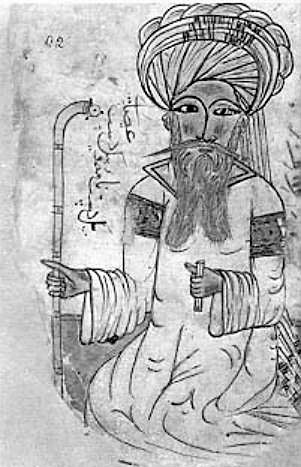
Avicenna (Subtilties of Truth manuscript image)
Beckwith · 1271
 Painting
Secondary source
Avicenna at the Sickbed
Walenty z Pilzna · c. 1479-1480
Ready when you are
Start chatting with Avicenna now.
20 messages free · No credit card · Available in 50+ languages.