


Primary sourceSculpturemid-10th century CE
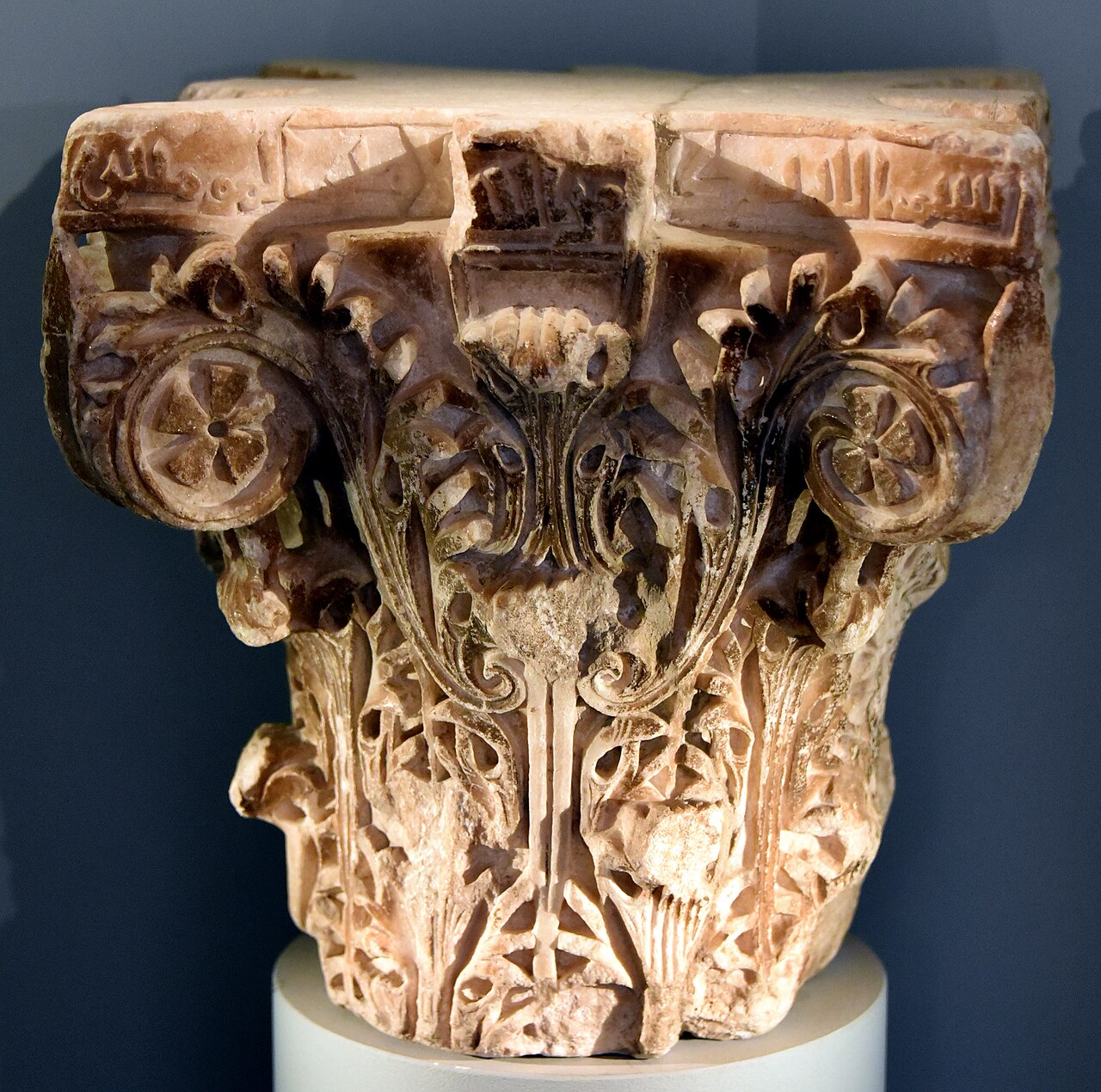
Marble Capital from Madinat az-Zahra
Fatih (sculptor) · mid-10th century CE
A carved marble column capital from Abd ar-Rahman III's palace-city of Madinat az-Zahra, inscribed with his name as builder.
The inscription names Abd ar-Rahman III as the builder of the palace-city for which this capital was carved.
About this source
What it is
This marble capital, carved in the mid-10th century, comes from Madinat az-Zahra, the palace-city near Córdoba. It is decorated with leaf and scroll patterns and rosettes, and bears inscription bands naming Abd ar-Rahman III as the builder, along with the building manager Shunaif and the sculptor Fatih. It is now held in the Islamic Art Museum in Berlin.
Why it matters
The capital is physical evidence of the scale and craftsmanship of Abd ar-Rahman III's palace project, and of how caliphal patronage was recorded in stone for all to see. Naming the manager and sculptor alongside the ruler shows how building projects of this kind depended on skilled workers as well as royal command.
Look closer
- Why might a ruler want his name carved into the architecture of his palace?
- What does it tell you that the names of the manager and sculptor were also inscribed?
- What can carved decoration like this tell us that a written history cannot?
This sculpture is part of the curated material that grounds the AI version of Abd al-Rahman III on Humy.ai — when students ask about related events, the AI can quote it and cite it.
More Abd al-Rahman III sources
Meet the AI Abd al-Rahman III →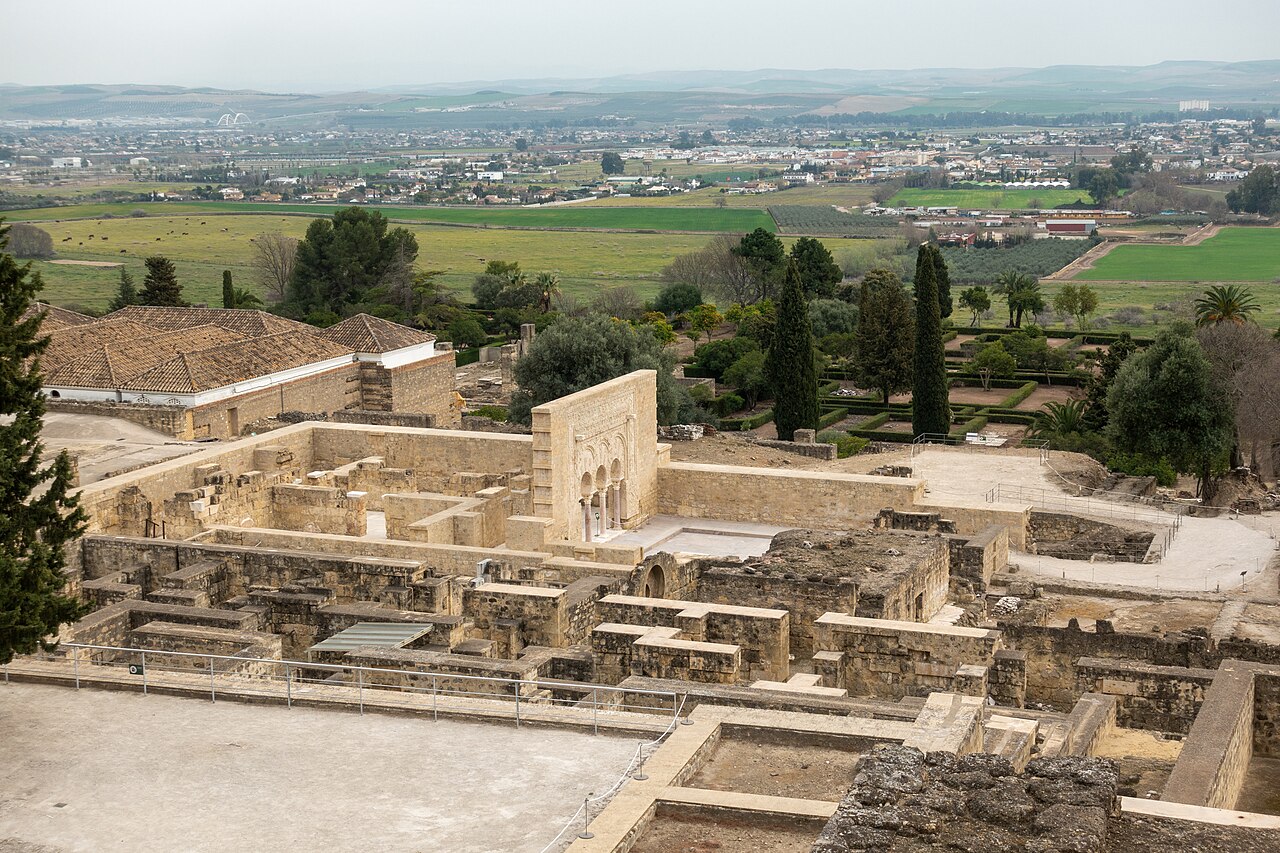 Artifact
Primary source
Madinat al-Zahra
c. 936-1000
 Artifact
Primary source
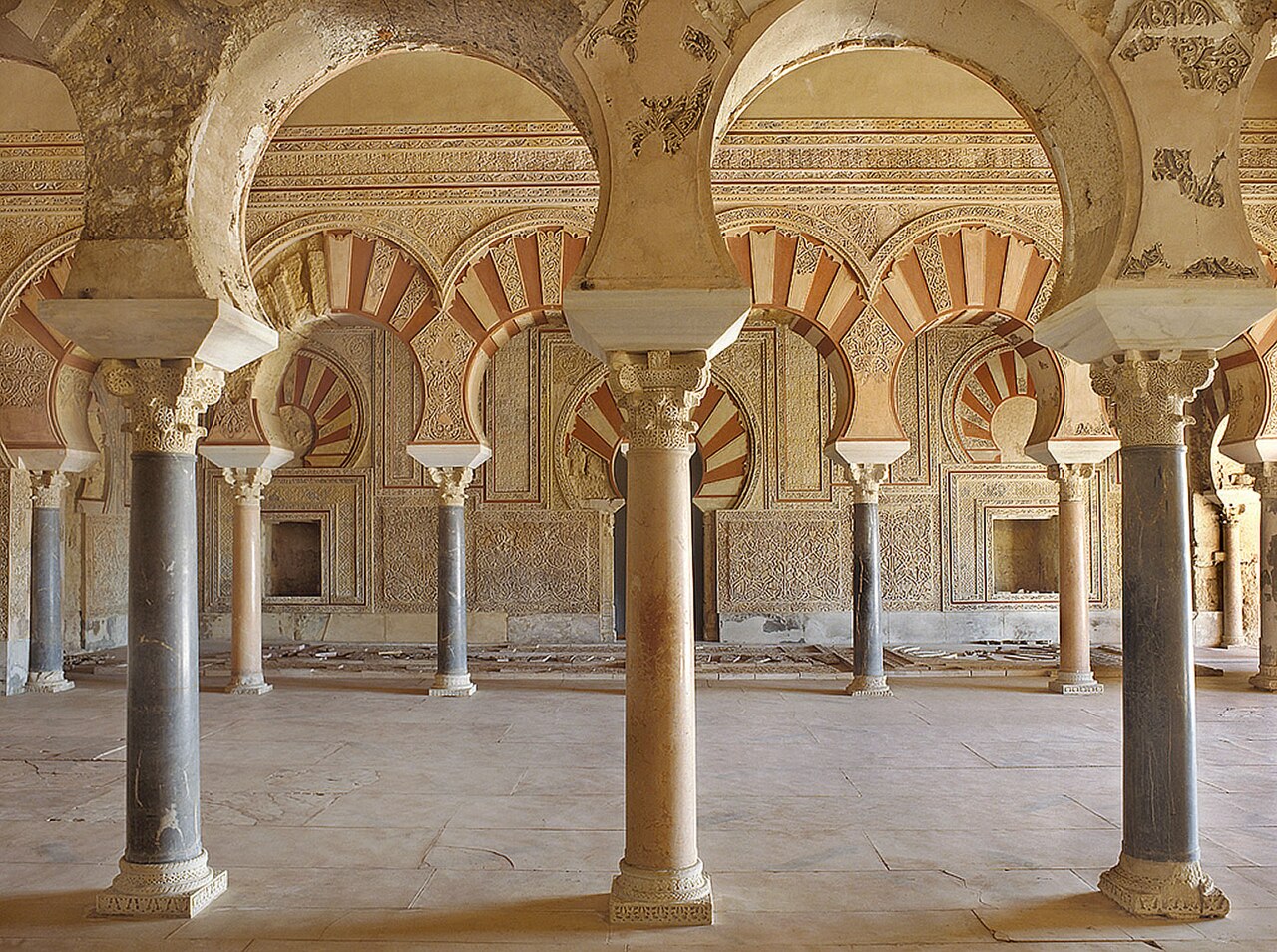
Salón Rico (Hall of Abd al-Rahman III)
953-957
Primary source
Letter of Hasdai ibn Shaprut to King Joseph of the Khazars
Hasdai ibn Shaprut · c. 950s
 Artifact
Primary source
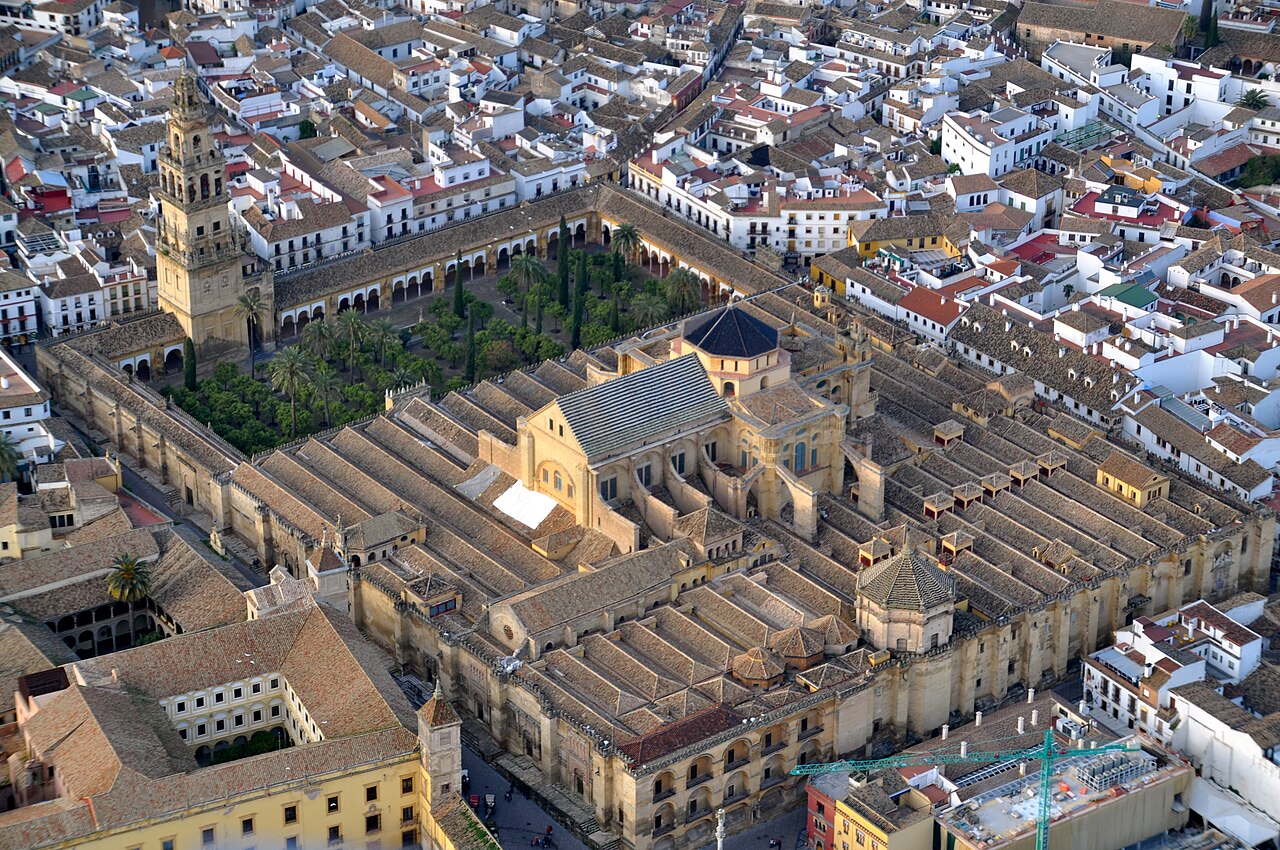
Mosque-Cathedral of Cordoba
786; minaret completed 958
 Artifact
Primary source
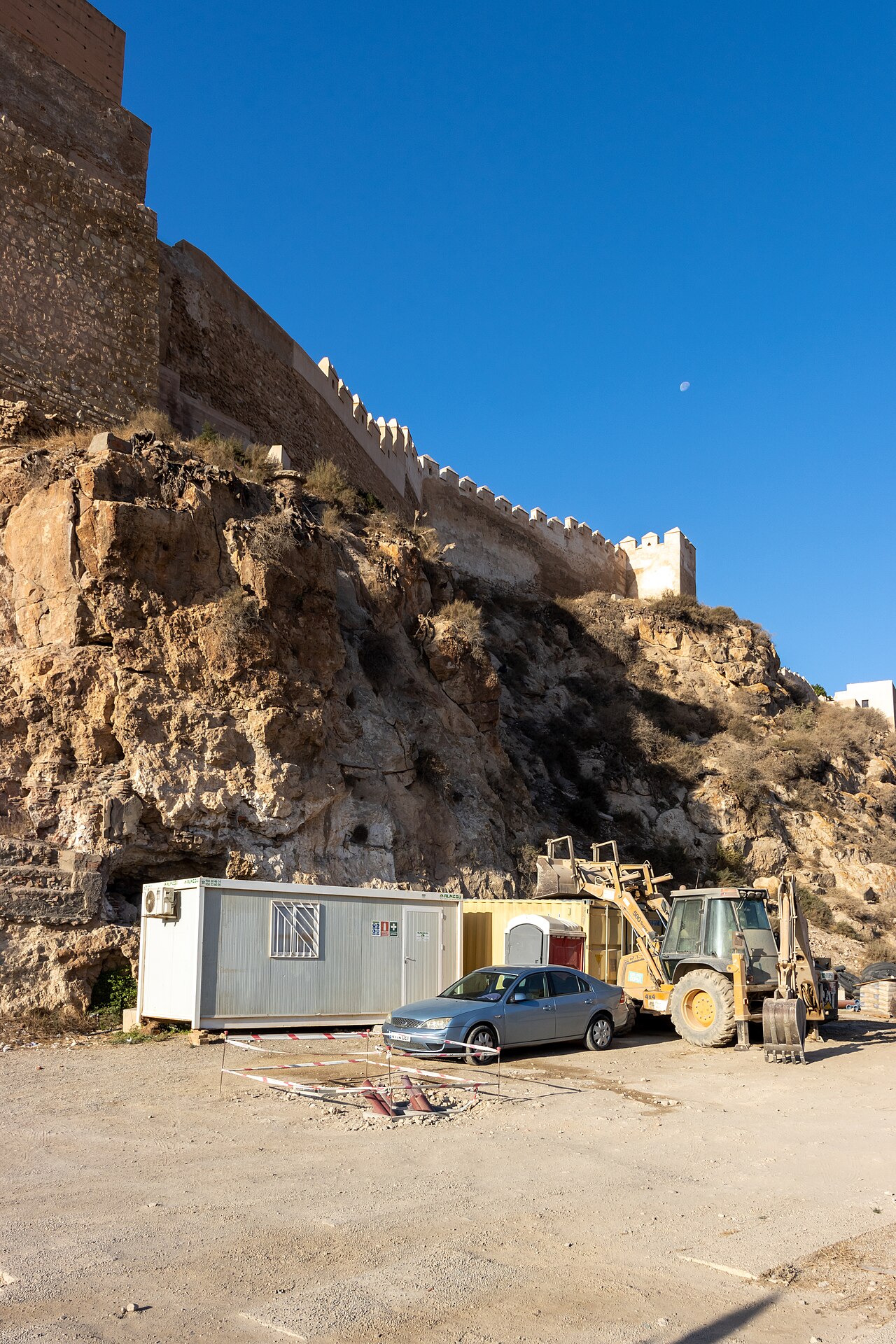
Alcazaba of Almería
955
Ready when you are
Start chatting with Abd al-Rahman III now.
20 messages free · No credit card · Available in 50+ languages.