


Primary sourceDocument1876
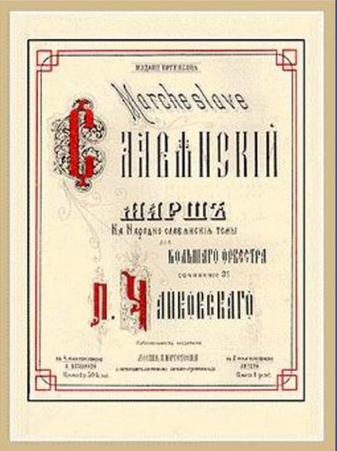
Marche Slave
Pyotr Ilyich Tchaikovsky · 1876
An orchestral tone poem by Tchaikovsky written in 1876 for Serbian war relief, using Serbian folk tunes and the Russian imperial anthem.
Composed by him in 1876 for Serbian war relief, reflecting his engagement with Pan-Slavism.
About this source
What it is
Marche Slave, Op. 31, is an orchestral tone poem by Pyotr Ilyich Tchaikovsky, published in 1876. It was commissioned by the Russian Musical Society for a Red Cross benefit concert supporting wounded Serbian soldiers during the Serbo-Ottoman War, and premiered in Moscow in November 1876 under conductor Nikolai Rubinstein.
Why it matters
The piece is highly programmatic, moving through sections depicting Serbian oppression, Russian support, and the triumph of the Slavic peoples, using Serbian folk songs and the tsarist anthem “God Save the Tsar.” It shows Tchaikovsky's engagement with Pan-Slavism and the strong Russian public sympathy for Orthodox Slavs abroad at the time.
Look closer
- Why might a composer be asked to write music in support of a war effort?
- What do the folk songs and anthem used in the piece tell you about its political message?
- What might this piece reveal about Russian attitudes toward Serbia and the Ottoman Empire in 1876?
This document is part of the curated material that grounds the AI version of Pyotr Ilyich Tchaikovsky on Humy.ai — when students ask about related events, the AI can quote it and cite it.
More Pyotr Ilyich Tchaikovsky sources
Meet the AI Pyotr Ilyich Tchaikovsky →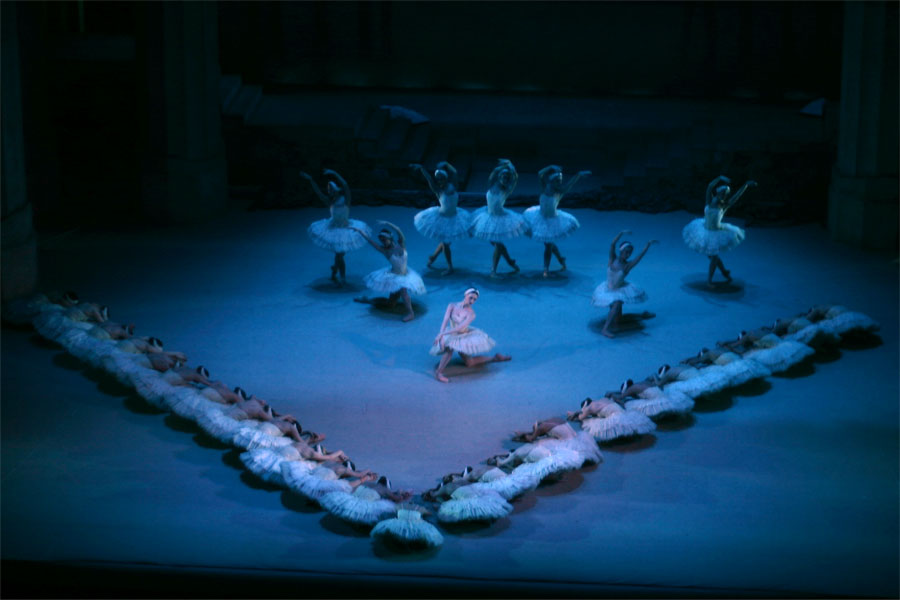 Artifact
Secondary source
Swan Lake
Pyotr Ilyich Tchaikovsky · 1875–1876
 Artifact
Secondary source
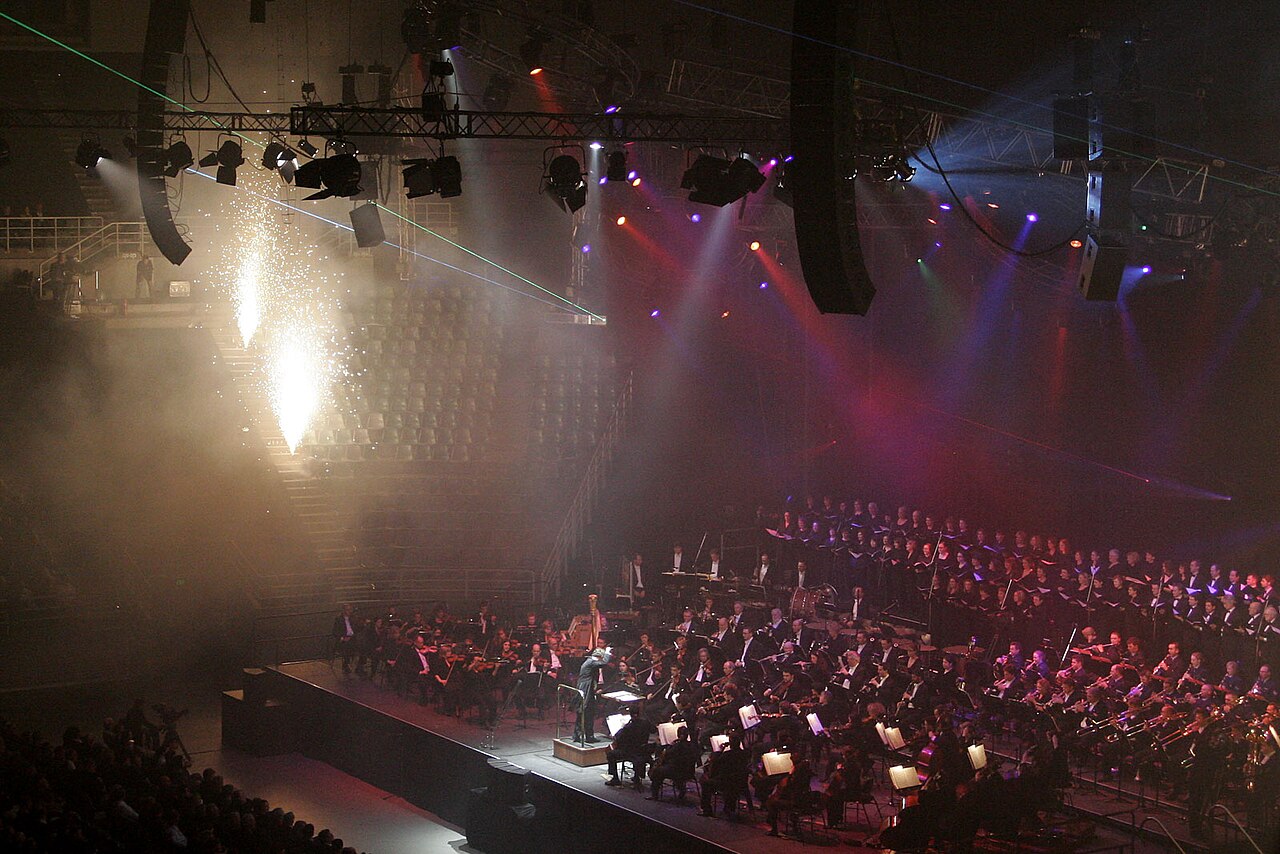
1812 Overture
Pyotr Ilyich Tchaikovsky · 1880
 Artifact
Primary source
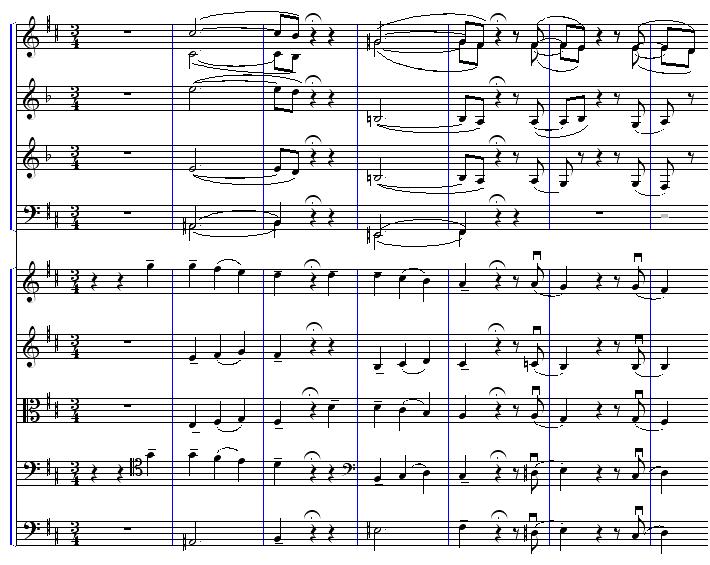
Symphony No. 6 (Pathétique)
Pyotr Ilyich Tchaikovsky · 1893
Primary source
Tchaikovsky & Anton Rubinstein & Friends
Julius Block · 1890
 Artifact
Primary source
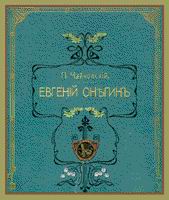
Eugene Onegin
Pyotr Ilyich Tchaikovsky · 1877–1878
Ready when you are
Start chatting with Pyotr Ilyich Tchaikovsky now.
20 messages free · No credit card · Available in 50+ languages.