


Primary sourceArtifact1603
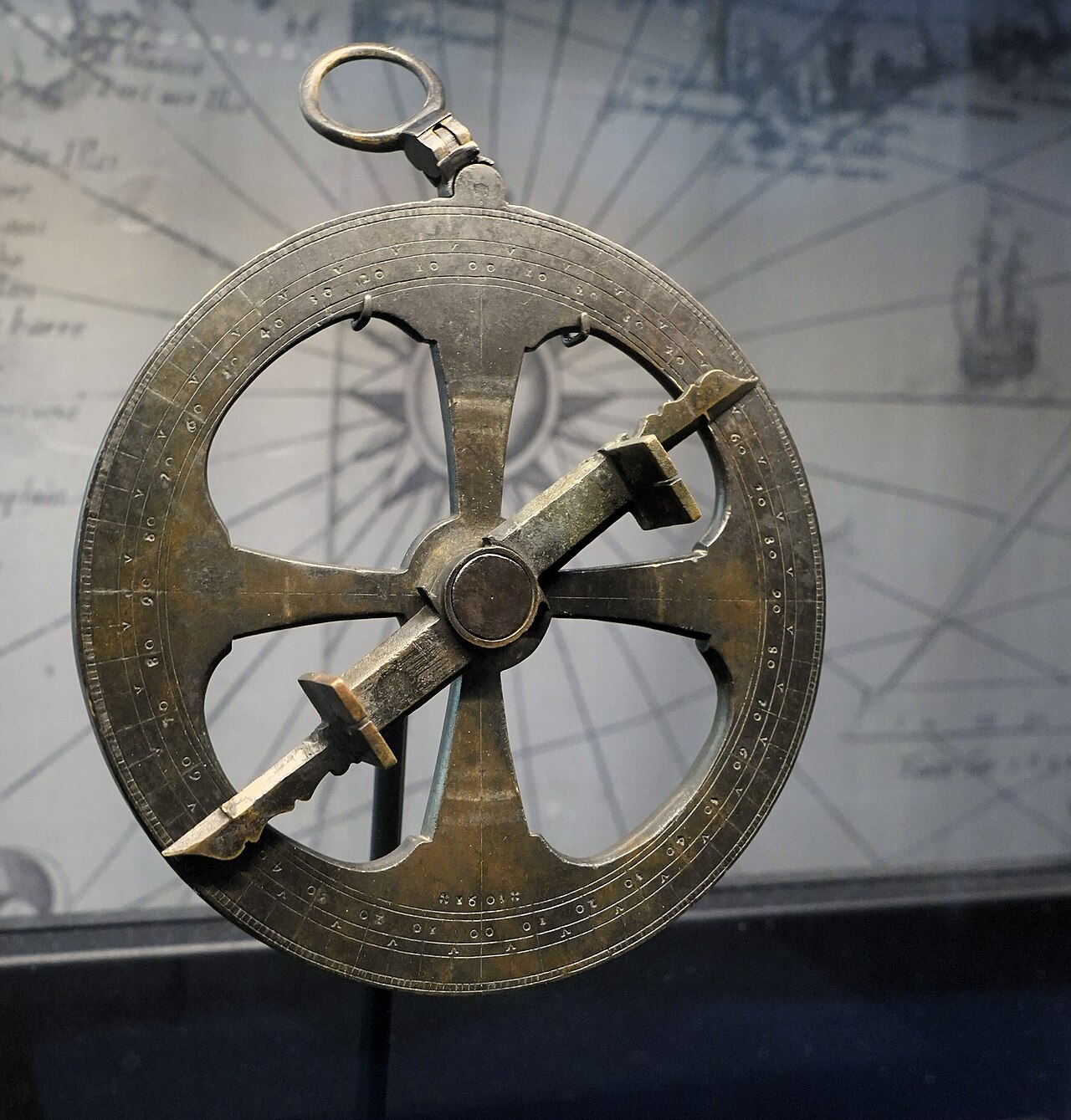
Mariner's Astrolabe
1603
A bronze navigational instrument made in France in 1603, traditionally said to have been lost by Champlain during a 1613 expedition and found centuries later.
Traditionally identified as the astrolabe Champlain lost during his 1613 expedition, making it a rare physical object linked to his navigation.
About this source
What it is
This bronze mariner's astrolabe was made in France in 1603. It is traditionally linked to Samuel de Champlain, said to have been lost during his 1613 journey into the Outaouais region. A teenager discovered it buried in the ground near a lake in Ontario in 1867.
Why it matters
Mariner's astrolabes were used to measure the altitude of the sun or stars to find latitude, an essential tool for explorers navigating unfamiliar waters. If this object truly belonged to Champlain, it is a rare physical trace of the instruments he carried on his expeditions into the interior of North America.
Look closer
- What parts of the astrolabe would have been used for measuring the sky?
- Why might an explorer lose such a valuable tool in the wilderness?
- What makes an object's link to a historical figure 'traditional' rather than certain?
This artifact is part of the curated material that grounds the AI version of Samuel de Champlain on Humy.ai — when students ask about related events, the AI can quote it and cite it.
More Samuel de Champlain sources
Meet the AI Samuel de Champlain →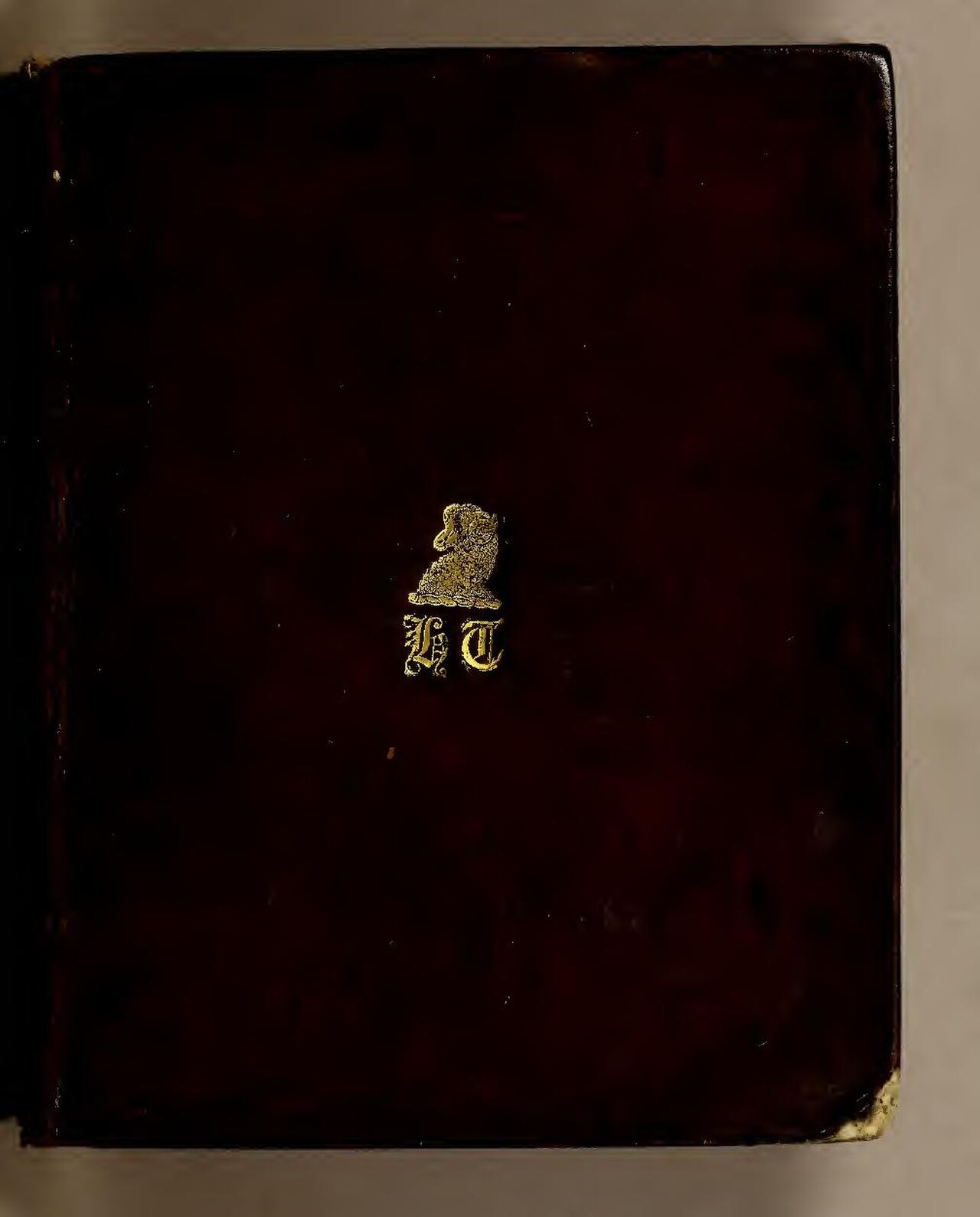 Book
Primary source
Les Voyages du sieur de Champlain
Samuel de Champlain · 1613
 Document
Primary source
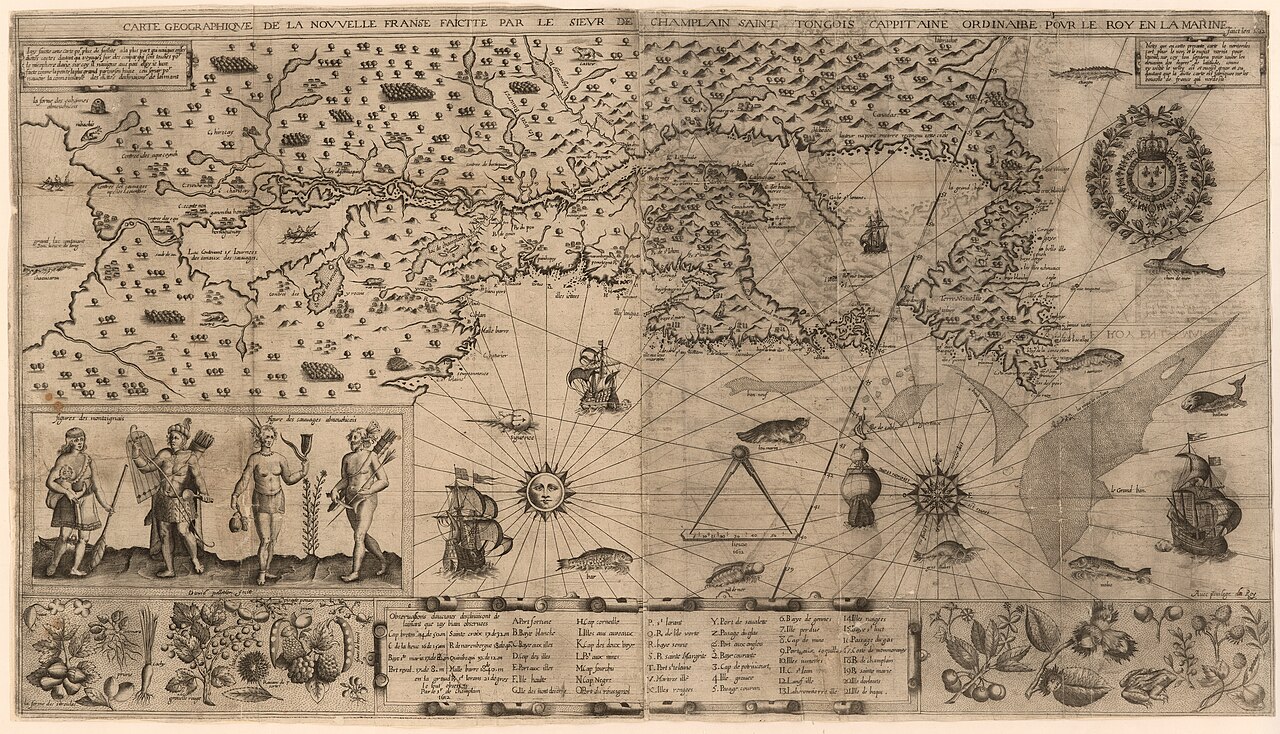
Carte geographique de la Nouvelle Franse
Samuel de Champlain · 1612
 Book
Primary source
Des Sauvages, ou voyage de Samuel Champlain
Samuel de Champlain · 1603
 Document
Primary source
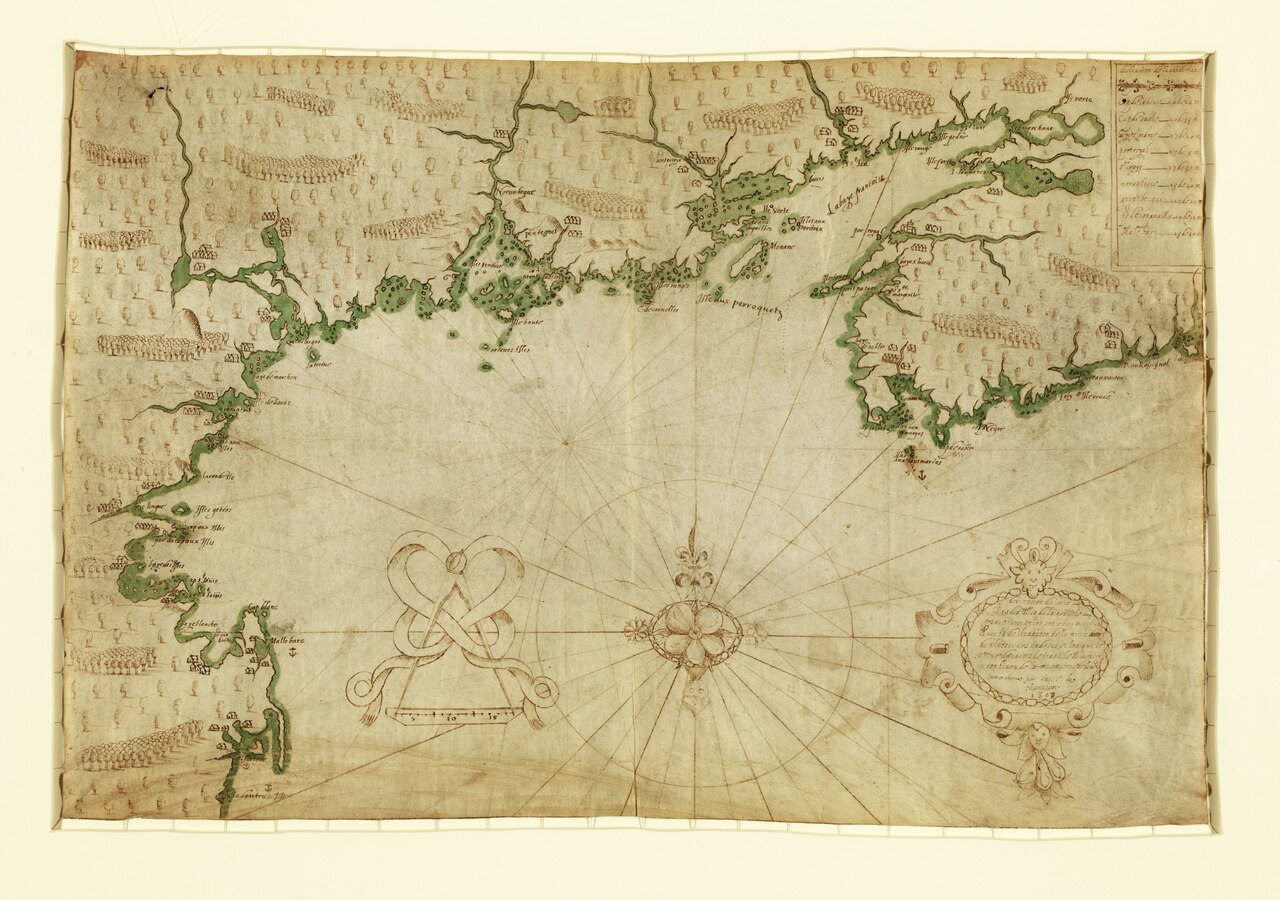
Descripsion des costs, pts., rades, Illes de la Nouuele France
Samuel de Champlain · 1607
 Document
Primary source
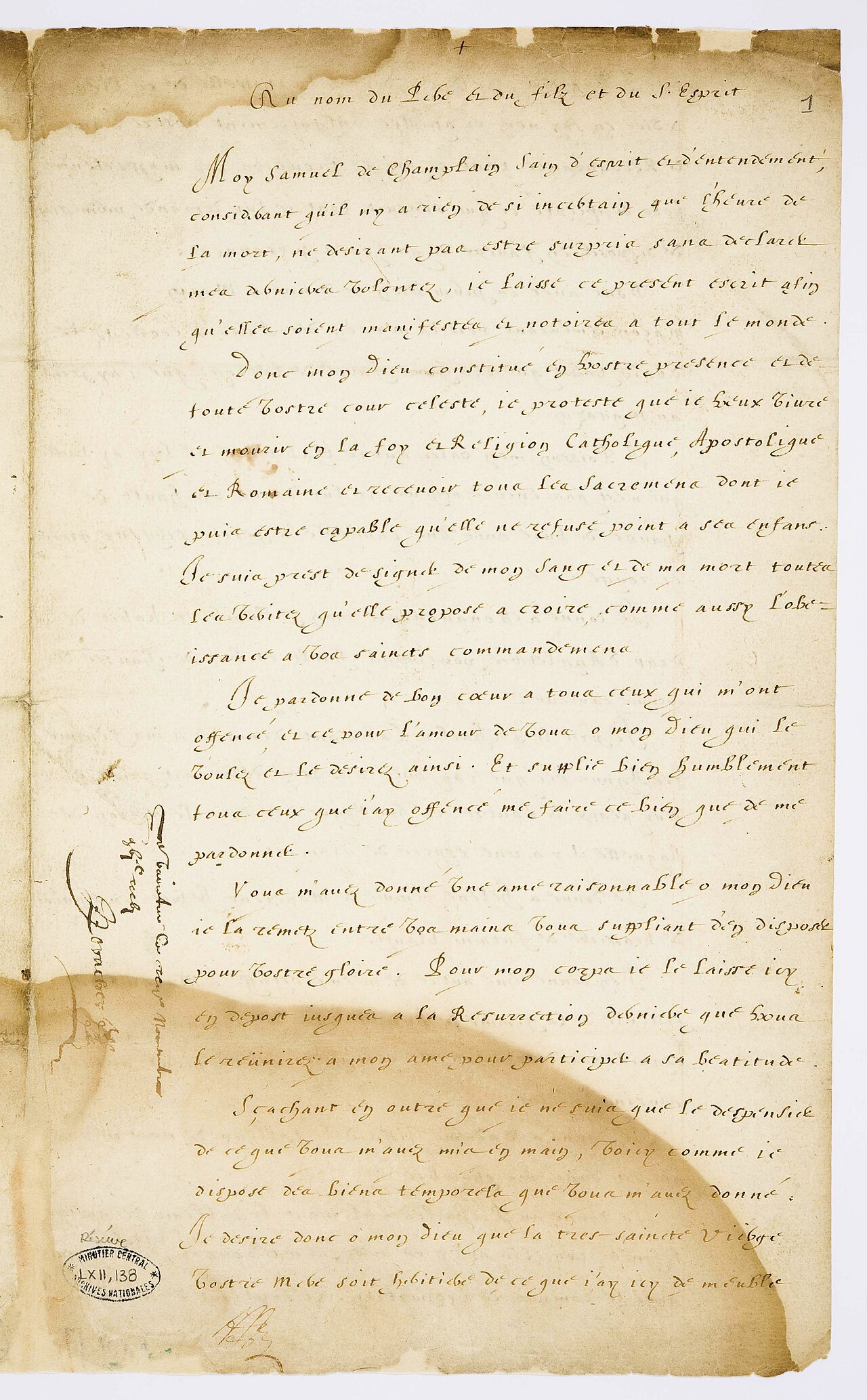
Testament de Samuel Champlain
Samuel de Champlain · 17 November 1635
Ready when you are
Start chatting with Samuel de Champlain now.
20 messages free · No credit card · Available in 50+ languages.