


Primary sourceArtifact1958
Mark I Perceptron
Frank Rosenblatt · 1958
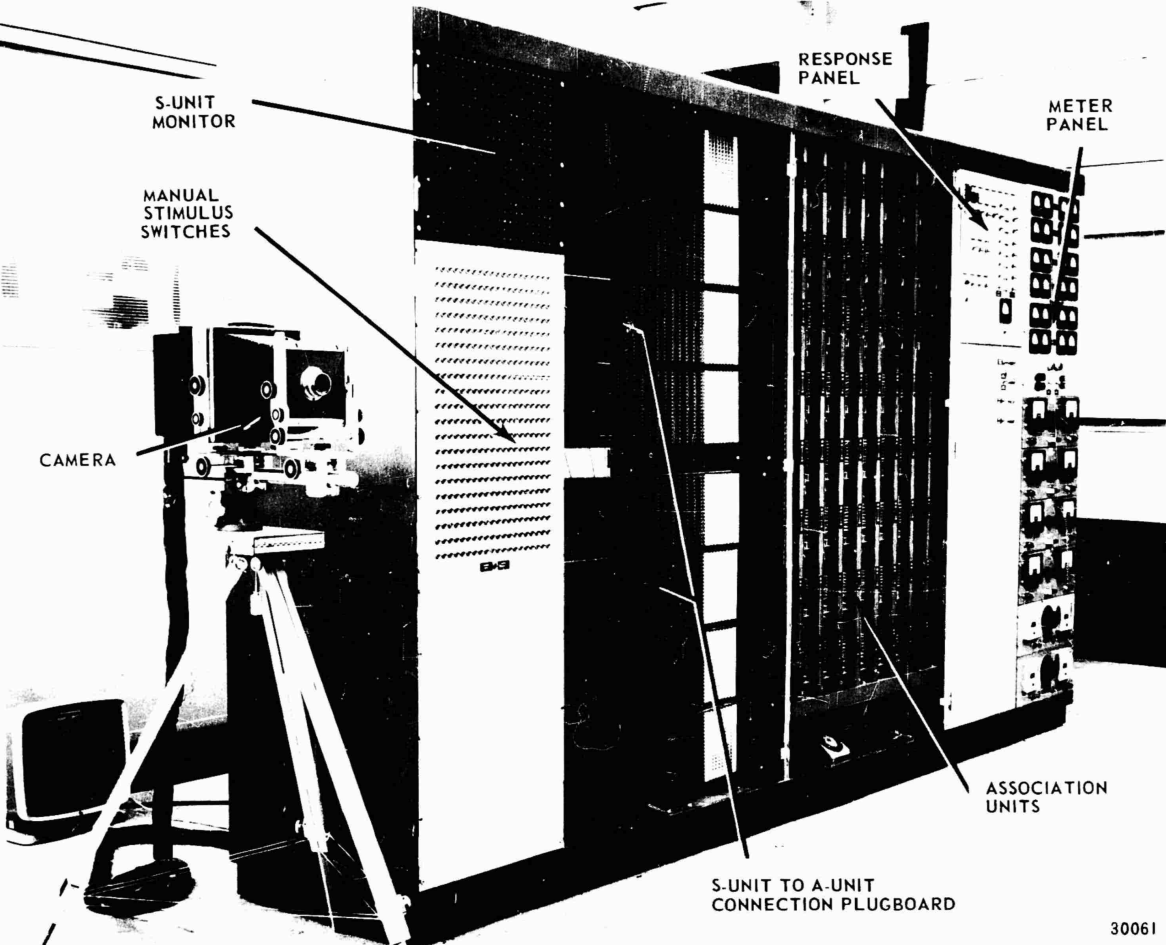
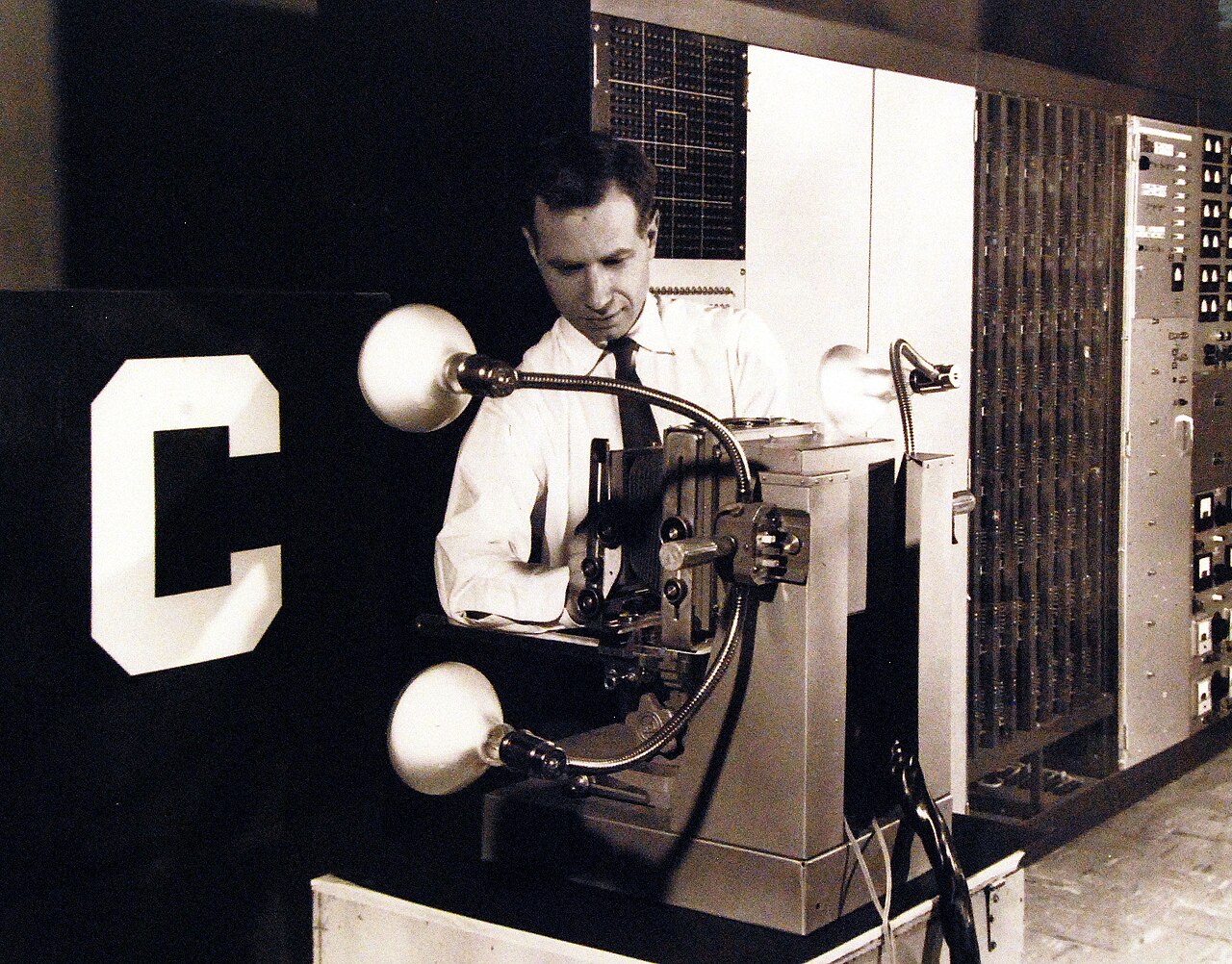
The surviving hardware built by Frank Rosenblatt in 1958, an early machine that learned to classify images by adjusting its own weights.
Rosenblatt designed and built this machine, the first physical implementation of his perceptron learning idea.
About this source
What it is
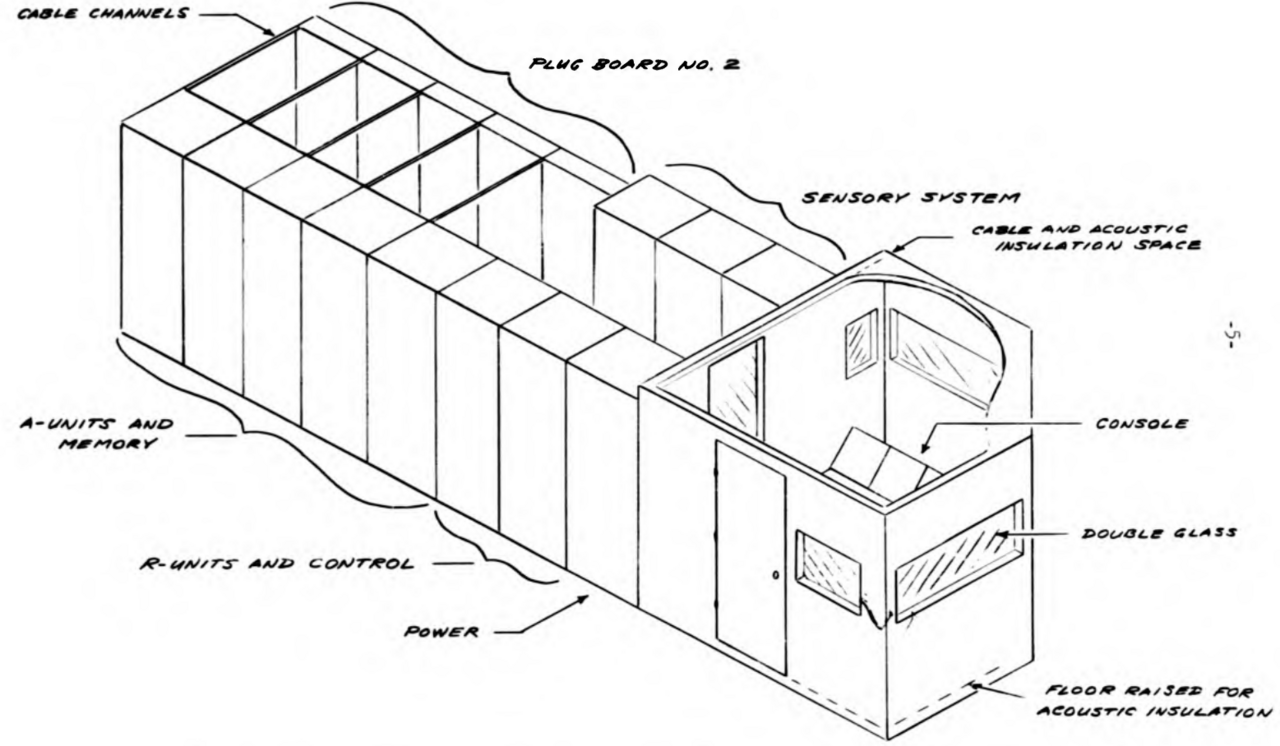
The Mark I Perceptron is a piece of hardware designed and built by Frank Rosenblatt in 1958 at the Cornell Aeronautical Laboratory. It used sensory units that received optical input, association units, and response units that fired based on patterns of activity. It is now held by the Smithsonian.
Why it matters
This machine is considered one of the first working implementations of an artificial intelligence system. It could learn simple tasks, like telling apart marks on the left or right of a sheet of paper, or distinguishing basic shapes and letters, by adjusting connections through training rather than being explicitly programmed. It shows how Rosenblatt tried to build a device that could learn from examples, an idea that underlies much of later AI.
Look closer
- What parts of the machine can you identify from the photograph, and what might each have done?
- Why might Rosenblatt have wanted a machine that learns instead of one that follows fixed rules?
- What limitations might a machine like this have had, given its simple design?
This artifact is part of the curated material that grounds the AI version of Frank Rosenblatt on Humy.ai — when students ask about related events, the AI can quote it and cite it.
More Frank Rosenblatt sources
Browse all 7 →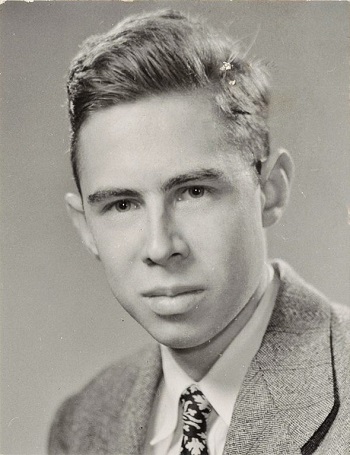 Photograph
Primary source
Portrait of Frank Rosenblatt
 Artifact
Primary source
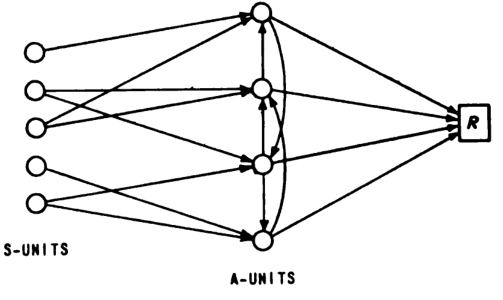
Typical connections in a close-loop cross-coupled perceptron
Frank Rosenblatt · 1961
 Photograph
Secondary source
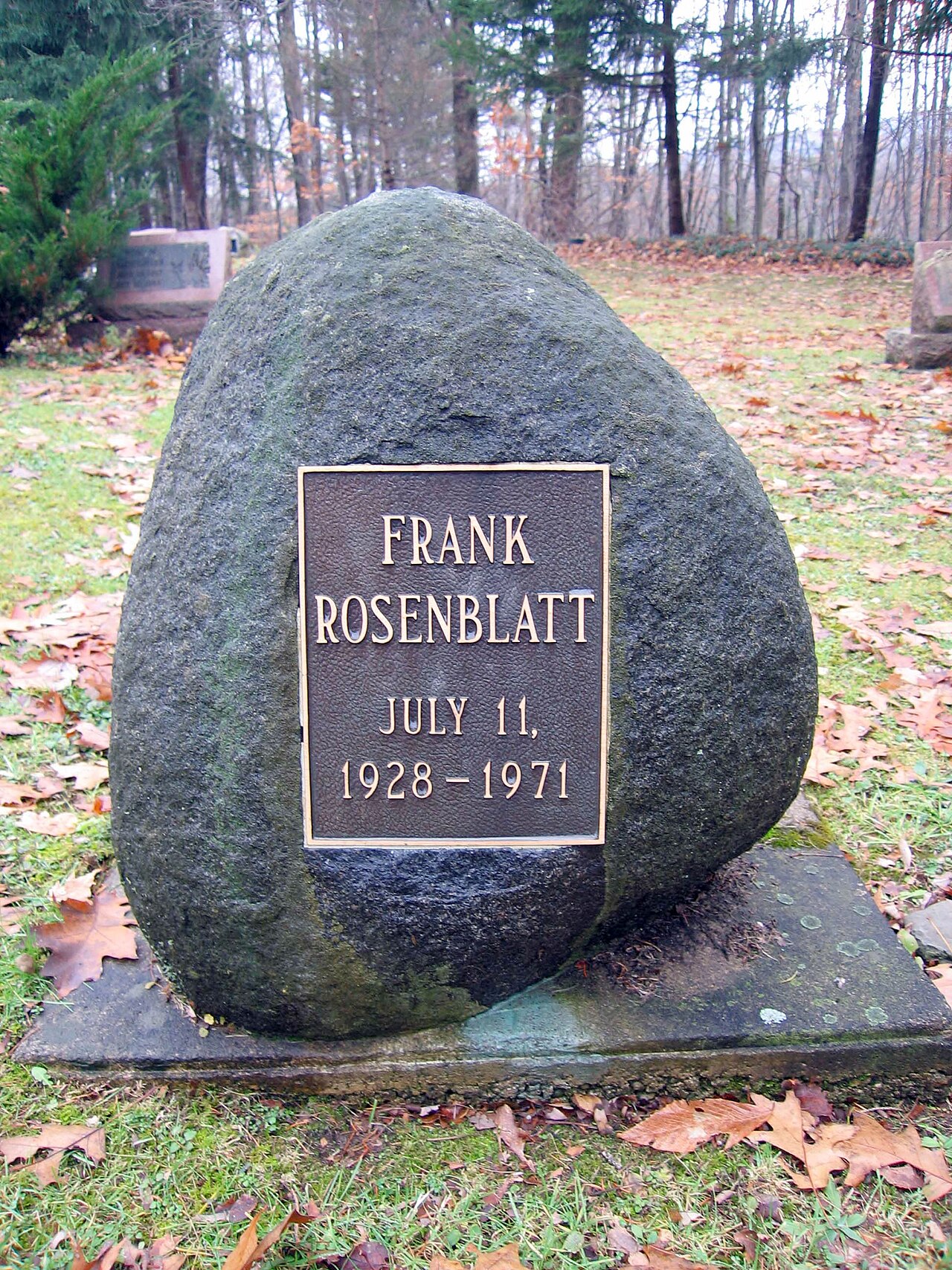
Grave of Frank Rosenblatt
 Artifact
Primary source
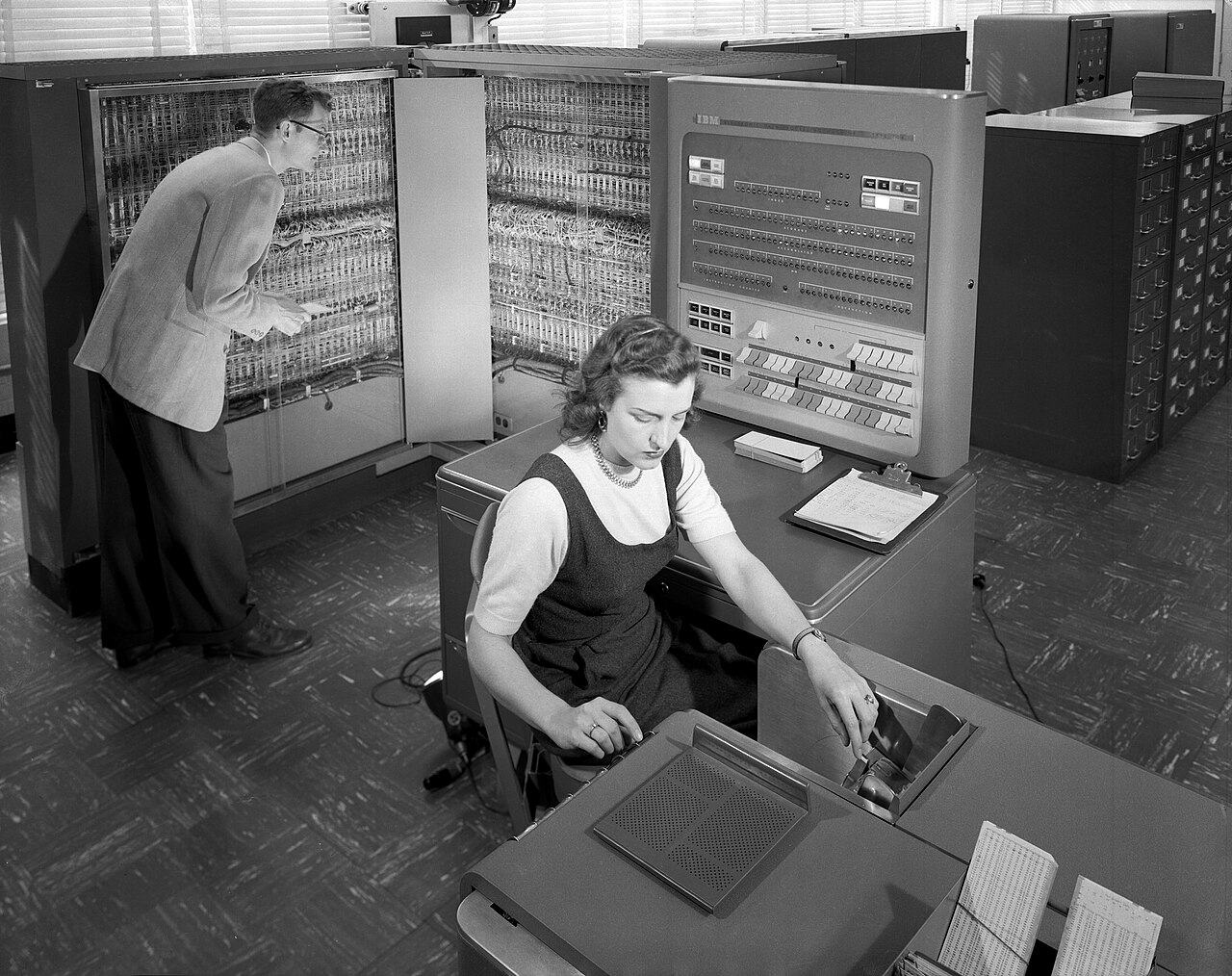
IBM 704
1954
Free account
Read every Frank Rosenblatt source
Sign up free →
Ready when you are
Start chatting with Frank Rosenblatt now.
20 messages free · No credit card · Available in 50+ languages.