


Primary sourcePaintingc. 1511-1512
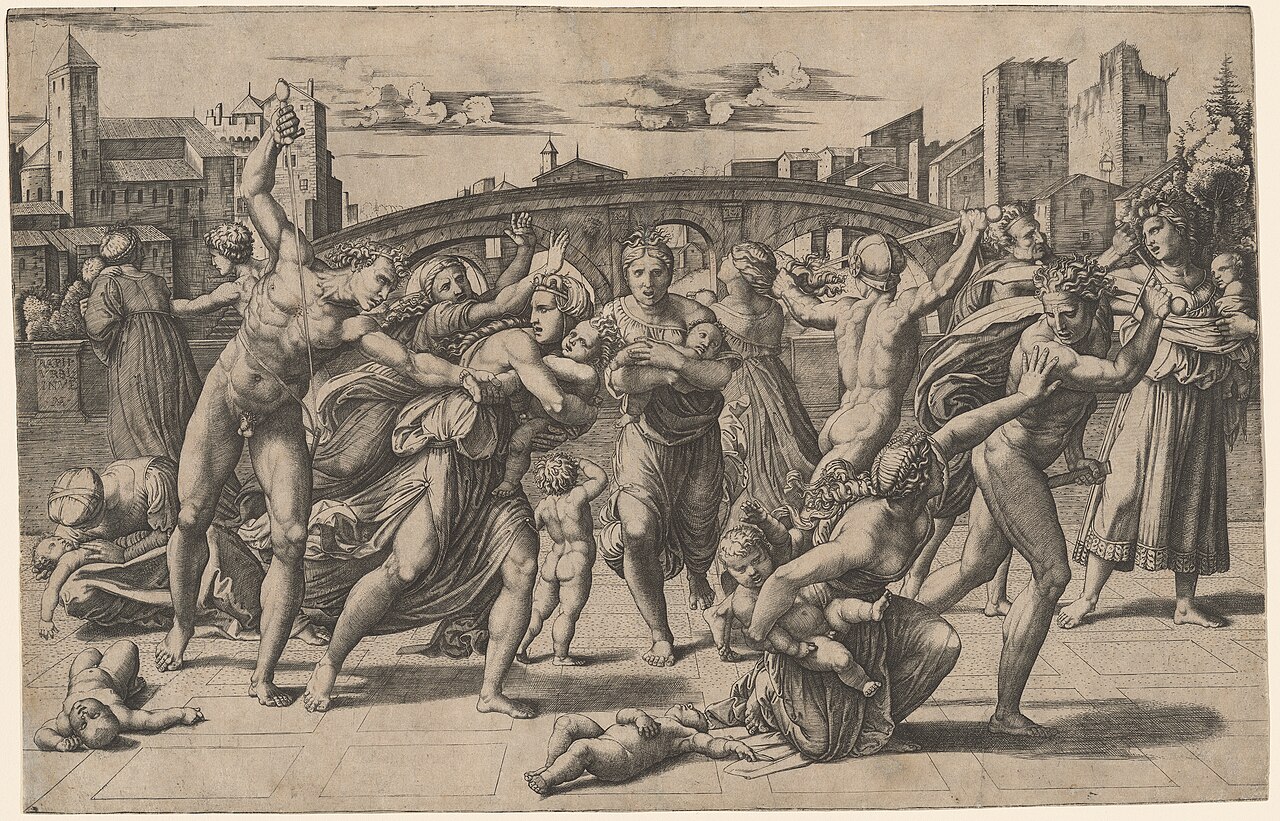
Massacre of the Innocents
Marcantonio Raimondi after Raphael · c. 1511-1512
An engraving by Marcantonio Raimondi based on a design by Raphael, showing how his art reached audiences far beyond Rome through prints.
This print reproduces a design by Raphael, showing how his work circulated widely through printmaking.
About this source
What it is
This engraving, made around 1511–1512, was created by the printmaker Marcantonio Raimondi from a design by Raphael. Copies are held by the British Museum and the Metropolitan Museum of Art. It depicts the biblical Massacre of the Innocents, a violent scene of soldiers killing infants.
Why it matters
The print shows Raphael's collaboration with Marcantonio Raimondi, which was the main way his designs spread to people who could never see his paintings or frescoes in person. This partnership helped build Raphael's wide reputation during his lifetime and set an early example of a publishing business built around an artist's designs.
Look closer
- Why might Raphael have chosen to work with an engraver rather than only painting?
- What does the violent subject matter tell us about the kinds of stories Renaissance audiences expected to see in art?
- How might seeing a print differ from seeing an original painting or fresco by Raphael?
This painting is part of the curated material that grounds the AI version of Raphael on Humy.ai — when students ask about related events, the AI can quote it and cite it.
More Raphael sources
Meet the AI Raphael →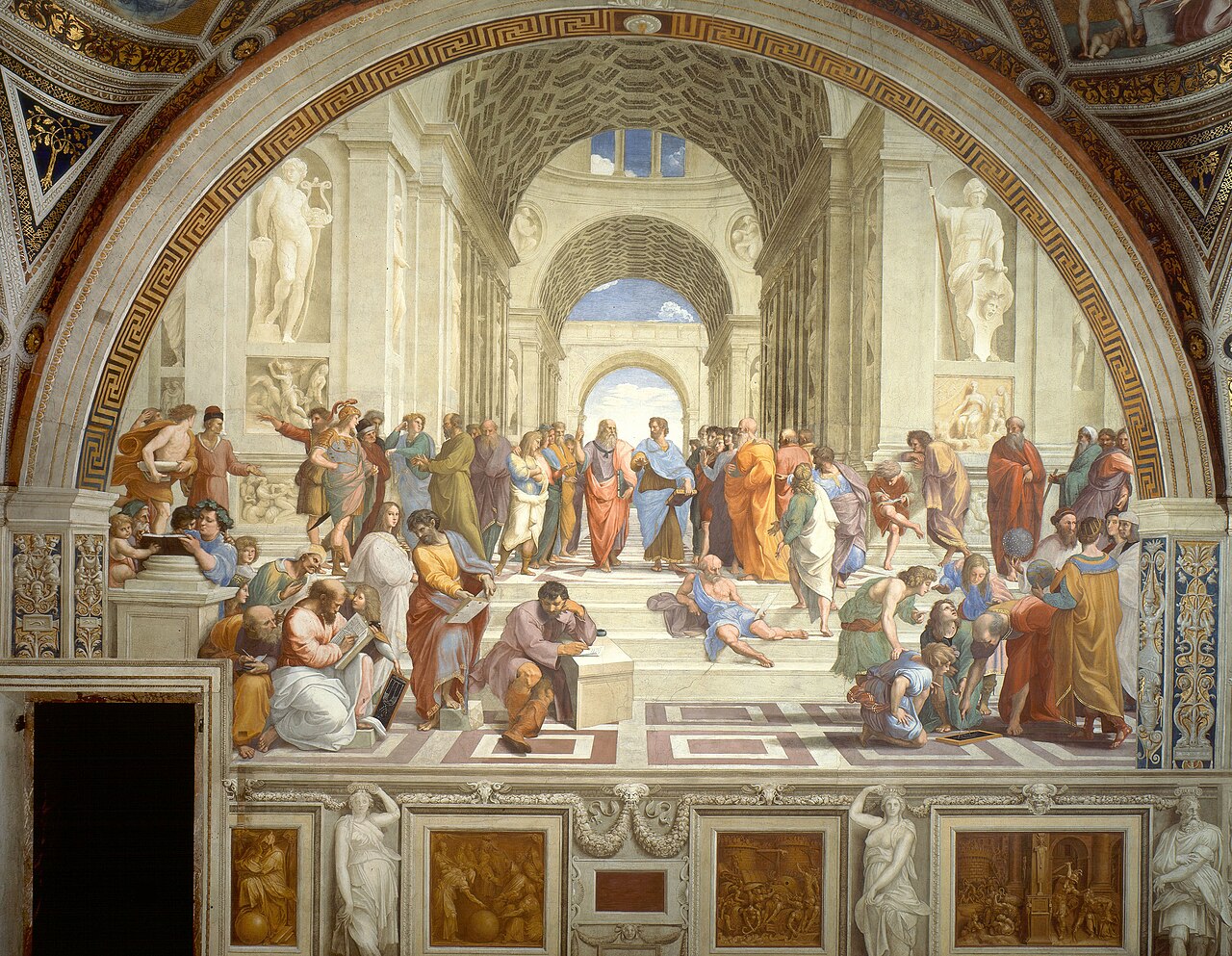 Painting
Secondary source
The School of Athens
Raphael · 1509-1511
 Painting
Secondary source
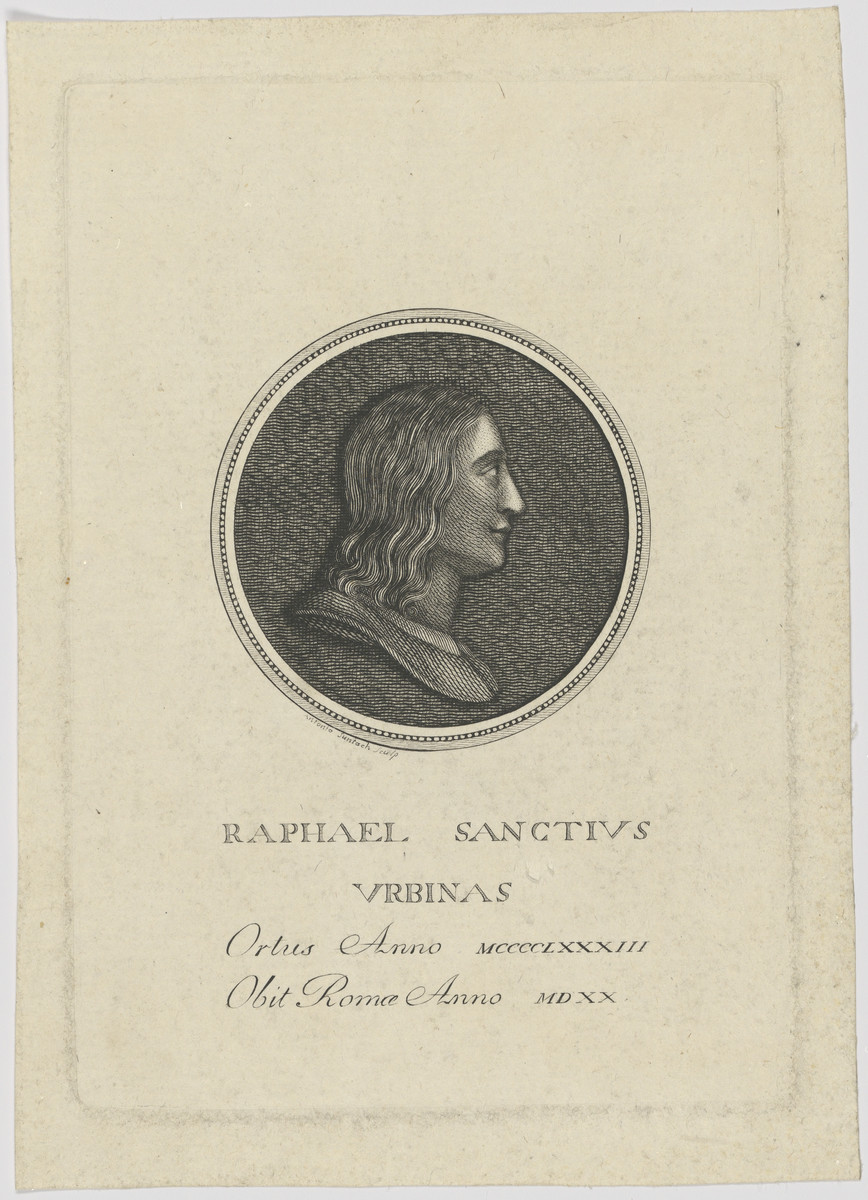
Portrait of Raphael Sanctive
Antonio Suntach
 Painting
Secondary source
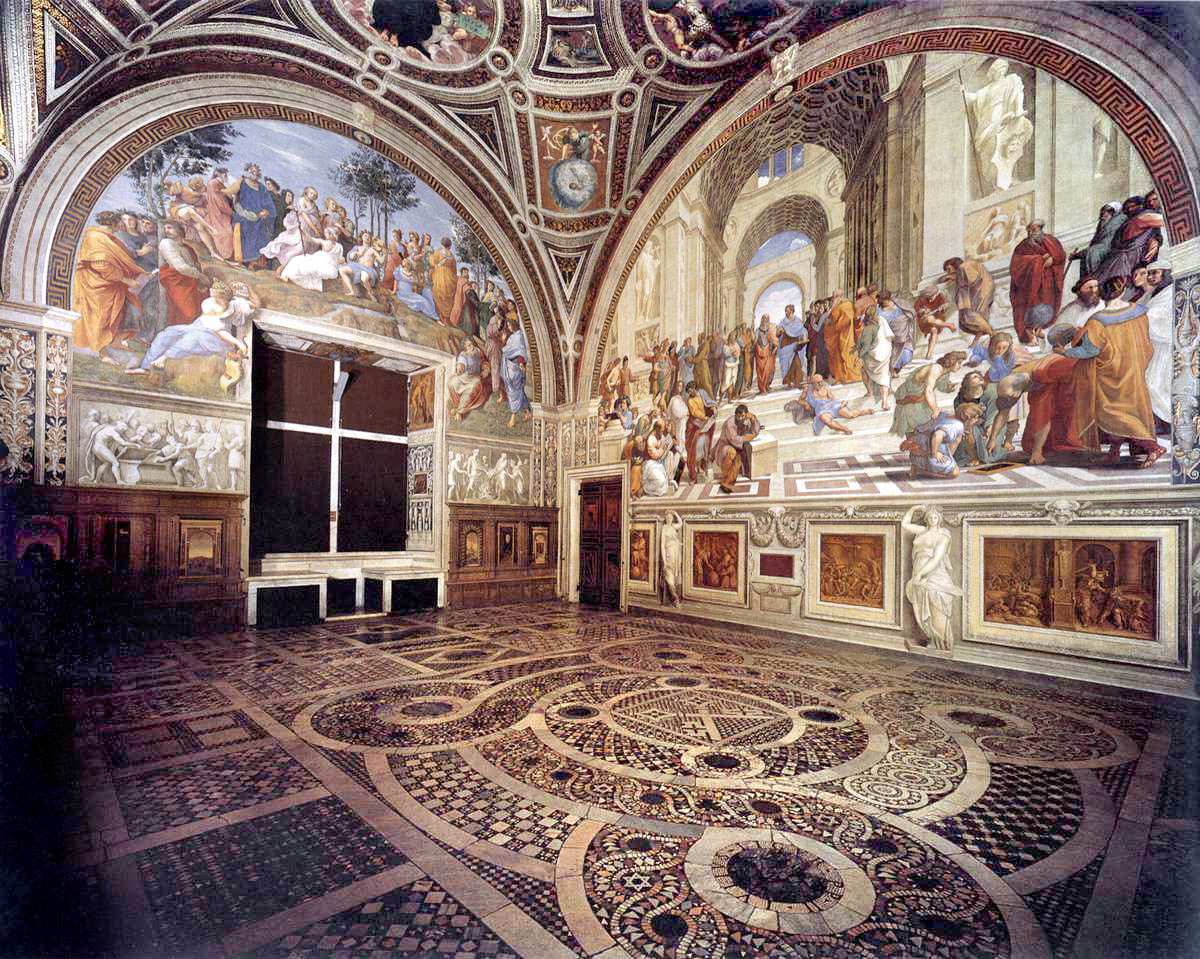
Raphael Rooms: Sala di Costantino
Raphael · 1508-1524
 Photograph
Secondary source
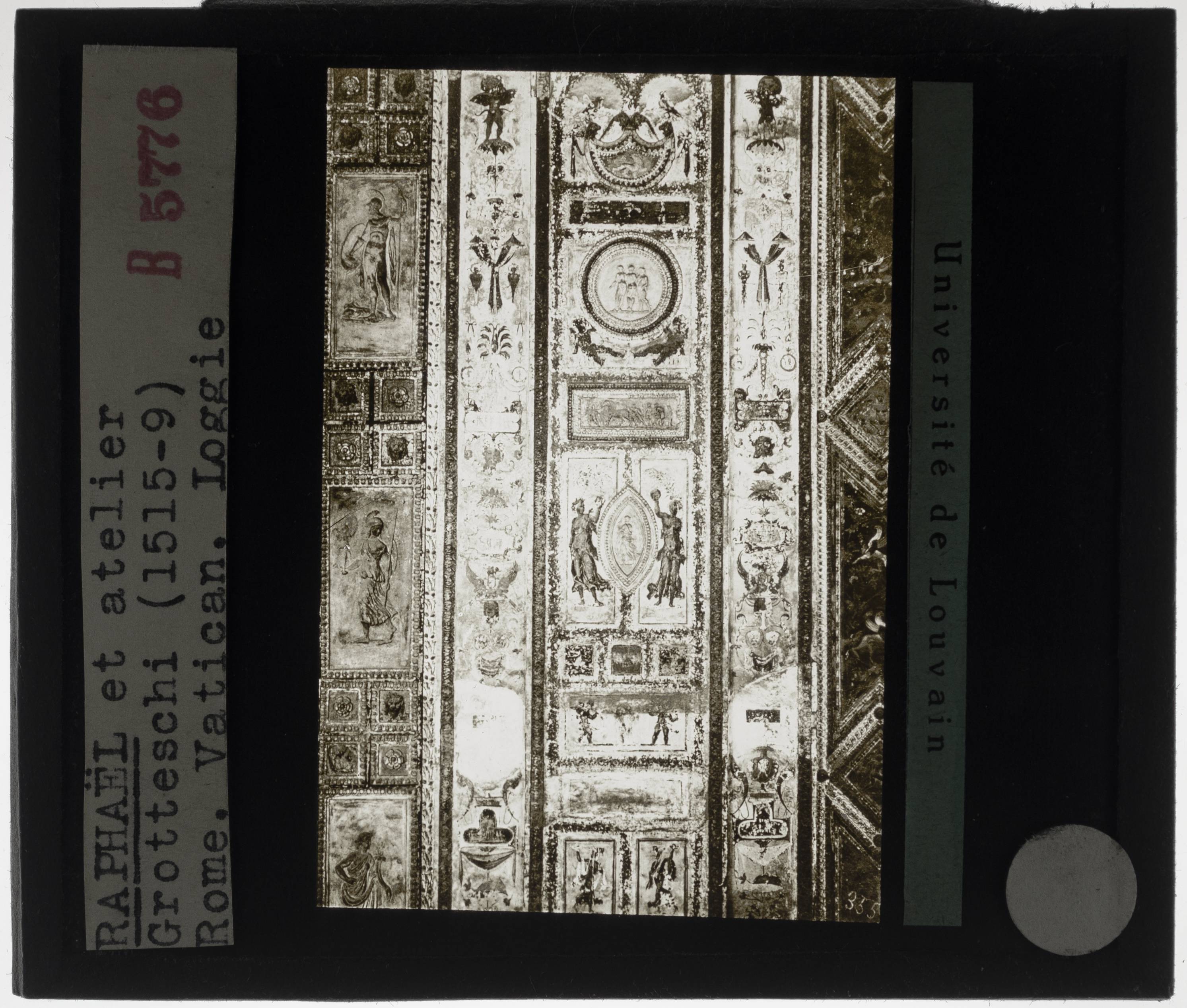
Glass Slide of Raphael's Grotesques in the Vatican
Raphael · 1518-1519 (fresco); slide made 1839-1939
 Painting
Primary source
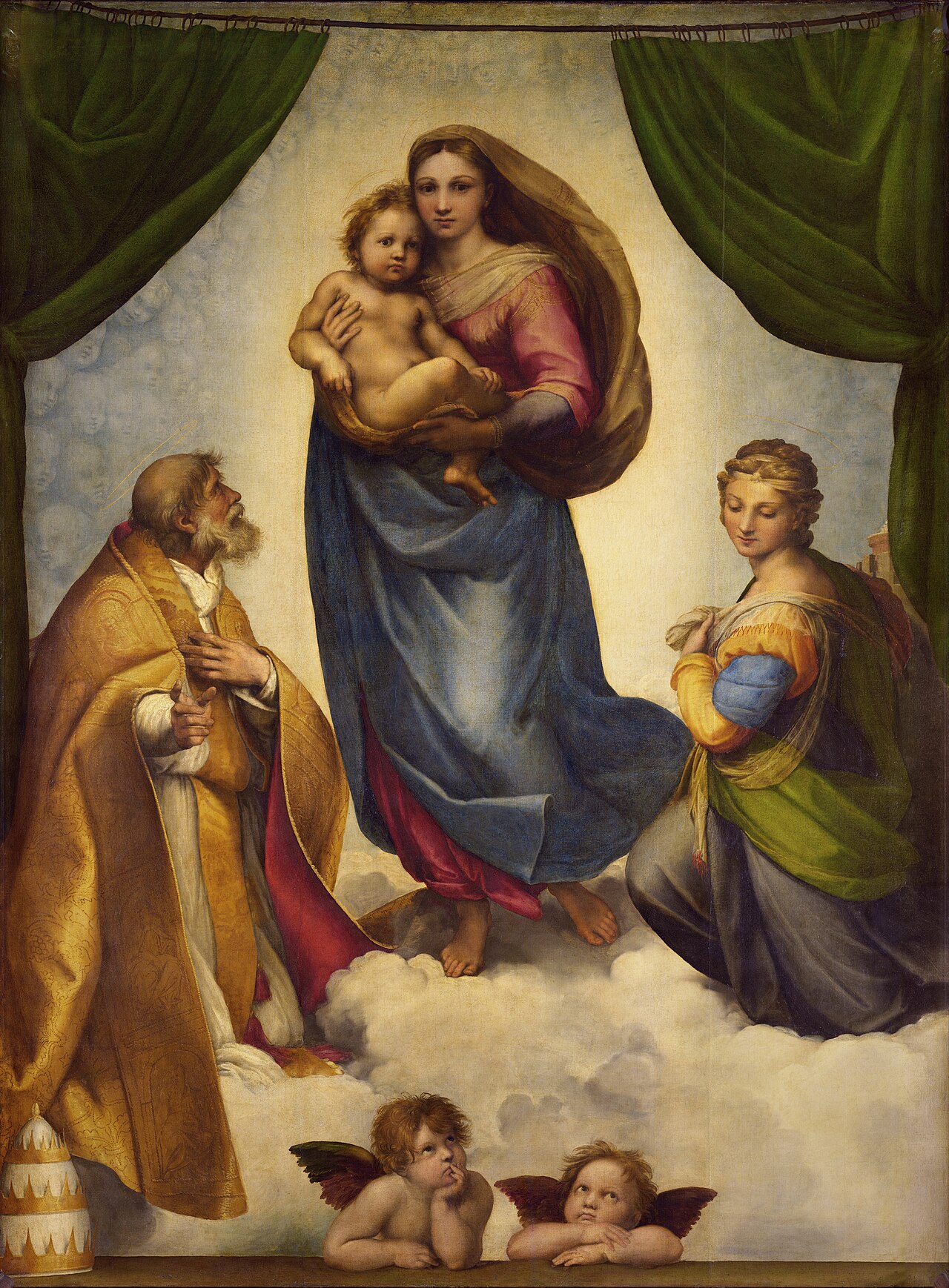
Sistine Madonna
Raphael · c. 1513-1514
Ready when you are
Start chatting with Raphael now.
20 messages free · No credit card · Available in 50+ languages.