


Primary sourceBookc. 200-168 BCE
Mawangdui Silk Texts of the Laozi
Anonymous Han scribes · c. 200-168 BCE
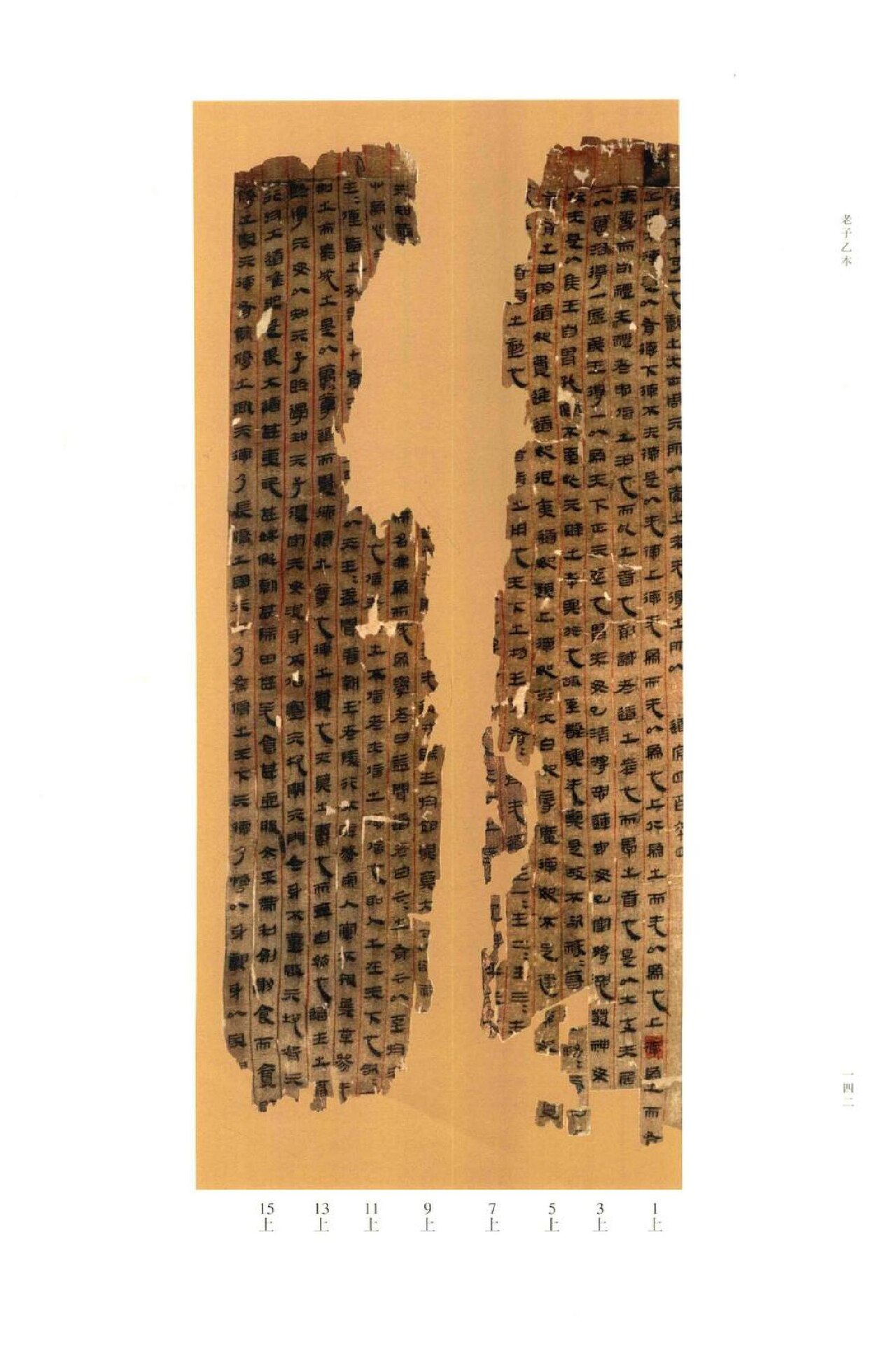
Two complete early Han silk manuscripts of the Laozi, with the De section placed before the Dao section.
An early, complete silk copy of the text attributed to Laozi, showing its original structure.
About this source
What it is
These two silk manuscripts, copied by anonymous Han scribes around 200-168 BCE, contain complete early versions of the text attributed to Laozi. They were found in a Han tomb and are now held at the Hunan Museum.
Why it matters
The Mawangdui texts show the Laozi in a form close to its earliest known state, including a different chapter order from the familiar version used today. Comparing them with the Guodian bamboo slips helps scholars trace how the book attributed to Laozi changed and grew over time.
Look closer
- Why might the order of chapters in a text matter to how it is understood?
- What can comparing two versions of the same text tell us about its history?
- Why do you think this text was buried with the dead?
This book is part of the curated material that grounds the AI version of Laozi on Humy.ai — when students ask about related events, the AI can quote it and cite it.
More Laozi sources
Meet the AI Laozi →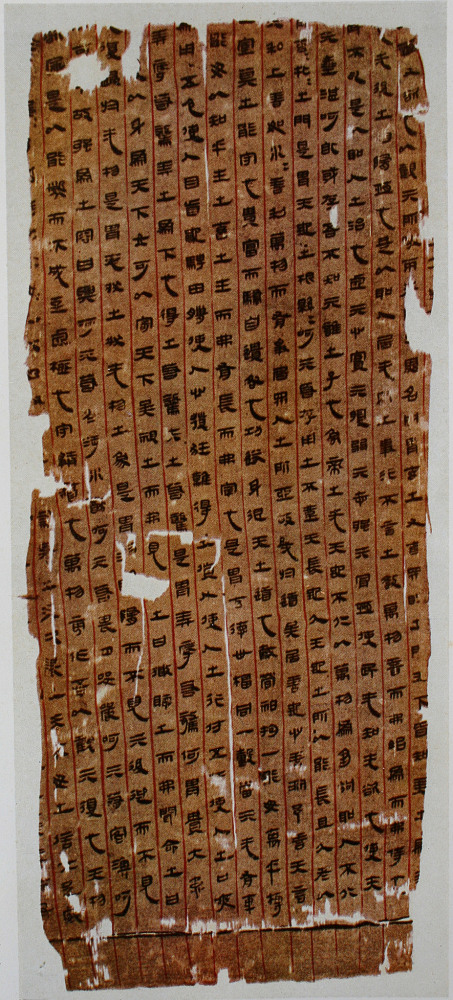 Book
Secondary source
Tao Te Ching
Laozi · c. 4th-3rd century BCE
 Artifact
Primary source
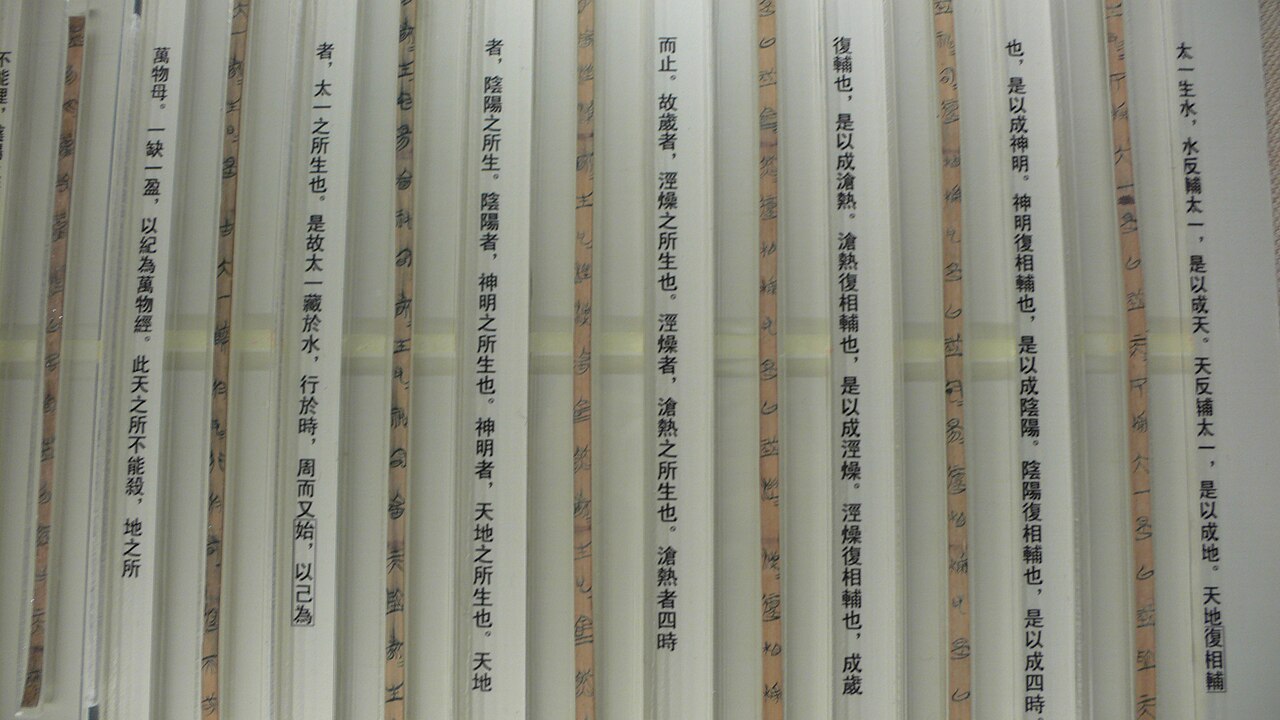
Bamboo Texts of Guodian
c. 300 BCE
 Book
Secondary source
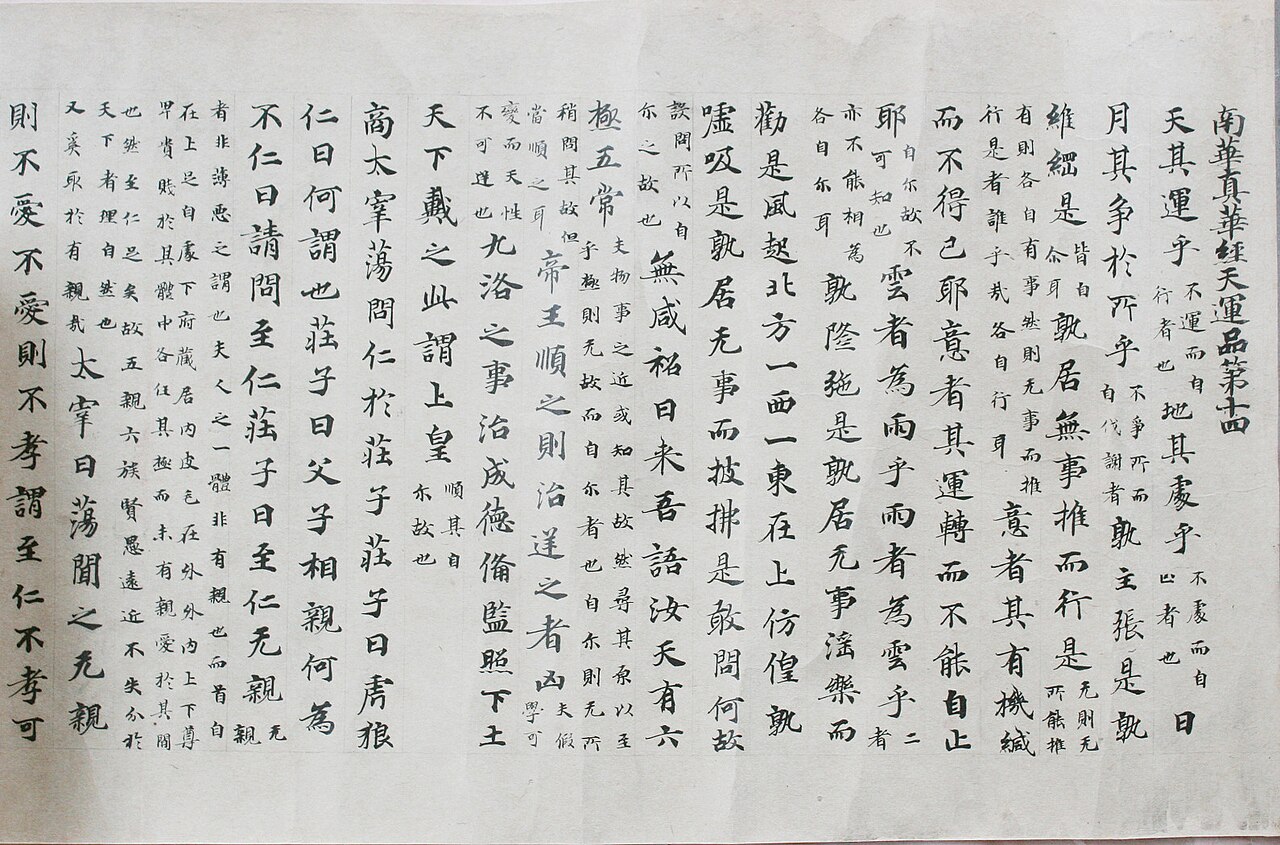
Zhuangzi
Zhuang Zhou · c. 300 BCE
 Painting
Secondary source
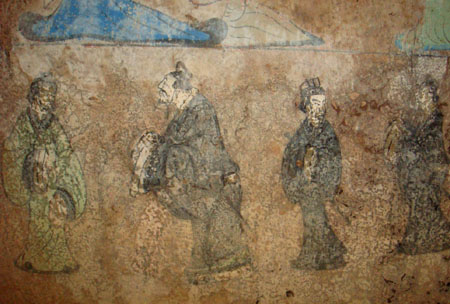
Confucius and Laozi fresco, Dongping tomb
Anonymous Chinese painter of the Western Han period · Western Han period, c. 2000 years old
 Book
Secondary source
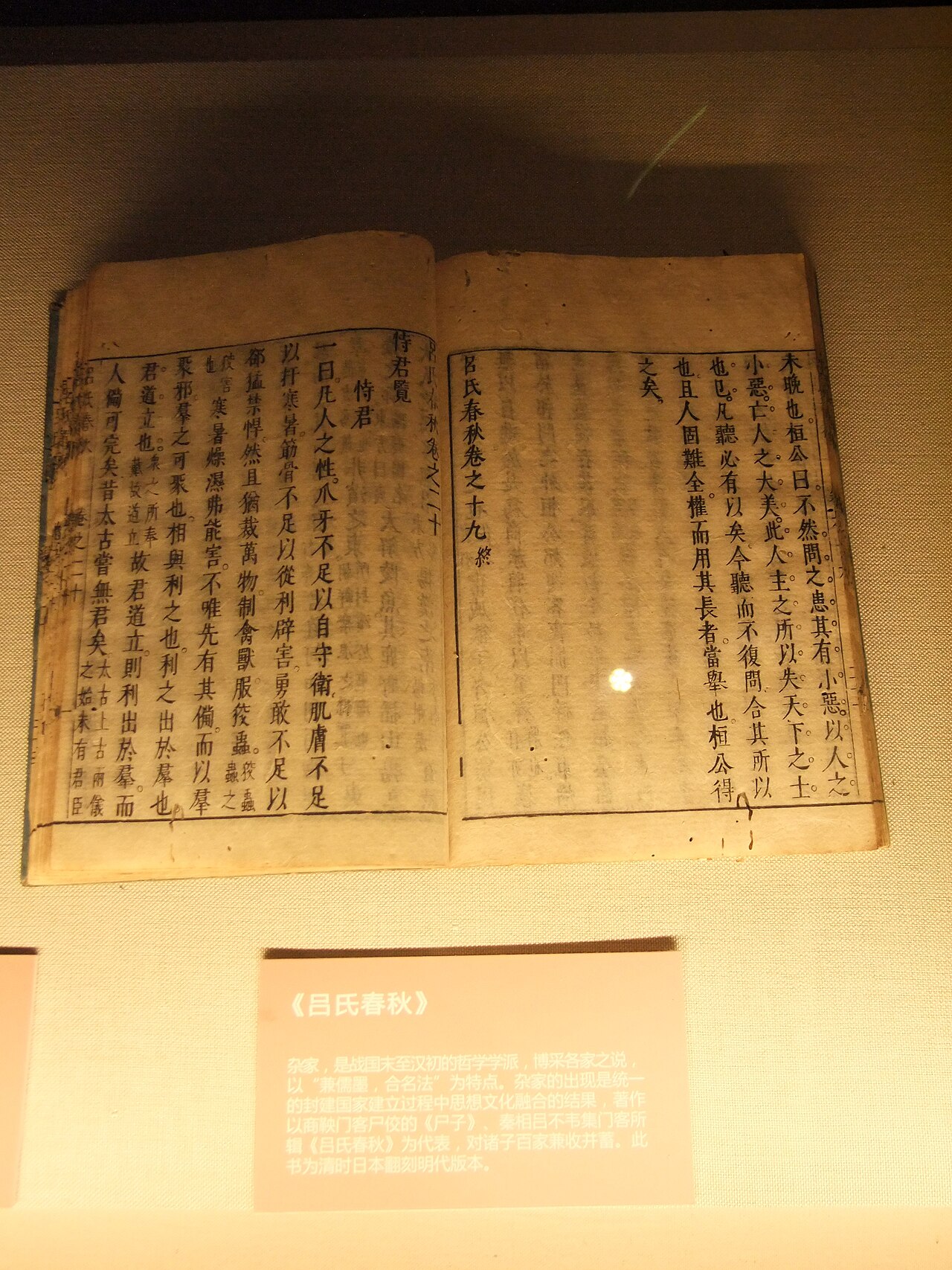
Lüshi Chunqiu
Lü Buwei (compiler) · c. 239 BCE
Ready when you are
Start chatting with Laozi now.
20 messages free · No credit card · Available in 50+ languages.