


Secondary sourceBookc. 4th-3rd century BCE
Tao Te Ching
Laozi · c. 4th-3rd century BCE
The foundational Taoist text traditionally attributed to Laozi, teaching the Dao, wu wei and the strength of yielding.
The core text traditionally attributed to Laozi, through which his philosophy is known.
About this source
What it is
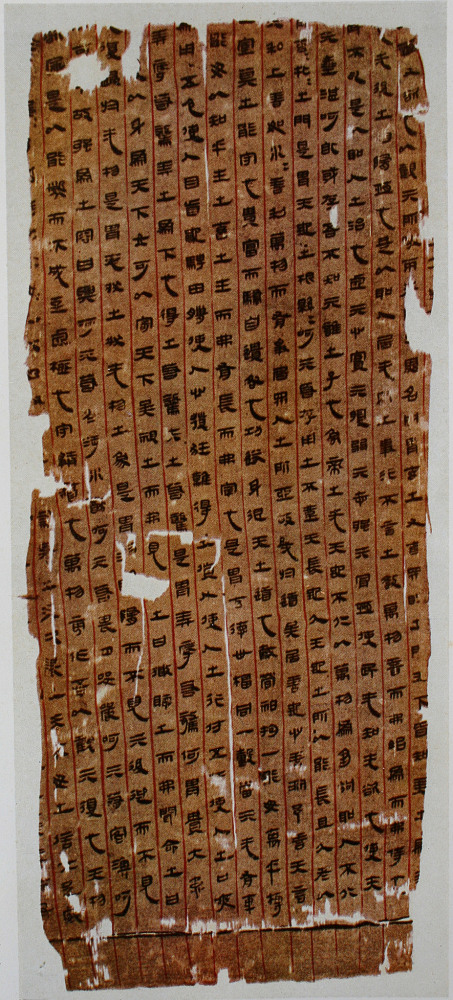
The Tao Te Ching (also called the Laozi) is an ancient Chinese classic traditionally attributed to the sage Laozi. Its oldest excavated fragments date to around 300 BCE, though scholars debate exactly when and by whom it was composed. It has been translated more than almost any other text in world literature.
Why it matters
This short book became the foundational text of Taoism, shaping Chinese philosophy, religion, art and medicine for over two thousand years. Because so little is known for certain about Laozi himself, the book is really our main window into his teaching of the Dao, non-action (wu wei), and the power of softness and yielding.
Look closer
- Why might a text be influential even if we are not sure who wrote it?
- What does the opening passage suggest about how the author thinks words can describe reality?
- How might different translations change the meaning of ideas like 'the Dao'?
This book is part of the curated material that grounds the AI version of Laozi on Humy.ai — when students ask about related events, the AI can quote it and cite it.
More Laozi sources
Meet the AI Laozi →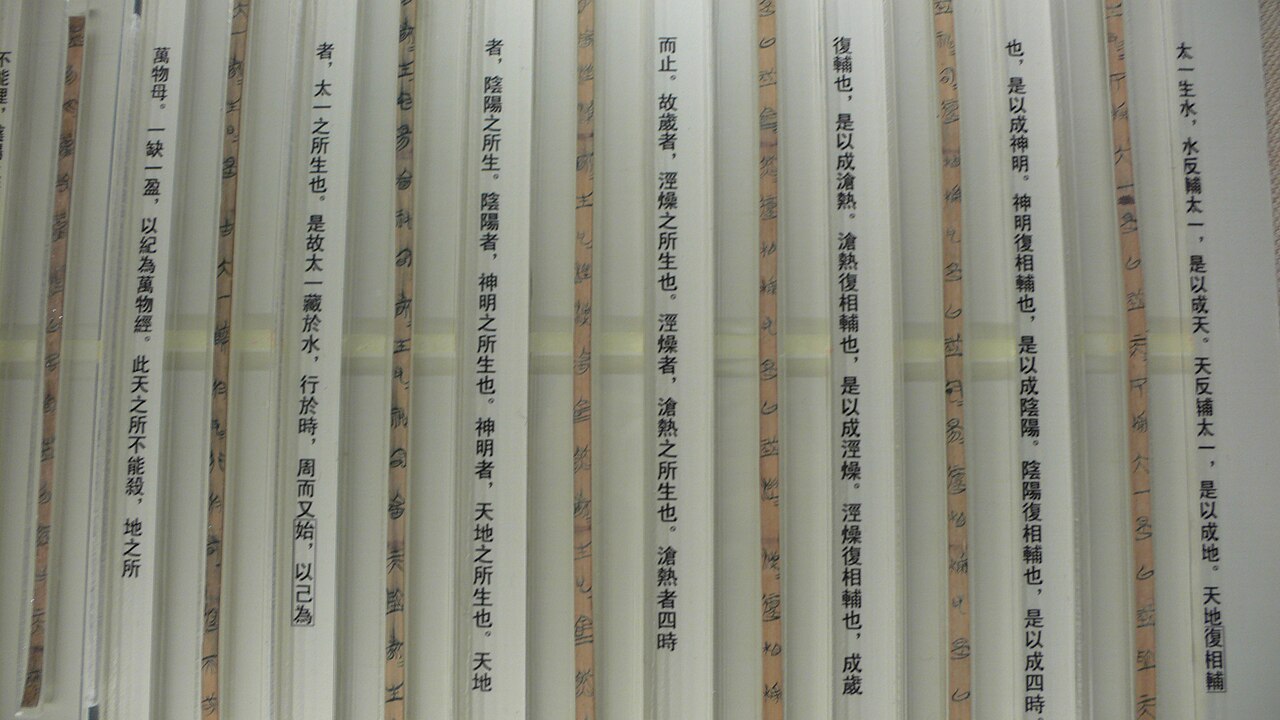 Artifact
Primary source
Bamboo Texts of Guodian
c. 300 BCE
 Book
Primary source
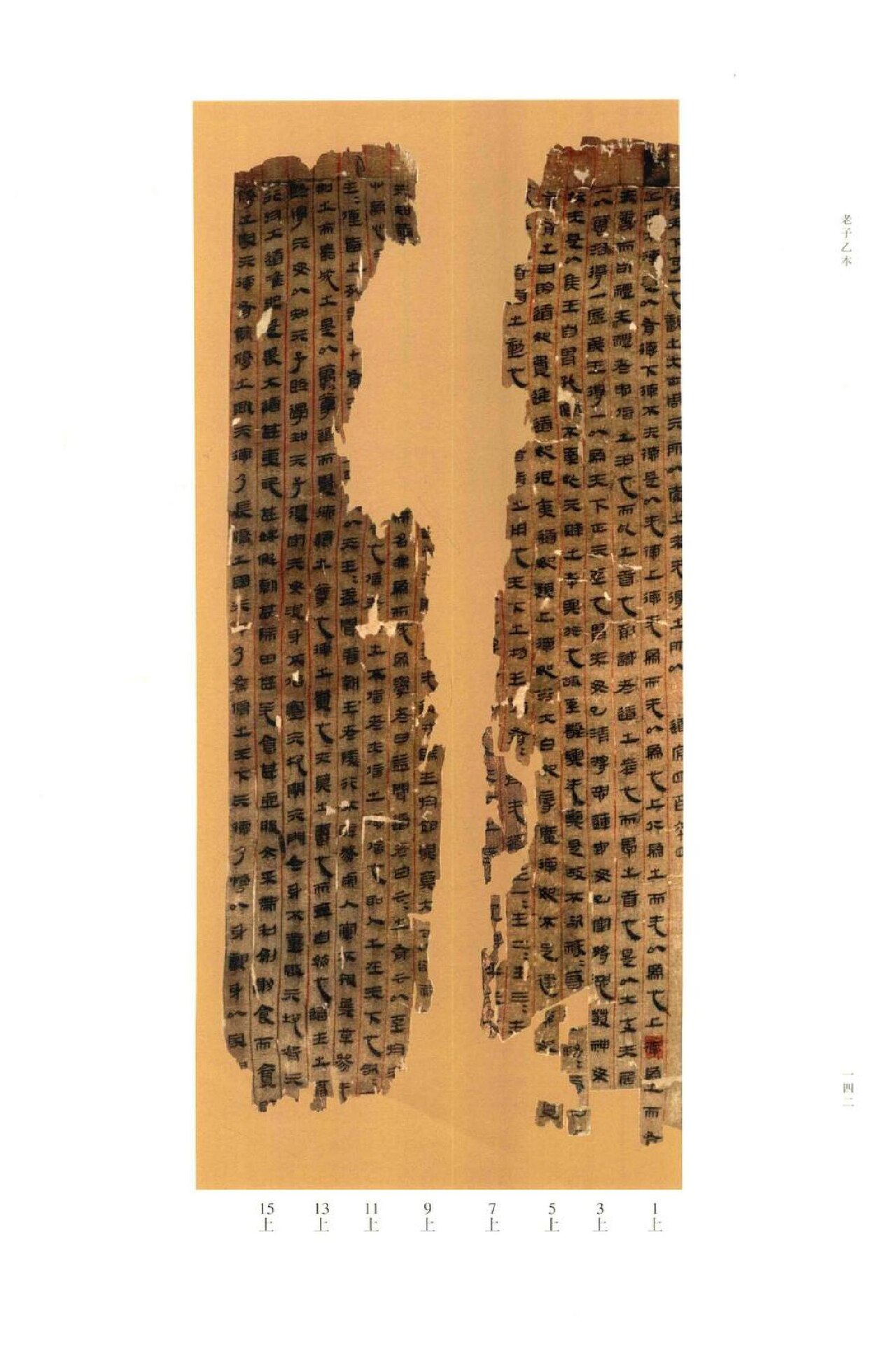
Mawangdui Silk Texts of the Laozi
Anonymous Han scribes · c. 200-168 BCE
 Book
Secondary source
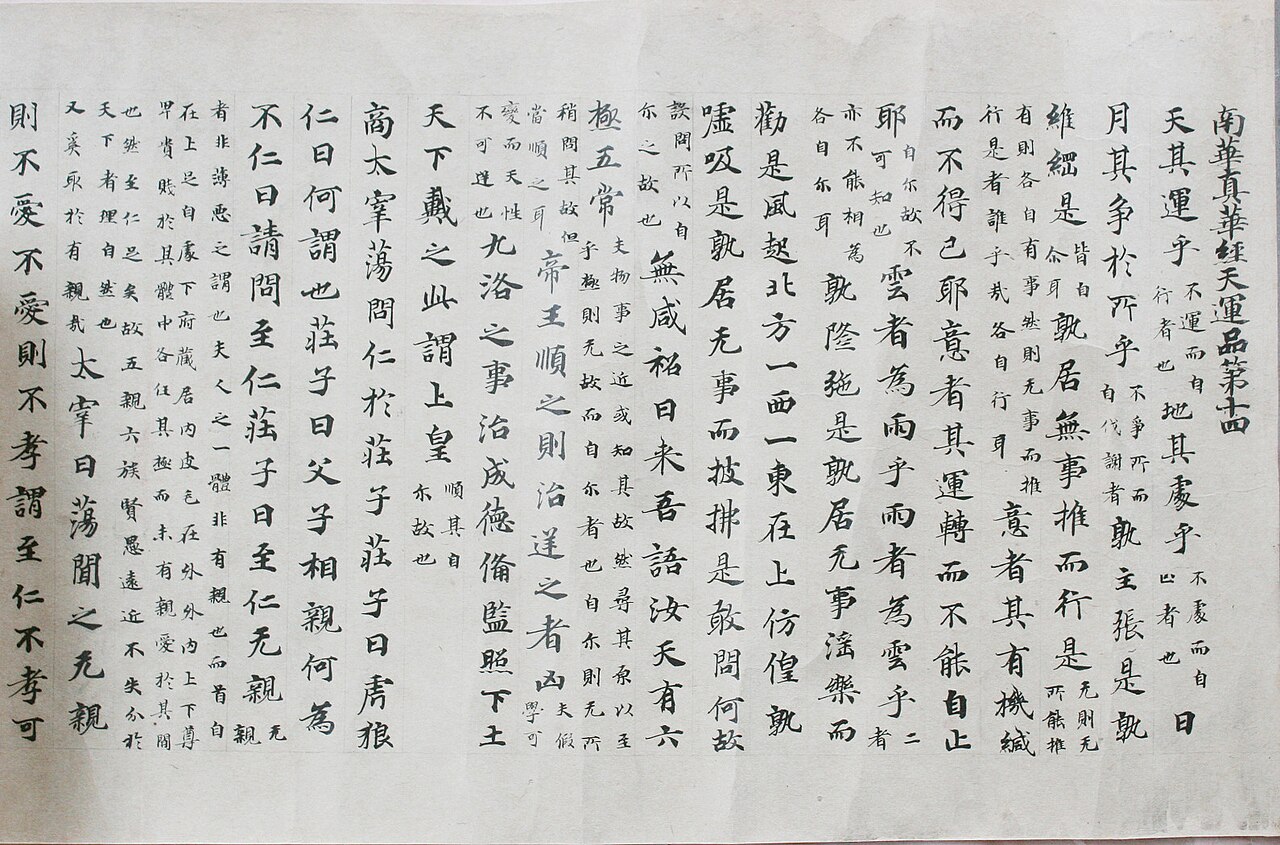
Zhuangzi
Zhuang Zhou · c. 300 BCE
 Painting
Secondary source
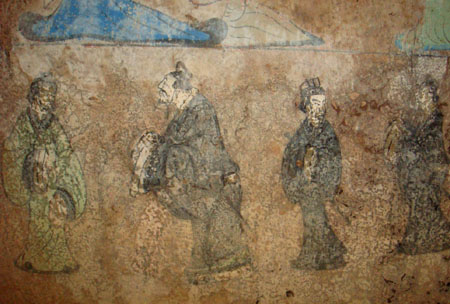
Confucius and Laozi fresco, Dongping tomb
Anonymous Chinese painter of the Western Han period · Western Han period, c. 2000 years old
 Book
Secondary source
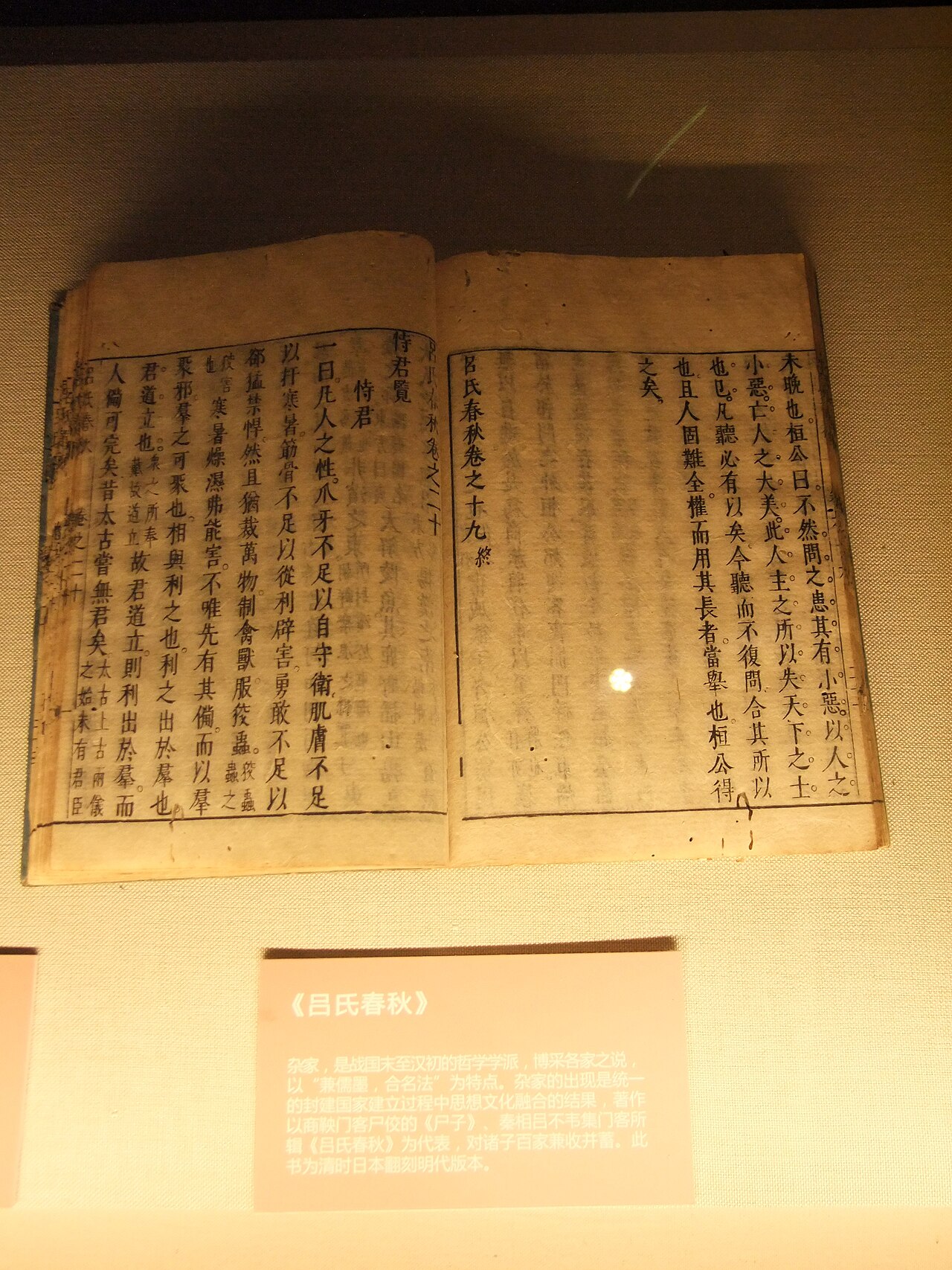
Lüshi Chunqiu
Lü Buwei (compiler) · c. 239 BCE
Ready when you are
Start chatting with Laozi now.
20 messages free · No credit card · Available in 50+ languages.