


Primary sourceDocument1883
Mazeppa
Pyotr Ilyich Tchaikovsky · 1883
An opera by Tchaikovsky based on Pushkin's poem Poltava, telling a violent tale of love and political betrayal in 18th-century Ukraine.
Tchaikovsky composed this opera, drawing on themes connected to his own Cossack ancestry.
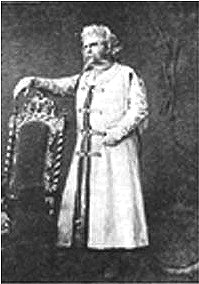
About this source
What it is
Mazeppa is an opera in three acts composed by Pyotr Ilyich Tchaikovsky between 1881 and 1883, with a libretto by Victor Burenin based on Alexander Pushkin's poem Poltava. It premiered at the Bolshoi Theatre in Moscow in 1884, followed soon after by a Saint Petersburg premiere at the Mariinsky Theatre.
Why it matters
The opera dramatizes real historical figures, the Cossack Hetman Ivan Mazeppa and nobleman Vasyl Kochubey, mixing love, abduction, persecution and vengeance. Tchaikovsky reshaped the libretto to focus on the tragic love story, adding a character to heighten the heroine's fate, and the work connects to his Ukrainian Cossack heritage. Its mixed critical reception, hidden from Tchaikovsky at first by his brother, reveals how fragile the composer's confidence could be.
Look closer
- Why might a composer be drawn to a story rooted in his own family's history?
- What does the photograph of a costumed performer suggest about how history was staged for audiences?
- How did Tchaikovsky change the libretto, and what does that reveal about his priorities as an artist?
This document is part of the curated material that grounds the AI version of Pyotr Ilyich Tchaikovsky on Humy.ai — when students ask about related events, the AI can quote it and cite it.
More Pyotr Ilyich Tchaikovsky sources
Meet the AI Pyotr Ilyich Tchaikovsky →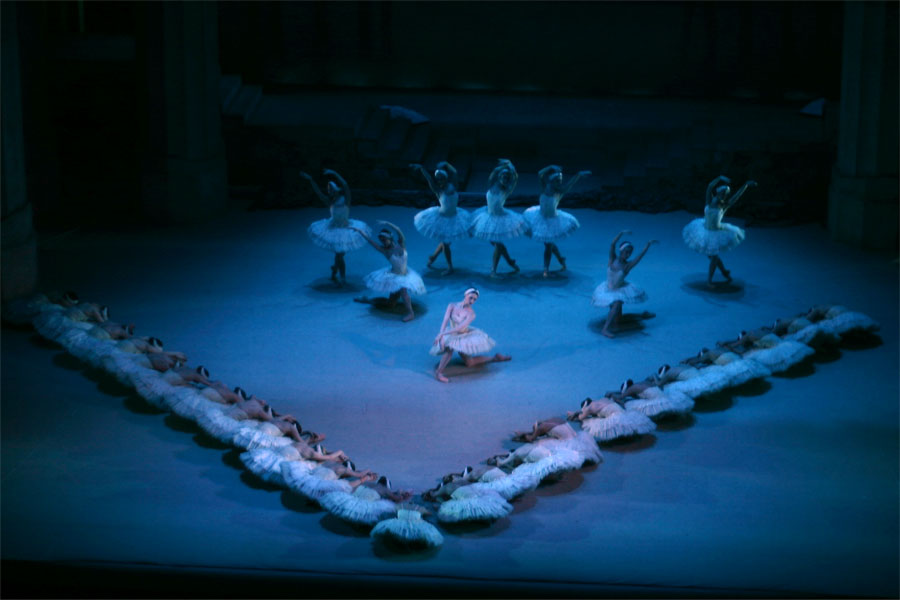 Artifact
Secondary source
Swan Lake
Pyotr Ilyich Tchaikovsky · 1875–1876
 Artifact
Secondary source
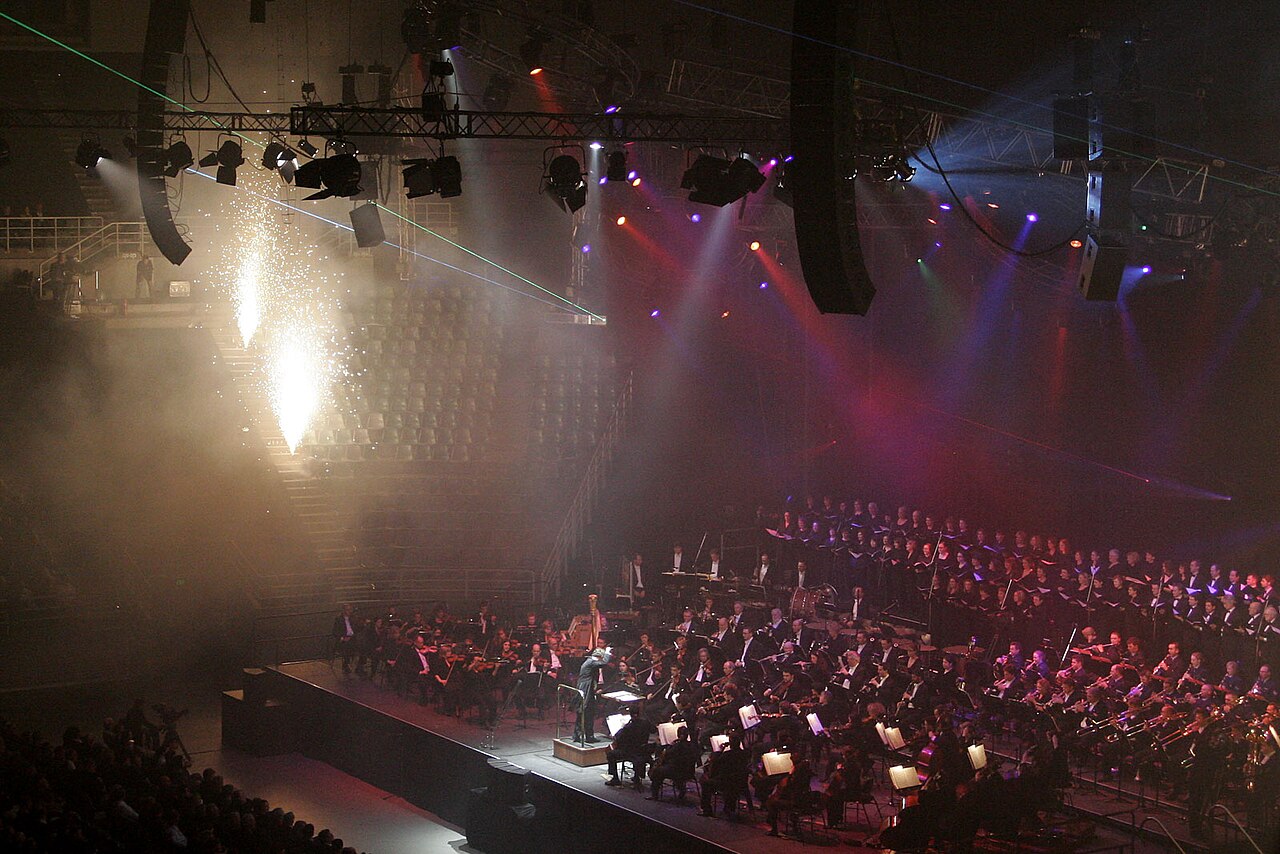
1812 Overture
Pyotr Ilyich Tchaikovsky · 1880
 Artifact
Primary source
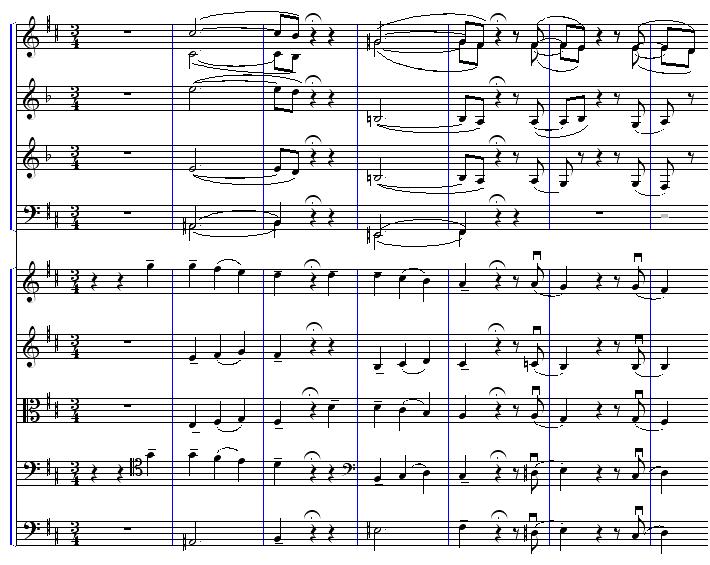
Symphony No. 6 (Pathétique)
Pyotr Ilyich Tchaikovsky · 1893
Primary source
Tchaikovsky & Anton Rubinstein & Friends
Julius Block · 1890
 Artifact
Primary source
Eugene Onegin
Pyotr Ilyich Tchaikovsky · 1877–1878
Ready when you are
Start chatting with Pyotr Ilyich Tchaikovsky now.
20 messages free · No credit card · Available in 50+ languages.