


Primary sourceArtifact
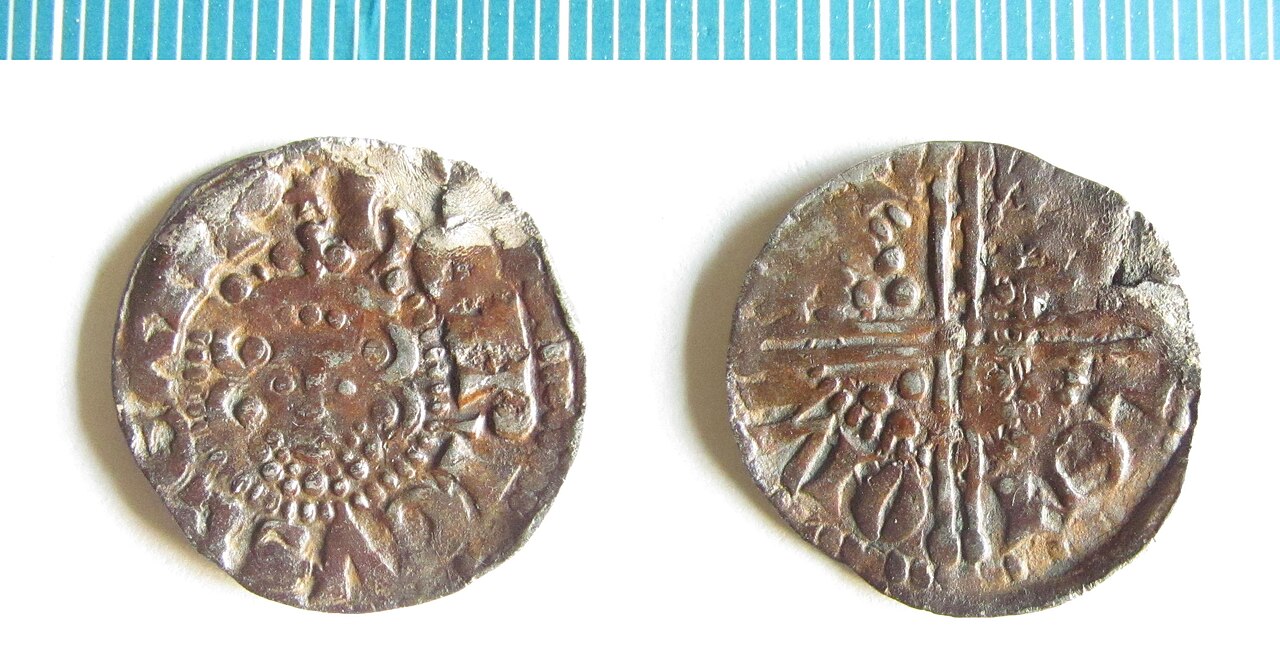
Medieval penny of Henry III
A worn medieval silver penny attributed to Henry III, shown in two photographs. The damaged royal bust and cross are faintly visible.
This penny is attributed to Henry III, the king who reissued Magna Carta, and shows the royal money of his reign.
About this source
What it is
This is a photograph of a worn, corroded silver-coloured medieval penny, shown on both sides against a blue measuring scale. The left side shows a faint, damaged royal bust and lettering around the edge. The right side shows a long cross dividing the coin into four quarters. The photograph was taken by Adrian Marsden and shared on Wikimedia Commons. The coin is attributed to Henry III, and its exact date is not given in the record. The coin itself is not held in this archive.
Why it matters
Henry III was the king who reissued the Magna Carta charter, and his pennies were the money of England during his long reign. A penny like this links the royal image and the coinage of the kingdom to the political history of the charter. Its damage also shows how coins were used and lost over centuries.
Look closer
- What parts of the royal bust and lettering can you still make out, and what has been lost?
- Why might a coin be so badly worn, and what does that say about its use?
- What does a photograph of one coin leave out about the king and the people who used his money?
This artifact is part of the curated material that grounds the AI version of Magna Carta on Humy.ai — when students ask about related events, the AI can quote it and cite it.
More Magna Carta sources
Meet the AI Magna Carta →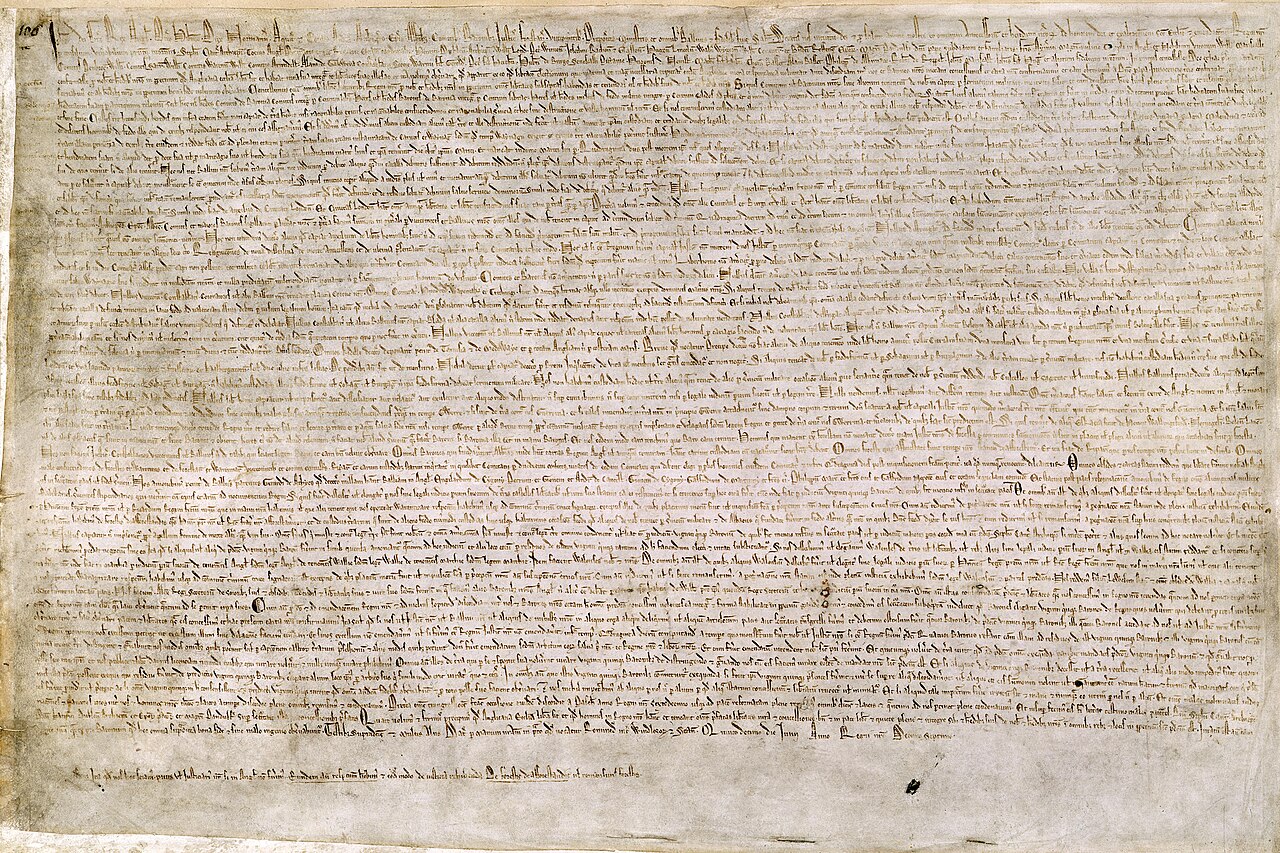 Document
Primary source
Magna Carta (1215 Exemplification)
1215
 Document
Primary source
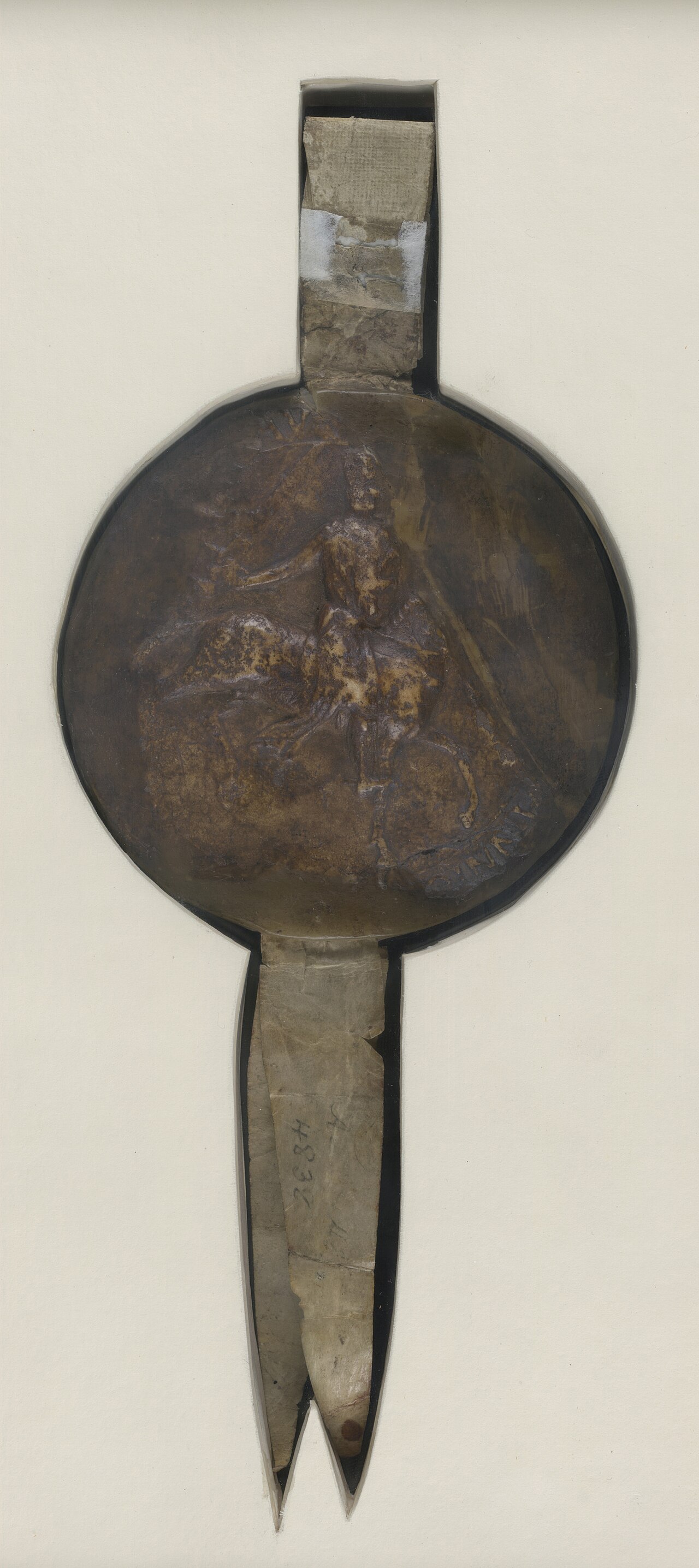
Articles of the Barons
1215
 Document
Primary source
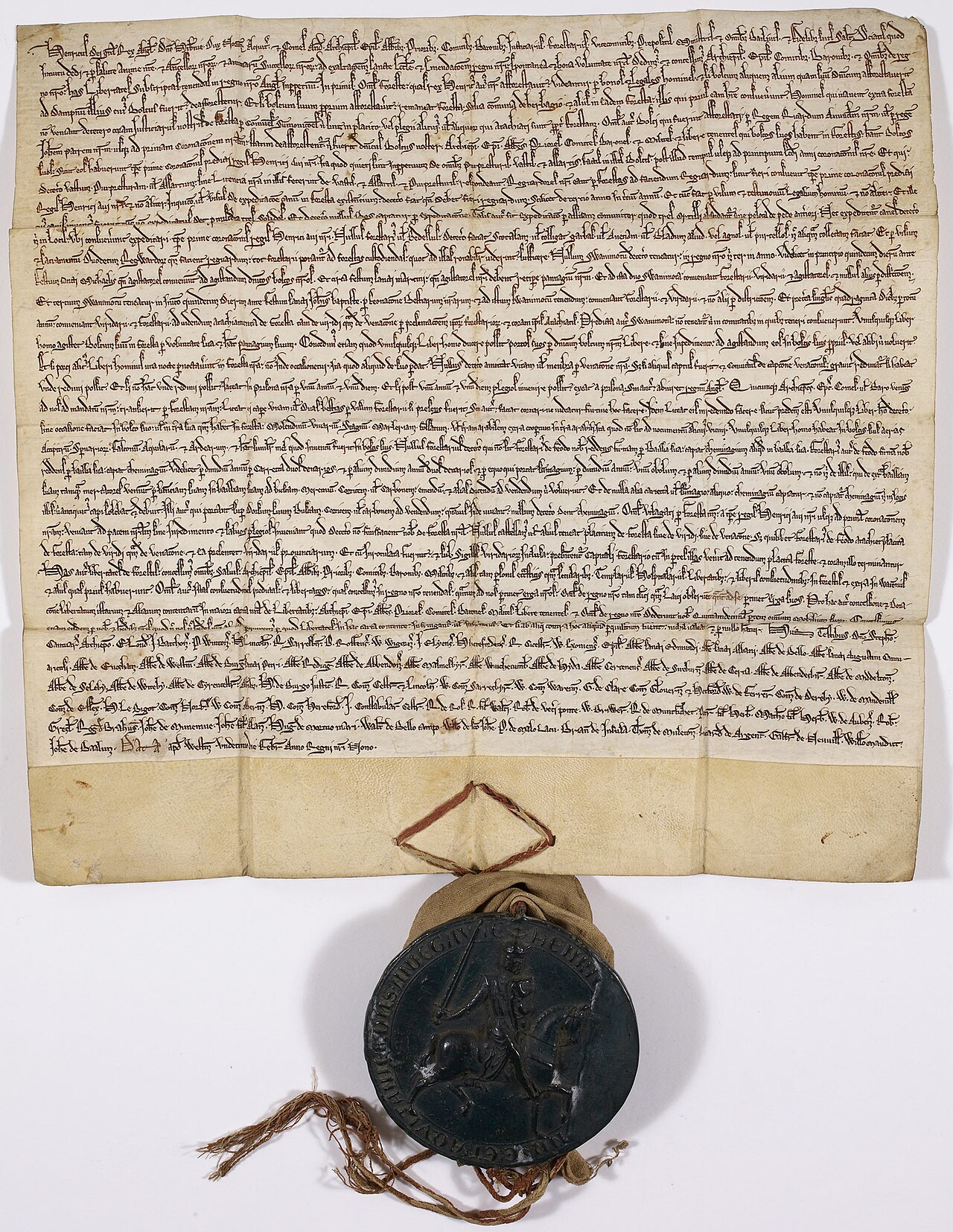
Charter of the Forest
1217
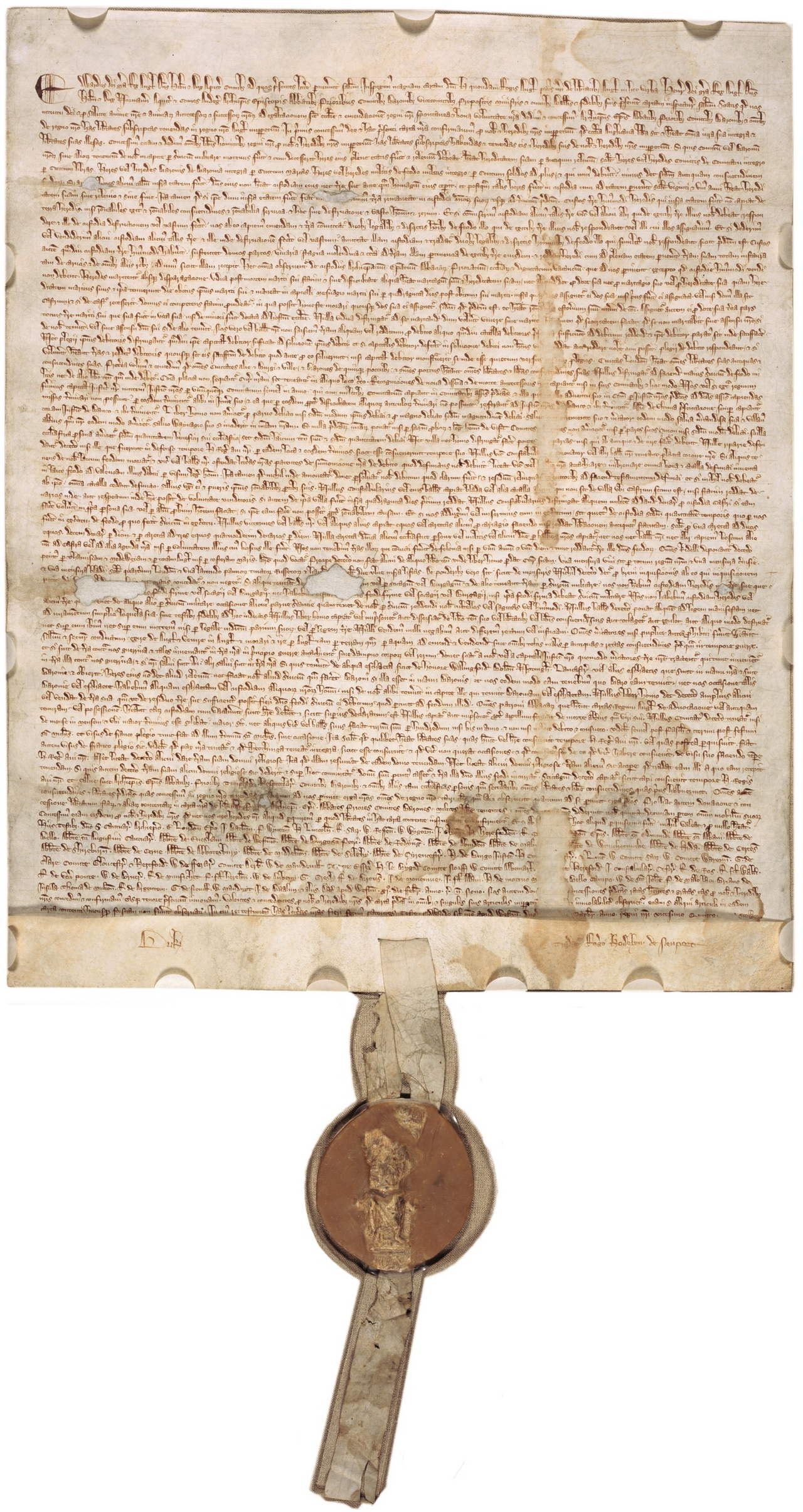 Document
Primary source
Magna Carta 1297 (National Archives, Washington)
Edward I of England · 1297
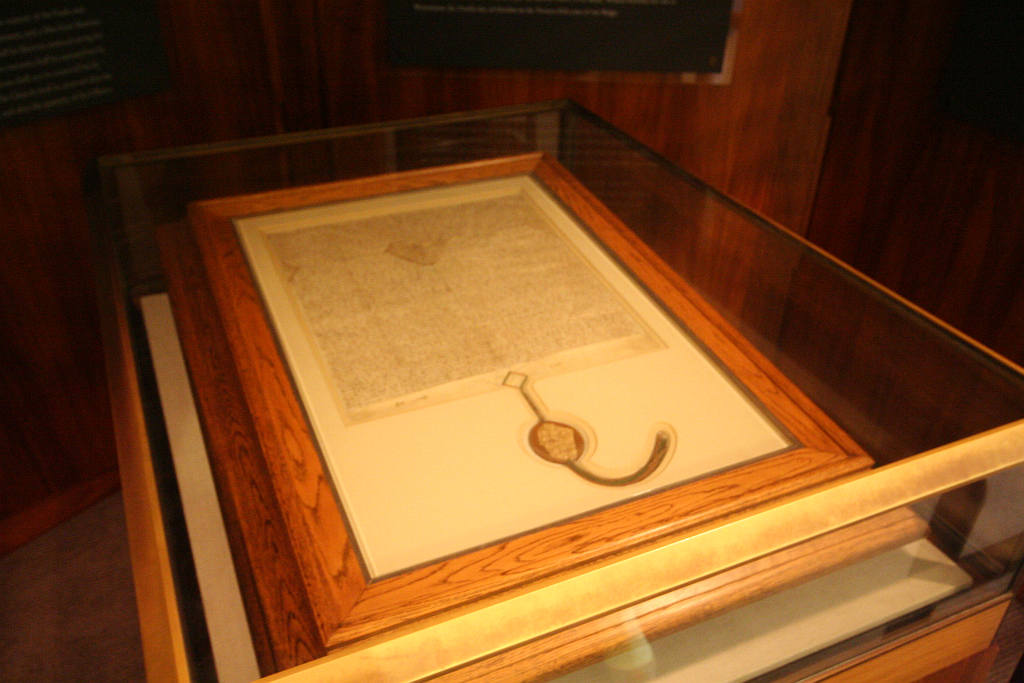 Document
Primary source
Magna Carta 1297 (Parliament House, Canberra)
Edward I of England · 1297
Ready when you are
Start chatting with Magna Carta now.
20 messages free · No credit card · Available in 50+ languages.