


Primary sourceArtifact1403
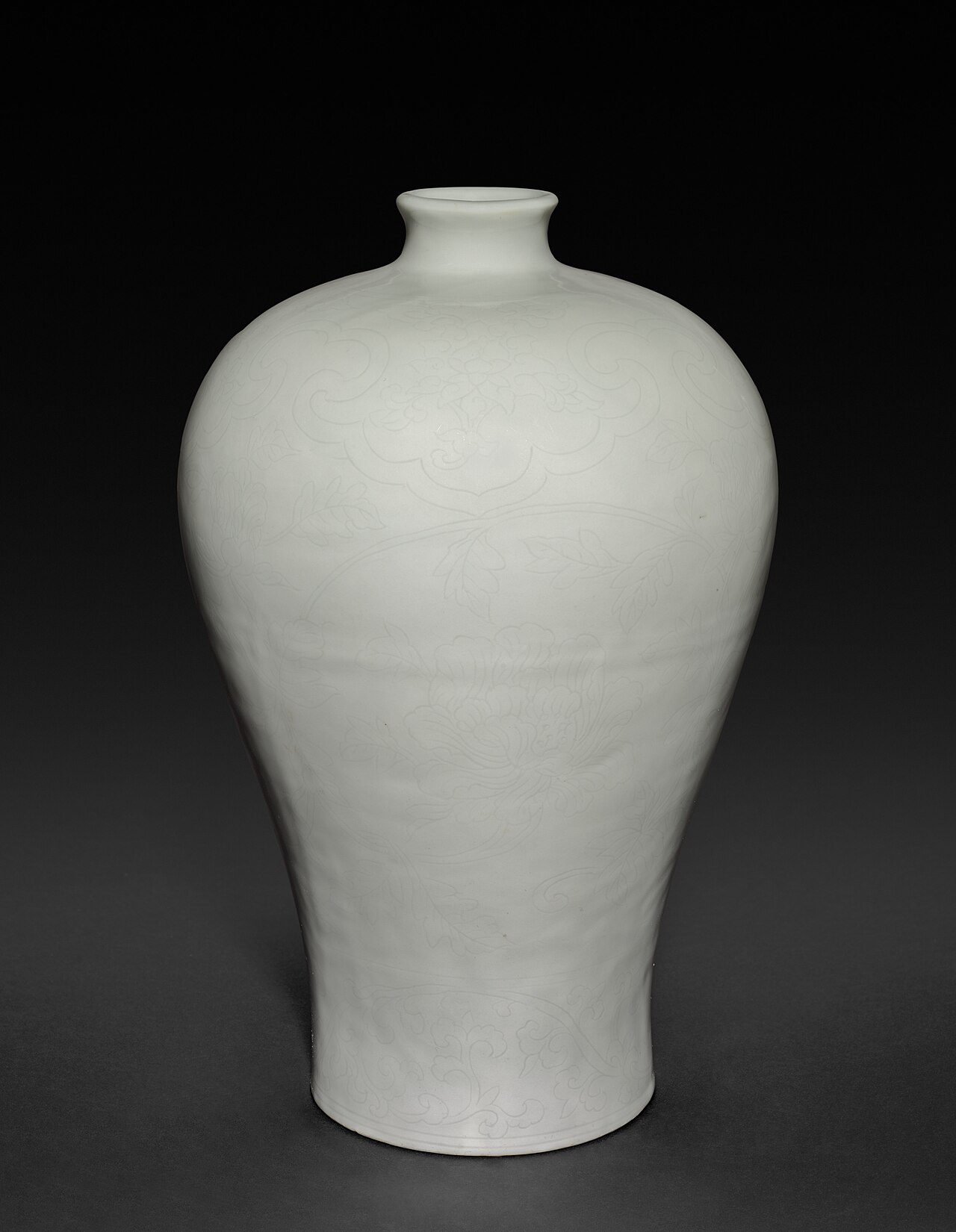
Meiping Vase with Cloud Collars and Peony
1403
A white porcelain meiping vase with hidden incised decoration, made during the Yongle period and praised as a masterpiece of imperial 'sweetwhite' porcelain.
A celebrated example of imperial 'sweetwhite' porcelain made for offerings during the Yongle Emperor's reign.
About this source
What it is
This meiping, or plum vase, is made of white porcelain decorated with faint incised peony and cloud-collar designs known as "hidden decoration" (anhua). It dates to 1403, the start of the Yongle period of the Ming dynasty.
Why it matters
Collectors call this glowing white glaze "tianbai," or sweetwhite, and consider it one of the great achievements of the Yongle period. Such vases were made for imperial offerings, showing the extremely high standards demanded of the court workshops under the Yongle Emperor.
Look closer
- Why would a maker hide decoration so it is barely visible, rather than make it bold?
- What does the description "sweetwhite" tell us about how people of the time valued this object?
- What questions can't this vase answer about who made it or how it was actually used?
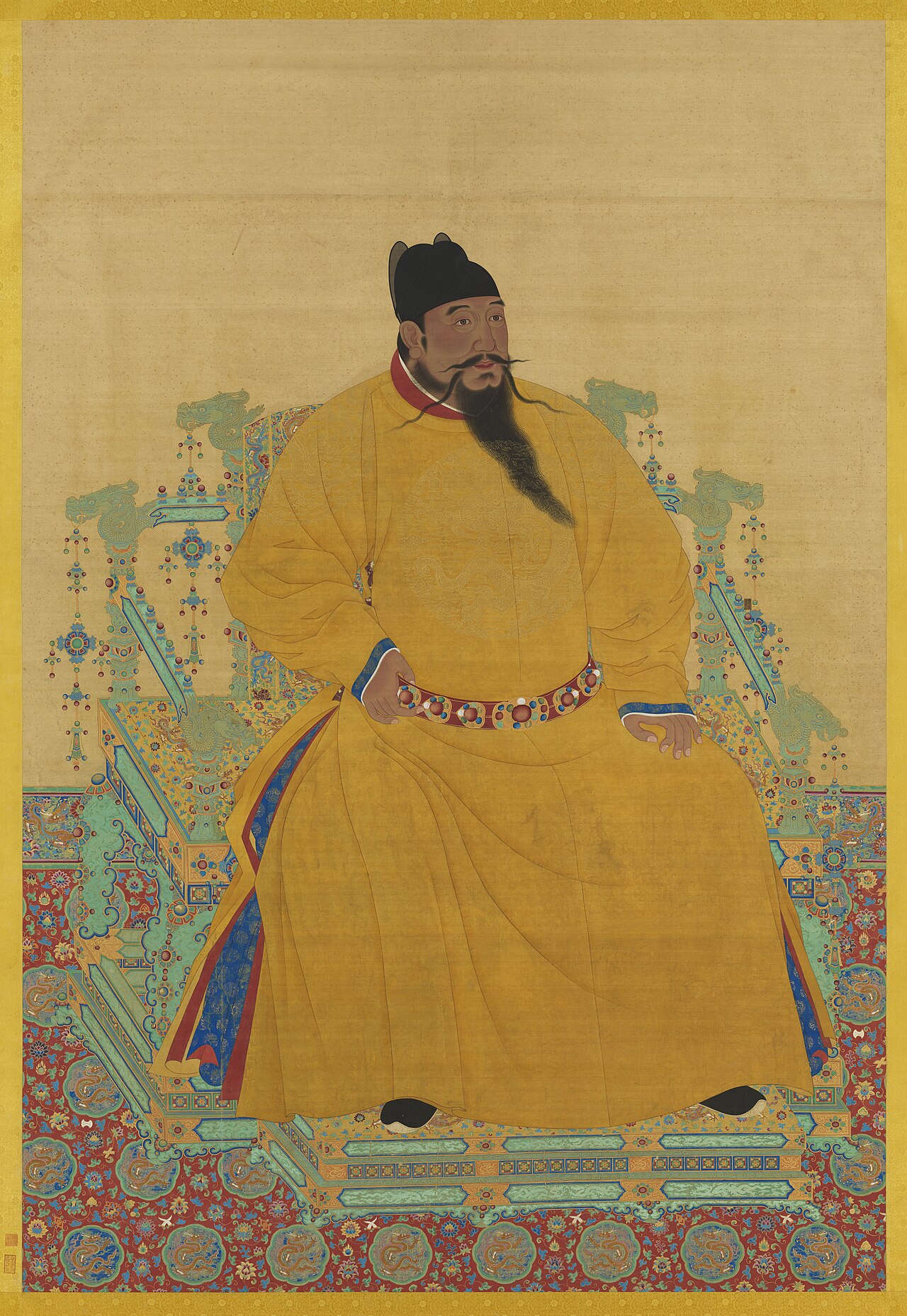
This artifact is part of the curated material that grounds the AI version of Yongle Emperor on Humy.ai — when students ask about related events, the AI can quote it and cite it.
More Yongle Emperor sources
Meet the AI Yongle Emperor →
Ready when you are
Start chatting with Yongle Emperor now.
20 messages free · No credit card · Available in 50+ languages.