


Primary sourceBook1665
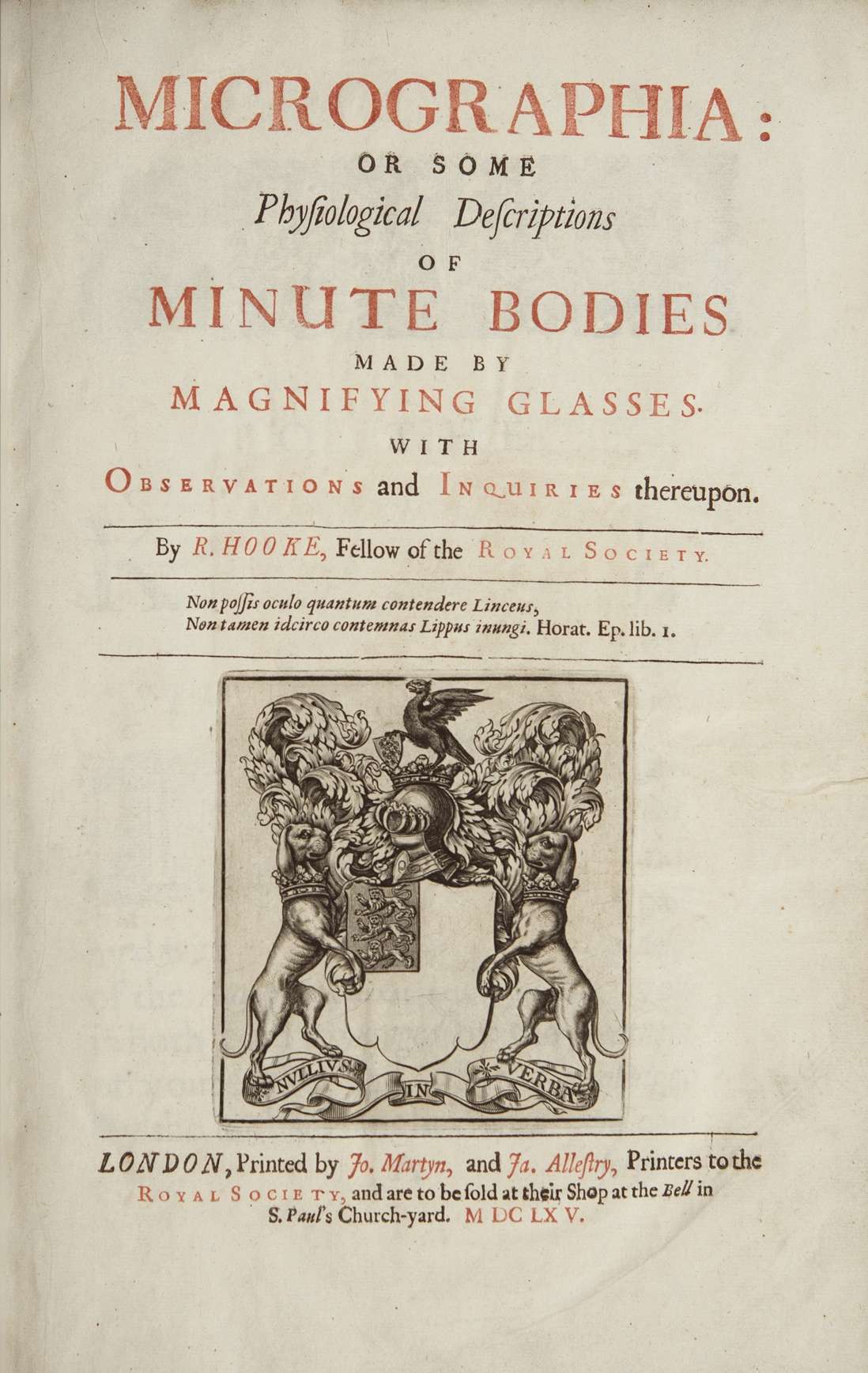
Micrographia
Robert Hooke · 1665
Hooke's 1665 illustrated book on microscopy, where he coined the term 'cell' and showed the hidden world revealed by the microscope.
Hooke wrote and illustrated this book himself, making it a direct record of his experimental and artistic skill.
Free Humy account · No credit card · 53,307 sources to read
About this source
What it is
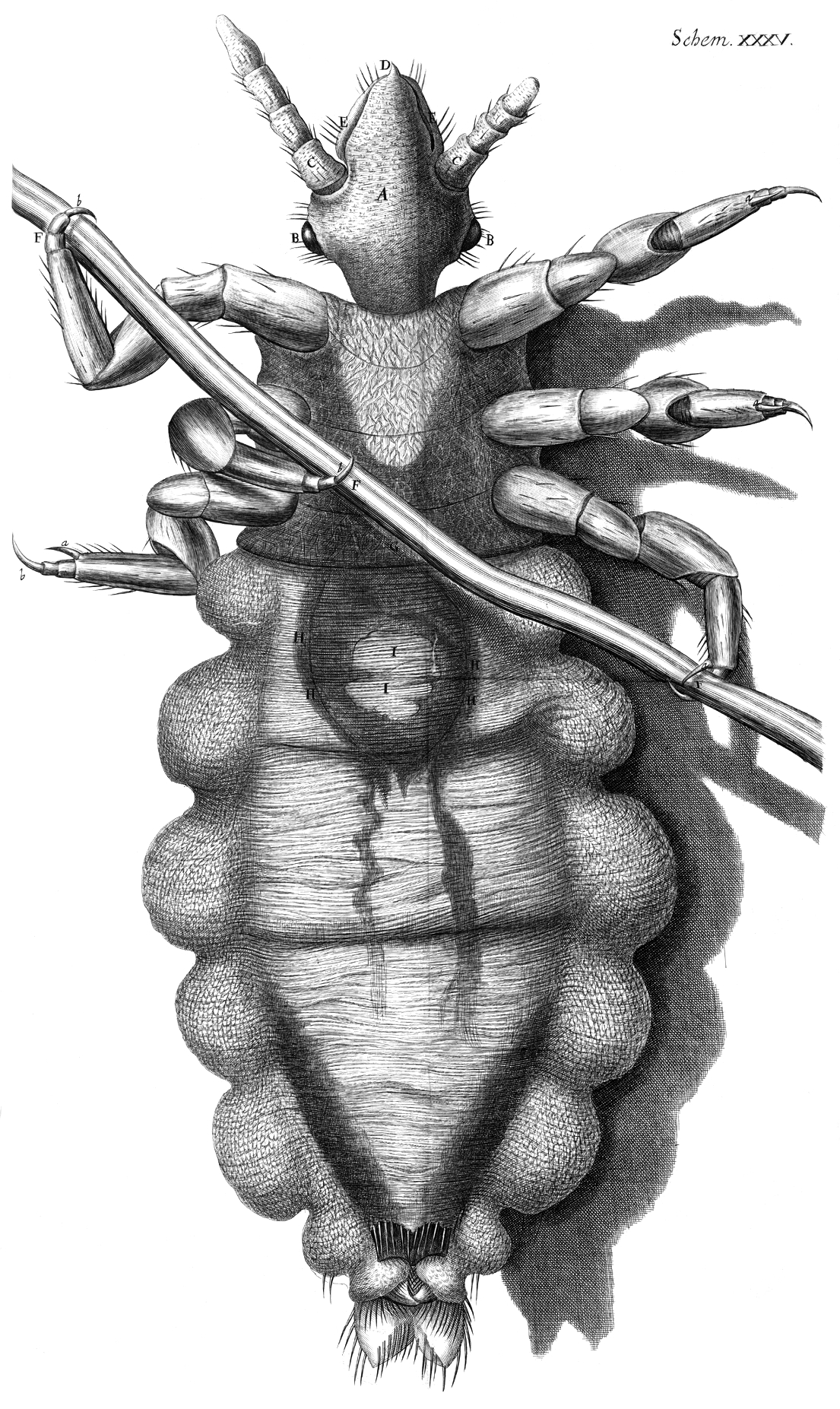
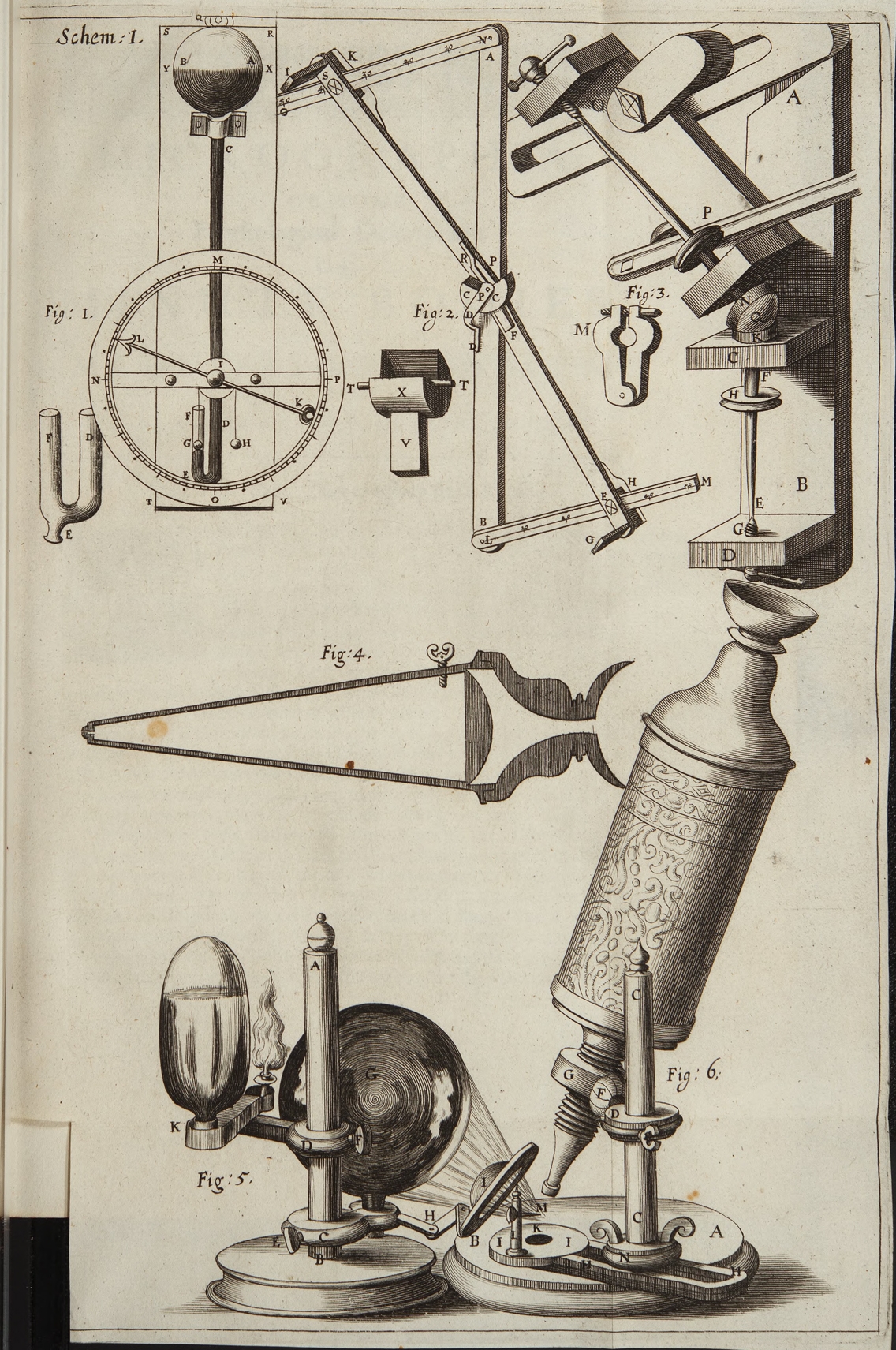
Micrographia is a book written by Robert Hooke and published in 1665. It was the first major book put out by the Royal Society and contains Hooke's observations made through magnifying lenses, illustrated with large engraved plates, some folding out far bigger than the book itself.
Why it matters
Micrographia introduced the public to a miniature world nobody had properly seen before. In it, Hooke coined the word cell after looking at slices of cork. The book made Hooke famous as an observer and draughtsman, helped establish the Royal Society's scientific reputation, and became a surprise bestseller admired by readers such as diarist Samuel Pepys.
Look closer
- Why might detailed, large illustrations have mattered so much before photography existed?
- What does Hooke's choice to compare man-made objects (like a needle point) with natural ones tell us about his thinking?
- Who would have been able to afford or read a book like this in 1665?
This book is part of the curated material that grounds the AI version of Robert Hooke on Humy.ai — when students ask about related events, the AI can quote it and cite it.
More Robert Hooke sources
Browse all 93 →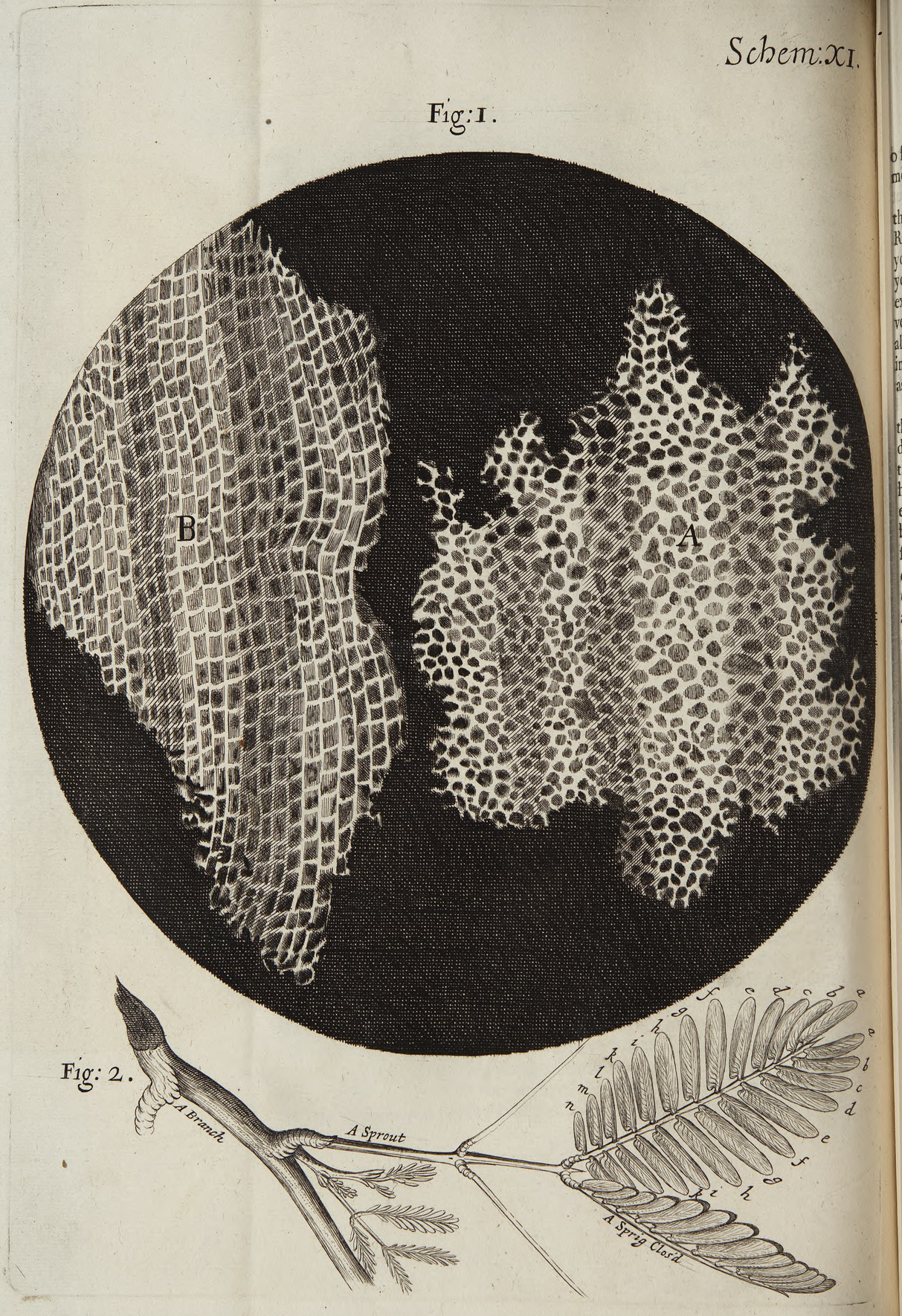 Painting
Primary source
Of the Schematisme or Texture of Cork, and of the Cells and Pores of some other such frothy Bodies
Robert Hooke · 1665
 Painting
Primary source
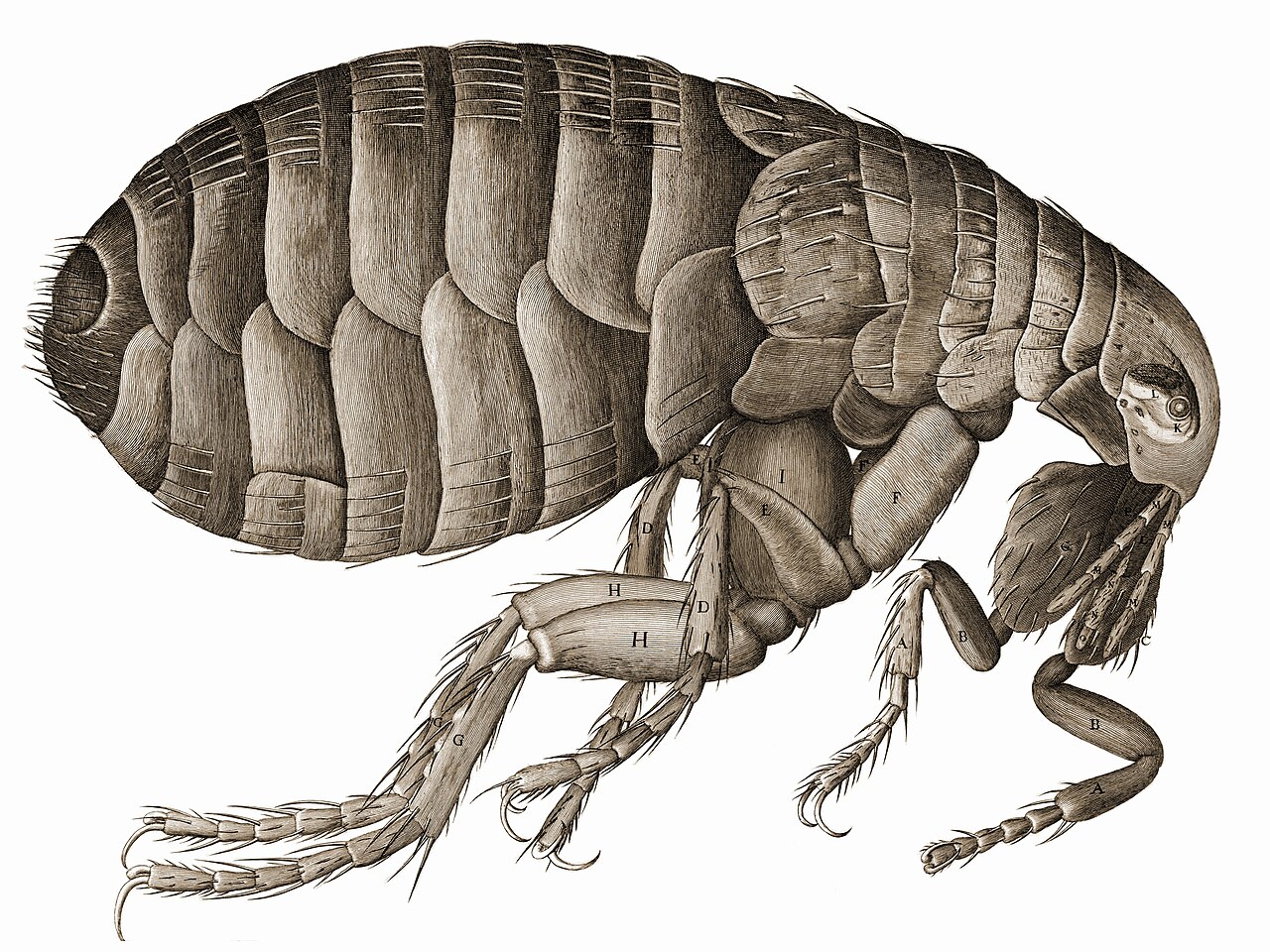
Of a Flea
Robert Hooke · 1665
 Artifact
Primary source
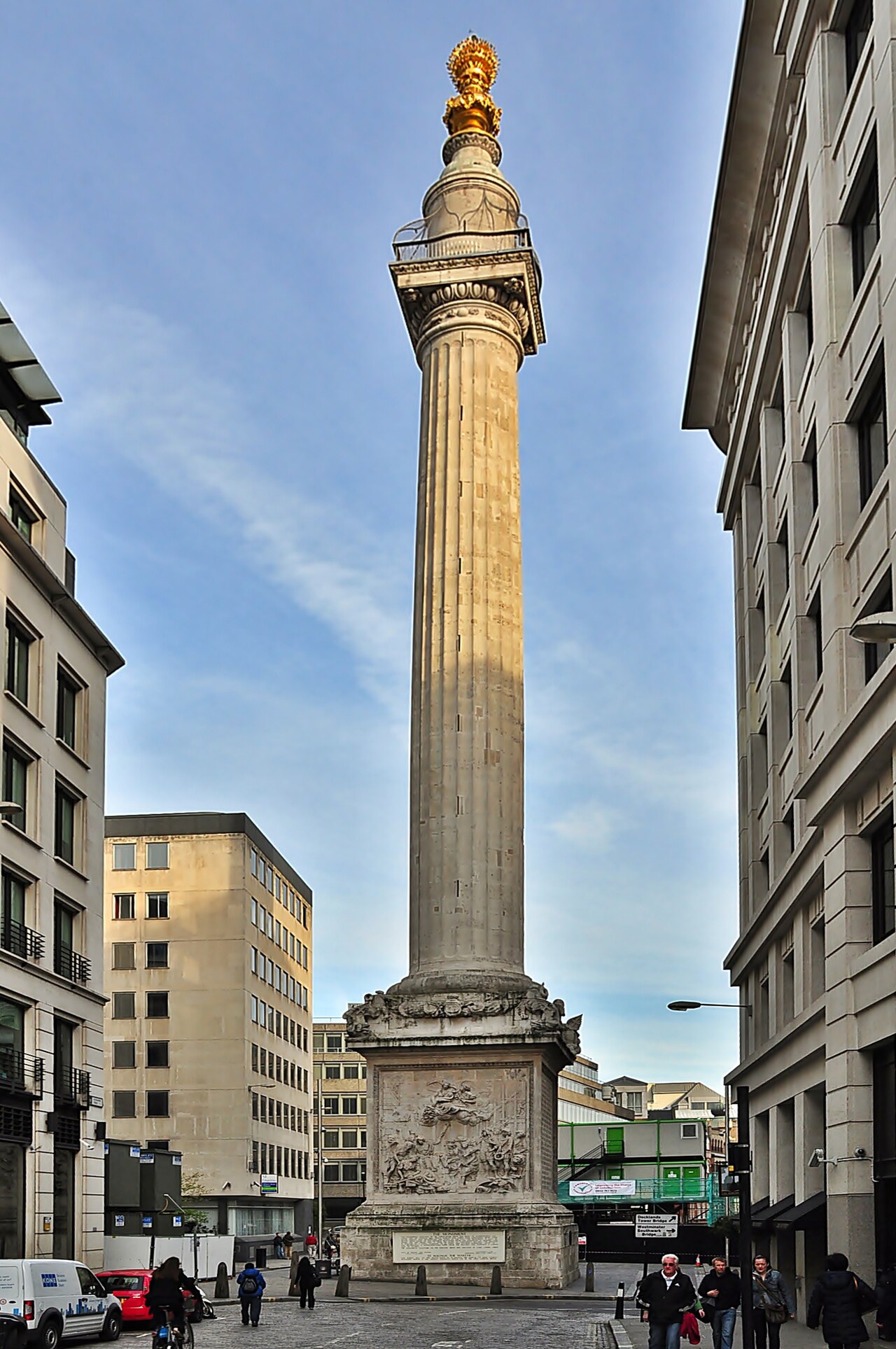
Monument to the Great Fire of London
Caius Gabriel Cibber · 1671-1677
 Document
Primary source
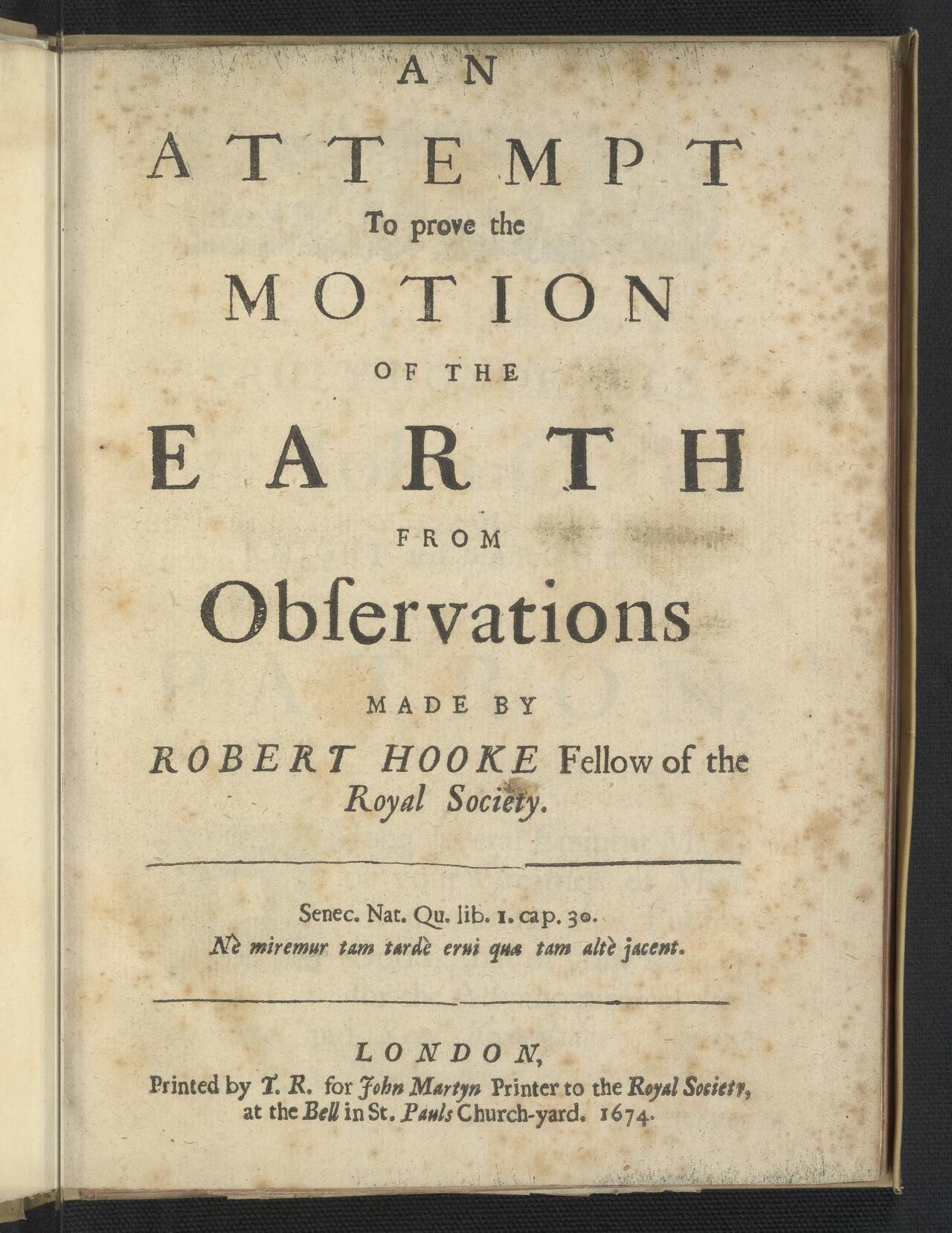
An Attempt to Prove the Motion of the Earth from Observations
Robert Hooke · 1674
Free account
Browse every Robert Hooke source
Sign up free →
Ready when you are
Start chatting with Robert Hooke now.
20 messages free · No credit card · Available in 50+ languages.