


Primary sourcePainting1665
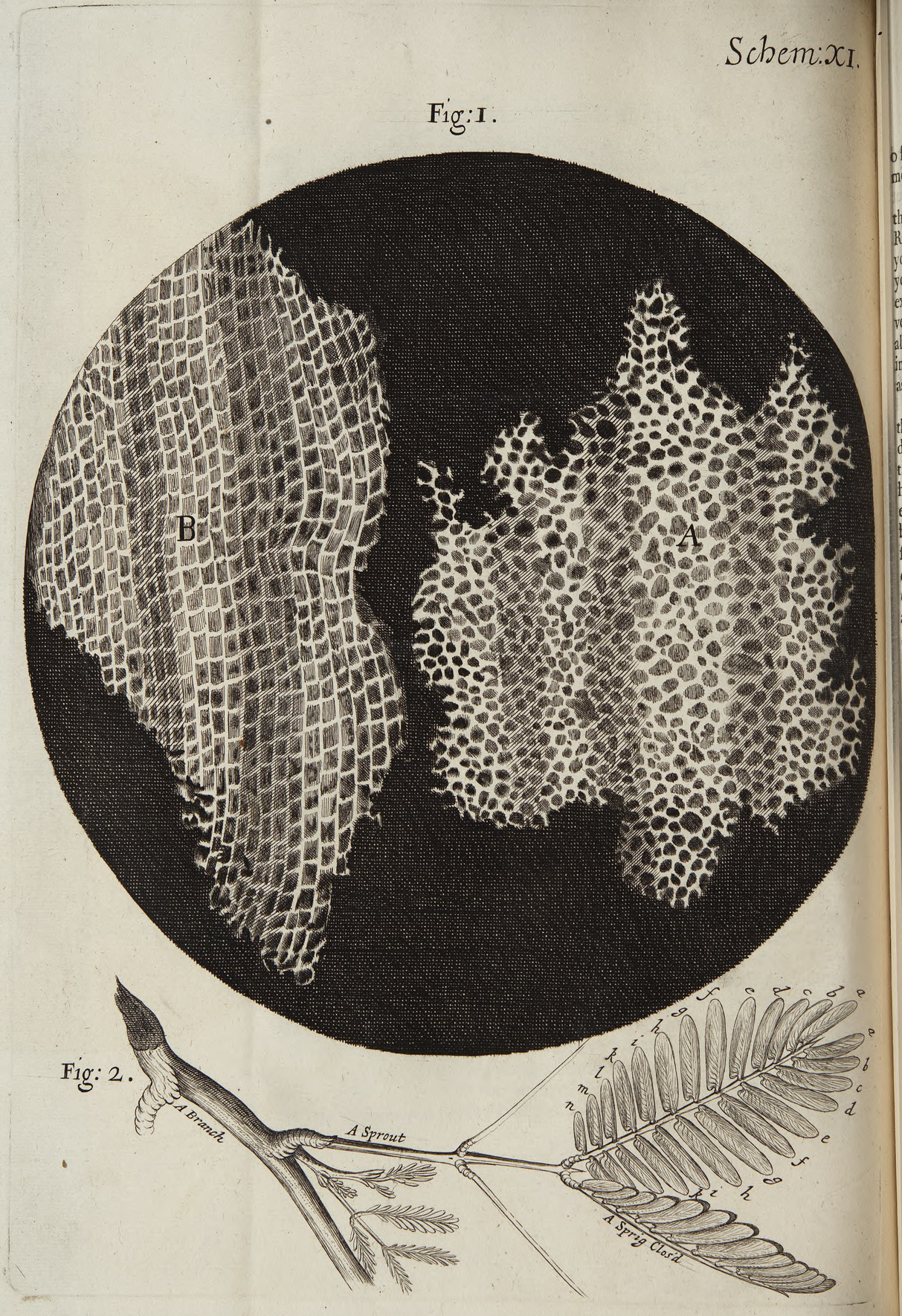
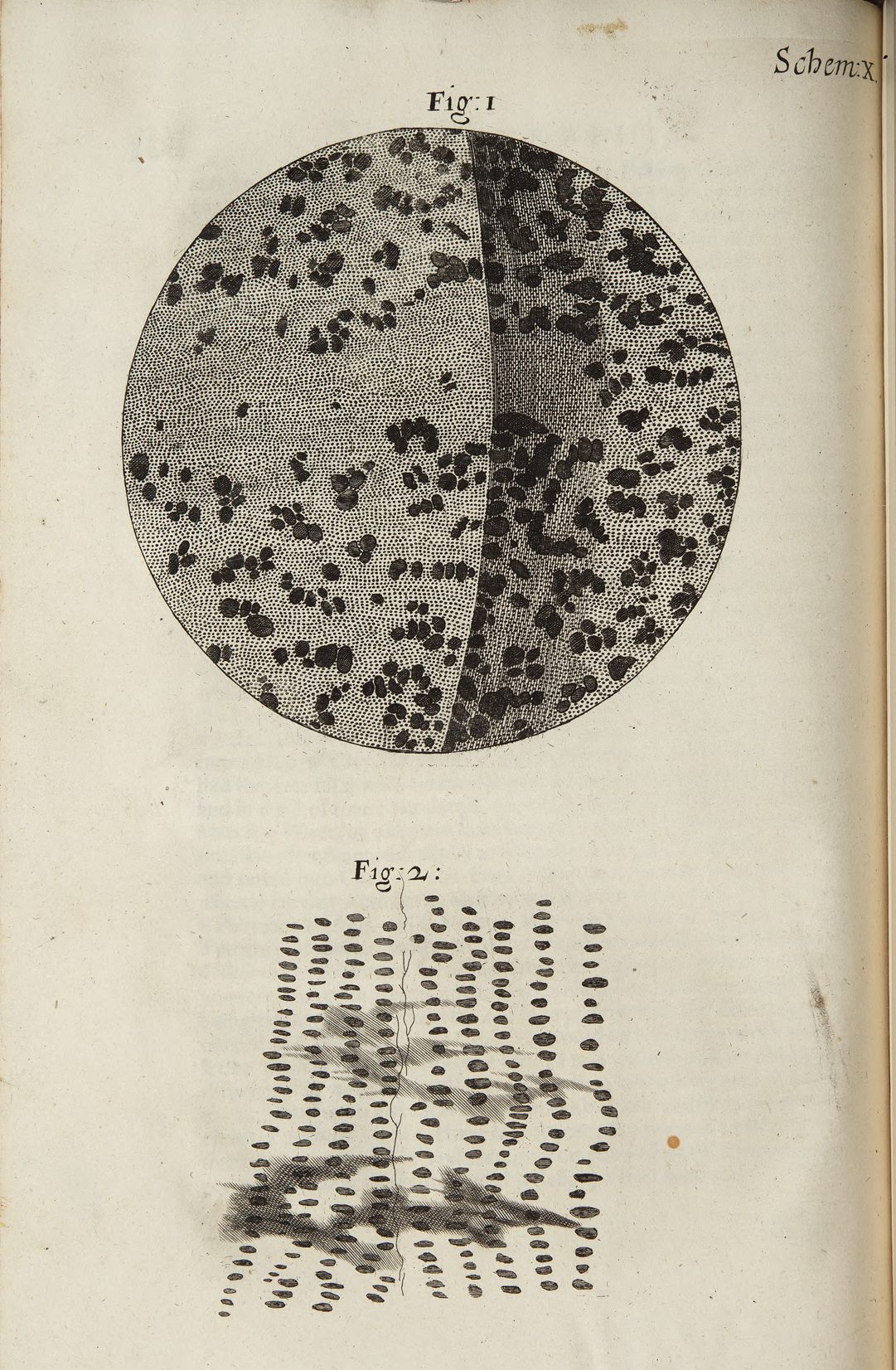
Of the Schematisme or Texture of Cork, and of the Cells and Pores of some other such frothy Bodies
Robert Hooke · 1665
Hooke's engraved plate of cork under the microscope, where he first described and named biological 'cells'.
This is Hooke's own engraving and the source of his coining of the term 'cell', central to his scientific legacy.
About this source
What it is
This engraved plate comes from Robert Hooke's 1665 book Micrographia. It shows microscope views of thin cork slices, alongside a drawing of a plant branch, and is held today by the National Library of Wales.
Why it matters
This image is often used as the starting point for teaching the history of cell theory, because it shows the moment Hooke named the tiny box-like structures he saw in cork "cells", comparing them to the small rooms of a monastery. It shows how careful drawing and observation through a new instrument could change scientific language itself.
Look closer
- What does the round shape of the images tell you about how Hooke was looking at his specimens?
- Why do you think Hooke used a word like "cell", borrowed from everyday life, for something seen under a microscope?
- What can't this image tell you about how living cells actually work?
This painting is part of the curated material that grounds the AI version of Robert Hooke on Humy.ai — when students ask about related events, the AI can quote it and cite it.
More Robert Hooke sources
Browse all 86 →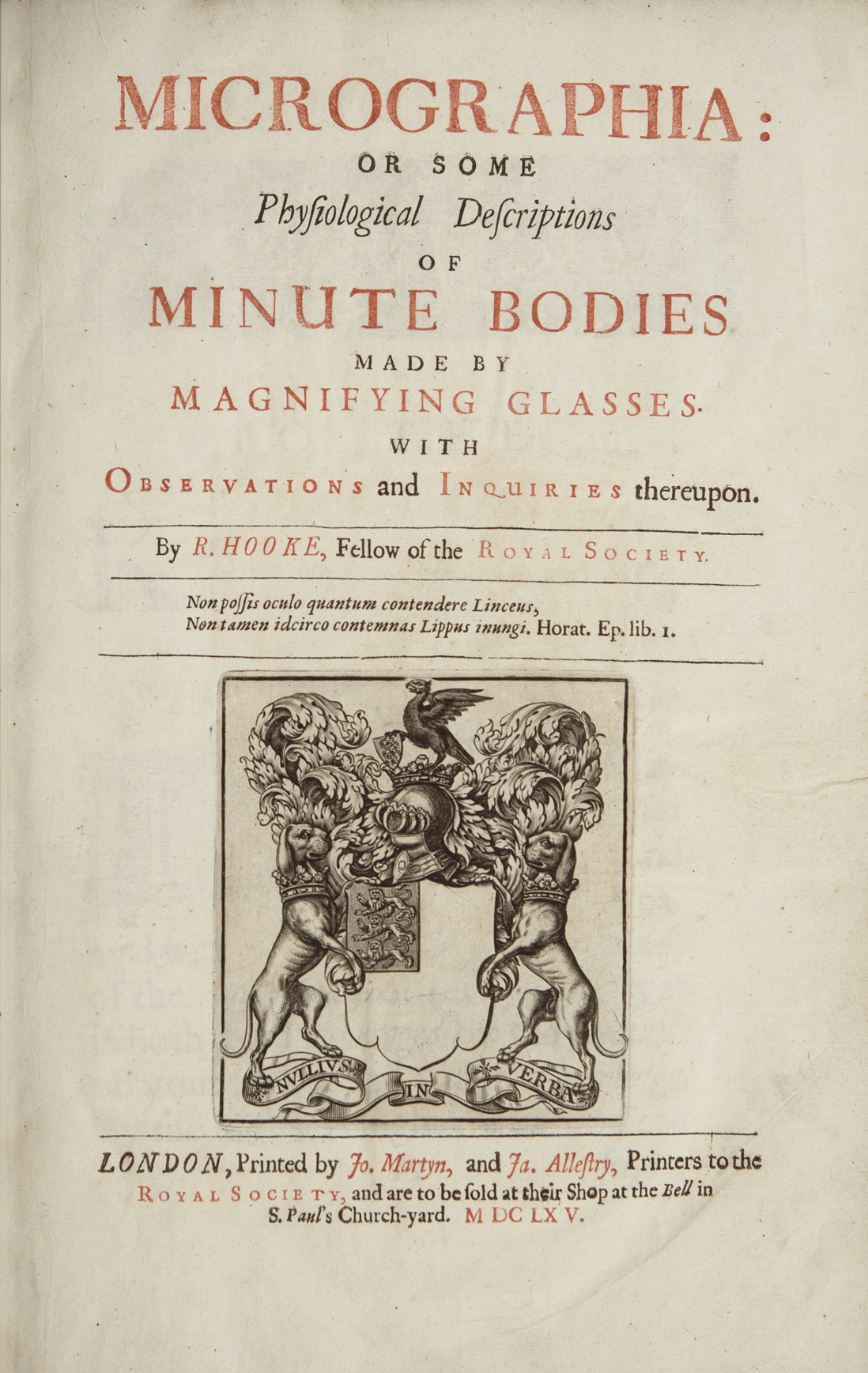 Book
Primary source
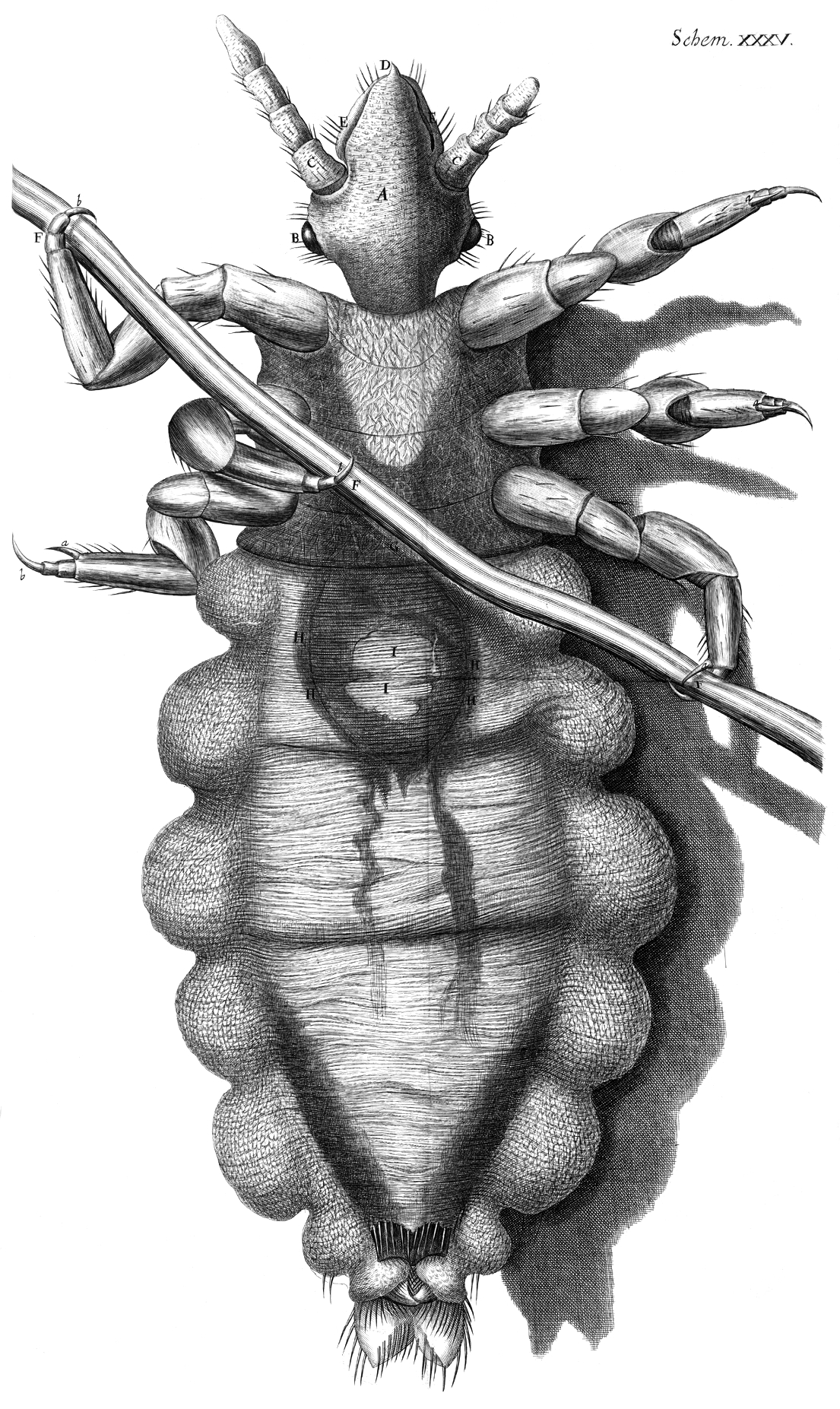
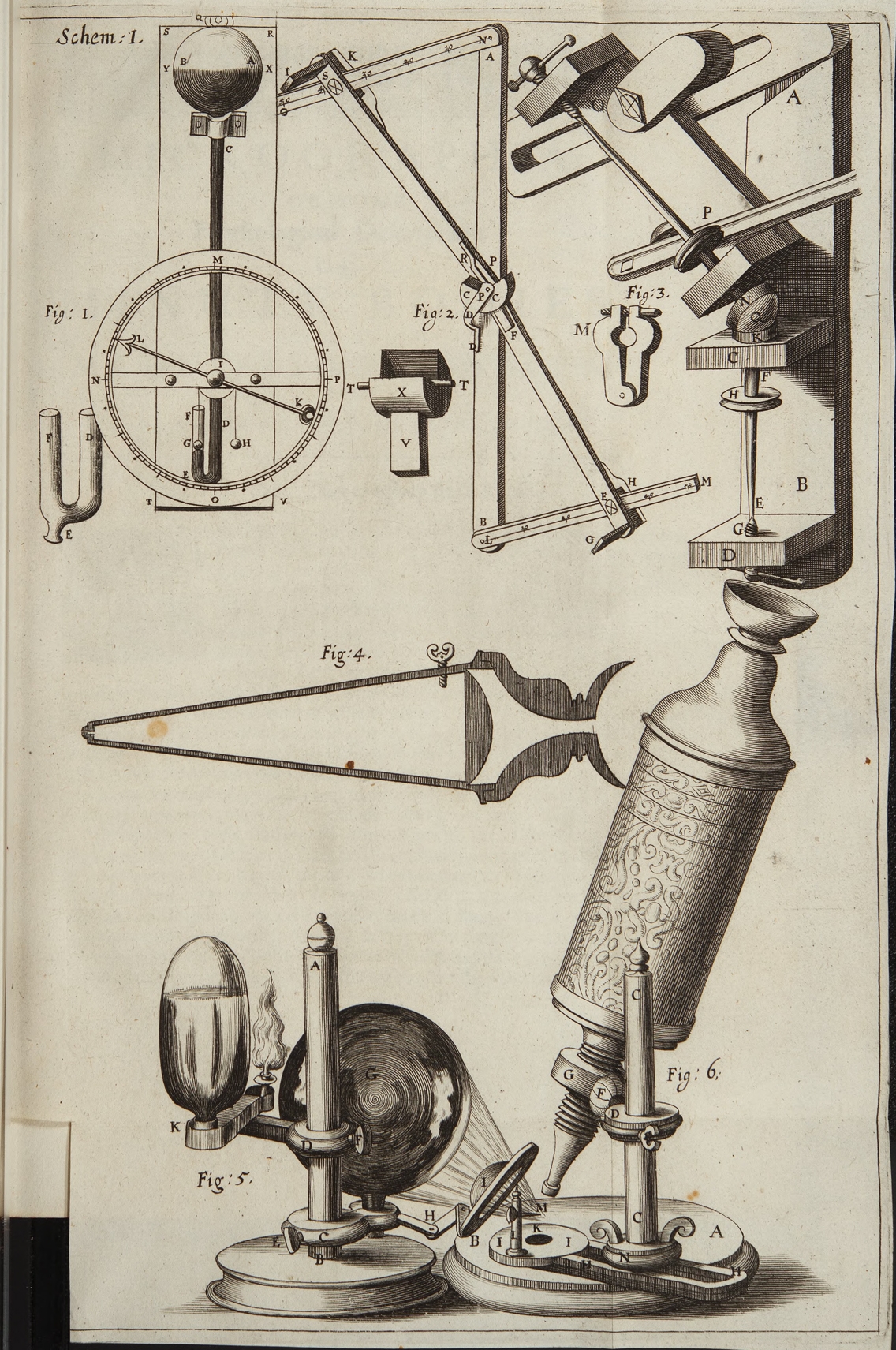
Micrographia
Robert Hooke · 1665
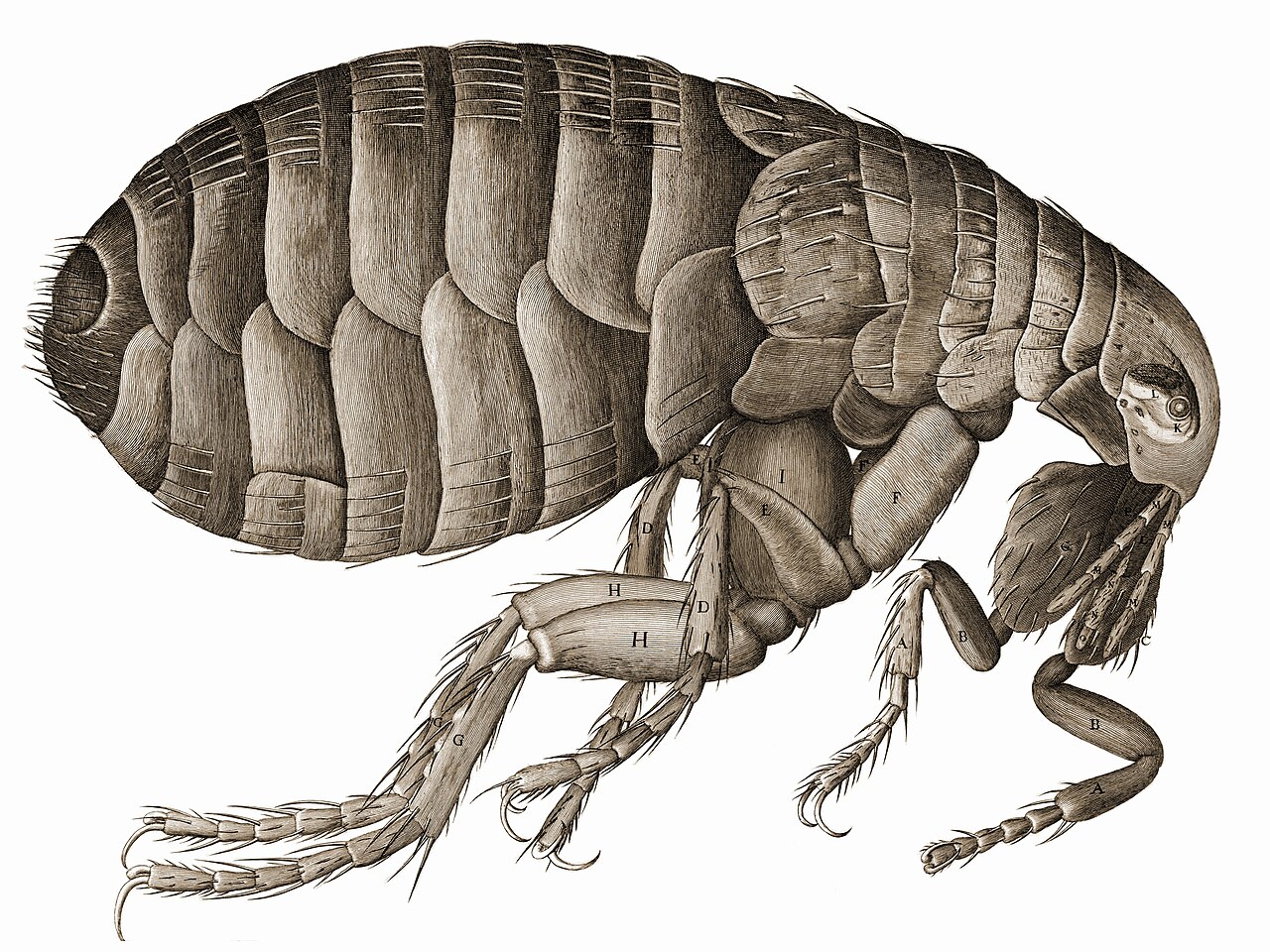 Painting
Primary source
Of a Flea
Robert Hooke · 1665
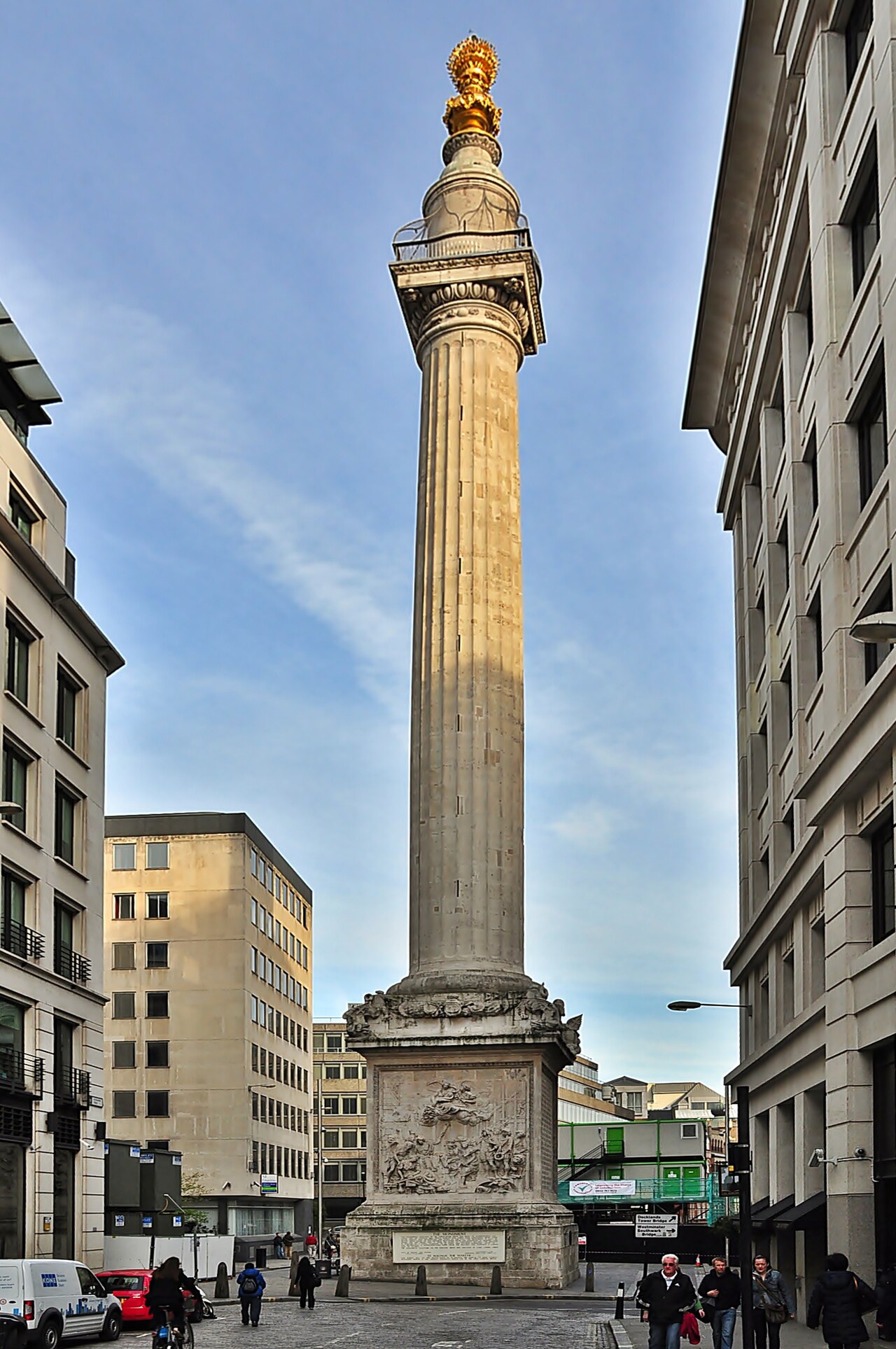 Artifact
Primary source
Monument to the Great Fire of London
Caius Gabriel Cibber · 1671-1677
 Document
Primary source
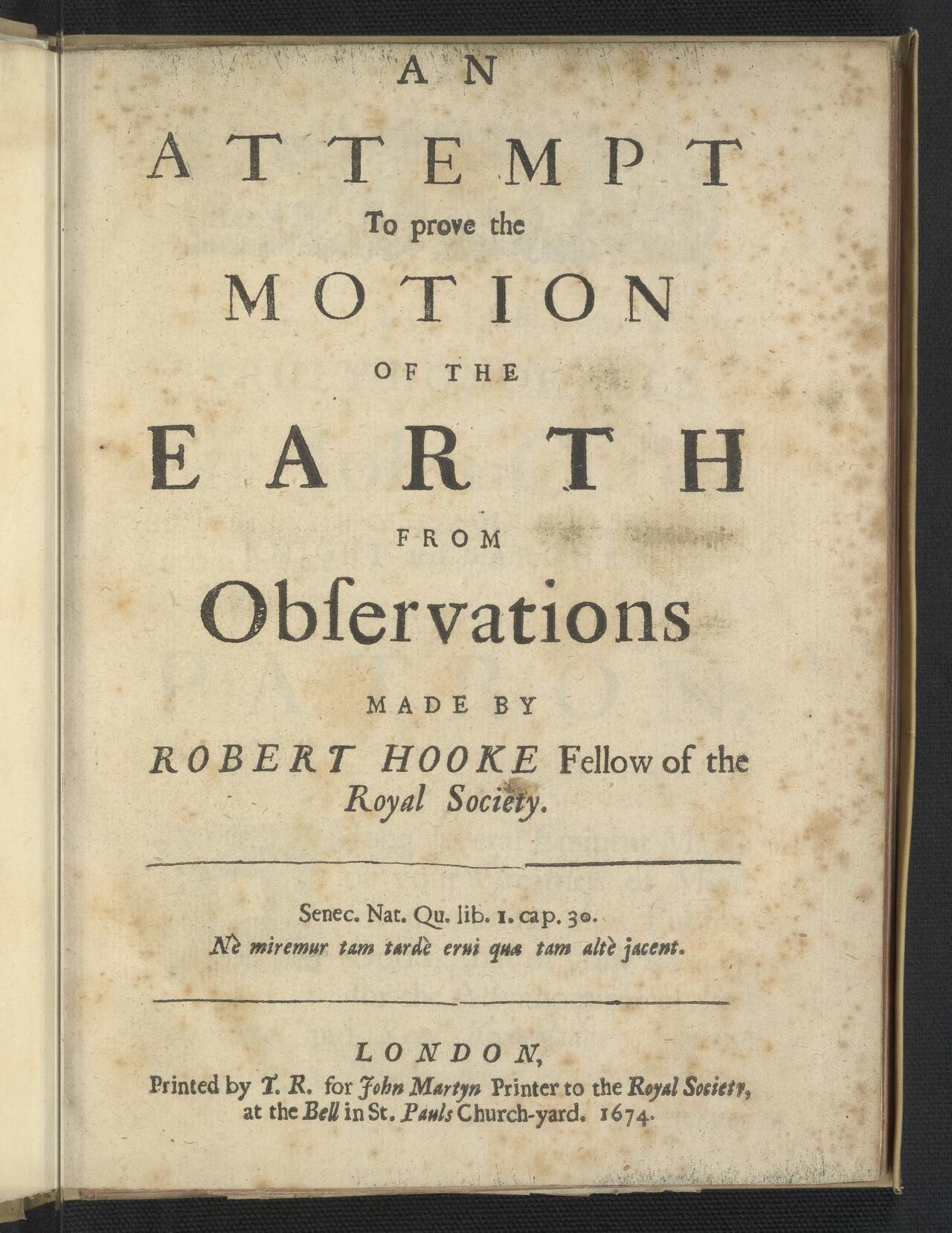
An Attempt to Prove the Motion of the Earth from Observations
Robert Hooke · 1674
Free account
Read every Robert Hooke source
Sign up free →
Ready when you are
Start chatting with Robert Hooke now.
20 messages free · No credit card · Available in 50+ languages.