


Primary sourcePhotograph
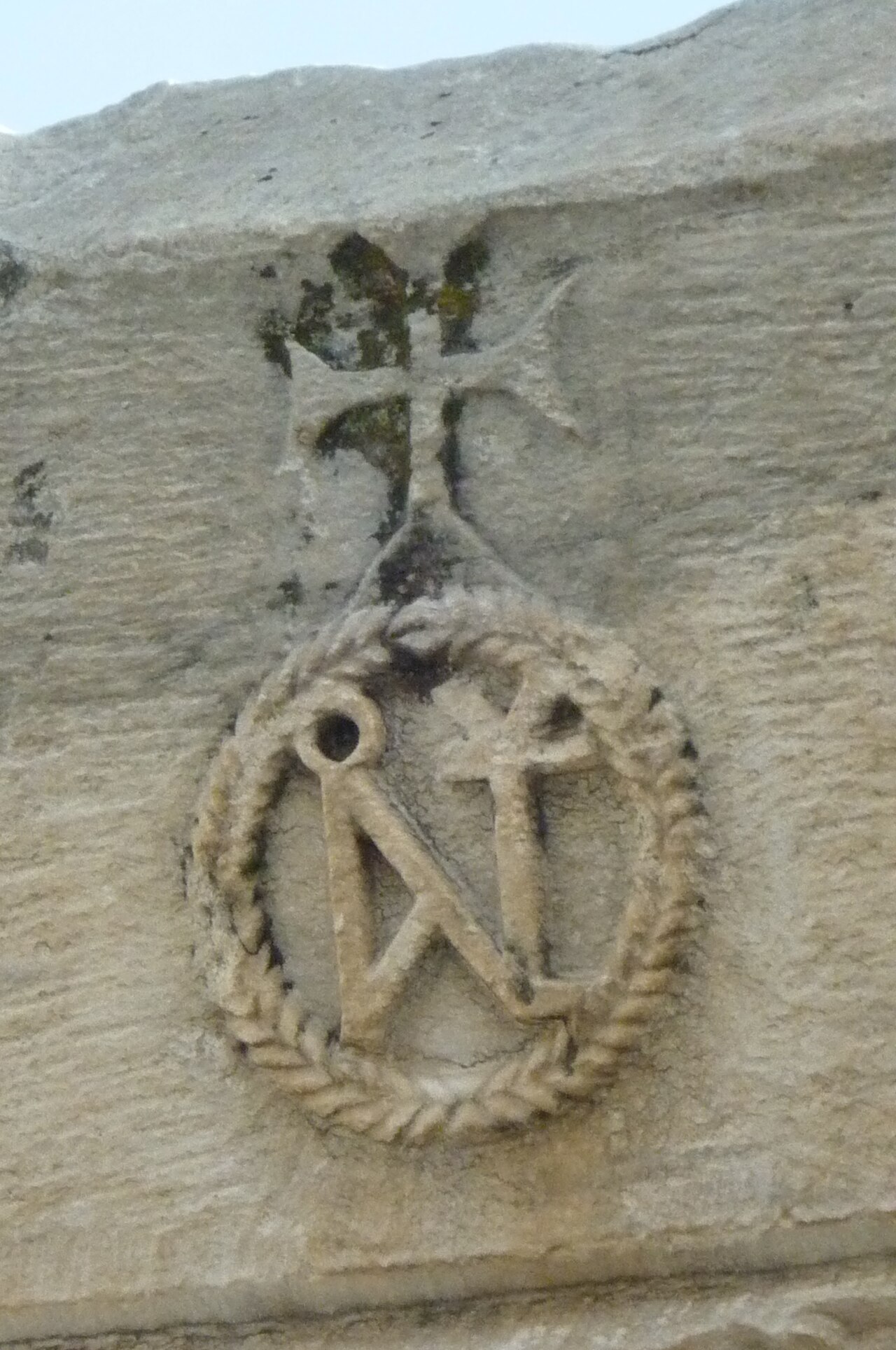
Monogram of Justinian
Drahnier
A carved monogram of Emperor Justinian on a column capital from the Basilica of St. John at Ephesus, a mark of his building patronage.
This carved monogram on a church capital at Ephesus is a direct physical mark of Justinian's patronage.
About this source
What it is
This photograph shows a carved monogram of Emperor Justinian I, set within a wreath, on a capital from the Basilica of St. John at Ephesus, one of the churches he had built.
Why it matters
Monograms like this were a common way for Byzantine emperors to mark their buildings as their own, combining letters of their name into a single symbol. Finding Justinian's monogram carved into the stonework is direct physical evidence of his patronage of this church.
Look closer
- Why might an emperor want his name carved into the stone of a building rather than simply written?
- What does this small detail tell us that a written record might not?
- How many other buildings might carry a mark like this?
This photograph is part of the curated material that grounds the AI version of Justinian I on Humy.ai — when students ask about related events, the AI can quote it and cite it.
More Justinian I sources
Meet the AI Justinian I →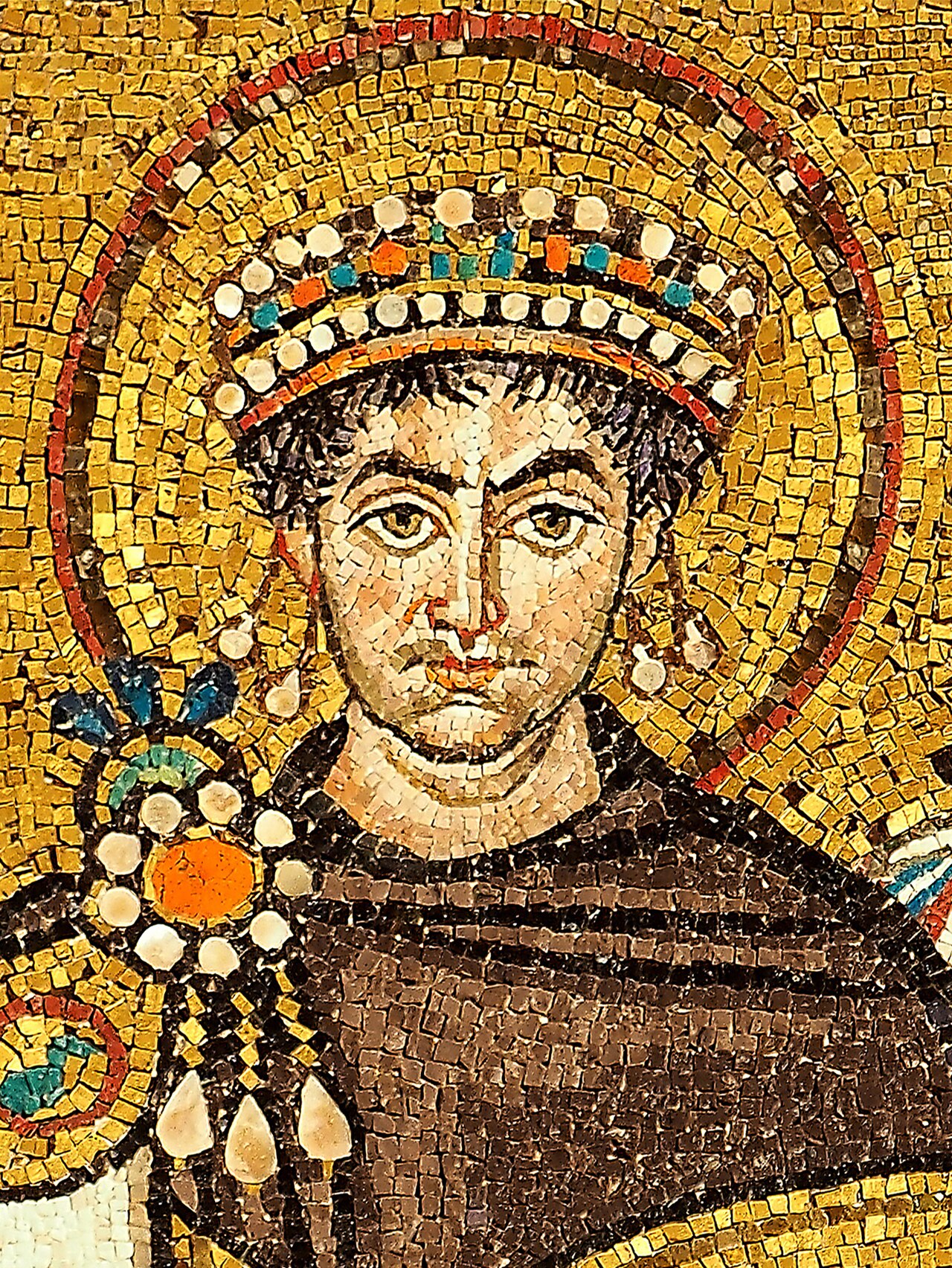 Artifact
Primary source
Portrait of Justinian I, San Vitale Mosaic
Byzantine mosaicists · c. 547
 Painting
Secondary source
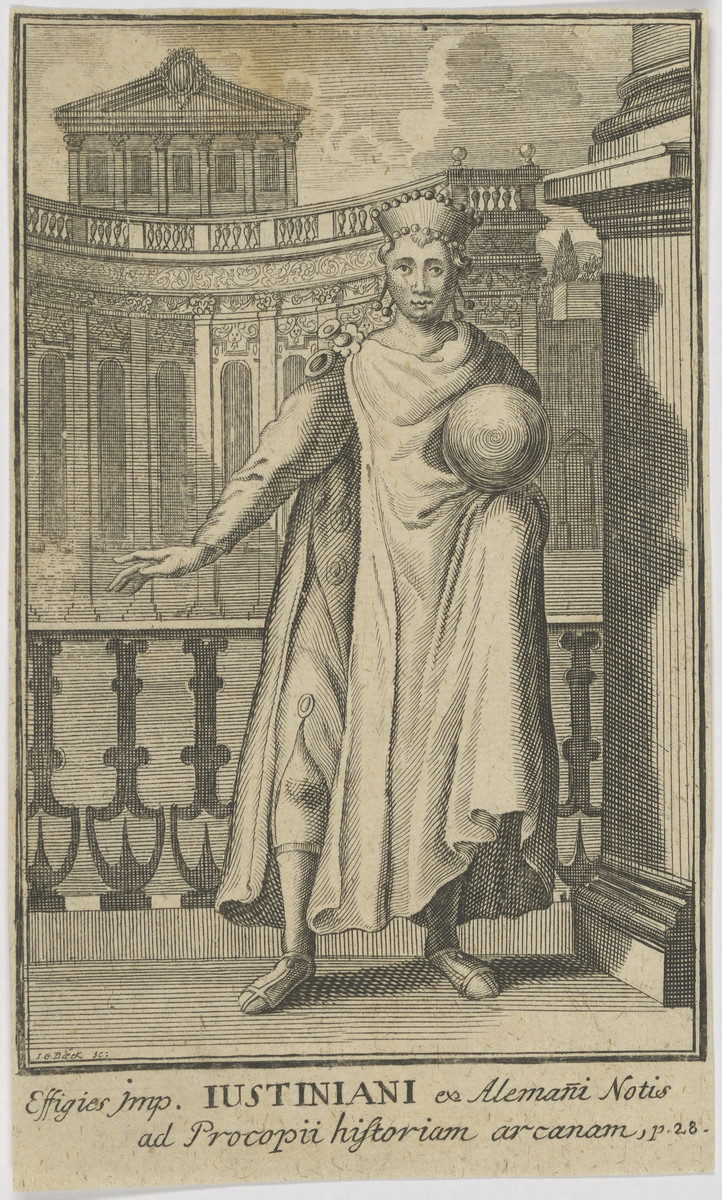
Portrait of Emperor Justinian
Johann Friedrich Böck
 Document
Primary source
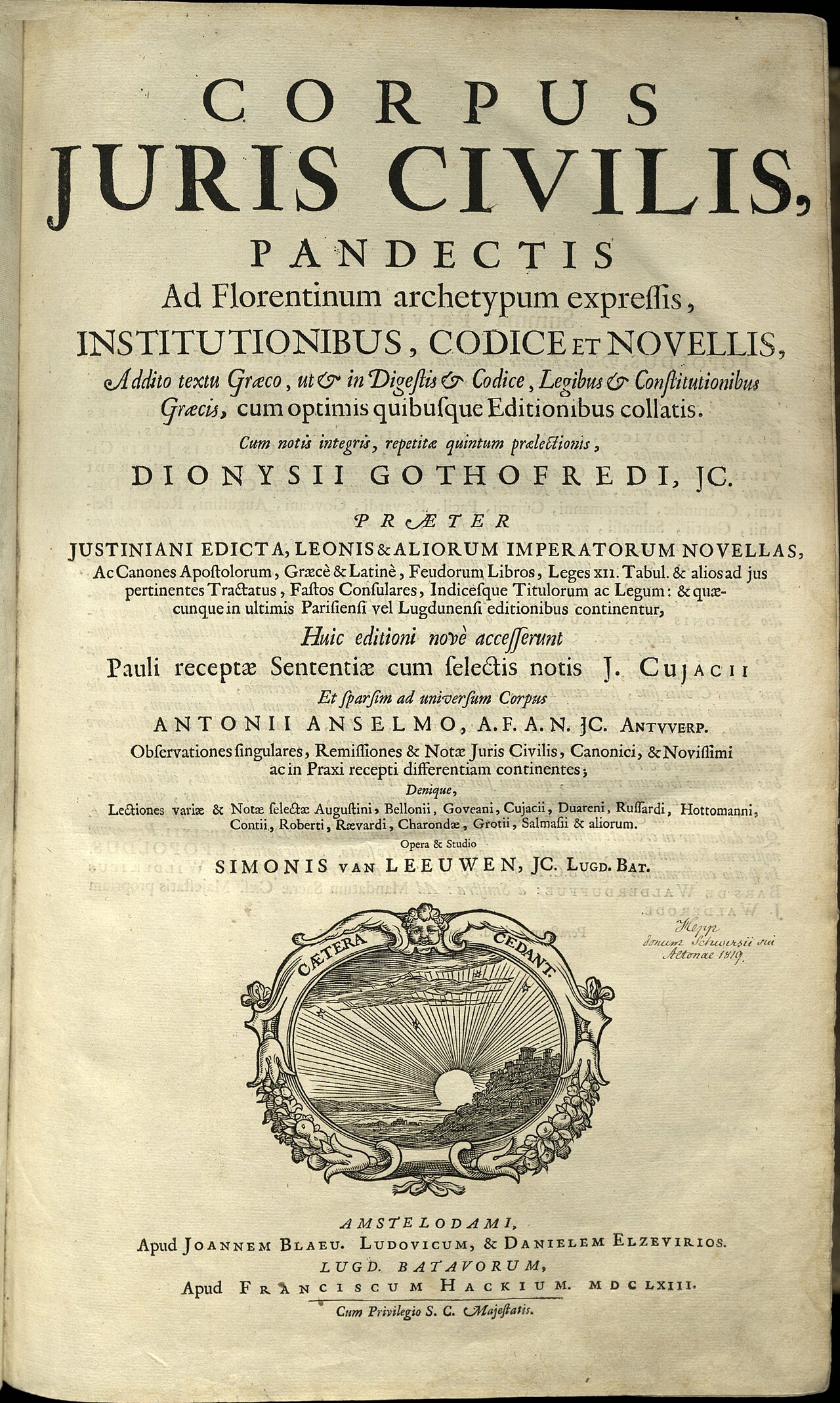
Corpus Juris Civilis
Tribonian · 528-534
 Artifact
Primary source
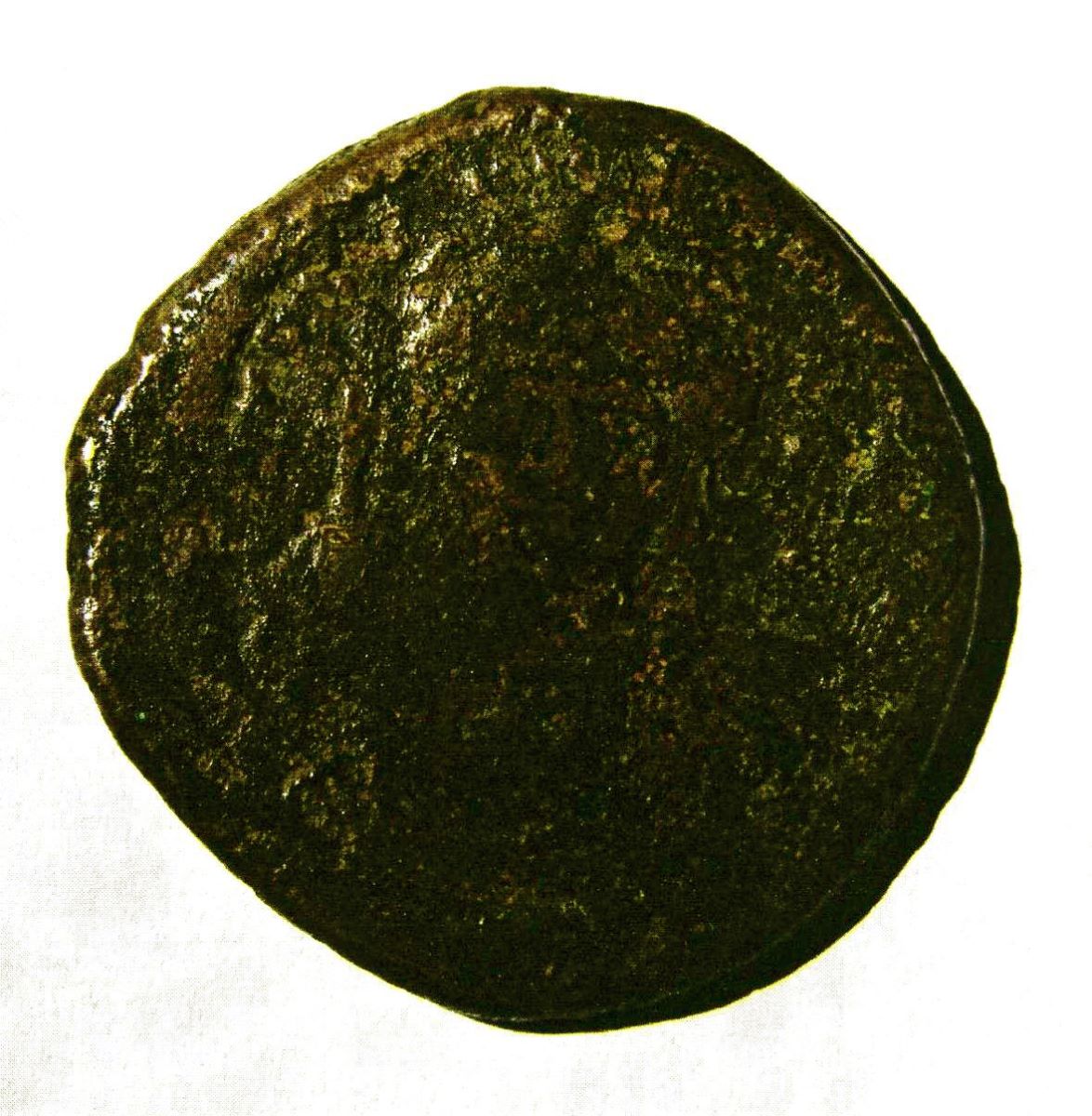
Bronze Follis of Justinian I with Globus Cruciger
 Artifact
Secondary source
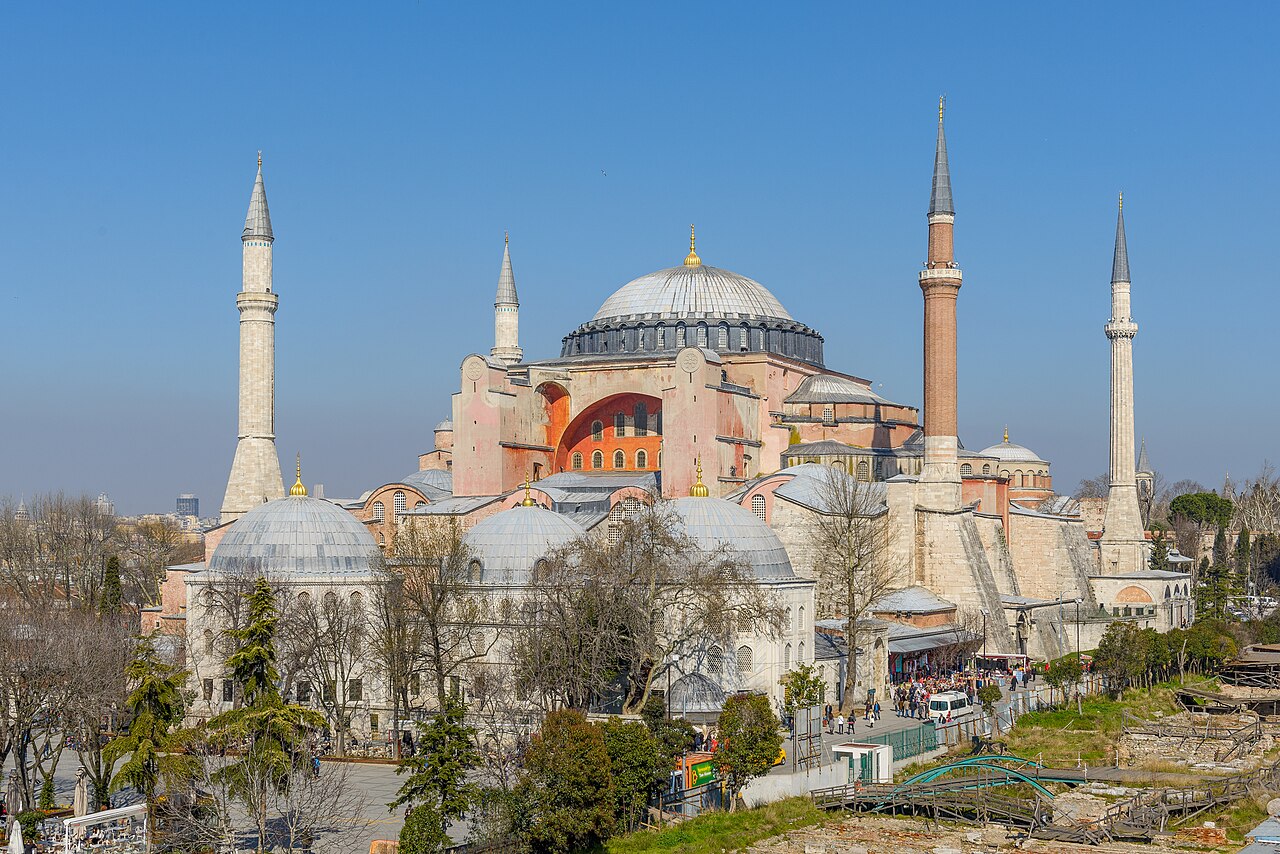
Hagia Sophia
Isidore of Miletus and Anthemius of Tralles · 532-537 CE
Ready when you are
Start chatting with Justinian I now.
20 messages free · No credit card · Available in 50+ languages.