


Primary sourceDocument2 July 1862
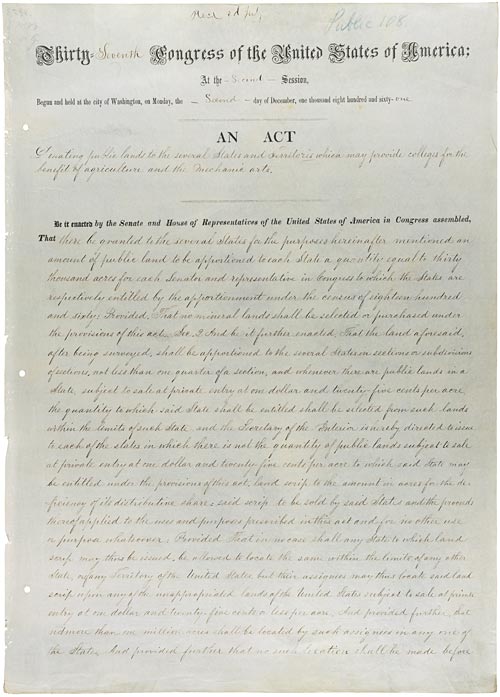
Morrill Act
2 July 1862
The 1862 law establishing land-grant colleges, enacted after Buchanan had vetoed an earlier version of the bill in 1859.
This law directly targeted the plural marriage practice that Young publicly led and defended as LDS Church president.
About this source
What it is
This is the enrolled copy of the Morrill Act, passed on 2 July 1862 and held by the U.S. National Archives. Sponsored by Senator Justin Morrill, it allowed states to fund public colleges through federal land grants focused on agriculture and mechanic arts.
Why it matters
The act expanded access to higher education for farmers and working people, though much of the land granted had been taken from Native American tribes. It connects to Buchanan because he had vetoed an earlier version of the land-grant college bill in 1859; its passage under a different administration in 1862 highlights a contrast in policy.
Look closer
- Why might a law meant to expand education also have serious costs for other groups, such as Native American tribes?
- What does Buchanan's earlier veto suggest about his views on federal land policy?
- Why was this act passed successfully in 1862 when an earlier version had failed?
This document is part of the curated material that grounds the AI version of Brigham Young, James Buchanan and Josiah T. Walls on Humy.ai — when students ask about related events, the AI can quote it and cite it.
More Brigham Young sources
Meet the AI Brigham Young →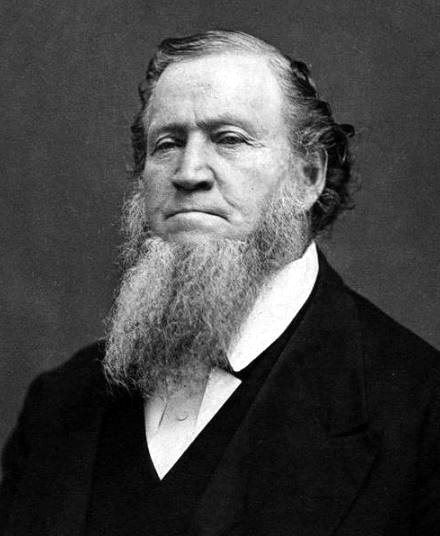 Photograph
Primary source
Portrait of Brigham Young
Charles William Carter
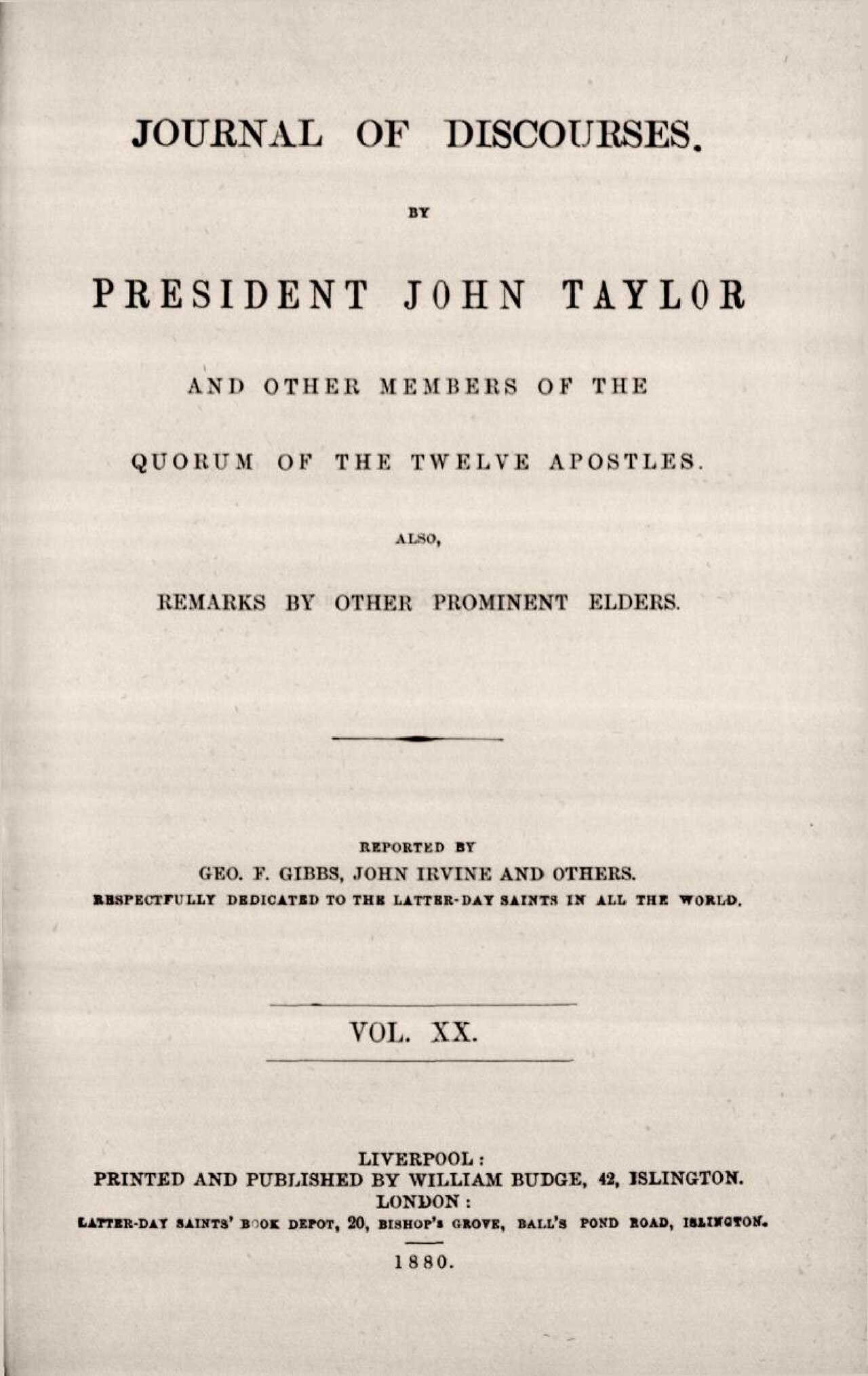 Book
Primary source
Journal of Discourses
Brigham Young and other LDS leaders · 1854-1886
Primary source
The Word and Will of the Lord
Brigham Young · 14 January 1847
Primary source
Speech on Slavery to the Utah Territorial Legislature
Brigham Young · 5 February 1852
Primary source
Treaty of Guadalupe Hidalgo
Nicholas Trist; Mexican commission · 2 February 1848
Ready when you are
Start chatting with Brigham Young now.
20 messages free · No credit card · Available in 50+ languages.