


Primary sourceArtifact1832
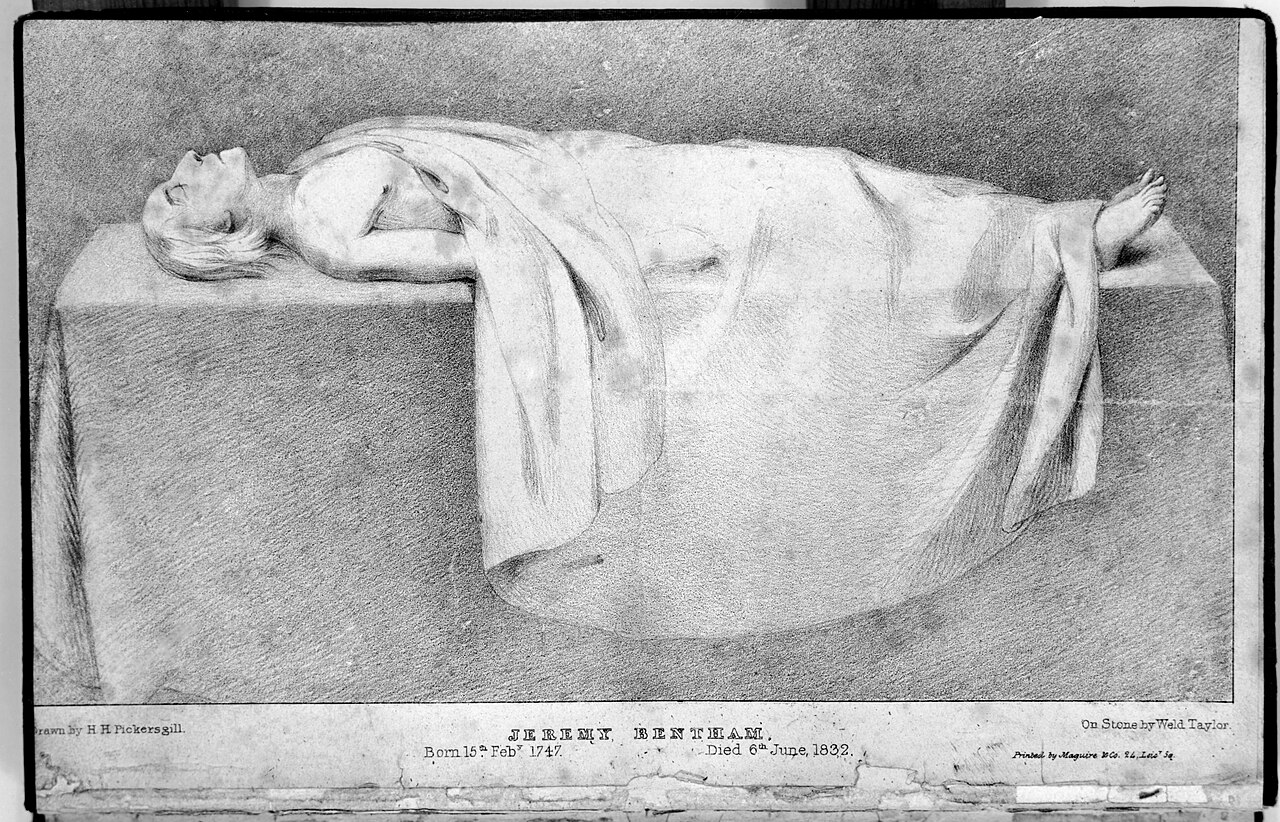
"Mortal Remains" of Jeremy Bentham
Henry Hall Pickersgill · 1832
A lithograph made right after Bentham's death in 1832 shows his body laid out for the public dissection he had requested for the advancement of medical science.
This drawing shows Bentham's body laid out for the public dissection he himself had requested.
About this source
What it is
This lithograph by Henry Hall Pickersgill, put on stone by Weld Taylor, depicts the body of Jeremy Bentham laid out on a slab shortly after his death on 6 June 1832, before the public dissection he had arranged.
Why it matters
Bentham had instructed that his body be used for dissection in the cause of medical science, and later preserved as an "auto-icon". This image records that unusual final act, which was carried out with the involvement of Thomas Southwood Smith. It shows how far Bentham was willing to push his utilitarian principles, applying them even to the treatment of his own corpse.
Look closer
- Why might Bentham have wanted his death to be recorded and shown this way, rather than kept private?
- What does the calm, formal style of the drawing suggest about how his followers viewed this moment?
- What does this image not tell us about the dissection itself or the reactions of those present?
This artifact is part of the curated material that grounds the AI version of Jeremy Bentham on Humy.ai — when students ask about related events, the AI can quote it and cite it.
More Jeremy Bentham sources
Meet the AI Jeremy Bentham →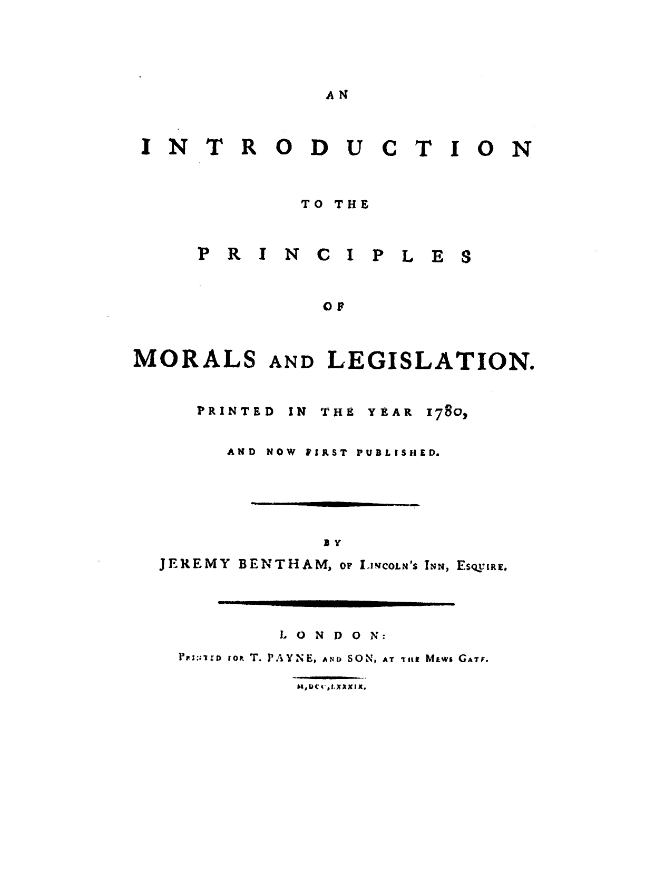 Book
Primary source
An Introduction to the Principles of Morals and Legislation
Jeremy Bentham · 1789 (printed 1780)
 Book
Primary source
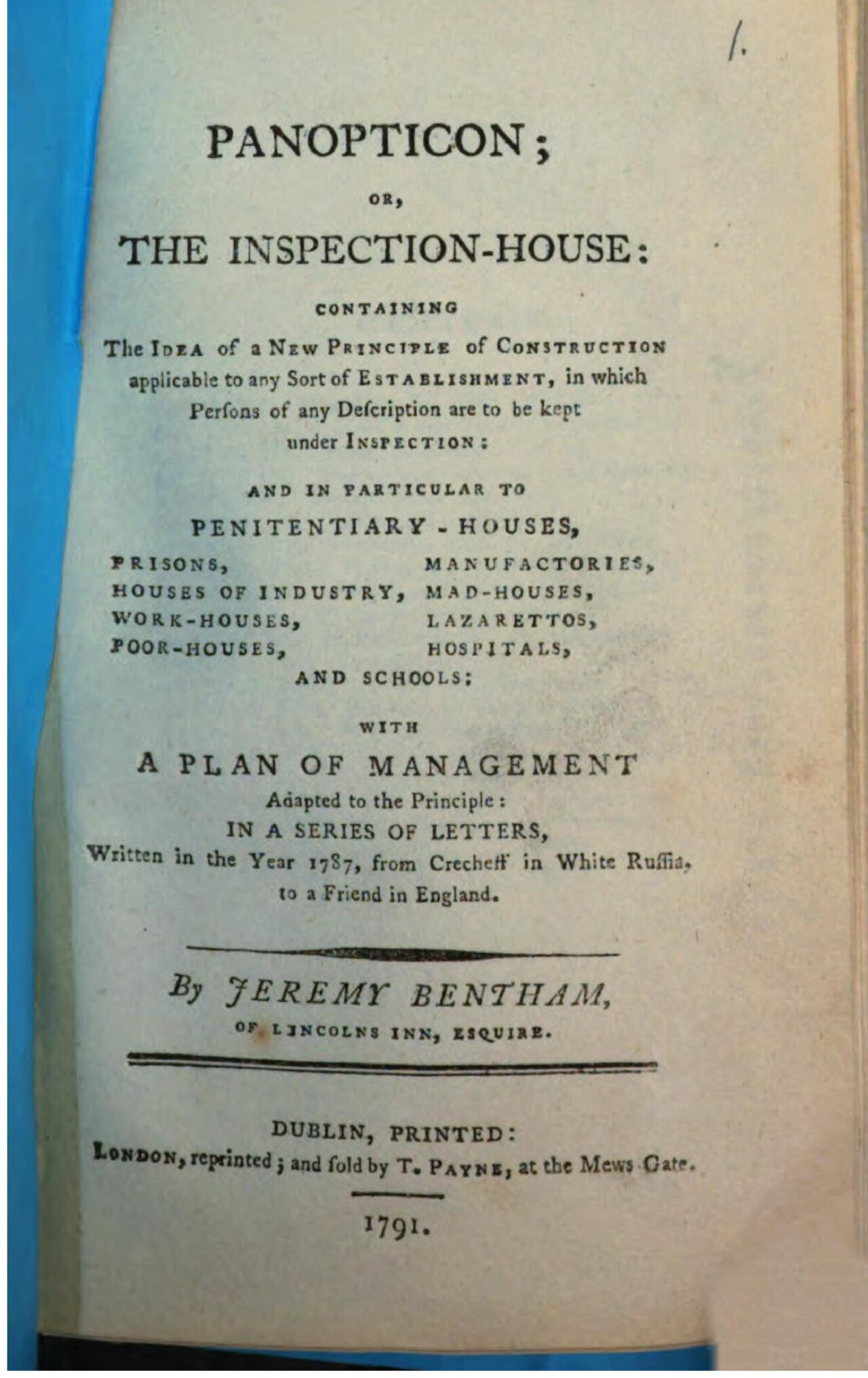
Panopticon; or, The Inspection-House
Jeremy Bentham · 1791 (letters written 1787)
 Artifact
Primary source
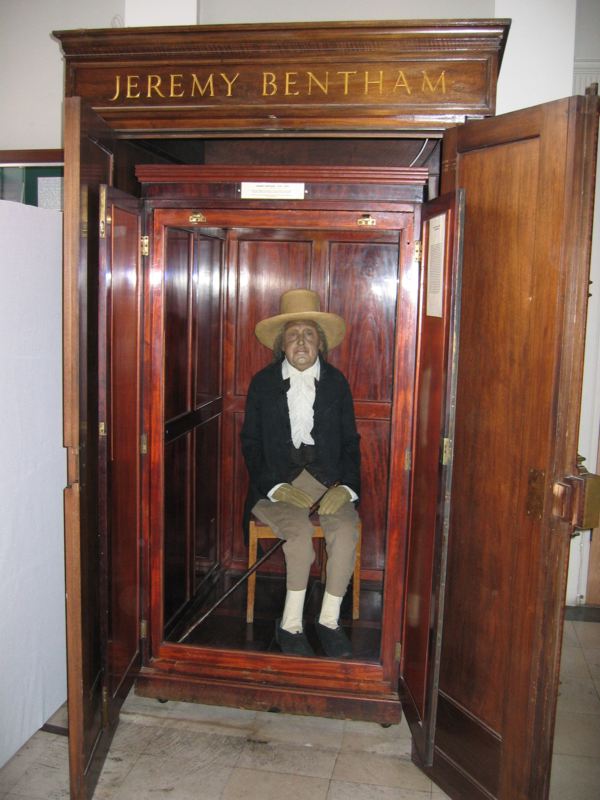
Auto-icon of Jeremy Bentham
Thomas Southwood Smith · 1832
 Book
Primary source
A Fragment on Government
Jeremy Bentham · 1776
 Painting
Primary source
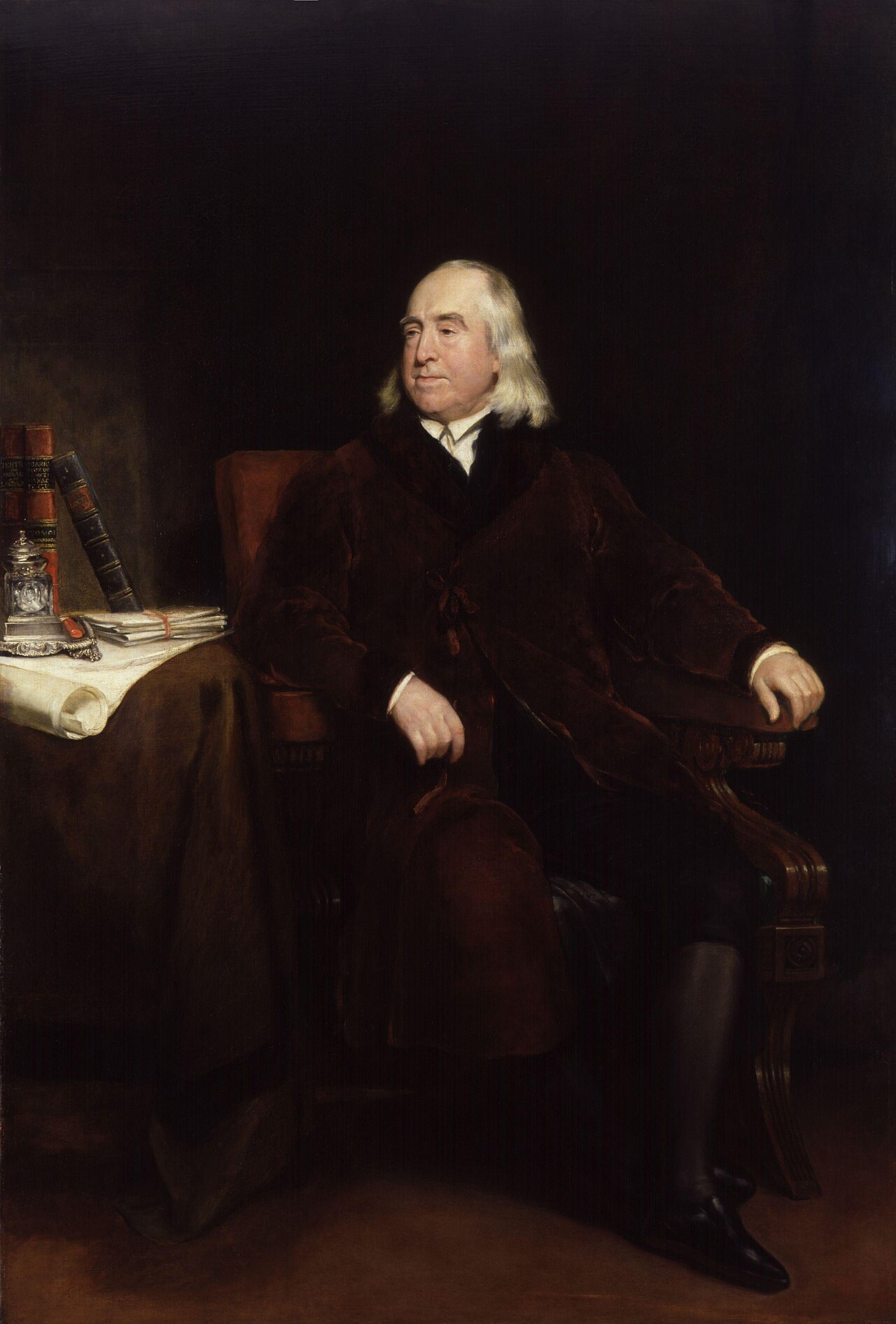
Jeremy Bentham
Henry William Pickersgill · c. 1829
Ready when you are
Start chatting with Jeremy Bentham now.
20 messages free · No credit card · Available in 50+ languages.