


Primary sourceArtifactc. 547
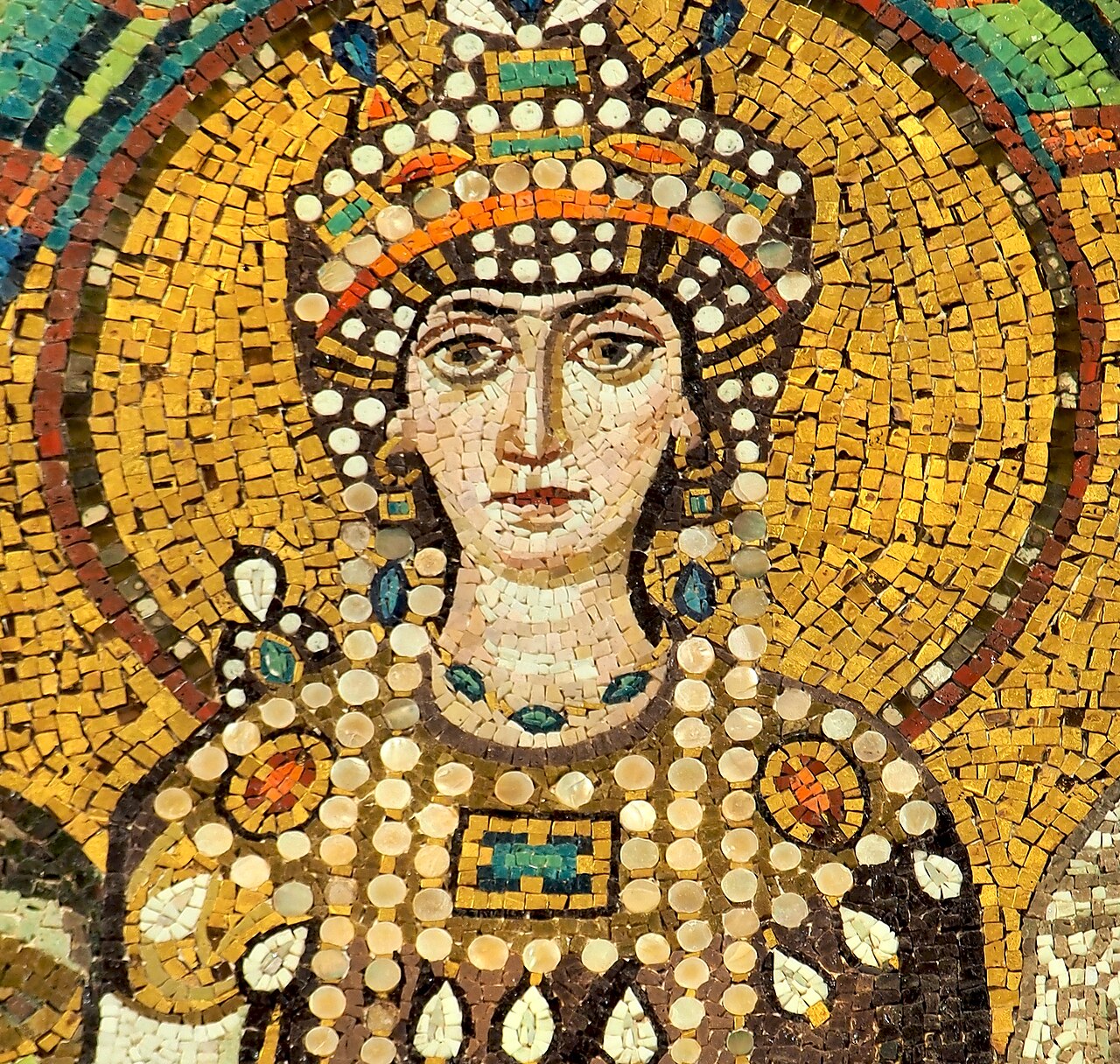
Mosaic of Empress Theodora, San Vitale
Byzantine mosaicists · c. 547
A companion mosaic to Justinian's portrait in San Vitale, showing his wife Empress Theodora holding a chalice as co-ruler.
This companion mosaic to Justinian's own portrait shows his empress Theodora as a co-ruler in imperial imagery.
About this source
What it is
This mosaic panel, completed around 547 in the Basilica of San Vitale in Ravenna, depicts Empress Theodora, wife of Justinian I. It stands opposite the companion panel showing Justinian with his officials and generals.
Why it matters
Theodora's prominent placement, jeweled dress and ceremonial chalice present her as a ruler in her own right, not merely a consort. Seen together with Justinian's mosaic, the pair reveal how the imperial couple wished to be remembered as joint authorities over church and empire.
Look closer
- What details in her clothing and jewelry suggest her rank and wealth?
- Why might Justinian have wanted Theodora shown with equal grandeur to himself?
- What does this pairing suggest about the role of empresses in Byzantine political image-making?
This artifact is part of the curated material that grounds the AI version of Justinian I on Humy.ai — when students ask about related events, the AI can quote it and cite it.
More Justinian I sources
Meet the AI Justinian I →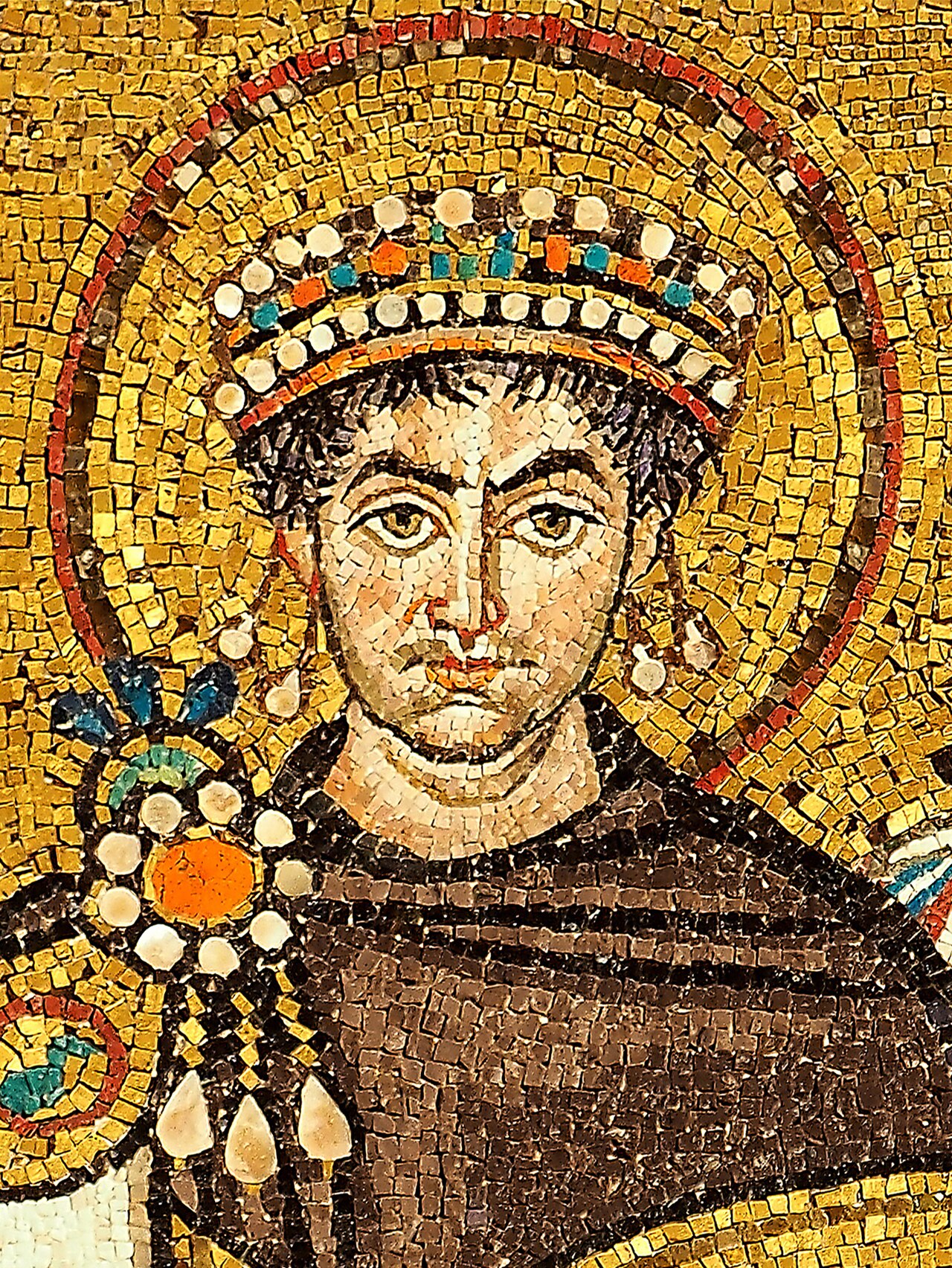 Artifact
Primary source
Portrait of Justinian I, San Vitale Mosaic
Byzantine mosaicists · c. 547
 Painting
Secondary source
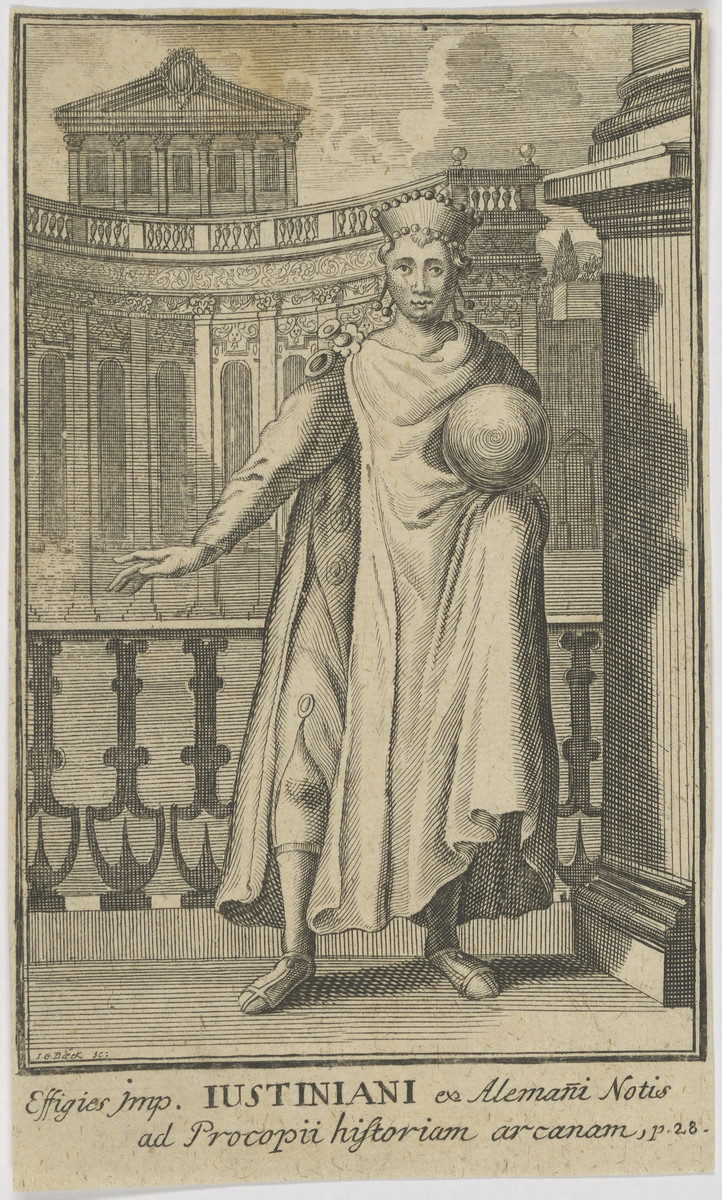
Portrait of Emperor Justinian
Johann Friedrich Böck
 Document
Primary source
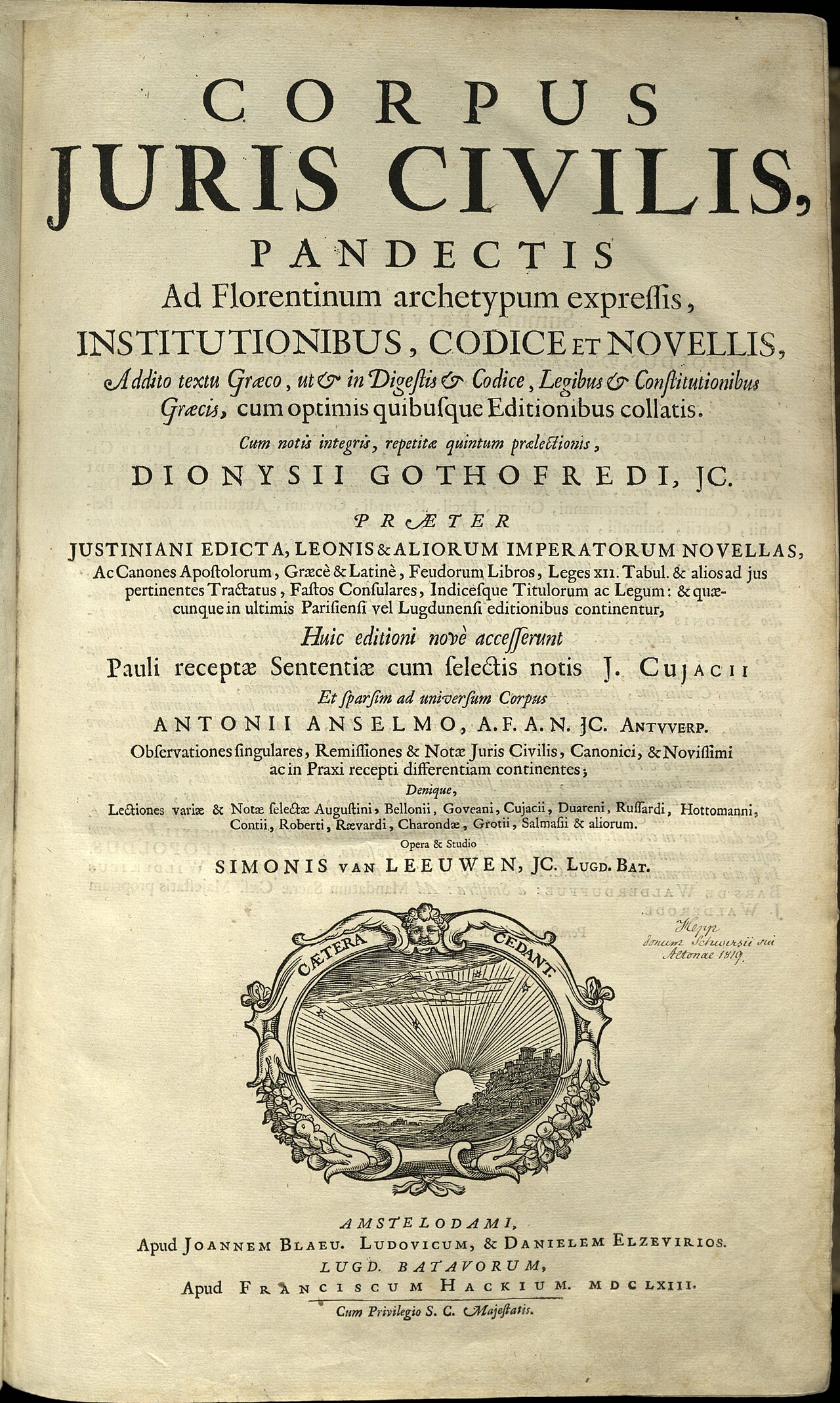
Corpus Juris Civilis
Tribonian · 528-534
 Artifact
Primary source
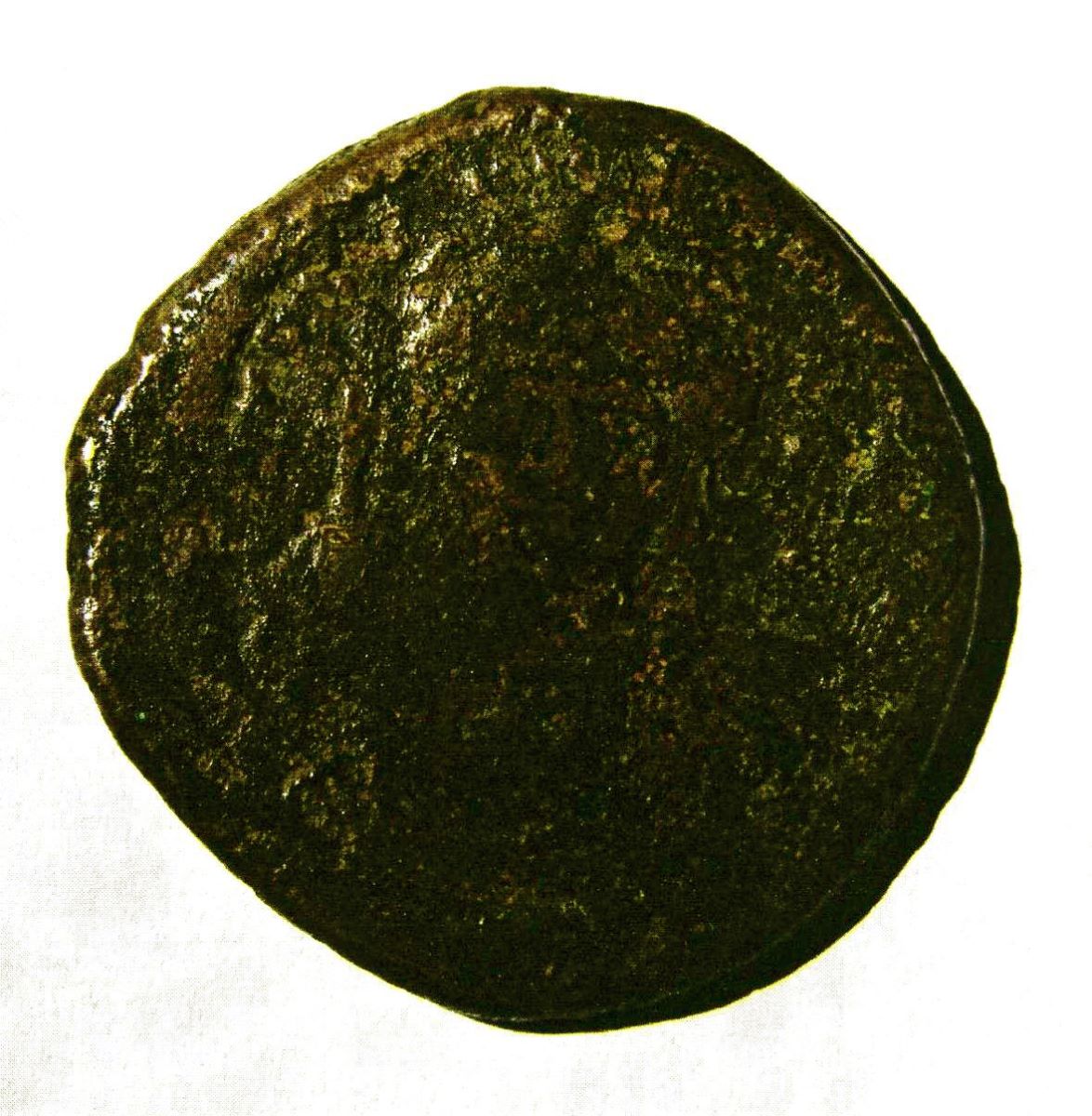
Bronze Follis of Justinian I with Globus Cruciger
 Artifact
Secondary source
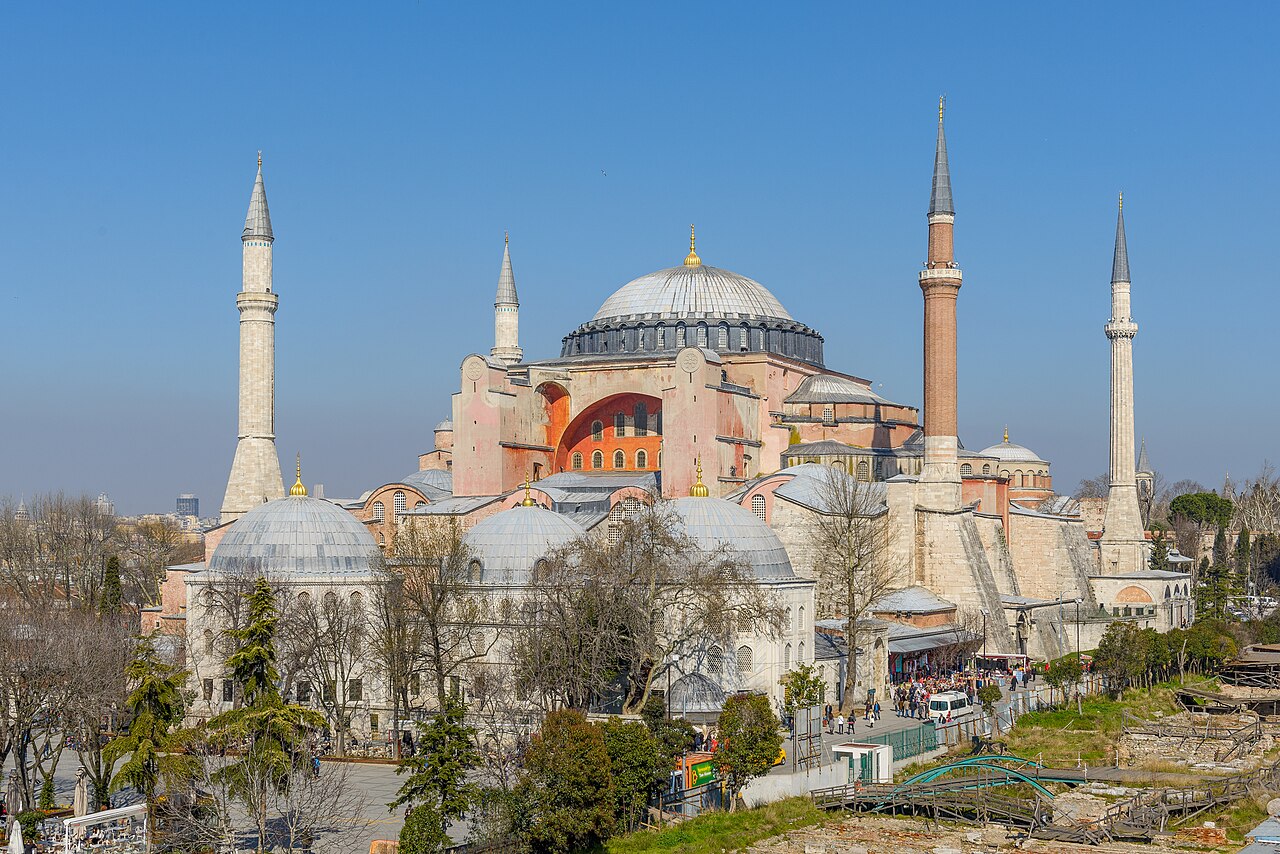
Hagia Sophia
Isidore of Miletus and Anthemius of Tralles · 532-537 CE
Ready when you are
Start chatting with Justinian I now.
20 messages free · No credit card · Available in 50+ languages.