


Primary sourceArtifact
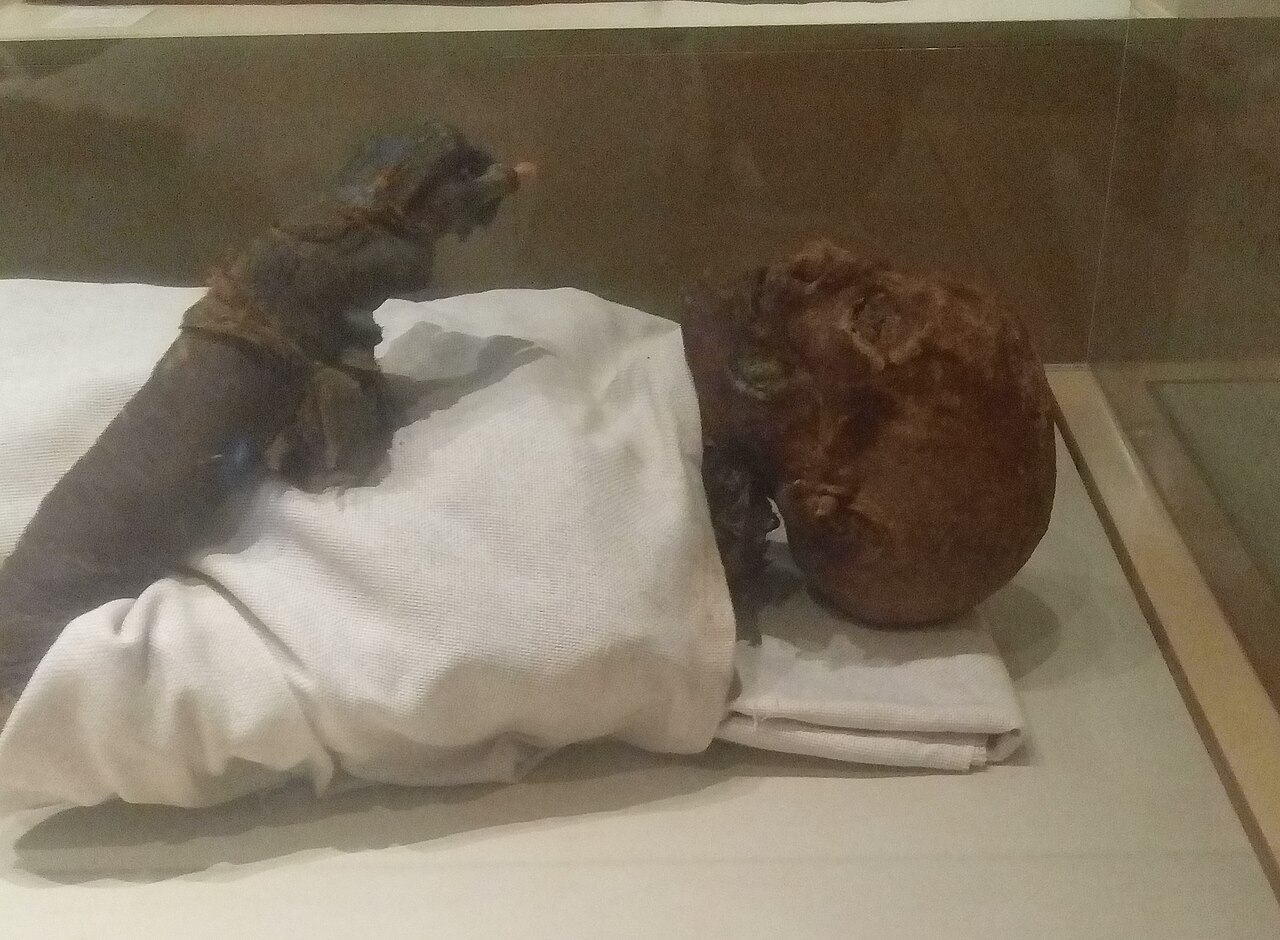
Mummy of Hatshepsut (KV60-A)
The identified mummified remains of Hatshepsut herself, used by scientists to learn about her life and death.
This mummy is the physical body of Hatshepsut herself, identified by scientists in 2007.
About this source
What it is
This is the mummy known as KV60-A, identified in 2007 as the remains of Hatshepsut. It is the actual physical body of the pharaoh, preserved through ancient Egyptian mummification.
Why it matters
Because this is Hatshepsut's own body, scientists have been able to study it for clues about her age, health, and cause of death. It connects the historical records and monuments of her reign to a real human being, grounding her story in physical evidence.
Look closer
- What kinds of information can scientists learn from studying a mummy that they cannot learn from statues or inscriptions?
- Why do you think it took a long time to identify this mummy as Hatshepsut's?
- How might studying human remains raise questions about respect and privacy, even for ancient people?
This artifact is part of the curated material that grounds the AI version of Hatshepsut on Humy.ai — when students ask about related events, the AI can quote it and cite it.
More Hatshepsut sources
Meet the AI Hatshepsut →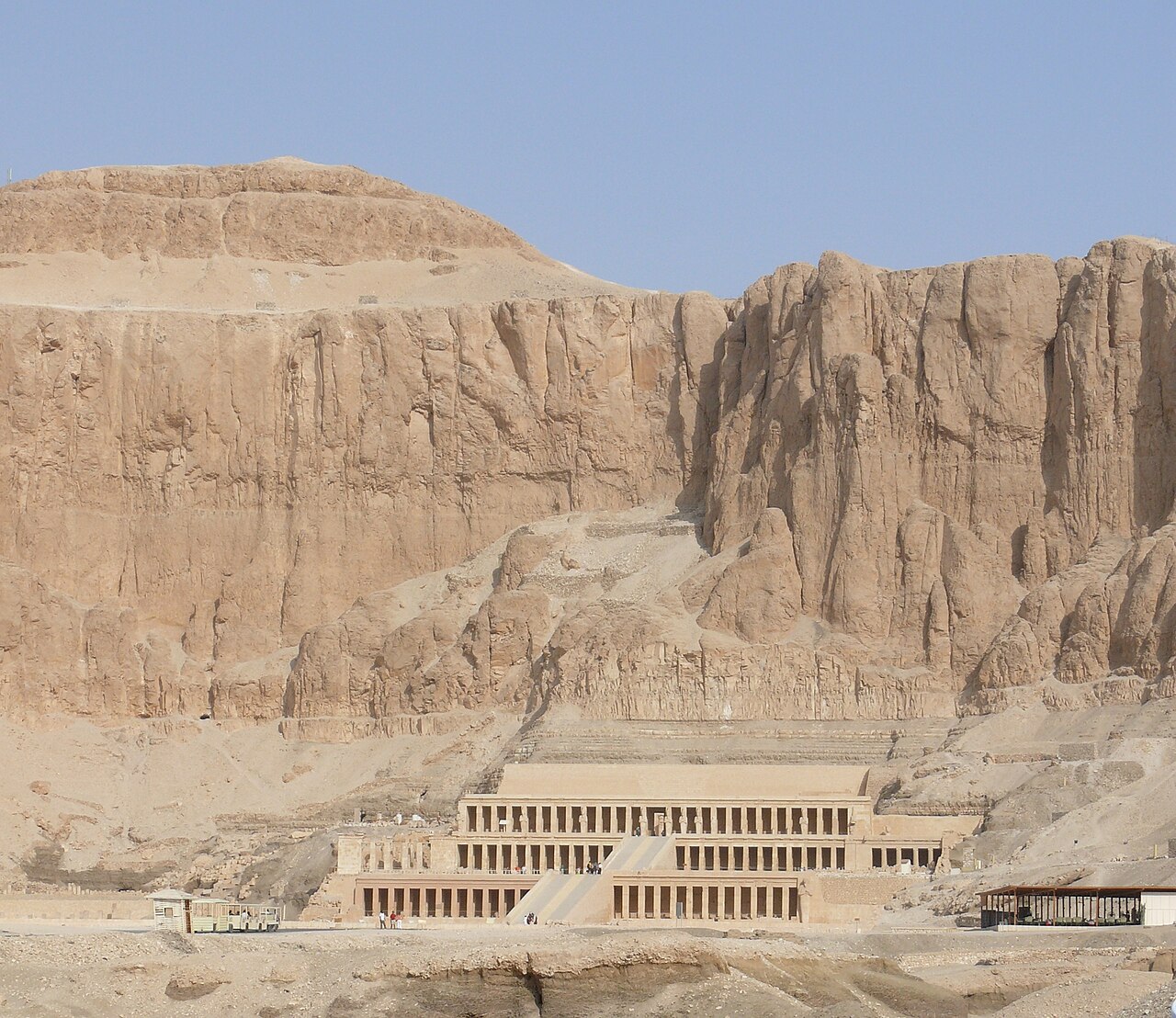 Artifact
Primary source
Mortuary Temple of Hatshepsut
Senenmut and/or Hapuseneb (attributed) · c. 1479–1458 BCE
 Photograph
Secondary source
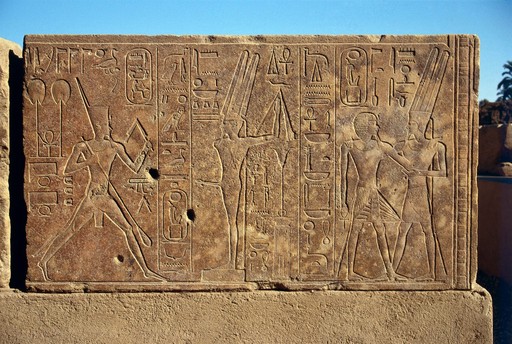
Hatshepsut Dancing Before Min, Karnak Relief
Carole Reeves · 1989
 Sculpture
Primary source
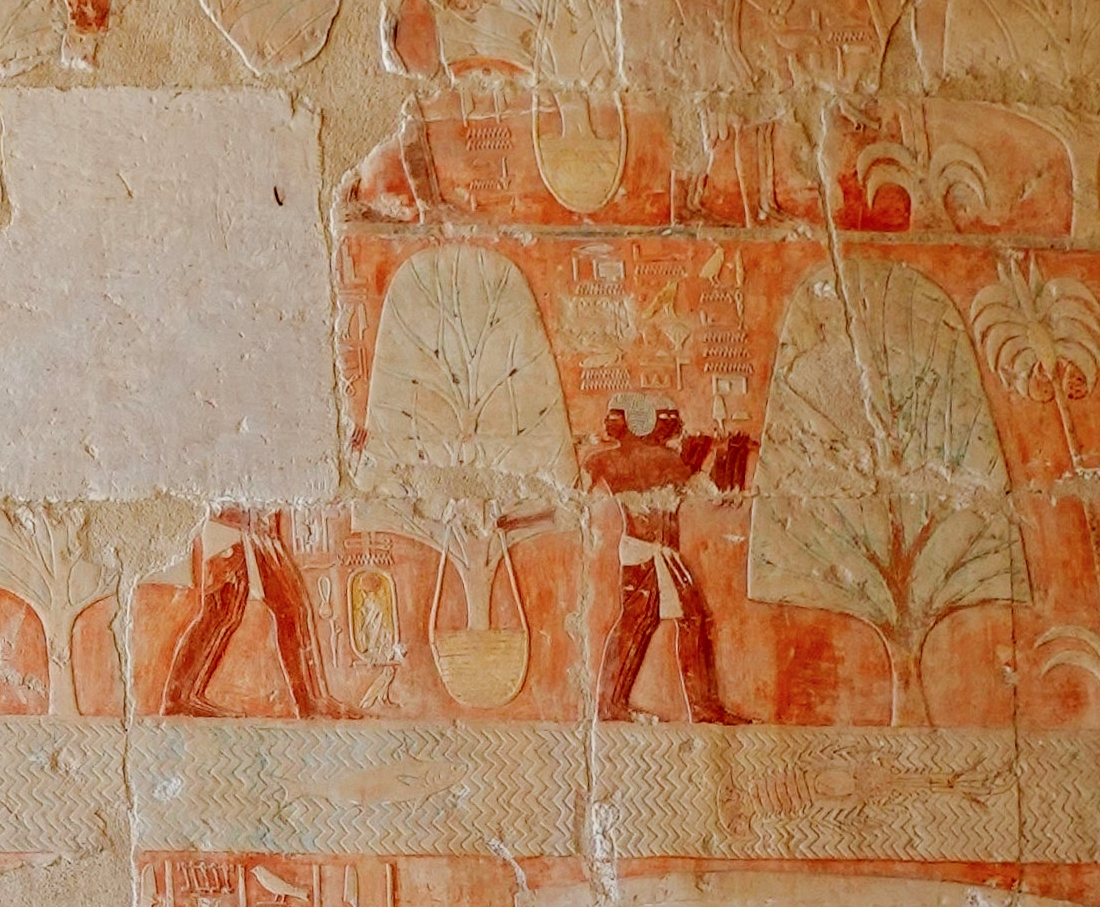
Punt Expedition Reliefs
Royal workshops of Hatshepsut · c. 1470 BCE
 Sculpture
Primary source
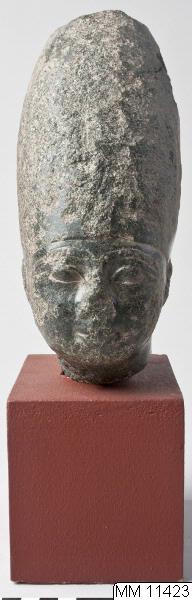
Sculpture Head Probably of Hatshepsut
 Sculpture
Primary source
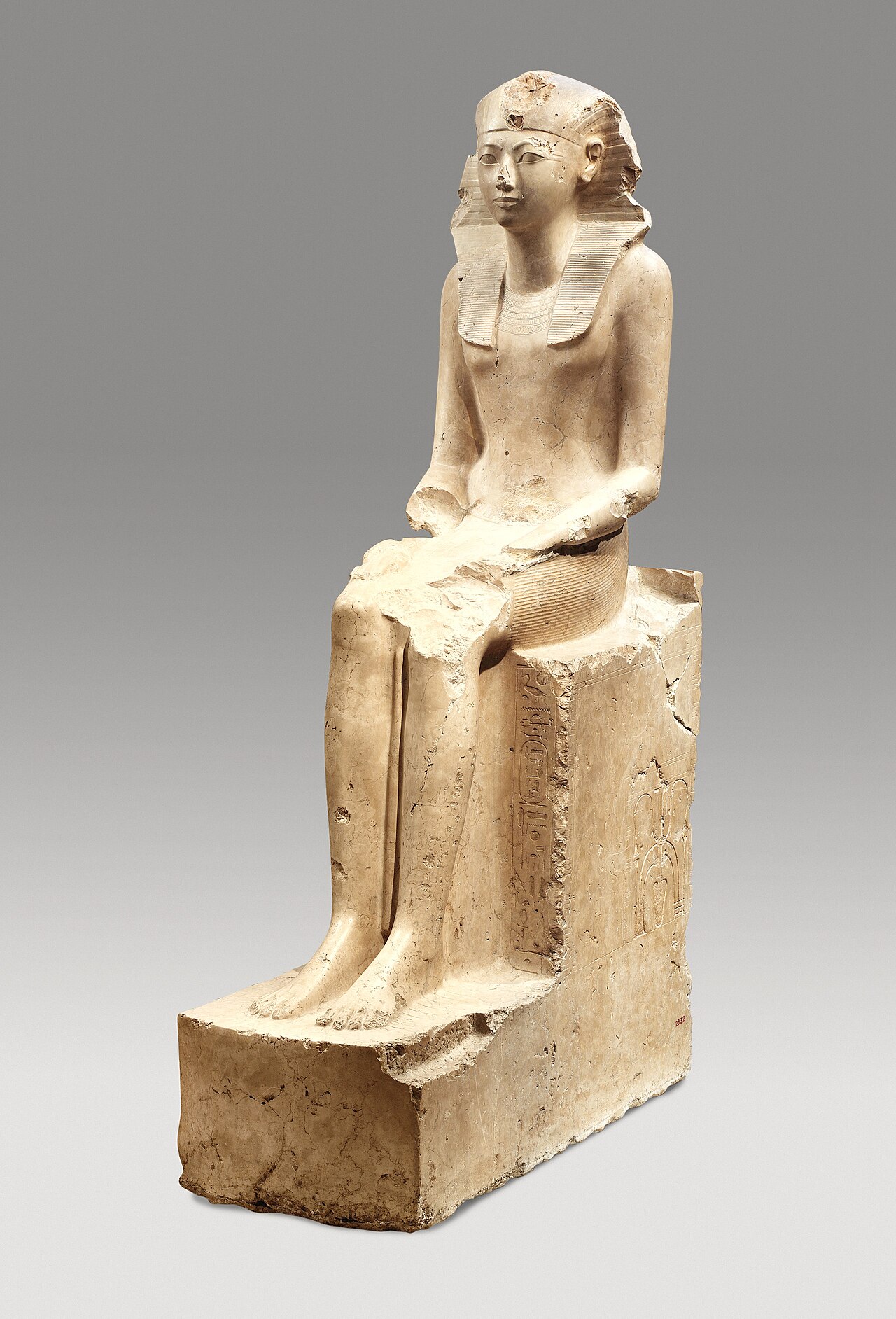
Seated Statue of Hatshepsut
c. 1466 BCE
Ready when you are
Start chatting with Hatshepsut now.
20 messages free · No credit card · Available in 50+ languages.