


Primary sourceDocument30 September 1938
Munich Agreement
30 September 1938
The 1938 treaty signed by Hitler, Chamberlain, Daladier and Mussolini that handed Germany the Sudetenland, the high point of appeasement.
Hitler signed this treaty, gaining the Sudetenland and testing how far appeasement would let him go.
Free Humy account · No credit card · 120,912 sources to read
About this source
What it is
The Munich Agreement was signed on 30 September 1938 in Munich by representatives of Germany, the United Kingdom, France and Italy. It allowed Germany to annex the Sudetenland, a border region of Czechoslovakia with a large German-speaking population. Czechoslovakia itself was not invited to the talks.
Why it matters
The agreement is seen today as the key example of appeasement: Western leaders hoped that giving Hitler this territory would avoid a wider war. Instead Hitler broke his promise within months, occupying the rest of Czechoslovakia in 1939. The document shows how Hitler used threats and diplomacy together to expand Germany's borders without immediate war, and how other leaders misjudged his intentions.
Look closer
- Why do you think Czechoslovakia's own representatives were not allowed into the negotiations?
- What does the agreement's quick collapse tell us about trusting Hitler's promises?
- Whose voices are missing from this document?
This document is part of the curated material that grounds the AI version of Adolf Hitler, Neville Chamberlain and Benito Mussolini on Humy.ai — when students ask about related events, the AI can quote it and cite it.
More Adolf Hitler sources
Browse all 96 →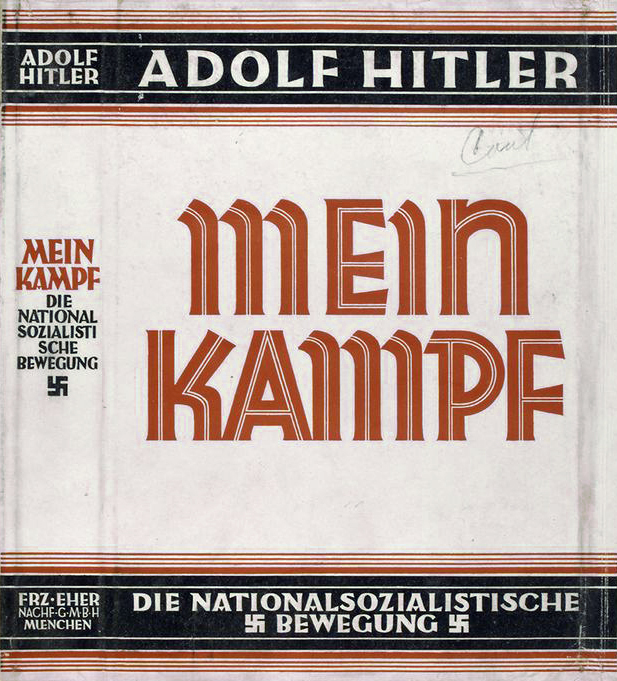 Book
Primary source
Mein Kampf
Adolf Hitler · 1925–1926
 Document
Primary source
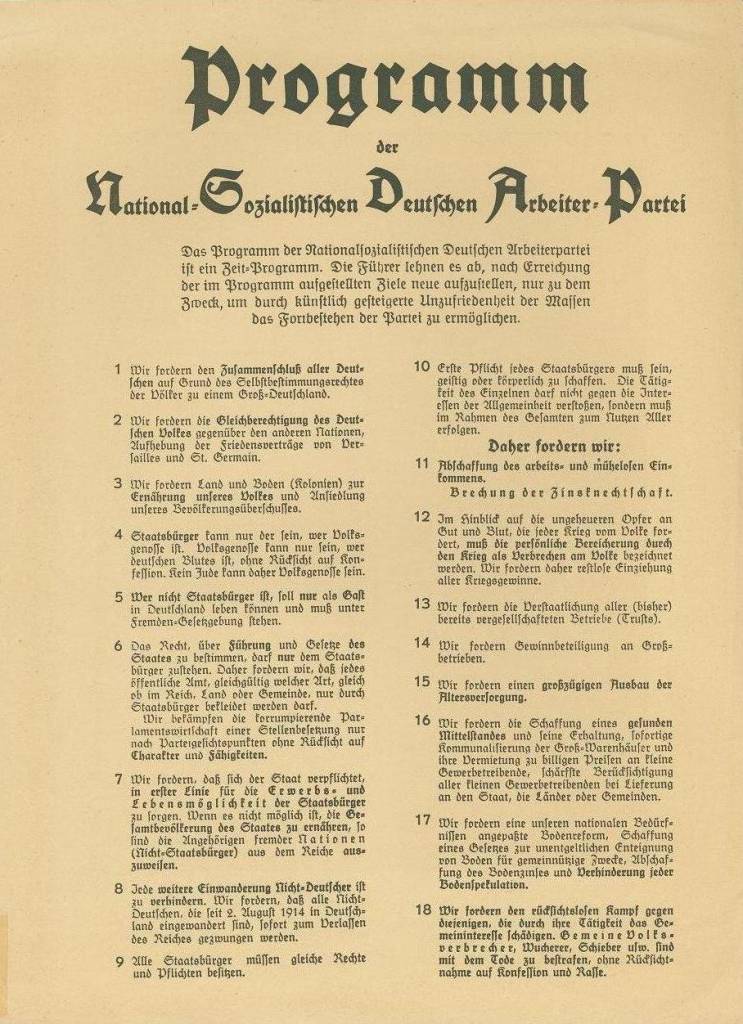
National Socialist Program
Adolf Hitler · 24 February 1920
Primary source
Enabling Act of 1933
24 March 1933
Primary source
Reichstag Fire Decree
28 February 1933
Free account
Read every Adolf Hitler source
Sign up free →
Ready when you are
Start chatting with Adolf Hitler now.
20 messages free · No credit card · Available in 50+ languages.