


Secondary sourceArtifact1995 (renovation); laboratory built 1911-1914
Musée Curie
1995 (renovation); laboratory built 1911-1914
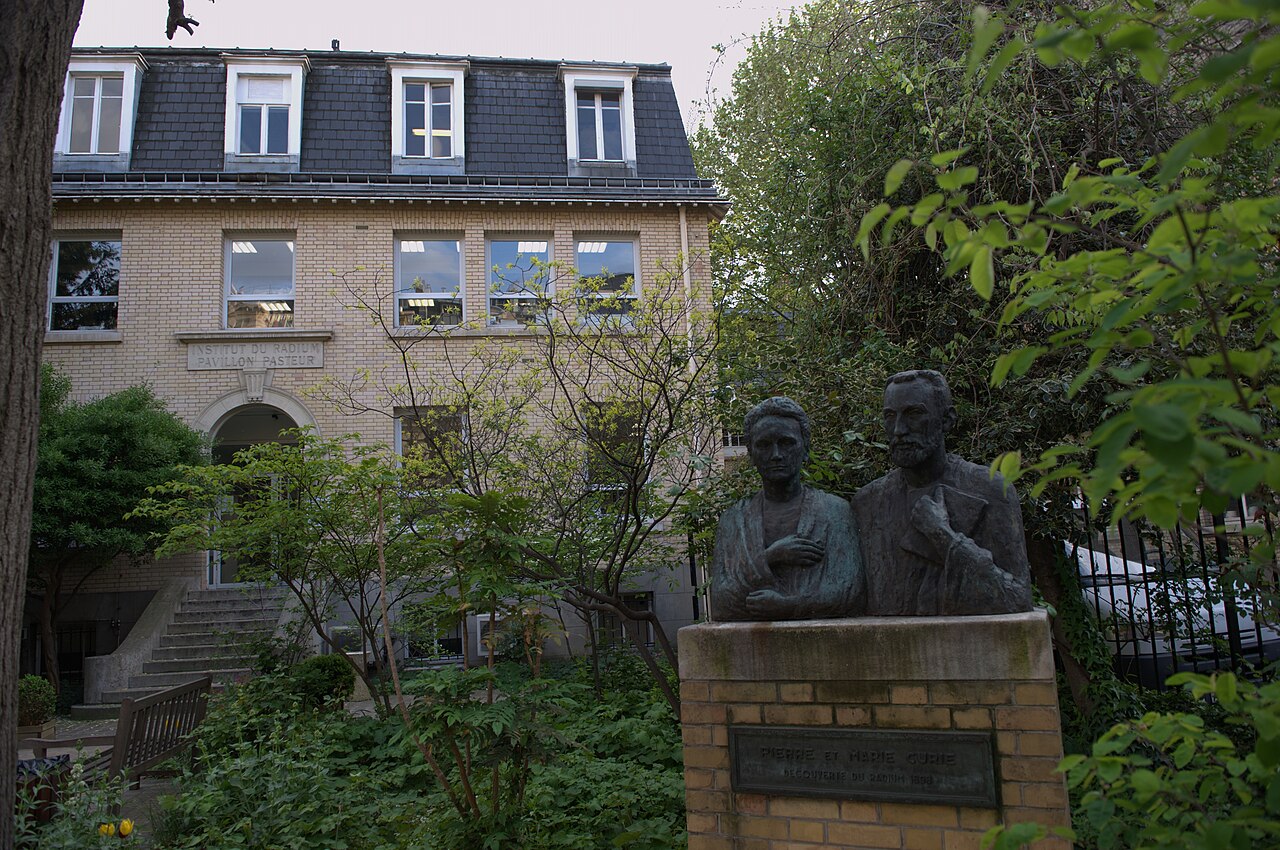
The preserved laboratory and office building where Marie Curie conducted her research, now a museum in Paris.
The preserved laboratory where Curie worked for two decades, now a museum dedicated to her life and research.
About this source
What it is
The Musée Curie is a building in Paris that houses Marie Curie's laboratory and office, built between 1911 and 1914. It was established as a museum in 1934, after her death, and later renovated with support from her daughter Ève Curie.
Why it matters
Curie worked here from 1914 until her death in 1934. Her daughter and son-in-law, Irène and Frédéric Joliot-Curie, also made important discoveries about radioactivity in this same laboratory. The site shows how her scientific legacy continued through her family.
Look closer
- Why do you think the laboratory and office were kept closed for many years before being shown to visitors?
- What does preserving a workspace tell us about how people wanted to remember Curie?
- What might this building not show us about her daily life and struggles?
This artifact is part of the curated material that grounds the AI version of Marie Curie on Humy.ai — when students ask about related events, the AI can quote it and cite it.
More Marie Curie sources
Meet the AI Marie Curie →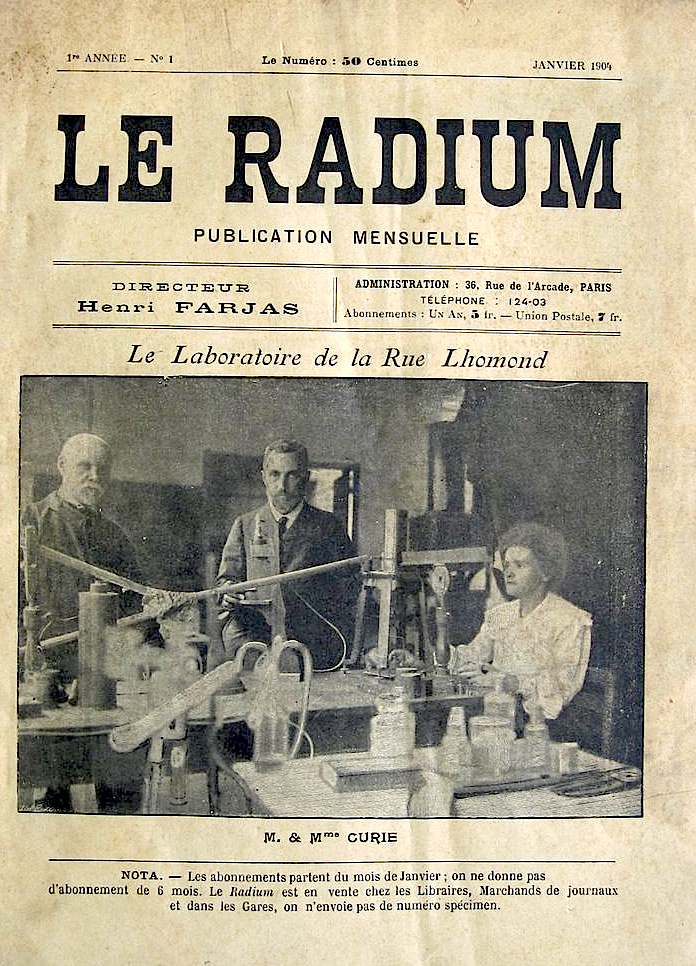 Photograph
Primary source
Photograph of Pierre and Marie Curie in their Laboratory, rue Lhomond
c. 1898-1904
 Book
Primary source
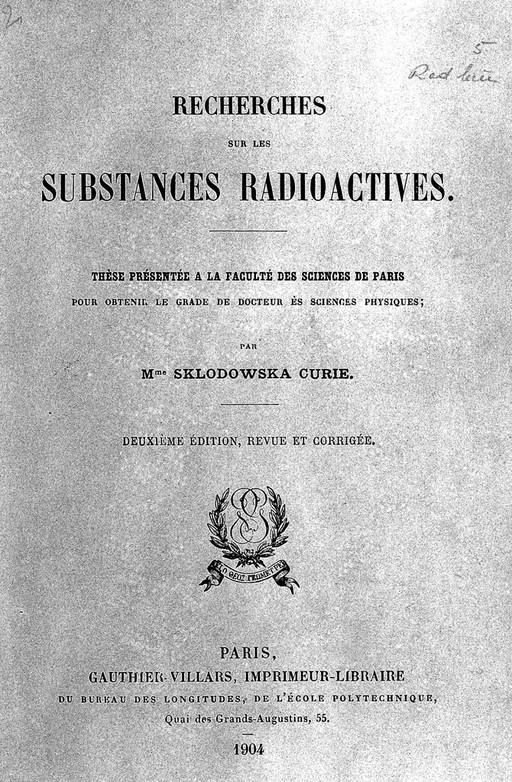
Recherches sur les substances radioactives
Marie Curie · 1904
Primary source
Rayons émis par les composés de l'uranium et du thorium
Marie Curie · 12 April 1898
 Artifact
Primary source
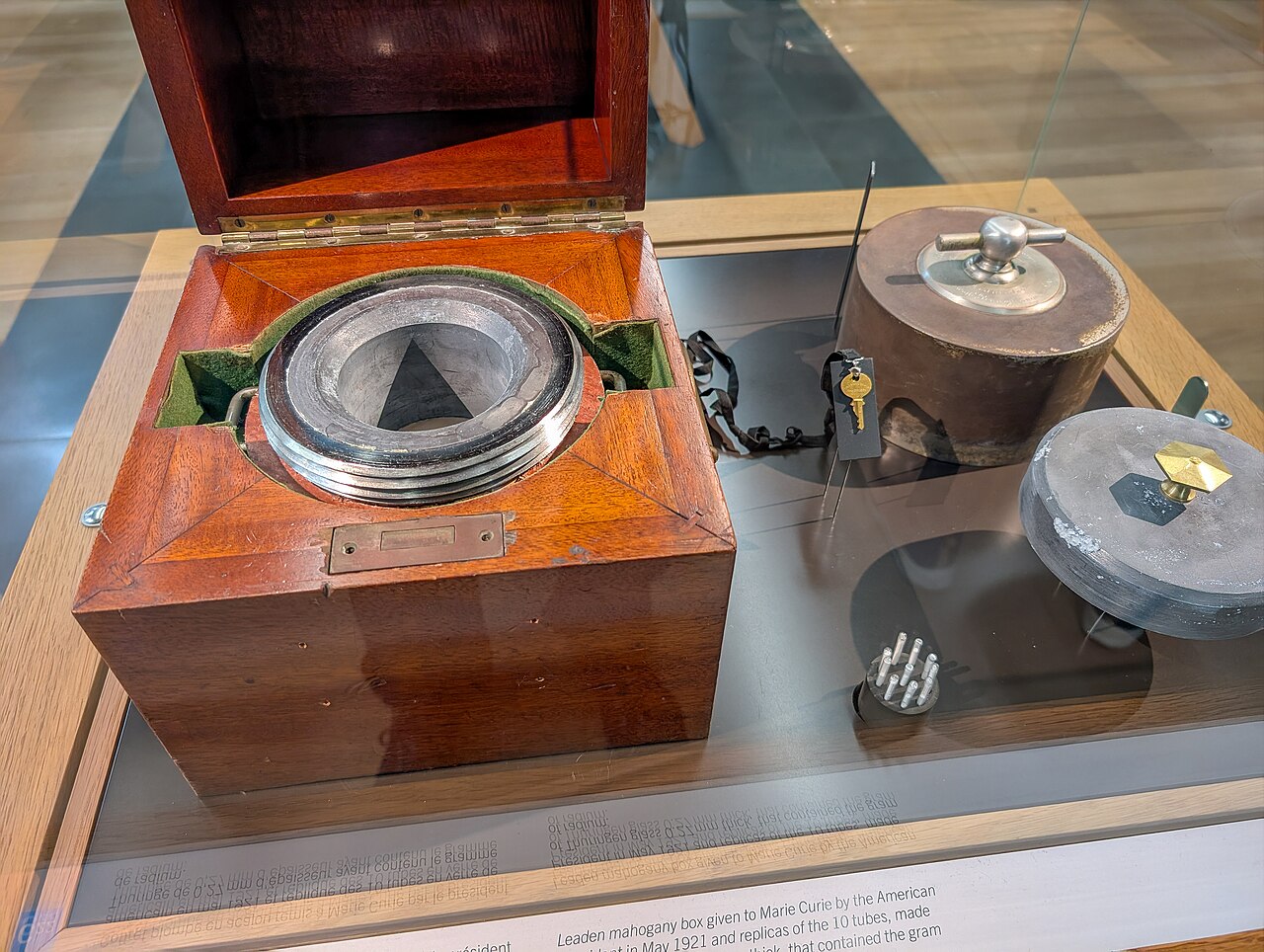
International Radium Standard
Marie Curie · 1911
 Artifact
Primary source
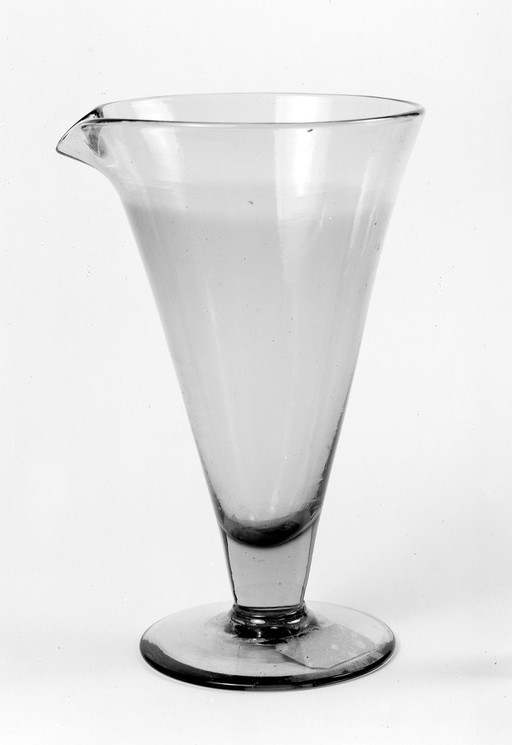
Glass beaker used for the first radium salt solution
Ready when you are
Start chatting with Marie Curie now.
20 messages free · No credit card · Available in 50+ languages.