


Primary sourcePainting1619
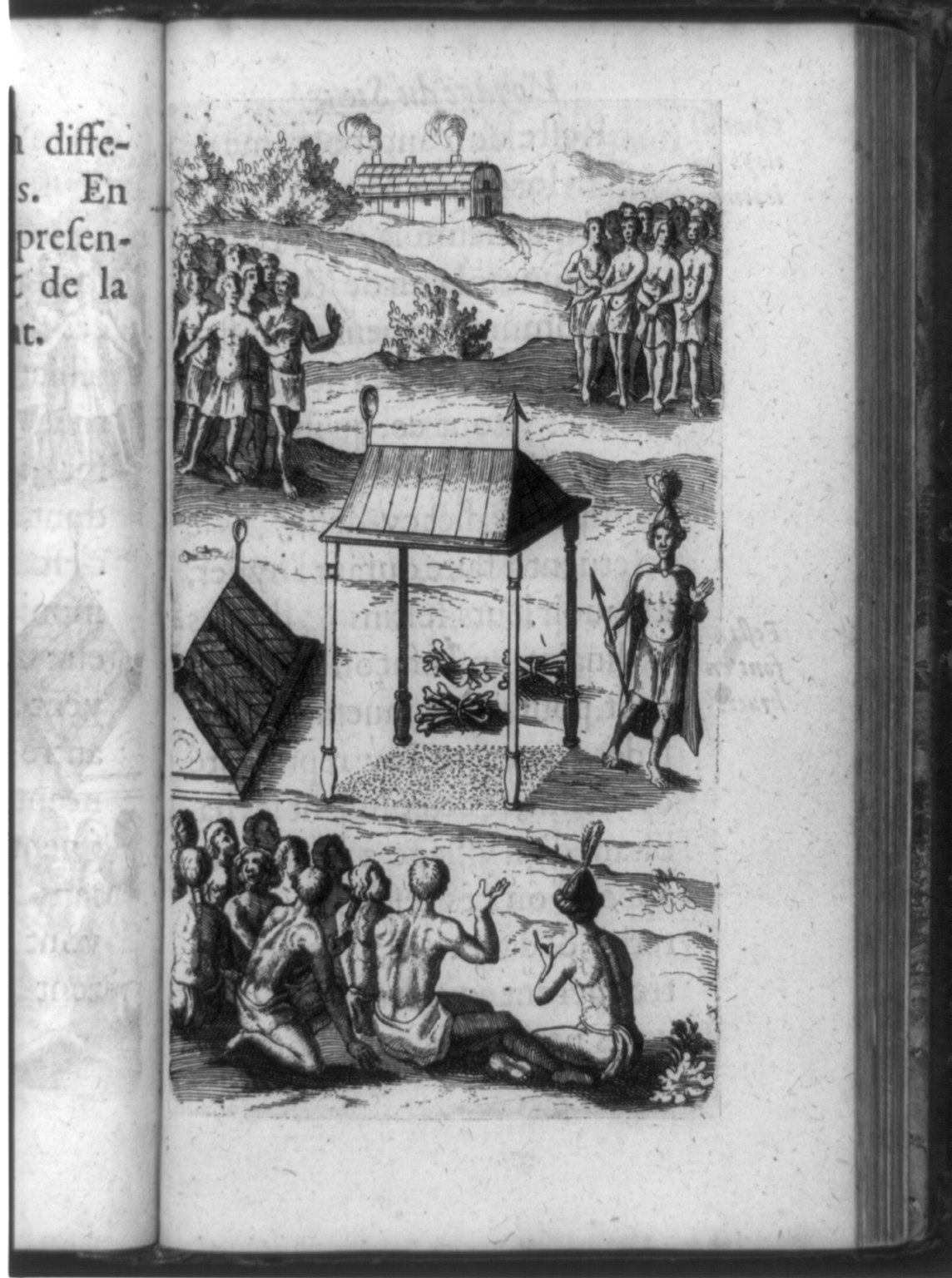
Native American Burial or Memorial Ceremony, New France
1619
A 1619 engraving from Champlain's published voyages showing an Indigenous burial ceremony with bundles of bones on a raised platform.
This engraving illustrated Champlain's own 1619 written account describing a burial ceremony he witnessed in New France.
About this source
What it is
This engraving appeared in 1619 in Samuel de Champlain's account of his voyages. It shows a raised, roofed platform holding bundles of bones over a fire, an armed man standing nearby, and groups of people gathered around a longhouse in the background.
Why it matters
Champlain described burial and memorial customs he observed during his travels in New France. Images like this were meant to inform French readers about Indigenous life, but they reflect an outsider's perspective and may misrepresent or simplify the true meaning of the ceremony.
Look closer
- What does the structure and arrangement of figures tell you about how the artist understood this ceremony?
- Why might Champlain have found this practice worth recording in detail?
- What is left unexplained in the image that you would want to know more about?
This painting is part of the curated material that grounds the AI version of Samuel de Champlain on Humy.ai — when students ask about related events, the AI can quote it and cite it.
More Samuel de Champlain sources
Meet the AI Samuel de Champlain → Book
Primary source
Les Voyages du sieur de Champlain
Samuel de Champlain · 1613
 Document
Primary source
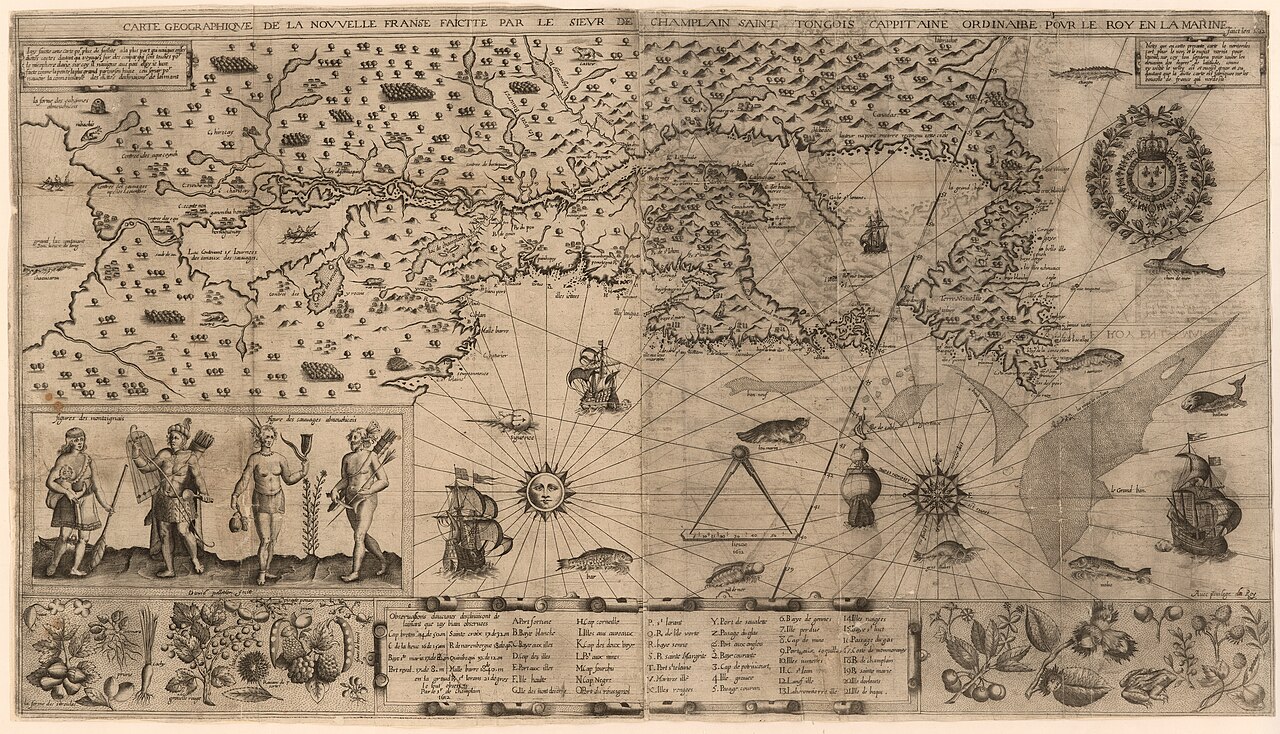
Carte geographique de la Nouvelle Franse
Samuel de Champlain · 1612
 Book
Primary source
Des Sauvages, ou voyage de Samuel Champlain
Samuel de Champlain · 1603
 Document
Primary source
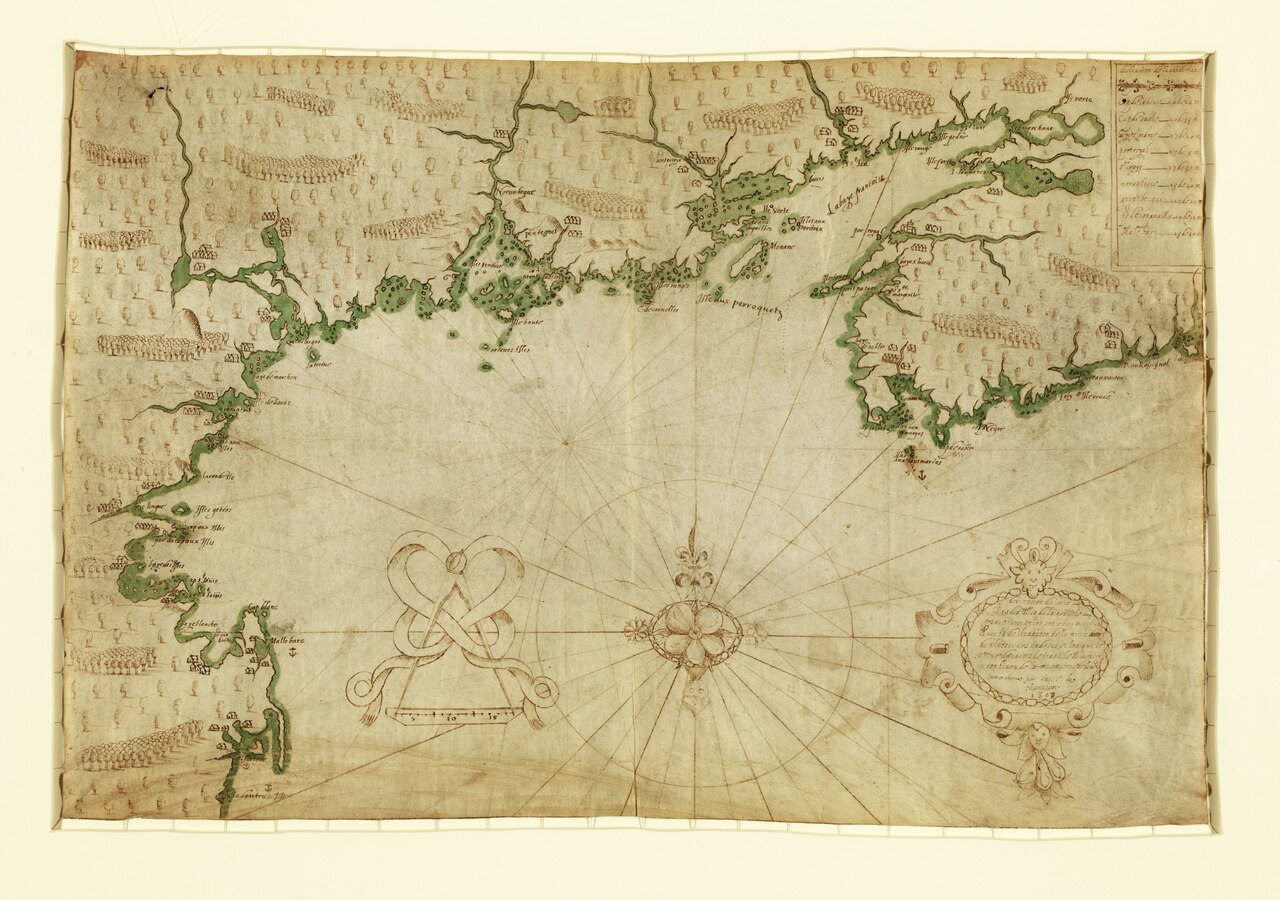
Descripsion des costs, pts., rades, Illes de la Nouuele France
Samuel de Champlain · 1607
 Document
Primary source
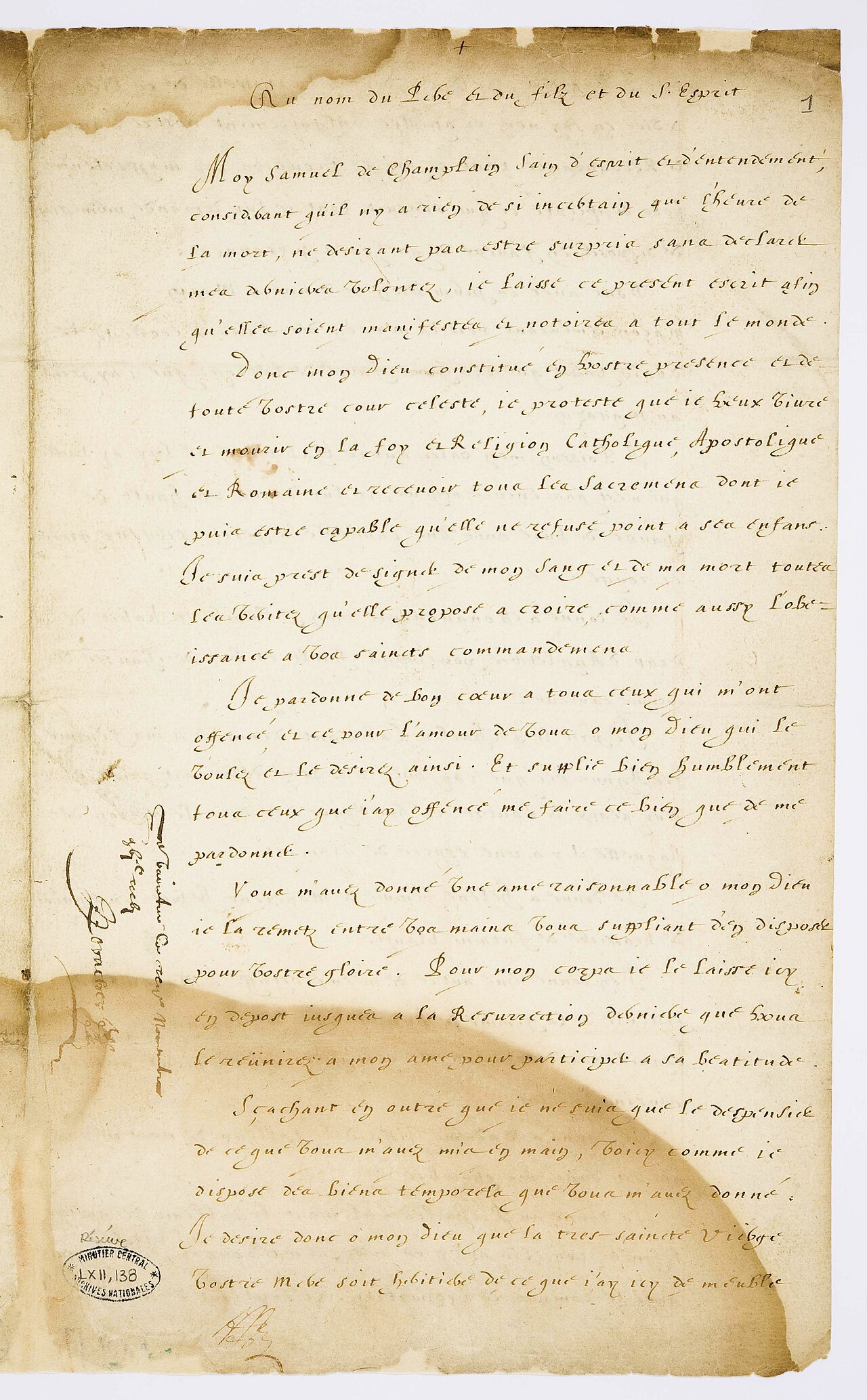
Testament de Samuel Champlain
Samuel de Champlain · 17 November 1635
Ready when you are
Start chatting with Samuel de Champlain now.
20 messages free · No credit card · Available in 50+ languages.