


Primary sourceArtifact543
Nea Ekklesia of the Theotokos
543
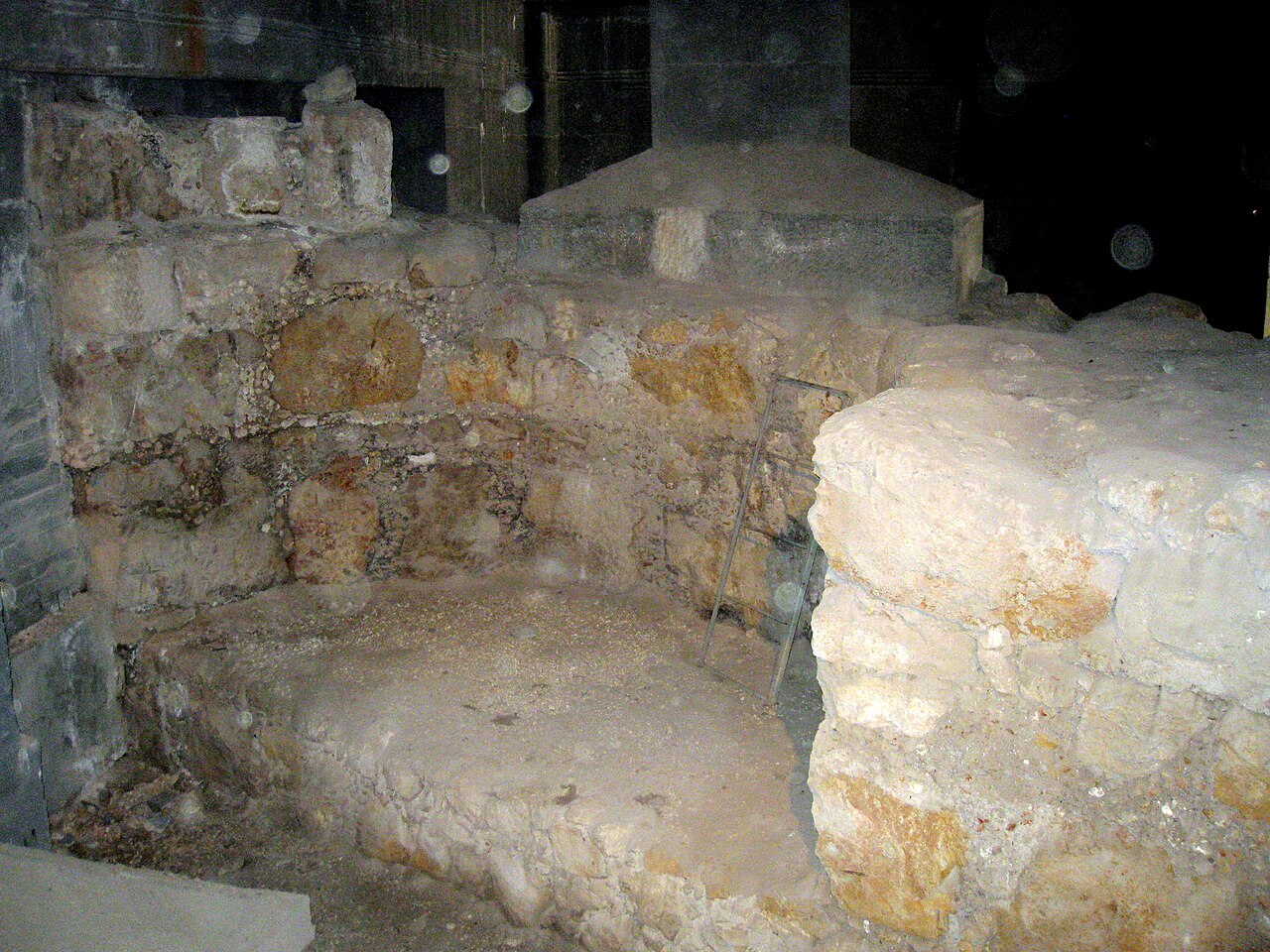
The ruins of a great church in Jerusalem built by order of Justinian I, known from excavation and ancient accounts.
Justinian ordered and funded this massive church, showing his religious ambitions and building projects in Jerusalem.
About this source
What it is
The Nea Ekklesia, or New Church of the Theotokos, was a huge Byzantine church built in Jerusalem on the orders of Emperor Justinian I. Completed in 543, it was destroyed in the following century and later used as a source of building material. Only meager remains survive, found through excavation in Jerusalem's Old City.
Why it matters
Contemporary writers Cyril of Scythopolis and Procopius both described the church; Procopius called it a shrine with which none could be compared. Its size and complexity—including a monastery, hostel and hospital—show the scale of Justinian's building ambitions and his use of architecture to project religious and imperial power.
Look closer
- Why might an emperor spend so much effort and money building a church far from his capital?
- What does the gap between ancient written descriptions and the sparse physical remains tell us about writing history from ruins?
- How do Procopius's praises compare with what archaeologists have actually found?
This artifact is part of the curated material that grounds the AI version of Justinian I on Humy.ai — when students ask about related events, the AI can quote it and cite it.
More Justinian I sources
Meet the AI Justinian I →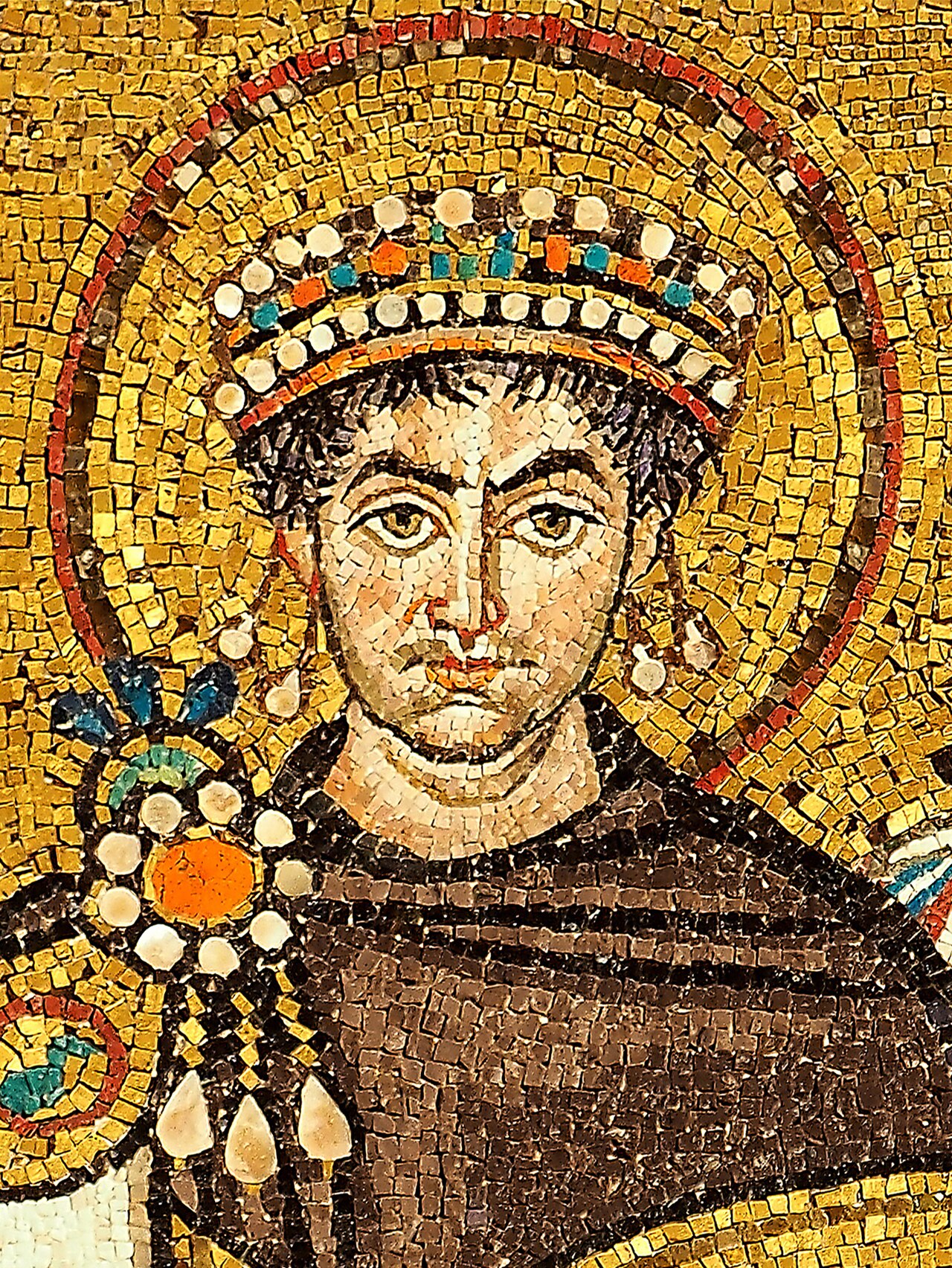 Artifact
Primary source
Portrait of Justinian I, San Vitale Mosaic
Byzantine mosaicists · c. 547
 Painting
Secondary source
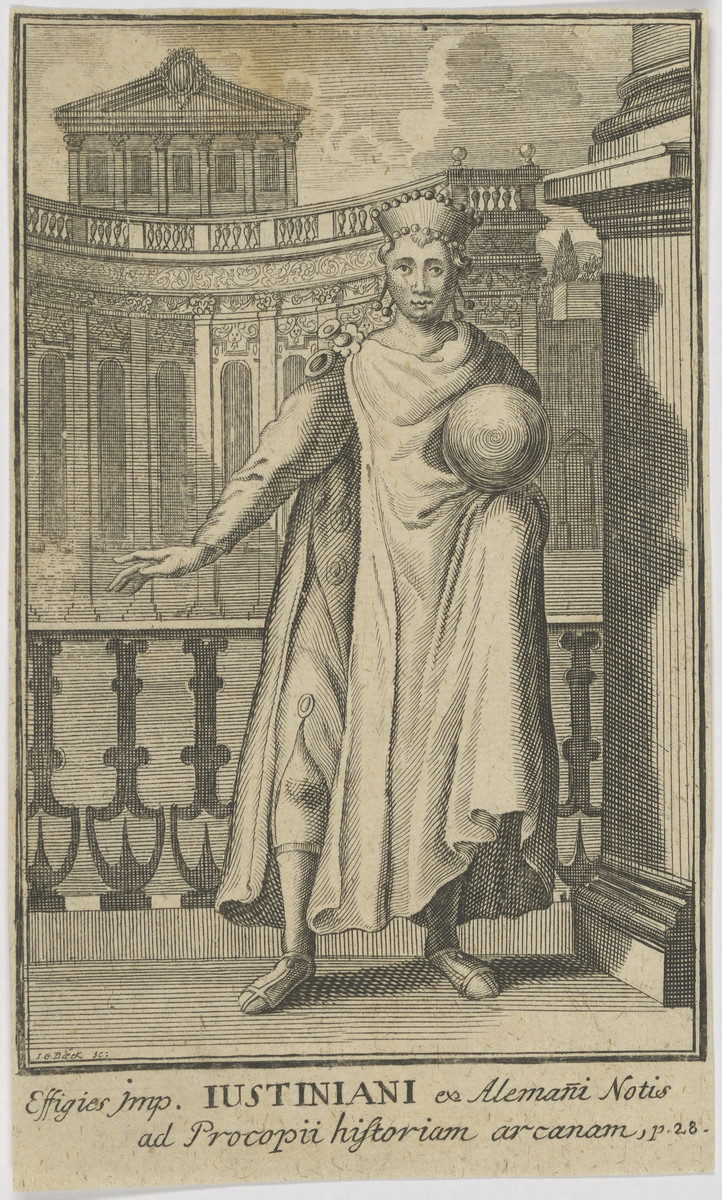
Portrait of Emperor Justinian
Johann Friedrich Böck
 Document
Primary source
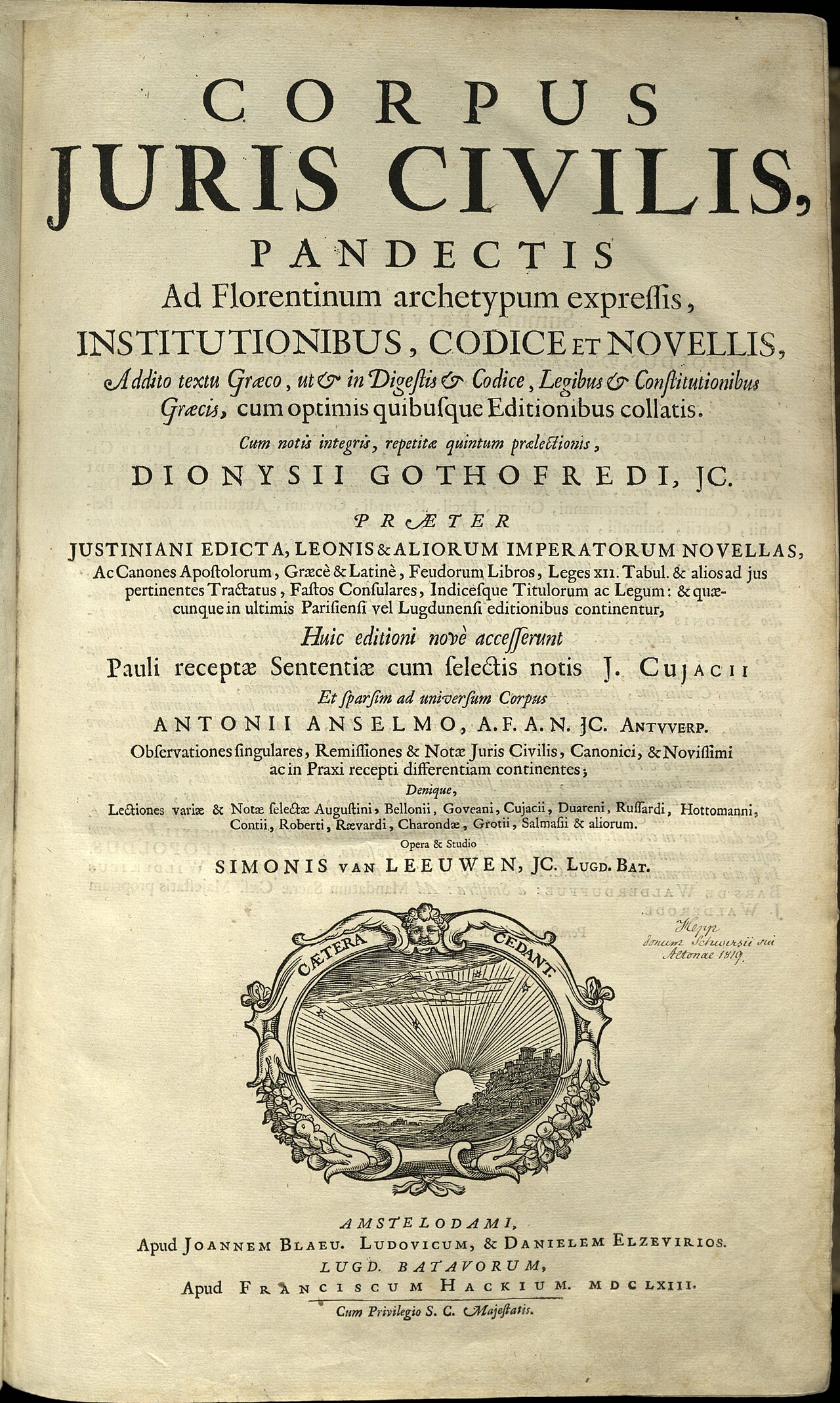
Corpus Juris Civilis
Tribonian · 528-534
 Artifact
Primary source
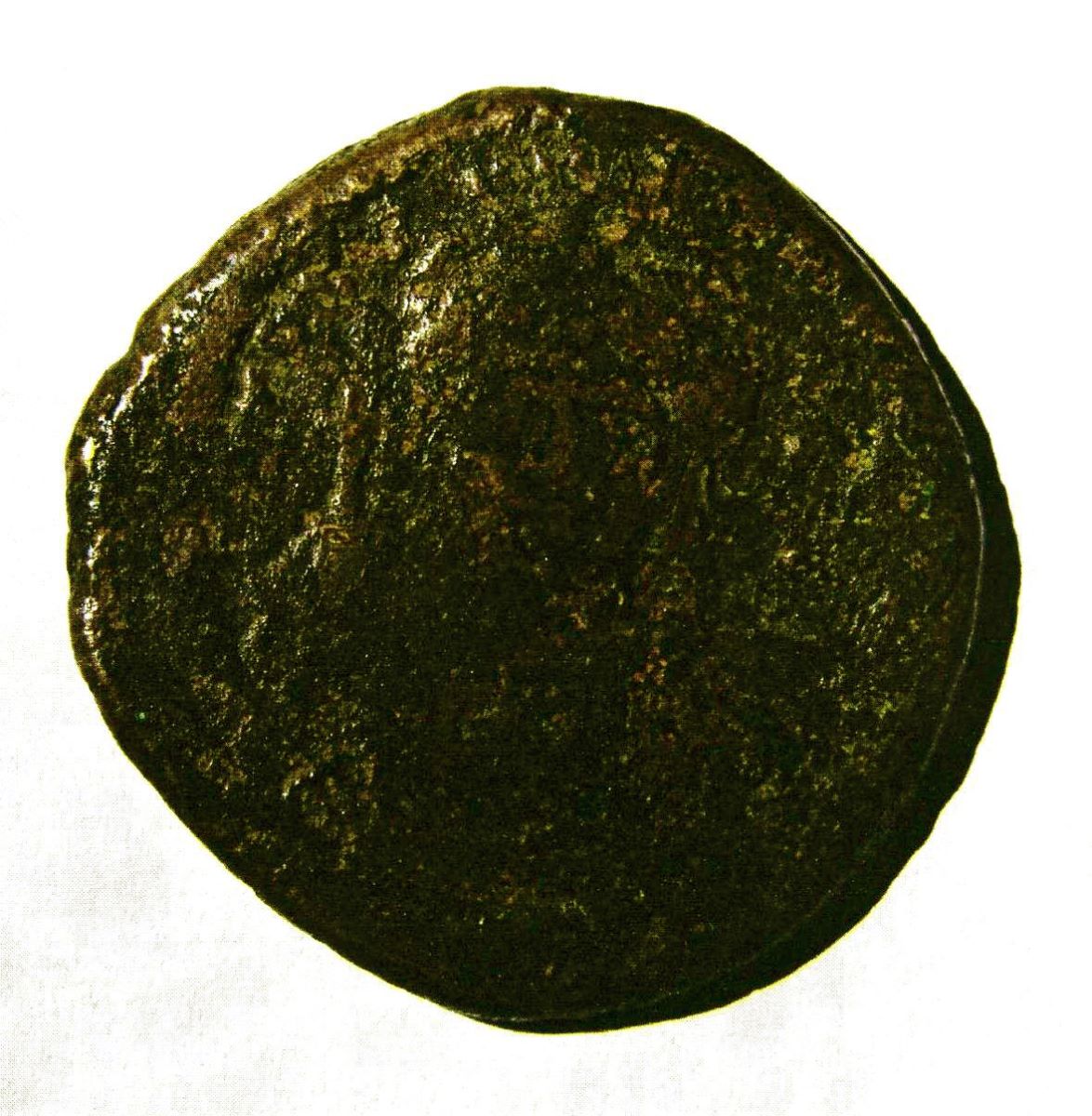
Bronze Follis of Justinian I with Globus Cruciger
 Artifact
Secondary source
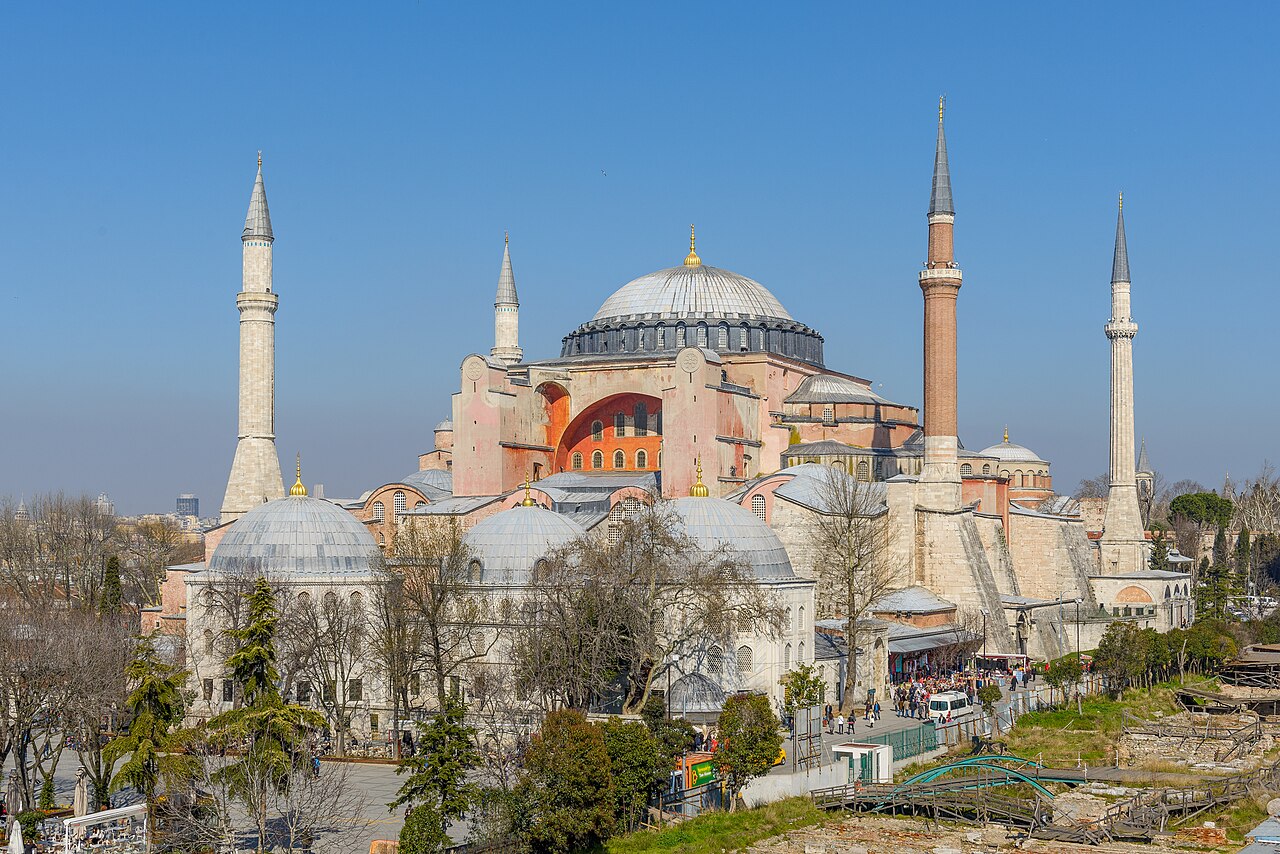
Hagia Sophia
Isidore of Miletus and Anthemius of Tralles · 532-537 CE
Ready when you are
Start chatting with Justinian I now.
20 messages free · No credit card · Available in 50+ languages.