


Primary sourceDocument1 June 1971
Nelson v. O'Neil dissent
Thurgood Marshall · 1 June 1971
A dissent by Justice Thurgood Marshall in the 1971 Supreme Court case Nelson v. O'Neil, arguing that joint trials can harm defendants' rights.
Shows Marshall as a Supreme Court justice writing a dissent that argues for new rules on joint criminal trials.
About this source
What it is
This is a dissent written by Justice Thurgood Marshall in Nelson v. O'Neil, a case of the United States Supreme Court. The case was argued on March 24, 1971 and decided on June 1, 1971. The text is the court's printed report, as held by the Wikisource record.
Marshall writes that the case shows the need for new rules on joint trials, in which several defendants are tried together. He says that a statement by one defendant was not admissible against the other under state law, yet there was a real danger it was used against him.
Why it matters
The dissent shows how a joint trial could affect each defendant's rights, including the right of confrontation and equal protection. Marshall cites his colleague Justice Brennan and the earlier case Bruton v. United States. He also refers to a recommendation from the American Bar Association's advisory committee on the criminal trial. The text reveals how a justice used a losing opinion to push for change in legal practice.
Look closer
- Which rights does Marshall say are put at risk in a joint trial?
- Why might a dissent matter even when it does not change the outcome of a case?
- What does this text leave out about the defendants and what really happened at their trial?
This document is part of the curated material that grounds the AI version of Thurgood Marshall on Humy.ai — when students ask about related events, the AI can quote it and cite it.
More Thurgood Marshall sources
Meet the AI Thurgood Marshall →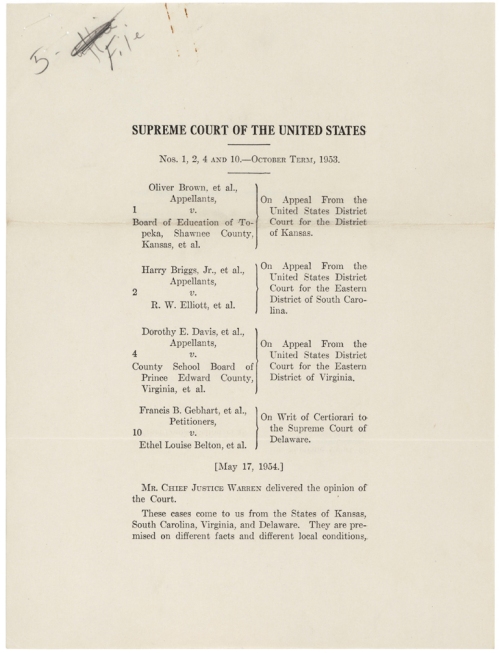 Document
Primary source
Brown v. Board of Education
Earl Warren · 17 May 1954
 Painting
Primary source
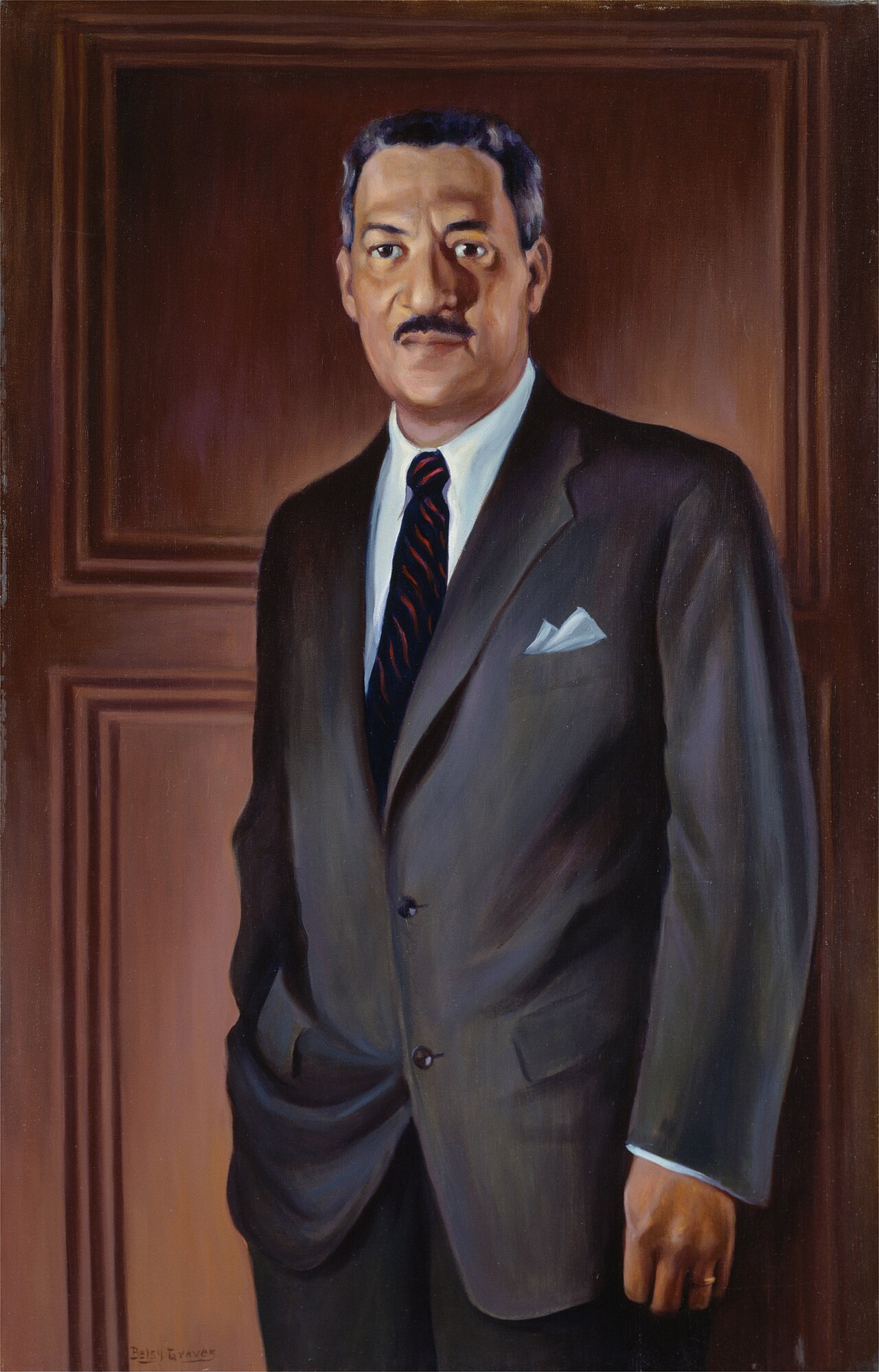
Thurgood Marshall
Betsy Graves Reyneau · 1956
 Photograph
Primary source
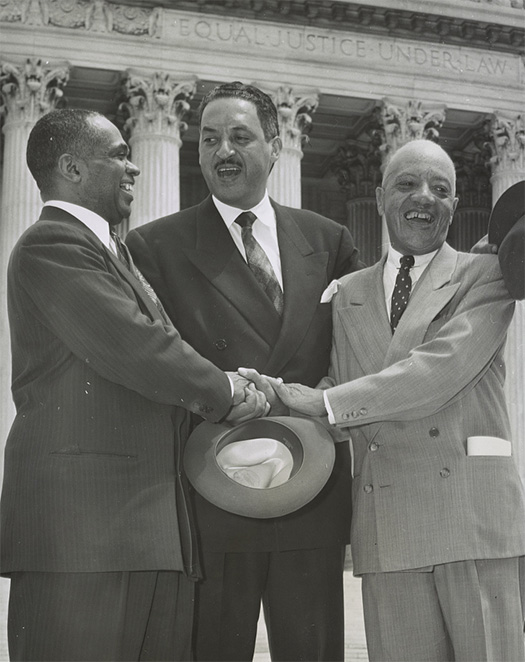
George Edward Chalmer Hayes, Thurgood Marshall, and James Nabrit in 1954 winning Brown case
1954
 Photograph
Primary source
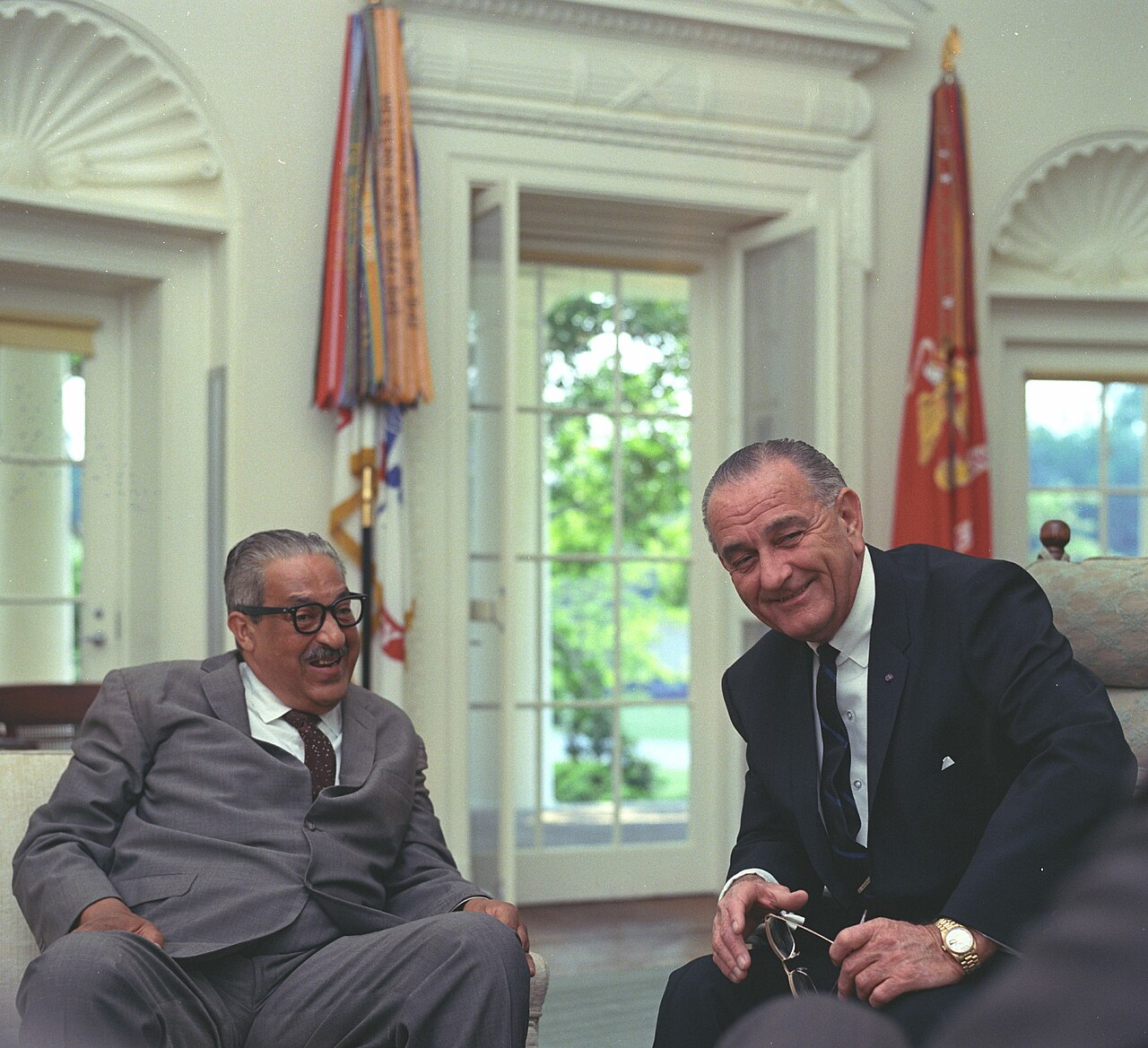
Thurgood Marshall and President Lyndon B. Johnson, June 13, 1967
Frank Wolfe · 13 June 1967
Primary source
Cooper v. Aaron
12 September 1958
Ready when you are
Start chatting with Thurgood Marshall now.
20 messages free · No credit card · Available in 50+ languages.