


Secondary sourcePhotograph2017-08-22
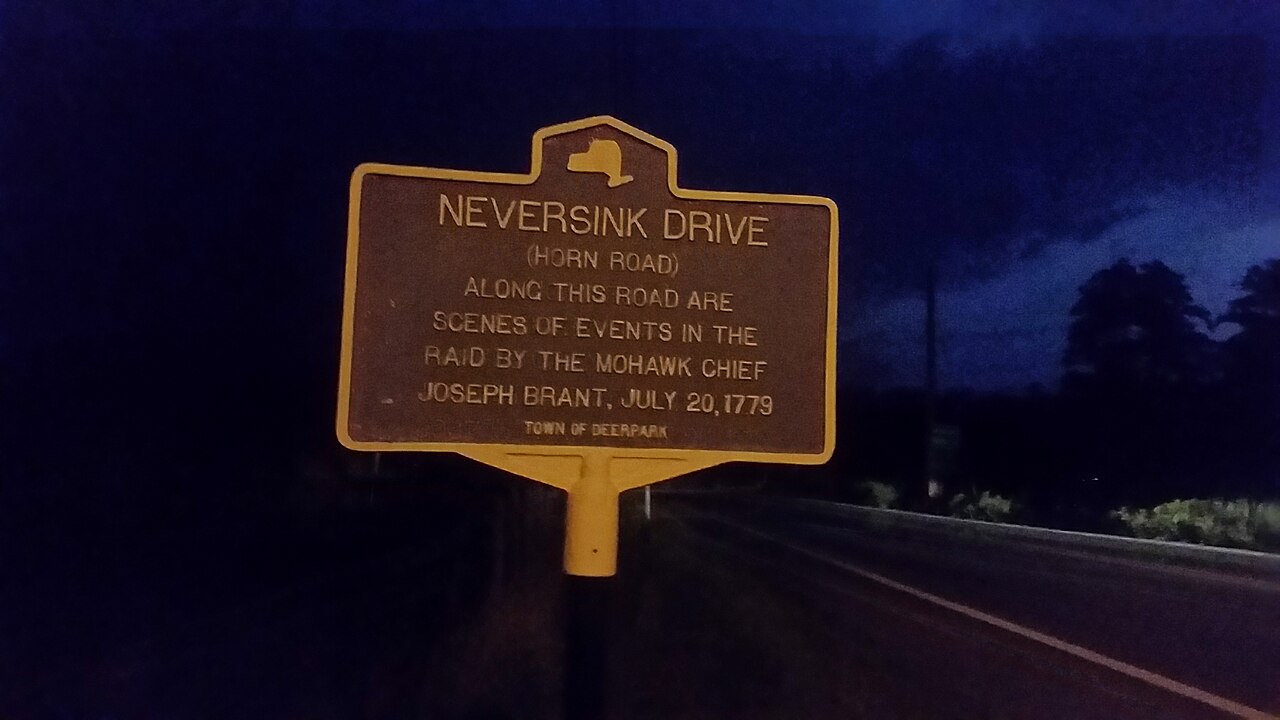
Neversink Drive Historic Marker
2017-08-22
A 2017 photograph of a New York State historical marker commemorating the 1779 raid led by Mohawk leader Joseph Brant along Neversink Drive.
This marker commemorates a 1779 raid led by Joseph Brant, documenting his military role in the Revolution.
About this source
What it is
This photograph, taken in 2017, shows a brown and yellow New York State historical marker placed by the town of Deerpark. The text identifies Neversink Drive (Horn Road) as the site of events during a raid led by the Mohawk Chief Joseph Brant on July 20, 1779.
Why it matters
This marker is a later commemoration rather than an original record, but it preserves local memory of a specific military action led by Brant during the American Revolution, when he led forces allied with the British against American settlements.
Look closer
- Why do towns place markers like this along roads, and who decides what the text says?
- What does the marker tell you about the raid, and what important details does it leave out?
- How might people on different sides of the Revolution have described this same event differently?
This photograph is part of the curated material that grounds the AI version of Joseph Brant (Thayendanegea) on Humy.ai — when students ask about related events, the AI can quote it and cite it.
More Joseph Brant (Thayendanegea) sources
Meet the AI Joseph Brant (Thayendanegea) →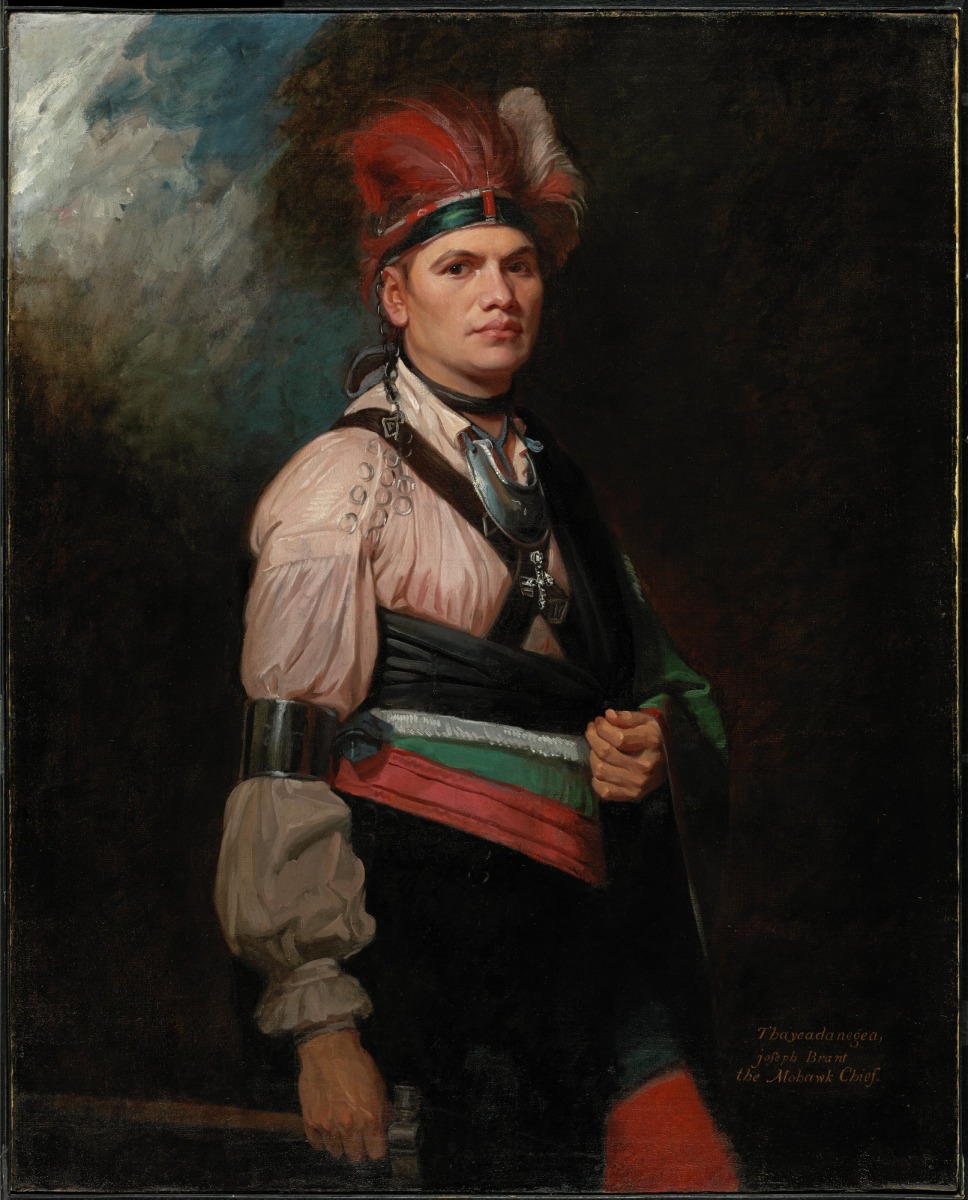 Painting
Primary source
Thayendanegea (Joseph Brant)
George Romney · 1776
 Painting
Primary source
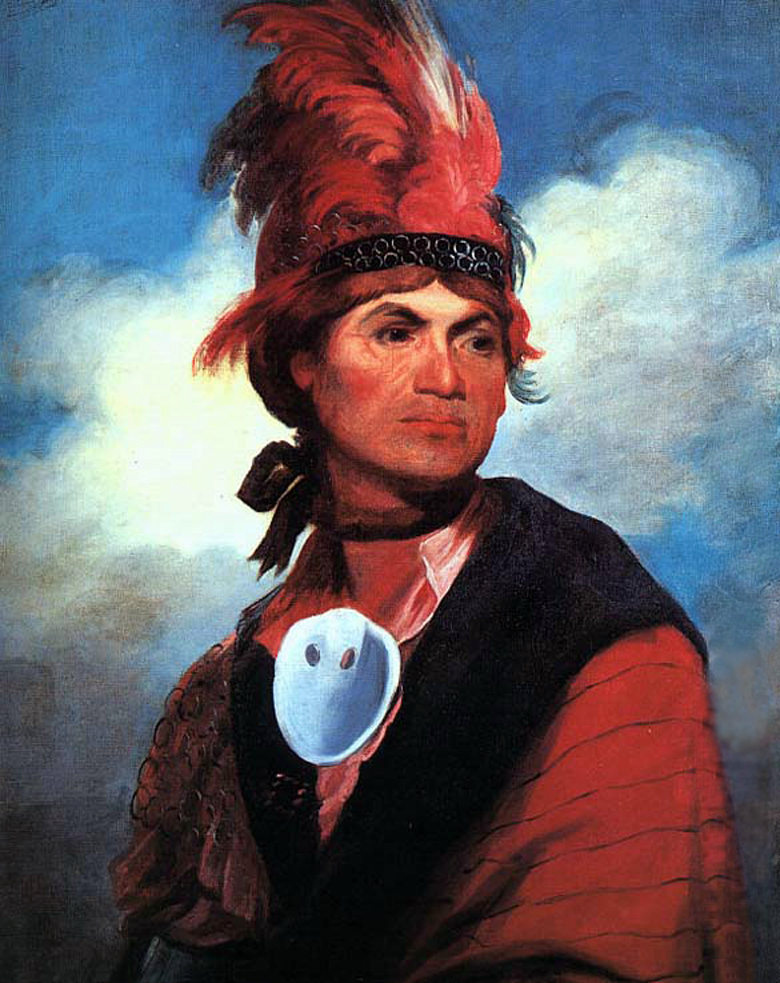
Joseph Brant by Gilbert Stuart
Gilbert Stuart · 1786
 Painting
Primary source
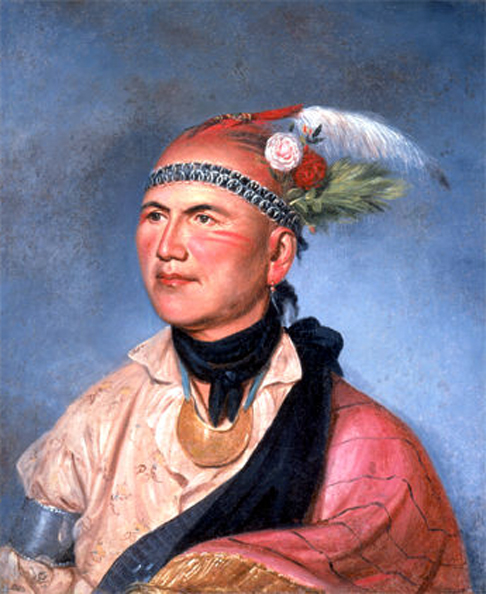
Joseph Brant by Charles Willson Peale
Charles Willson Peale · 1797
 Painting
Secondary source
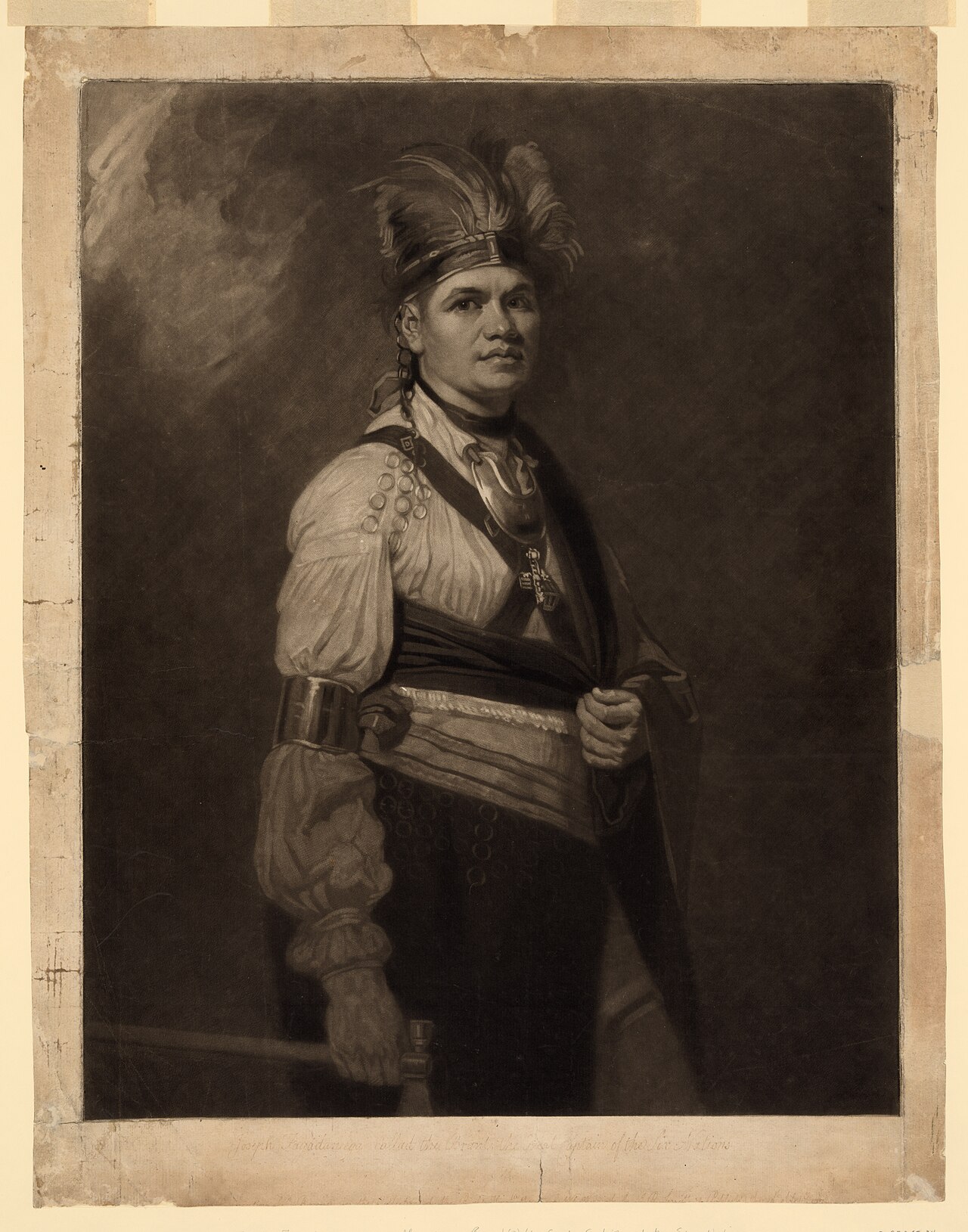
Joseph Fayadaneega, called the Brant, the Great Captain of the Six Nations
John Raphael Smith, after George Romney · 1779
 Painting
Primary source
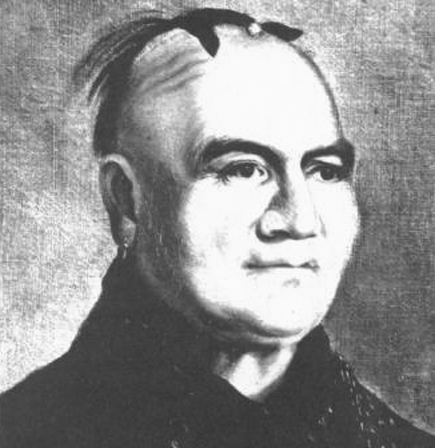
Joseph Brant by Ezra Ames
Ezra Ames · 1806
Ready when you are
Start chatting with Joseph Brant (Thayendanegea) now.
20 messages free · No credit card · Available in 50+ languages.