


Primary sourceSculpturec. 1526
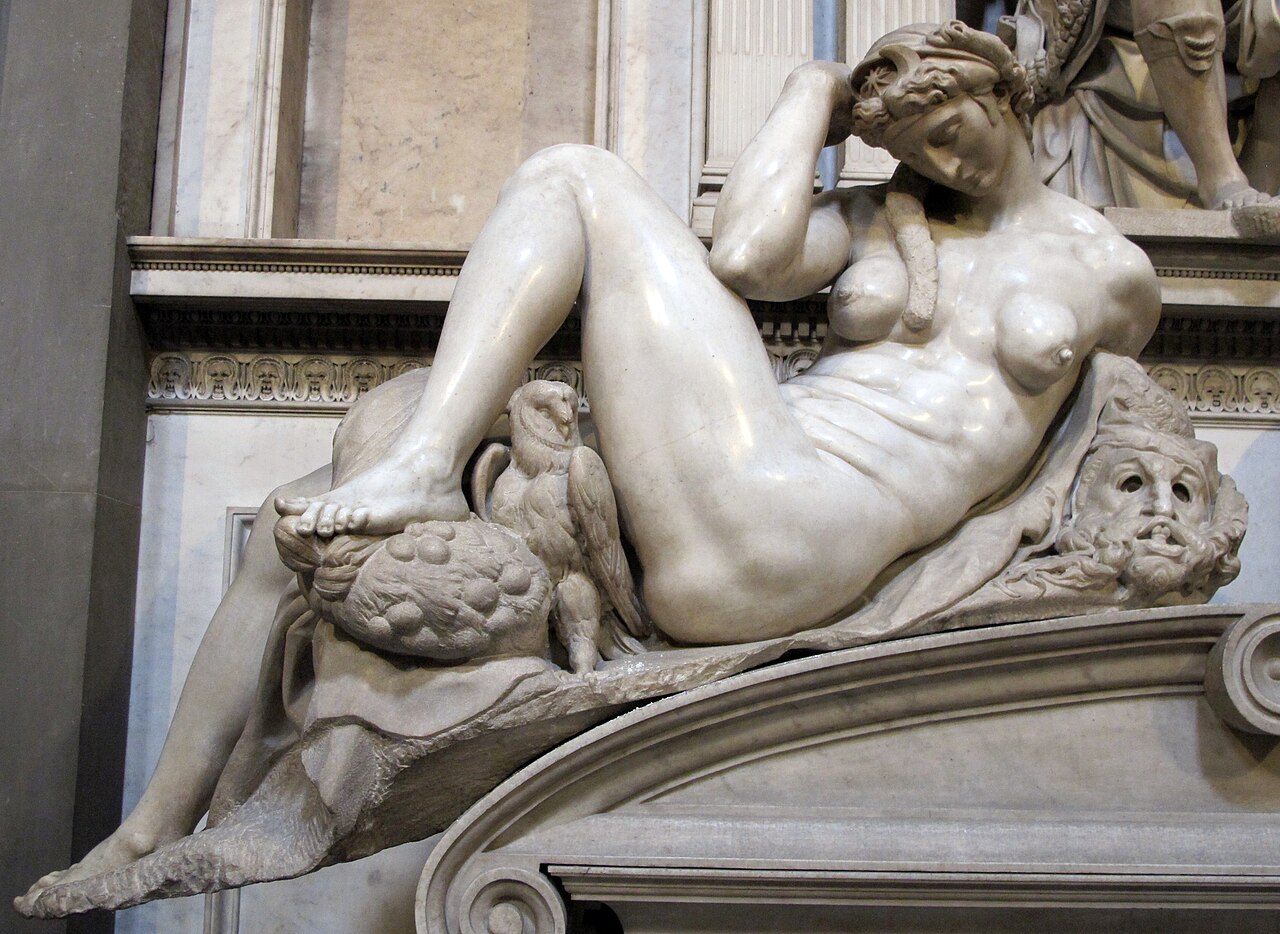
Night
Michelangelo · c. 1526
A reclining female nude on the Medici tombs, carved by Michelangelo, that inspired a poem and his own bitter reply about Florence's loss of liberty.
Michelangelo carved this figure and wrote a poem linking it to his despair over Florence's lost liberty.
About this source
What it is
This marble figure of a reclining woman, called Night, is part of the tomb sculptures Michelangelo carved for the New Sacristy (Medici Chapel) at the Basilica di San Lorenzo in Florence, completed in the later 1520s. It remains in place in the chapel today.
Why it matters
The chapel was built as a grand mausoleum for Medici family members. When an admirer wrote a poem praising the figure of Night, Michelangelo answered with a quatrain expressing his despair over Florence's political situation, linking his art directly to his feelings about his city's loss of liberty under Medici rule.
Look closer
- What mood does the figure's pose and the objects beside her (like the owl and mask) create?
- Why might a sculptor respond to praise of his own work with a poem about politics rather than art?
- What does this episode reveal about the connection between art and power in Renaissance Florence?
This sculpture is part of the curated material that grounds the AI version of Michelangelo Buonarroti on Humy.ai — when students ask about related events, the AI can quote it and cite it.
More Michelangelo Buonarroti sources
Meet the AI Michelangelo Buonarroti →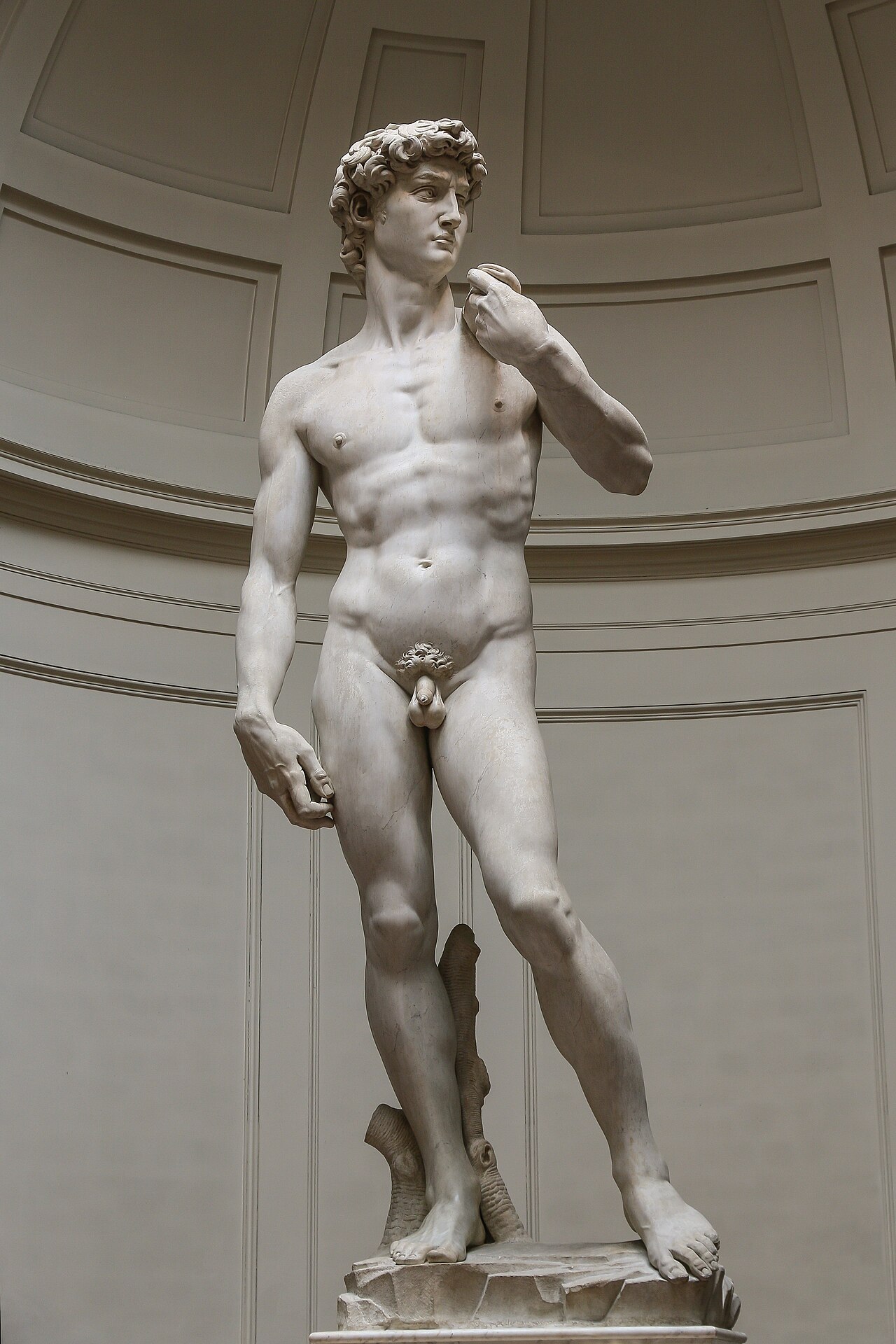 Sculpture
Primary source
David
Michelangelo · 1501-1504
 Artifact
Primary source
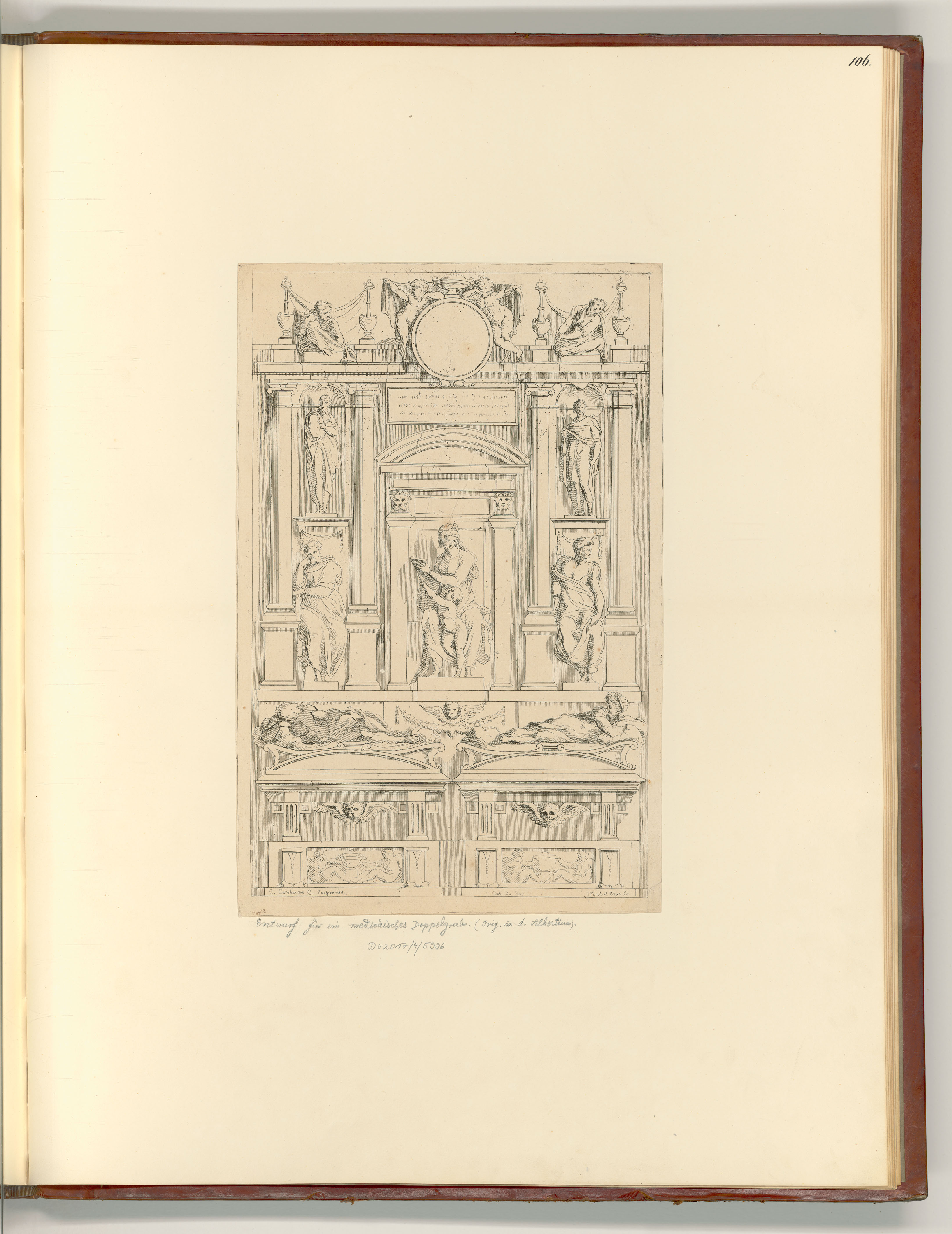
Elevation of a Planned Double Tomb for the Magnifici, Medici Chapel
unbestimmt
 Painting
Primary source
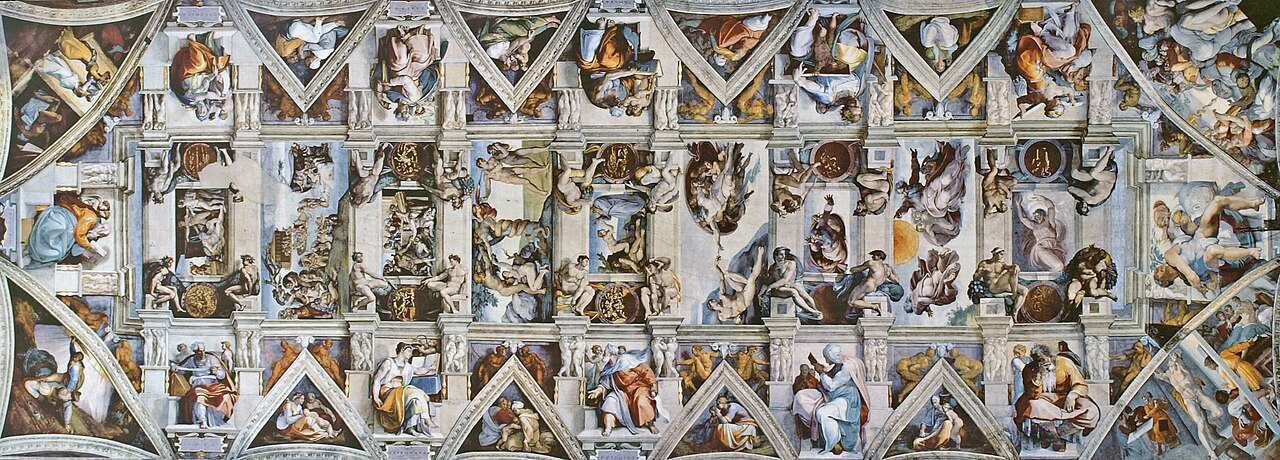
Sistine Chapel ceiling
Michelangelo · 1508-1512
 Painting
Secondary source
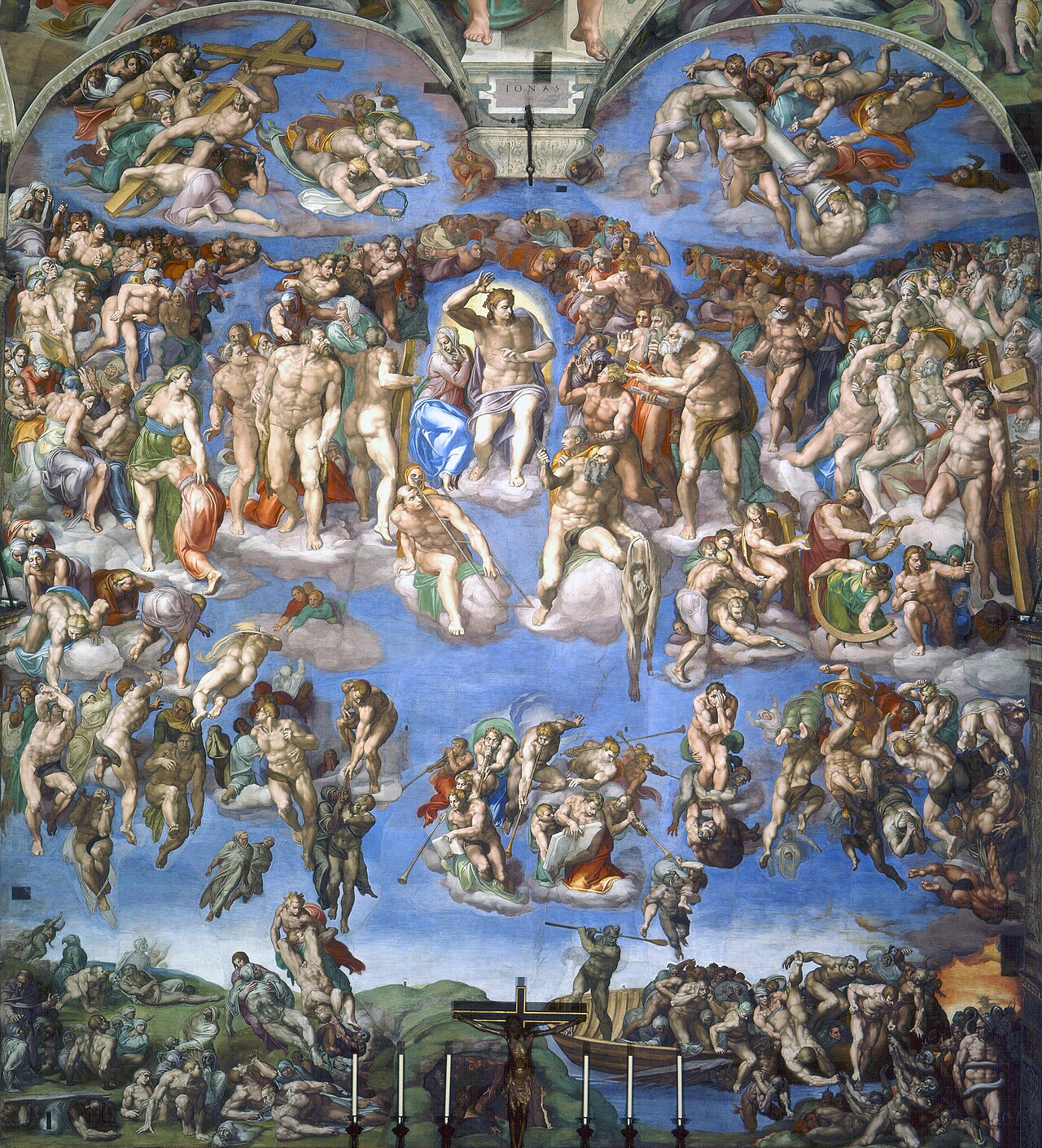
The Last Judgment
Michelangelo · 1536-1541
 Photograph
Secondary source
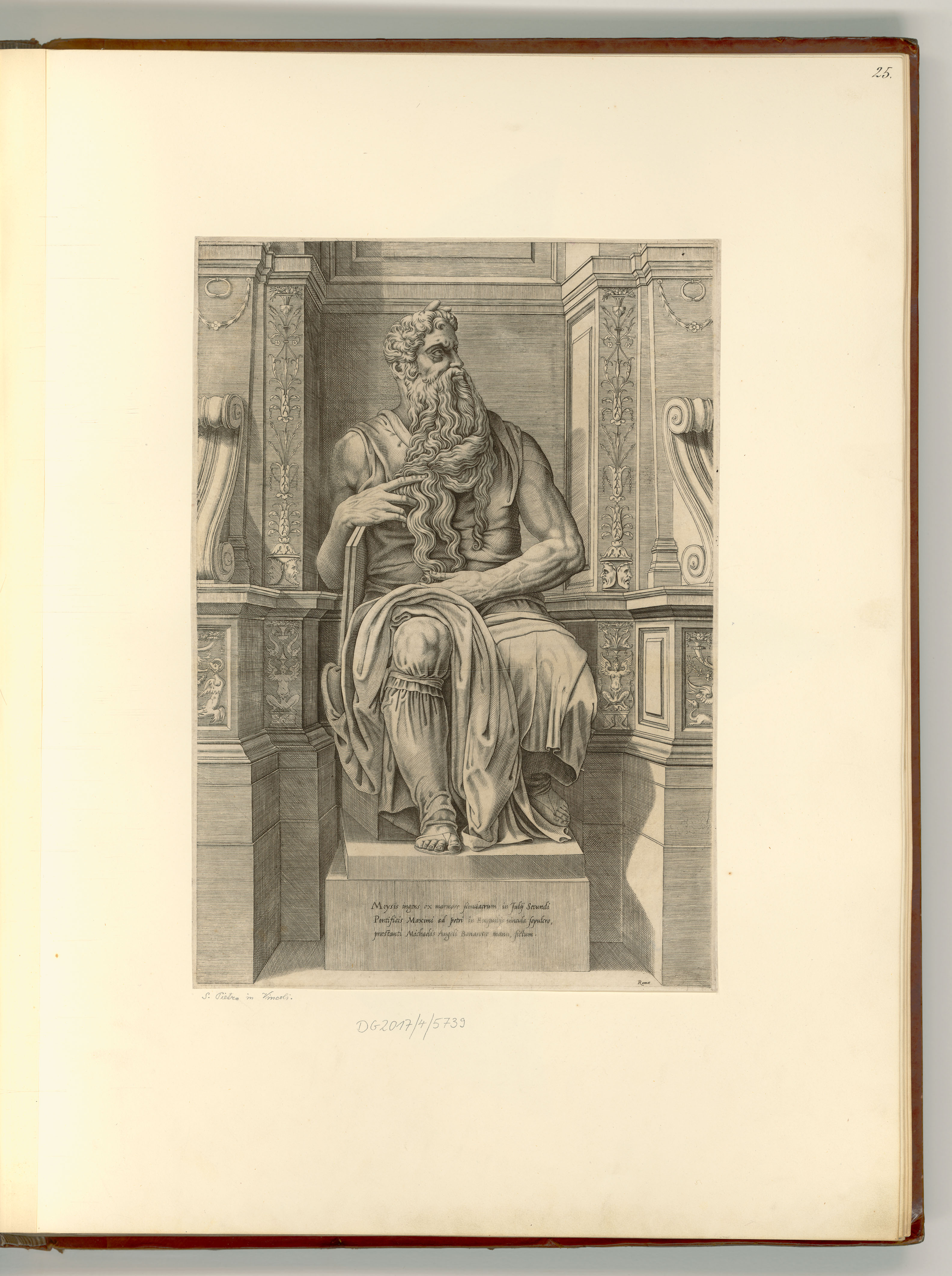
Statue of Moses by Michelangelo, San Pietro in Vincoli
unbestimmt
Ready when you are
Start chatting with Michelangelo Buonarroti now.
20 messages free · No credit card · Available in 50+ languages.