


Secondary sourceArtifact1617 (enlarged later)
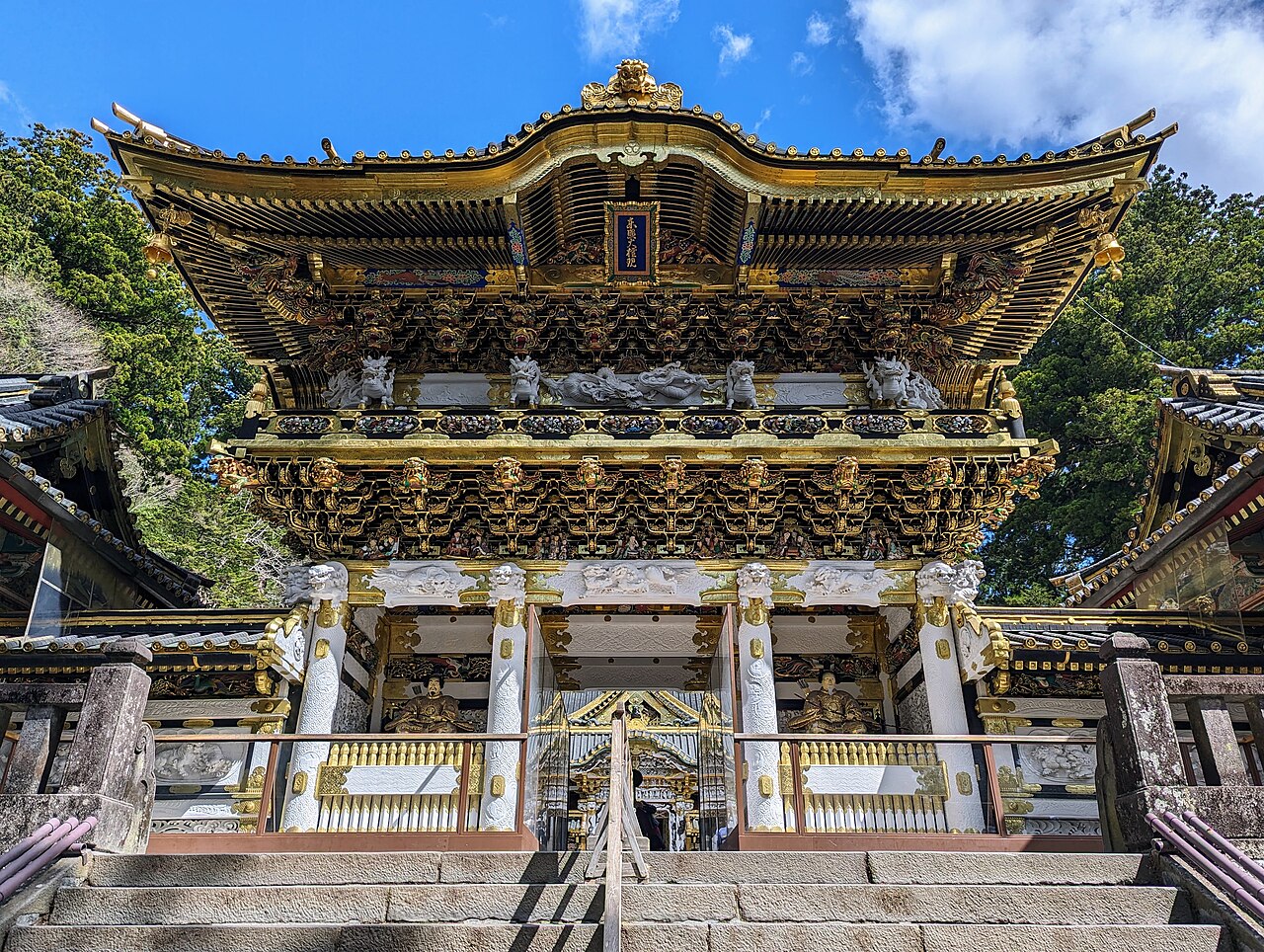
Nikkō Tōshō-gū
1617 (enlarged later)
A richly decorated Shinto shrine and mausoleum built to enshrine Tokugawa Ieyasu as a deity after his death.
Built to enshrine Ieyasu as a deity, this shrine shows the cult his descendants built around his memory.
Free Humy account · No credit card · 124,282 sources to read
About this source
What it is
Nikkō Tōshō-gū is a Shinto shrine in Nikkō, Japan, built in 1617 under Ieyasu's son Hidetada and greatly enlarged later by his grandson Iemitsu. Ieyasu is enshrined and entombed here. The shrine was built by the Tokugawa retainer Tōdō Takatora and includes the elaborately carved Yōmeimon gate.
Why it matters
The shrine reveals how the Tokugawa family turned their founder into a worshipped deity, Tōshō Daigongen, to strengthen the dynasty's legitimacy. The shogunate held grand annual processions from Edo to Nikkō, reinforcing Ieyasu's memory as a source of power for his descendants. The lavish carvings and gilding show the wealth and skill the shogunate could command generations after Ieyasu's death.
Look closer
- Why would a shogunate want to build such an elaborate monument to its founder decades after his death?
- What might the yearly processions have meant to ordinary people who watched them?
- How does decoration like this communicate political power?
This artifact is part of the curated material that grounds the AI version of Tokugawa Ieyasu and Tokugawa Iemitsu on Humy.ai — when students ask about related events, the AI can quote it and cite it.
More Tokugawa Ieyasu sources
Browse all 94 →Primary source
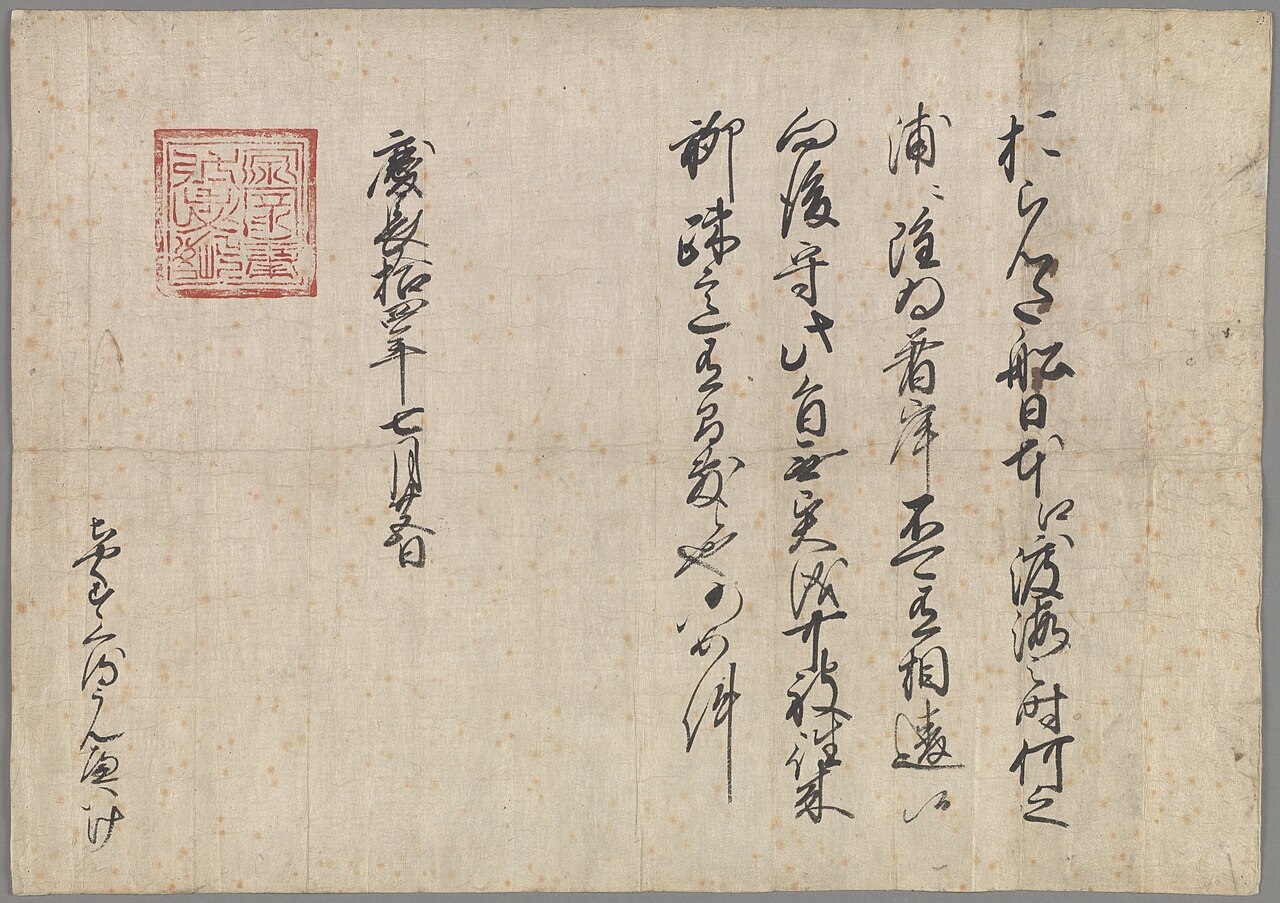
Kinchū narabini Kuge Shohatto
Tokugawa Ieyasu · 1615
 Document
Primary source
Trading Pass for Dutch Ships in Japan
Tokugawa Ieyasu · 24 August 1609
 Letter
Primary source
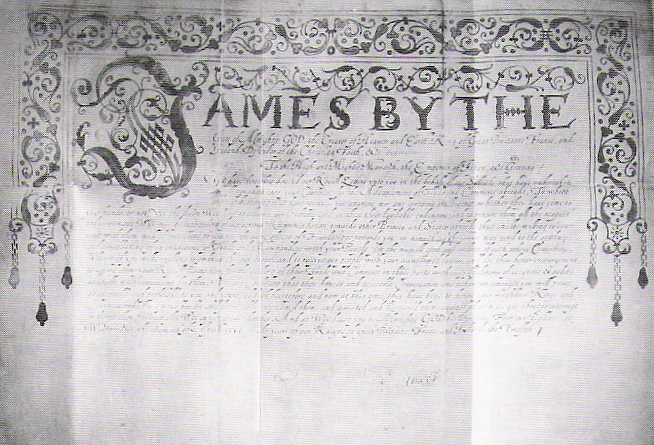
Letter of King James to Tokugawa Ieyasu
James VI and I · 1613
 Artifact
Secondary source
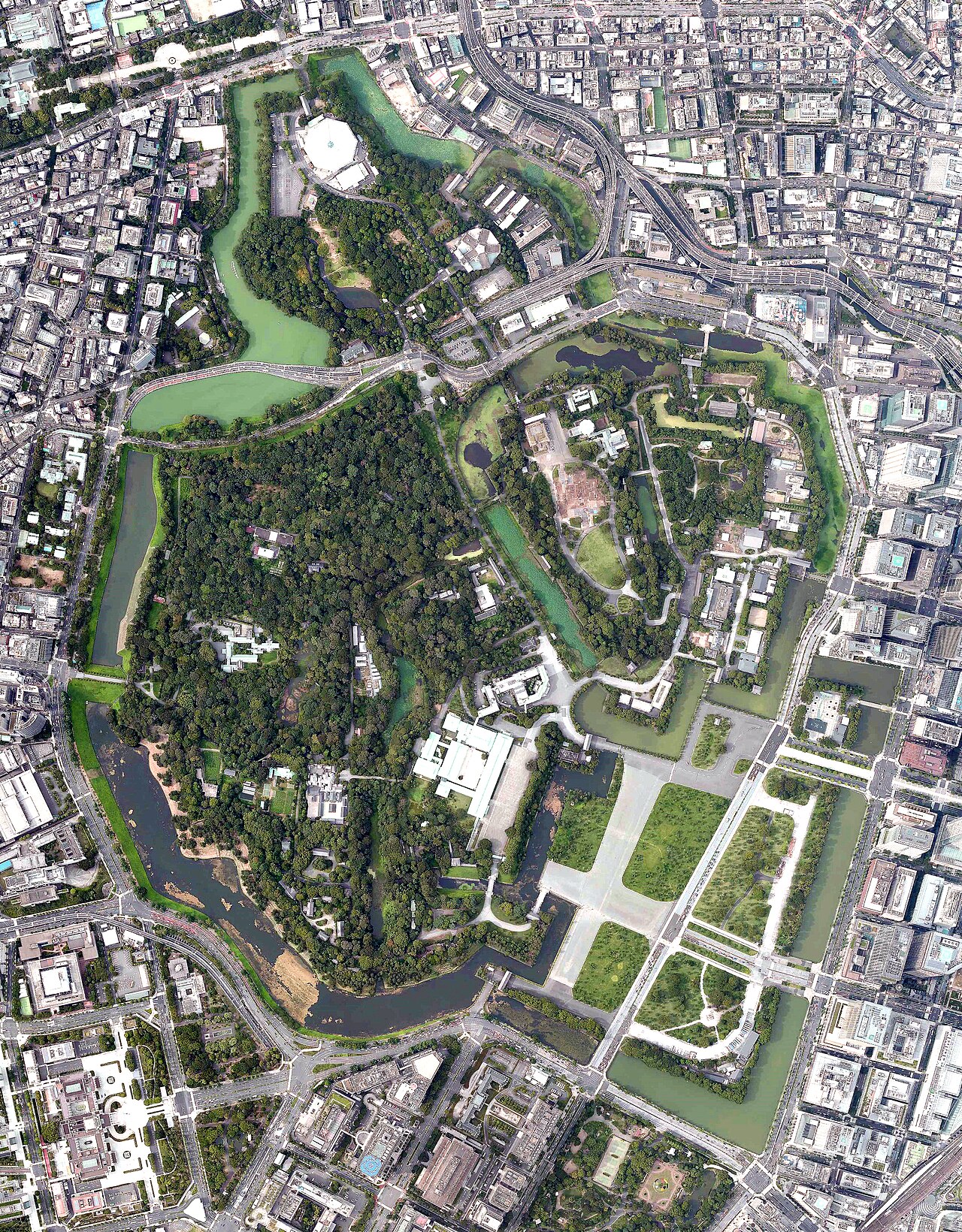
Edo Castle
Ōta Dōkan · 1457; expanded from 1590

Free account
Read every Tokugawa Ieyasu source
Sign up free →
Ready when you are
Start chatting with Tokugawa Ieyasu now.
20 messages free · No credit card · Available in 50+ languages.